Goal
Convert wind energy into electrical power at a higher output than the wind energy collected.
Problem
Provide a renewable, low-cost energy source that can operate in low-wind or remote locations and reduce dependence on fossil-fuel generators.
Concept Summary
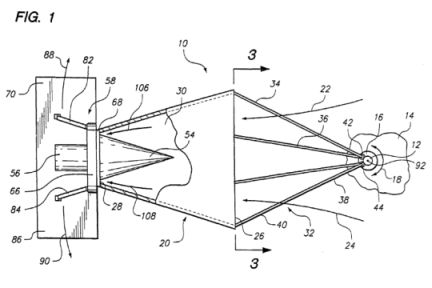
A wind-driven device that uses a flexible funnel (chute) to concentrate airflow, a restrictor to create an annular high-velocity jet, and a conventional turbine/alternator to generate electricity. The inventor claims the system can produce up to four times the energy it captures from the wind.
Detailed Description
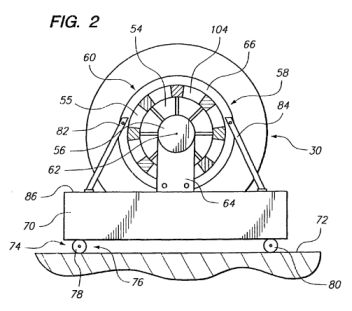
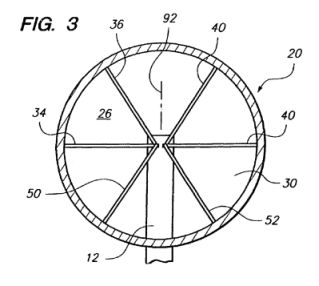
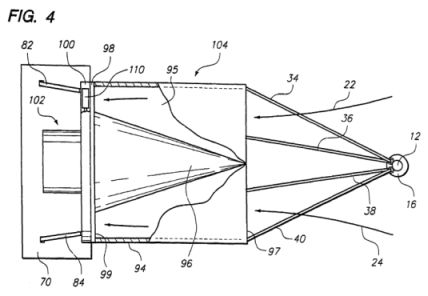
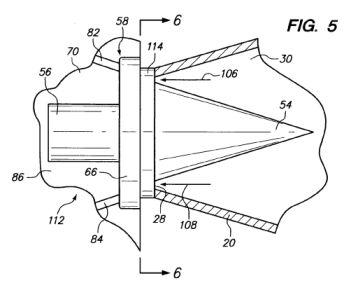
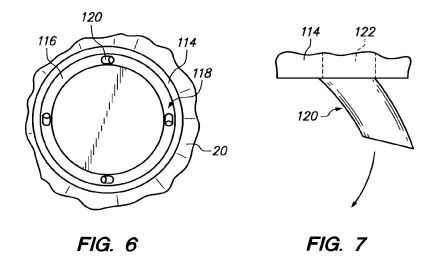
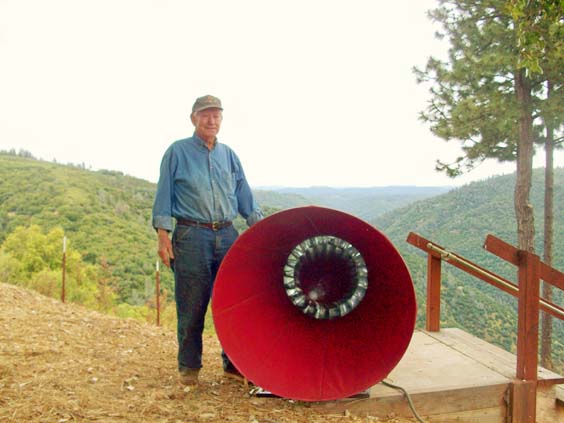
The invention comprises an anchor fixed to the ground with a rotatable base, a flexible lightweight chute (e.g., coated cloth, plastic) forming a chamber that captures wind, a restrictor (cone) at the chamber exit that concentrates the flow into an annular region, and one or more nozzles that direct the high-velocity air to a power generator (a bladed turbine coupled to an alternator). The generator is mounted on a platform that can be moved with the chute. The system is intended to be portable, adjustable to wind direction, and capable of being constructed from simple materials such as bamboo and canvas for DIY installations.
Principles
- Airflow concentration via funnel/chute
- Annular jet formation using a restrictor
- Turbine rotation driven by high-velocity air
- Electrical generation via alternator
- Mechanical linkage of chute to generator
Scientific Domains
Materials
- Coated cloth
- Plastic
- Metal (anchor, turbine, generator components)
- Bamboo
- Canvas
Mechanisms of Action
- Wind captured by a flexible chute
- Restrictor narrows flow, increasing velocity
- Nozzles direct jet to turbine blades
- Turbine spins and drives an alternator
- Electrical power output
Energy Sources
Applications
- Powering homes
- Charging electric vehicles
- Providing electricity for boats and remote cabins
- Emergency power supply
Claimed Performance
Produces up to four times the energy it collects from the wind.
Limitations
- Performance claims lack quantitative data
- Dependence on sufficient wind speed
- Durability of flexible materials in harsh environments
- No independent verification of overunity claim
Red Flags
- Overunity claim (four times energy)
- Absence of peer-reviewed experimental data
- Reliance on anecdotal statements