Goal
Produce hydrogen gas without applying external electrical energy.
Problem
Need for clean, low-carbon hydrogen production that does not rely on external electricity or fossil-fuel-derived power.
Concept Summary
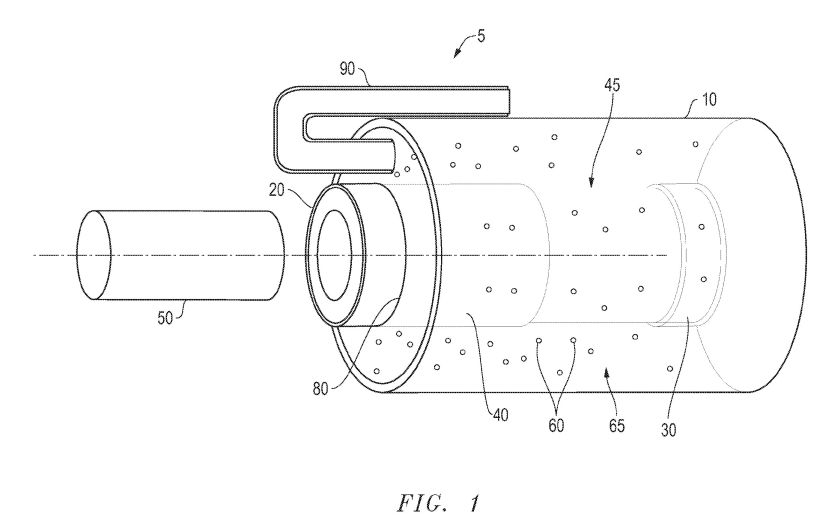
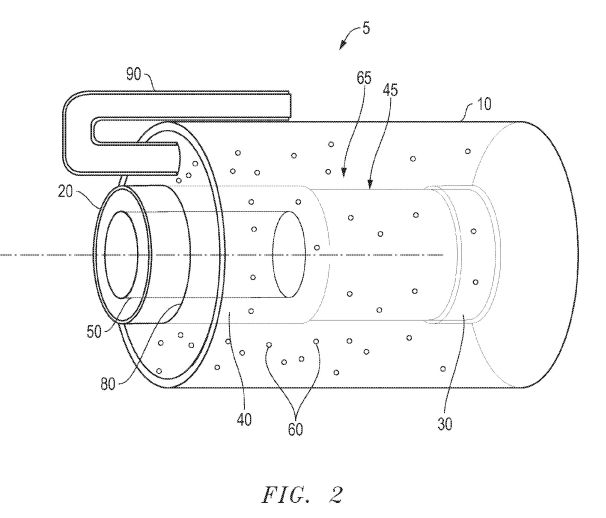
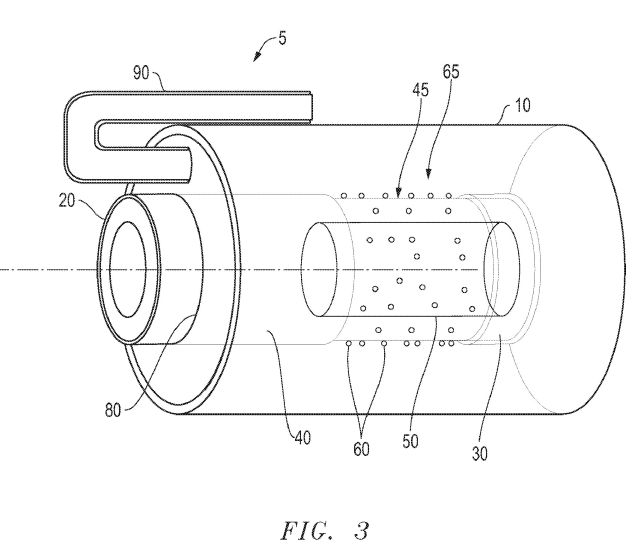
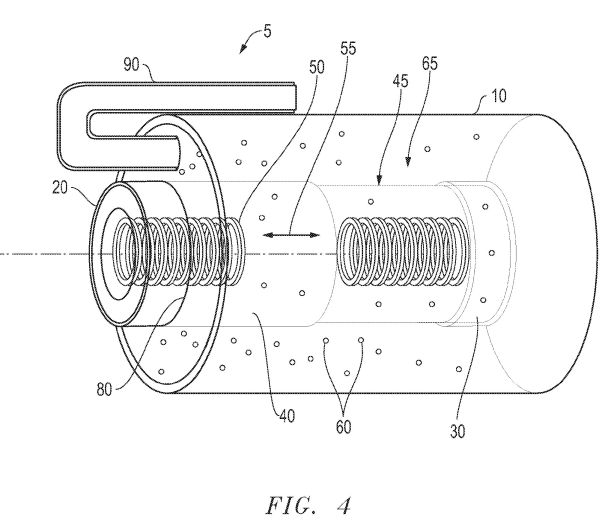
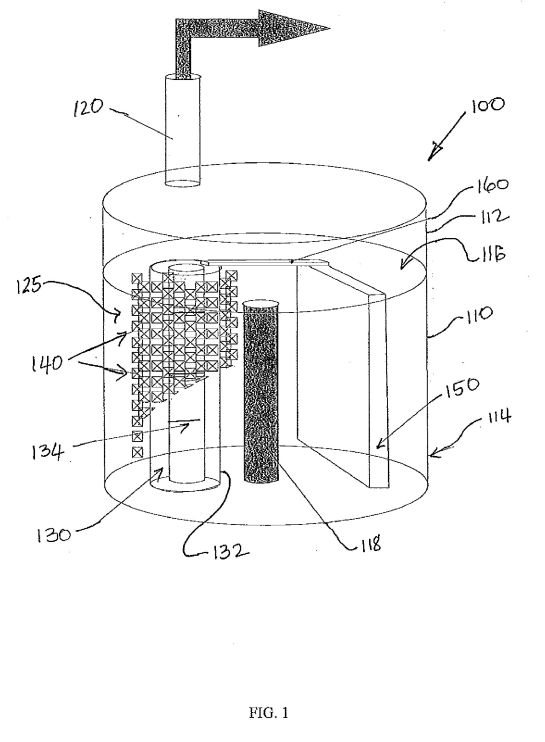
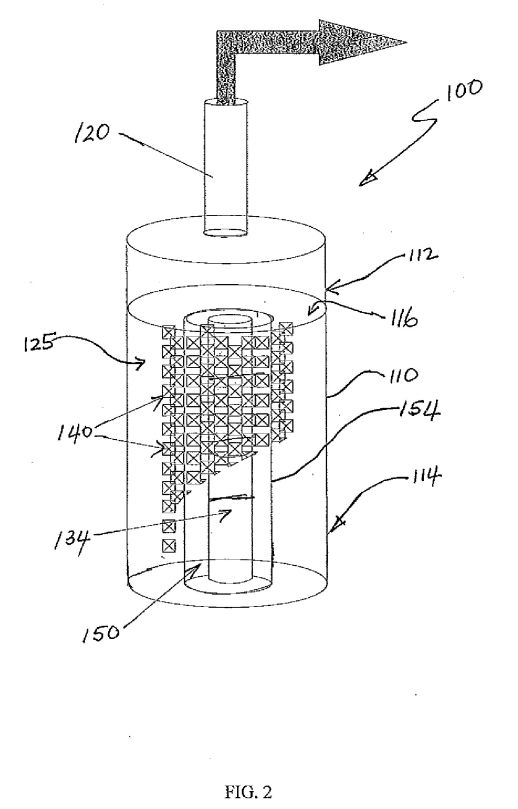
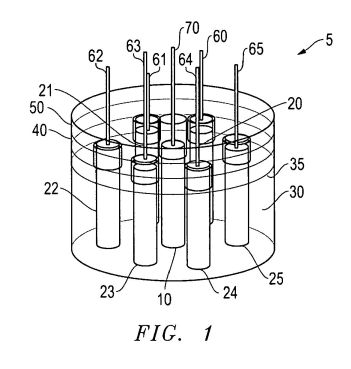
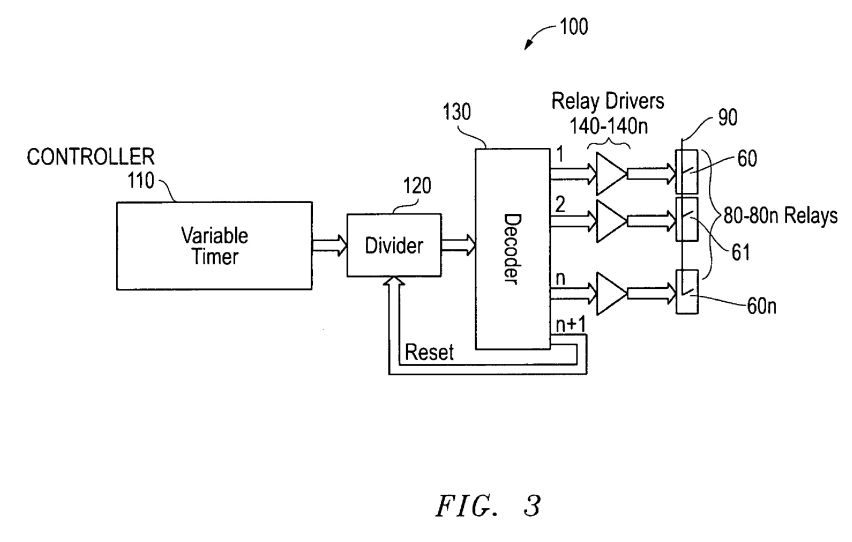
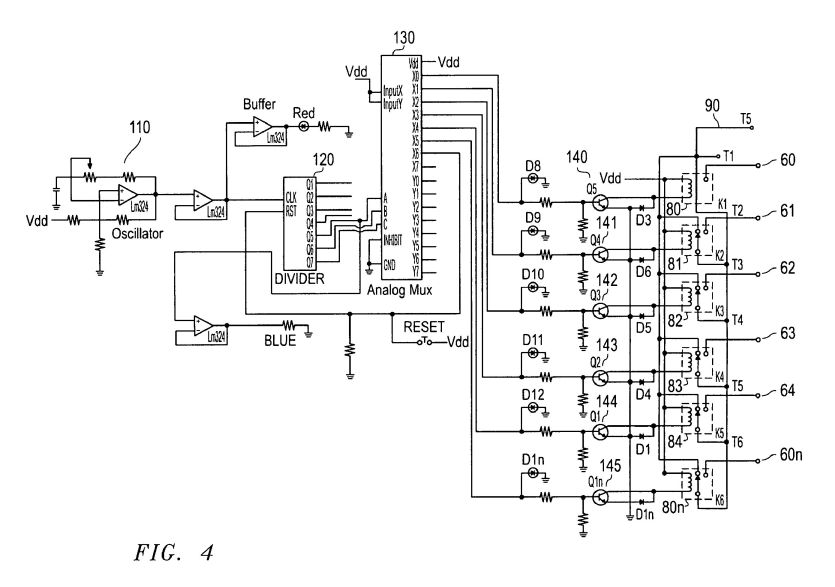
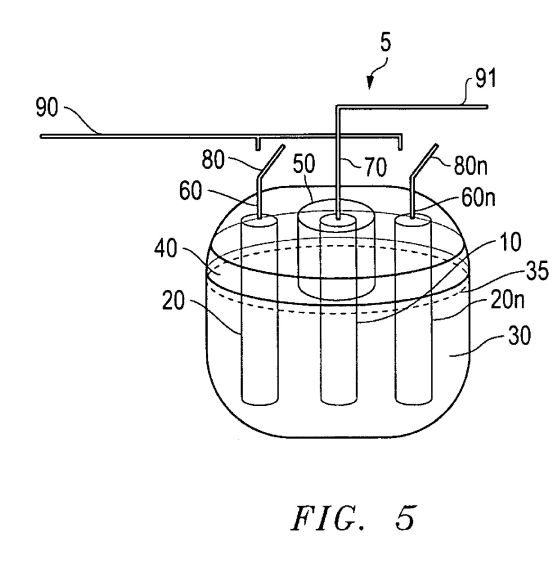
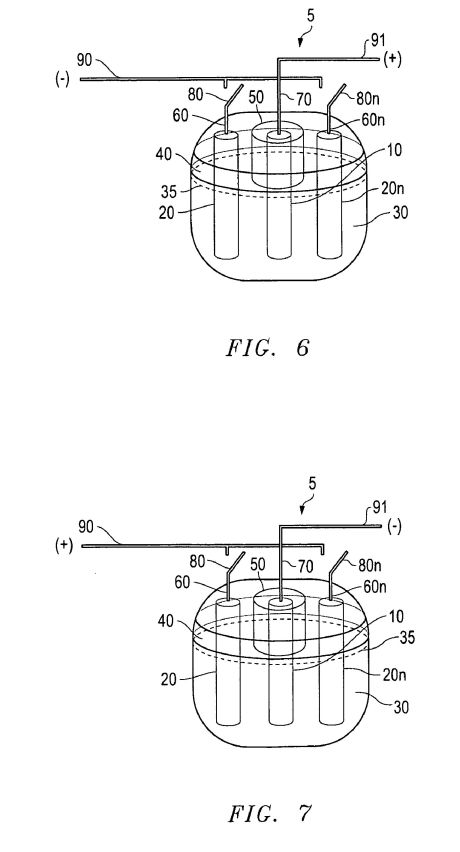
A sealed generator uses an electrolyte containing dissolved zinc hydroxide and a pair of electrodes: an aluminum electrode that is consumed, and a composite electrode made of a non-ferrous conductive tube with an internal magnet whose outer surface is coated with magnetic nano-particles (nickel, iron, tungsten, cobalt or alloys). The nano-particle coating forms a second electrode that contacts the first. Chemical reactions between the aluminum, zinc hydroxide, and the nano-particles generate hydrogen gas without any external electrical input.
Principles
- Magnetic nano-particle catalysis
- Zinc hydroxide reduction on aluminum surface
- Chemical hydrogen generation without external electricity
- Magnetically adhered nano-particle electrode formation
Scientific Domains
Materials
- Aluminum
- Nickel
- Iron
- Tungsten
- Cobalt
- Zinc hydroxide
- Colloidal silver
- Colloidal magnesium
- Sodium hydroxide
- Potassium hydroxide
- Distilled water
- Magnetic nano-particles (nickel, iron, tungsten, cobalt, alloys)
- Neodymium or other permanent magnets
Mechanisms of Action
- Aluminum reacts with zinc hydroxide in strong base to form metallic zinc on its surface
- Metallic zinc reacts with magnetic nano-particles, releasing hydrogen
- Magnetic attraction holds nano-particles on electrode surface, creating a conductive secondary electrode
Applications
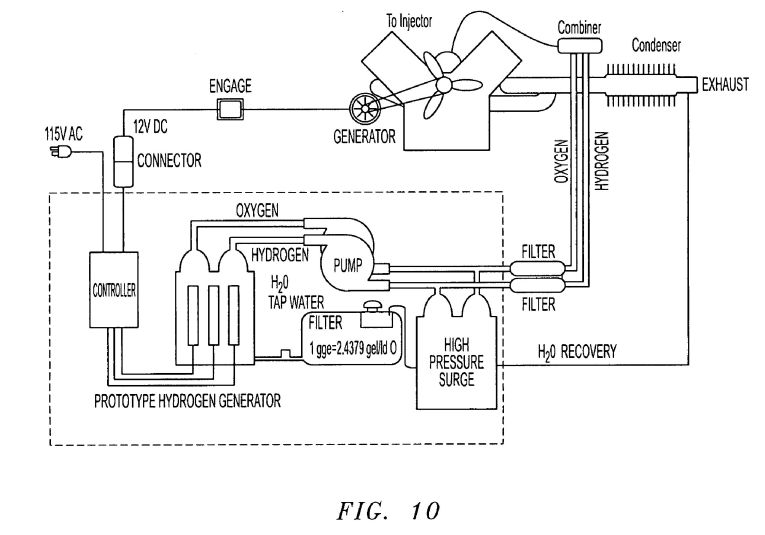
- Hydrogen fuel for vehicles
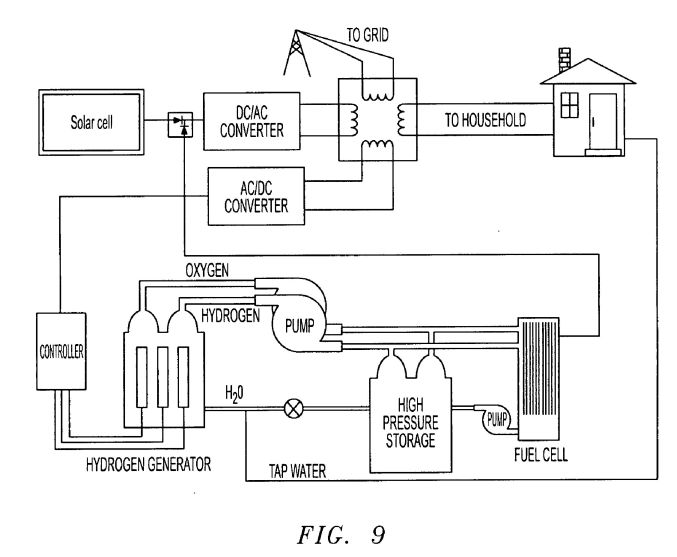
- On-site power generation
- Portable hydrogen supply
Experimental Evidence
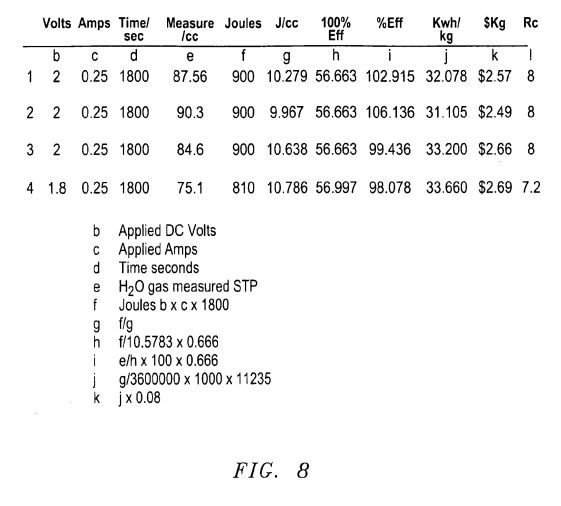
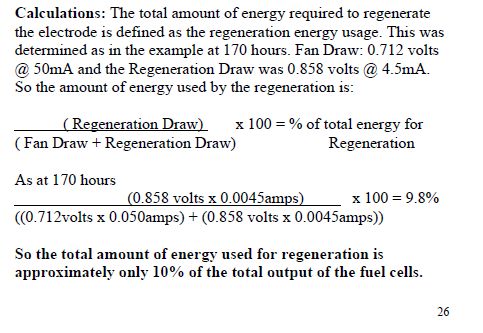
The patent description notes that hydrogen was observed being produced from the described cell, and several YouTube videos demonstrate a go-cart run and a fireworks-type reaction. An extended operational study (PDF) by David B. Rybarczyk is cited, but no quantitative performance data or peer-reviewed replication is provided.
Replication Status
Demonstrated in videos and a private study; no independent third-party replication reported.
Limitations
- Consumes aluminum electrode material
- Requires precise electrolyte preparation (colloidal metals, strong bases)
- No quantitative efficiency data
- Scalability and long-term stability not demonstrated
Red Flags
- Claims of hydrogen generation without external electricity suggest overunity
- Lack of peer-reviewed data or independent replication
- Reliance on anecdotal video demonstrations