Goal
Provide a broad-spectrum antiviral therapy that can prevent or treat Ebola virus infection and other viral diseases.
Problem
High mortality and lack of effective treatments for Ebola, HIV, SARS, HCV and related viral infections.
Concept Summary
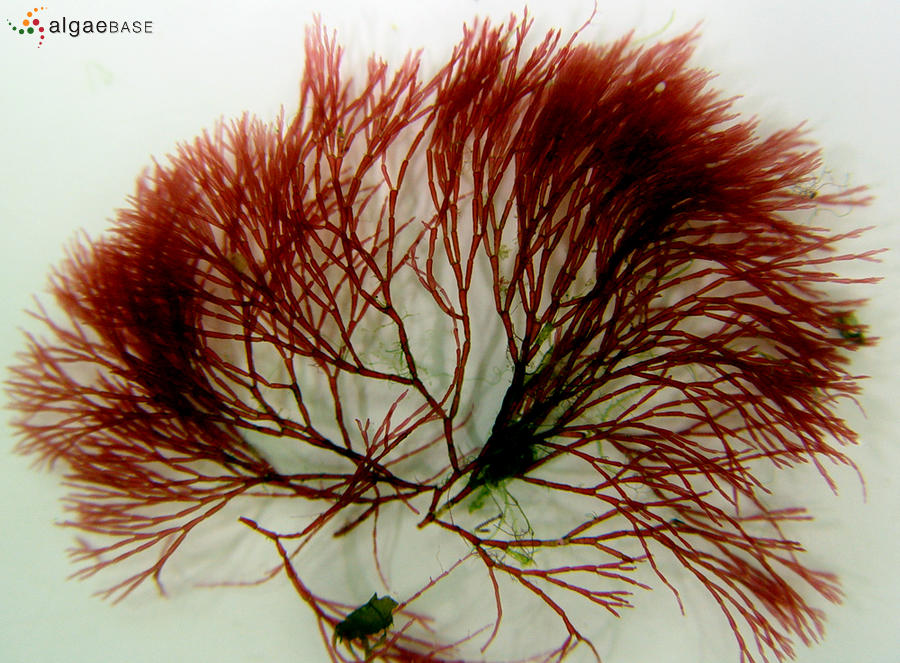
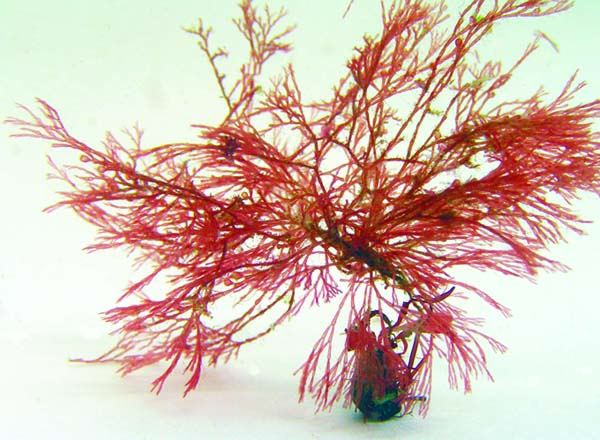
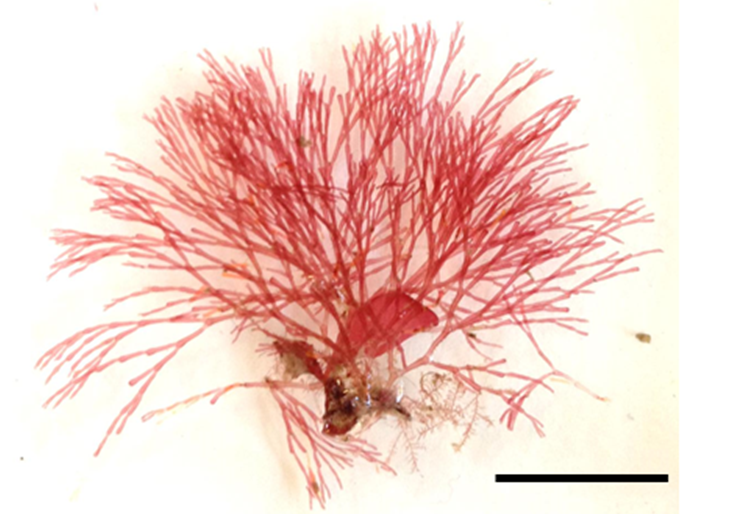
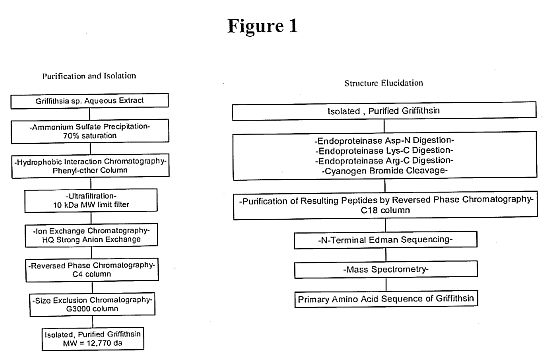
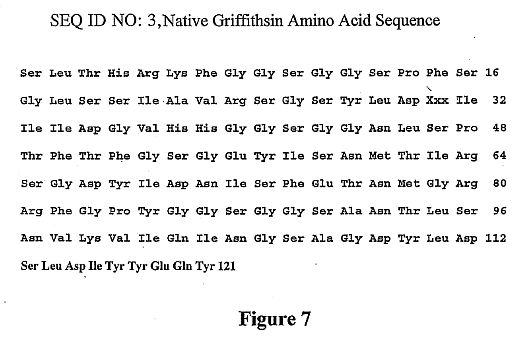
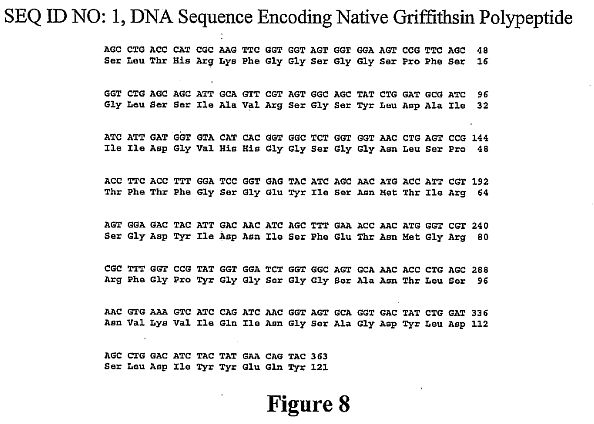
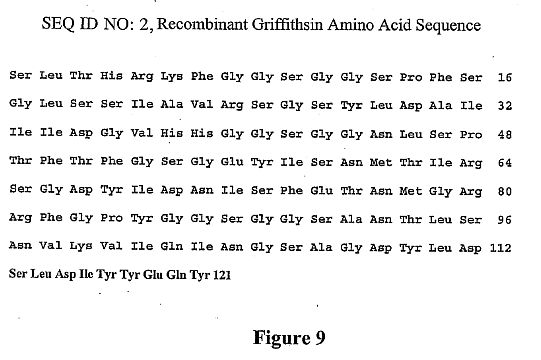
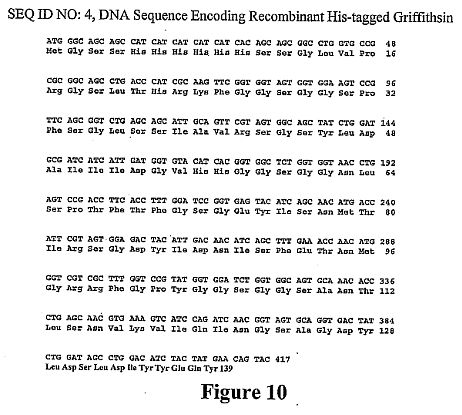
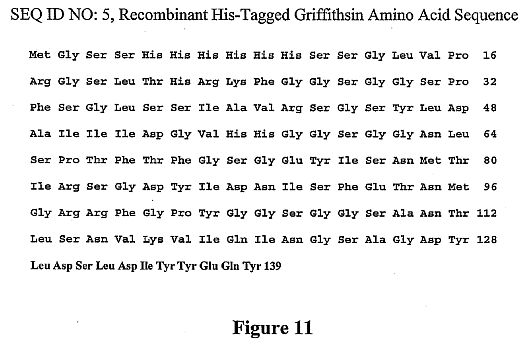
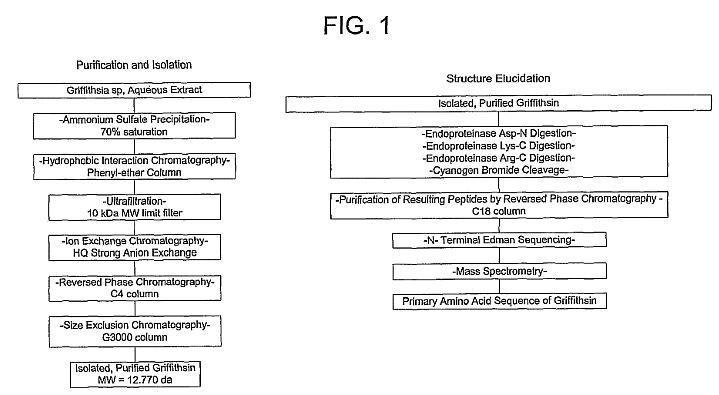
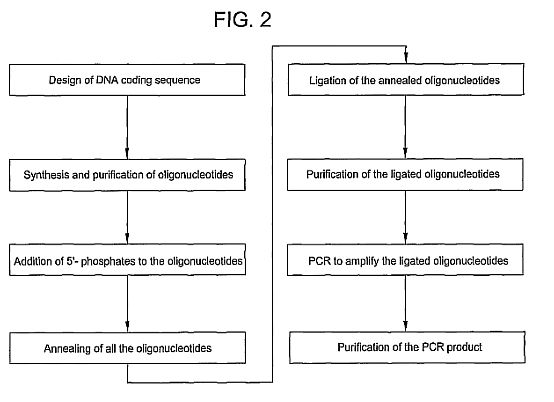
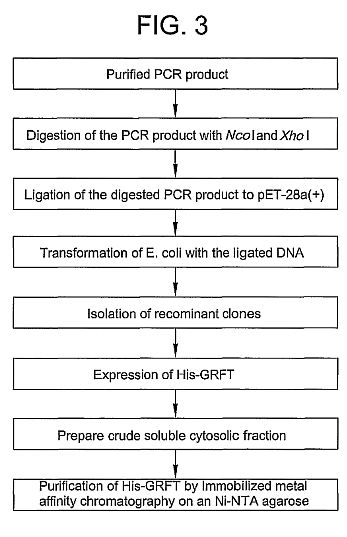
Griffithsin is a protein lectin isolated from the red alga Griffithsia sp. that binds mannose residues on viral glycoprotein shells, disrupting the viral envelope and preventing entry into host cells. Recombinant versions have been produced in Nicotiana benthamiana plants and tested in mice and guinea pigs, where they conferred immunity to Ebola after rechallenge and showed activity against HIV-1, SARS-CoV and HCV. The technology leverages natural antiviral mechanisms of mannose-binding lectins and modern plant-based biomanufacturing.
Principles
- Mannose-binding lectin antiviral activity
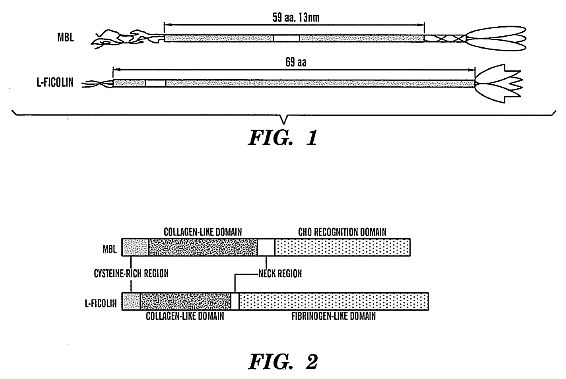
- Glycoprotein shell disruption via lectin pathway
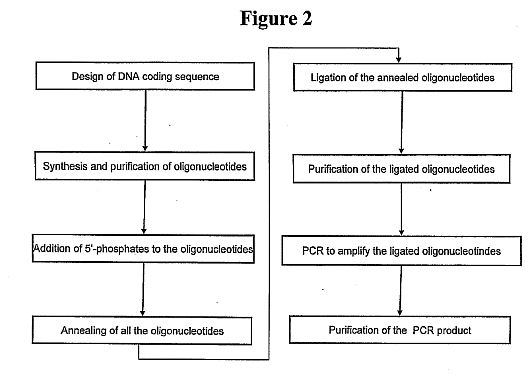
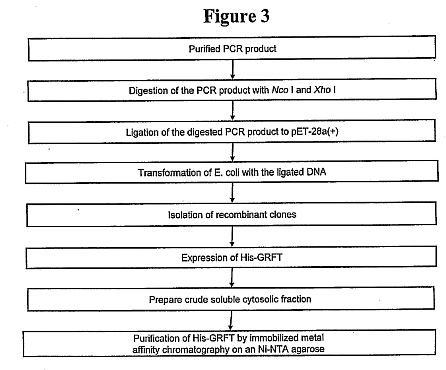
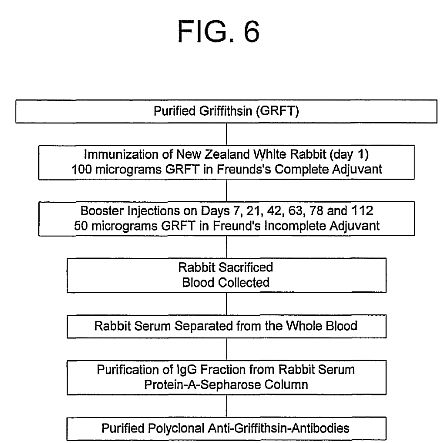
- Recombinant protein expression in plant hosts
Scientific Domains
Materials
- Red algae (Griffithsia sp.) tissue
- Recombinant Griffithsin protein
- Nicotiana benthamiana plant biomass
Mechanisms of Action
- Binding to viral surface mannose residues
- Inducing structural breakdown of viral glycoprotein matrix
- Neutralizing virus and facilitating immune clearance
Applications
- Therapeutic antiviral treatment for Ebola and other viral infections
- Potential vaccine adjuvant or prophylactic supplement
Claimed Performance
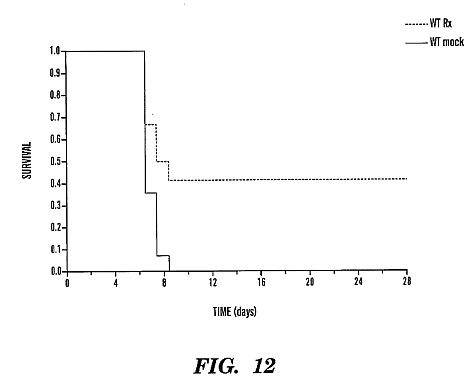
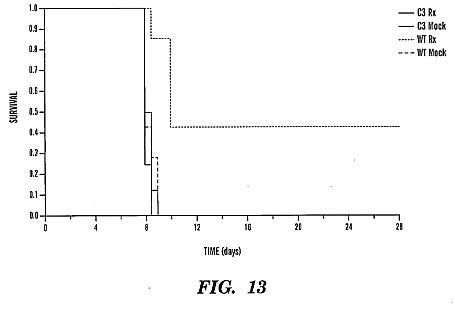
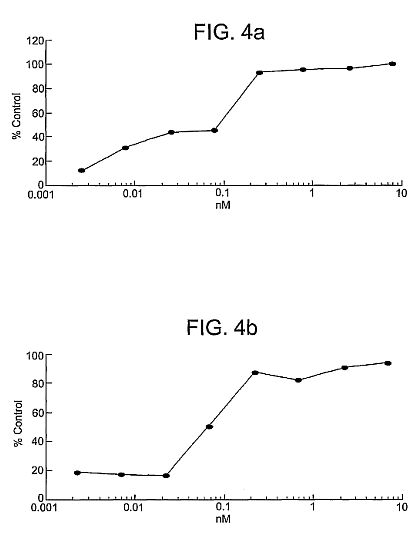
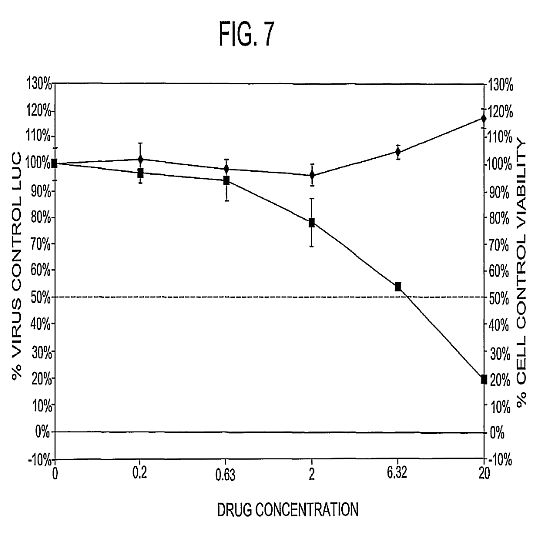
Mice given recombinant Griffithsin became immune to Ebola upon rechallenge; in-vitro and in-vivo studies show inhibition of HIV-1, SARS-CoV and HCV.
Experimental Evidence
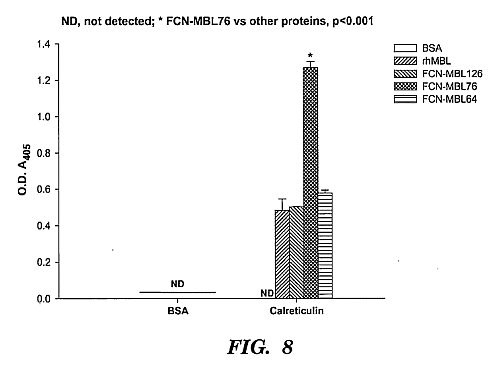
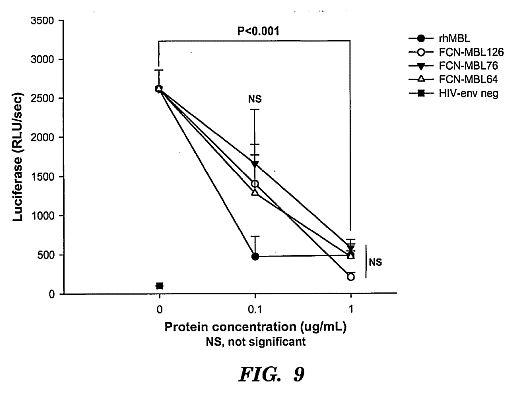
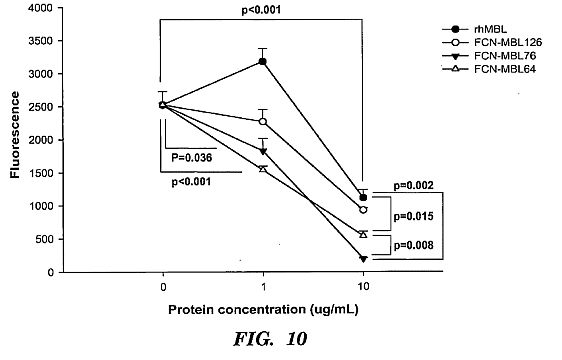
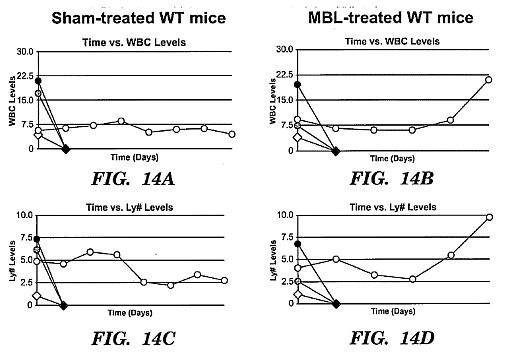
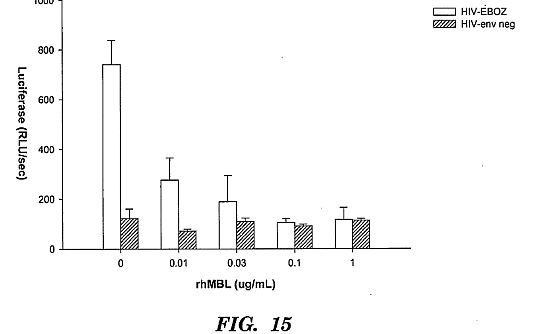
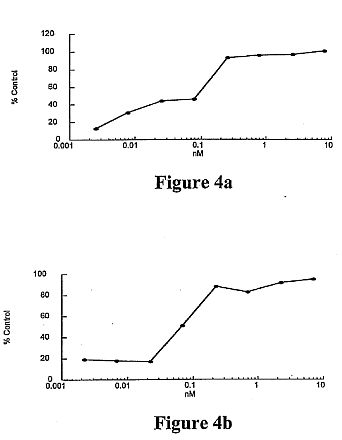
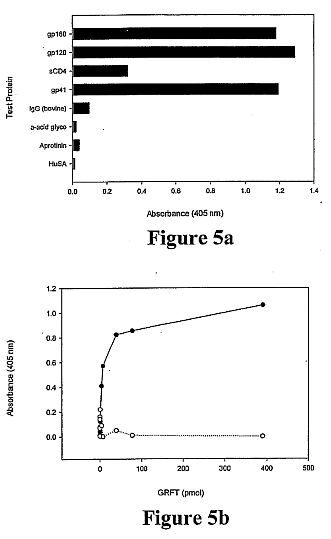
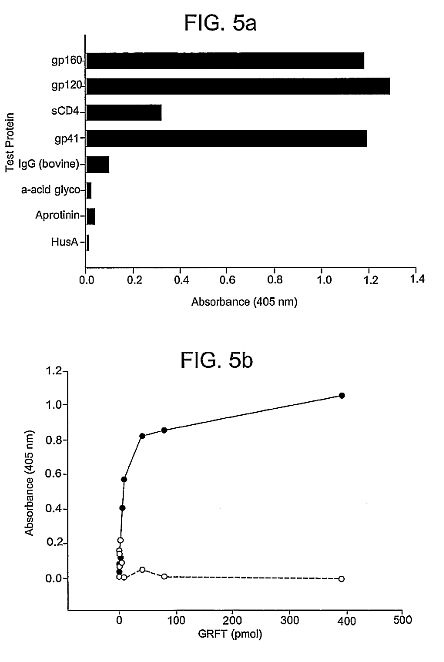
Animal studies in mice and guinea pigs demonstrated protection against Ebola and HIV-1 after administration of recombinant Griffithsin; in-vitro assays showed binding and neutralization of multiple viral glycoproteins.
Limitations
- Manufacturing relies on recombinant plant expression systems
- No published human clinical trial data
- Stability and delivery formulation not fully defined