Goal
To disable or destroy distant targets such as aircraft engines, ammunition dumps, or other equipment using an invisible beam.
Problem
Need for a long-range, non-kinetic weapon capable of disabling enemy aircraft and destroying strategic targets during wartime.
Concept Summary
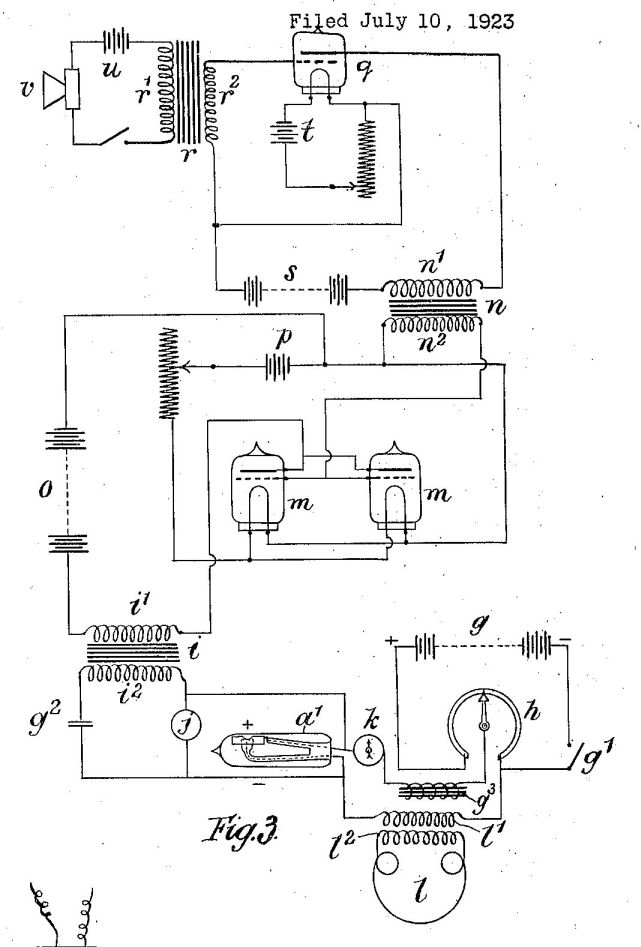
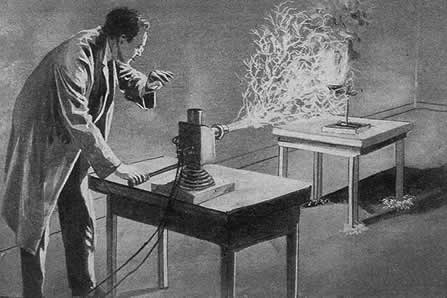
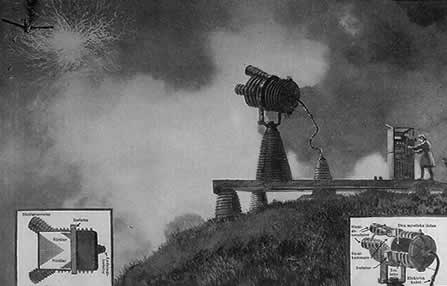
Matthews claimed to have created a ray that, by ionising air and/or emitting extremely short radio waves, could halt a motorcycle engine at 15 m, ignite gunpowder, light a light bulb, and was powerful enough to destroy aircraft in flight and explode powder magazines.
Detailed Description
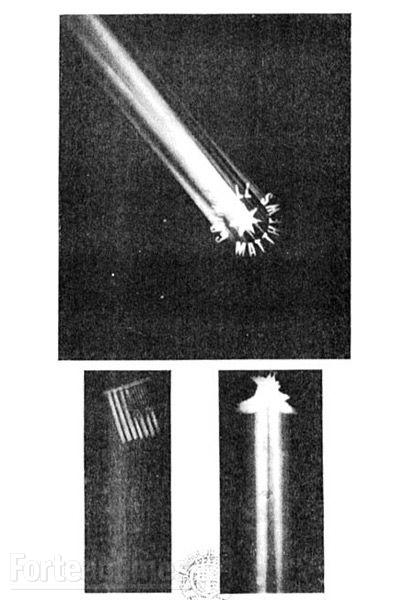
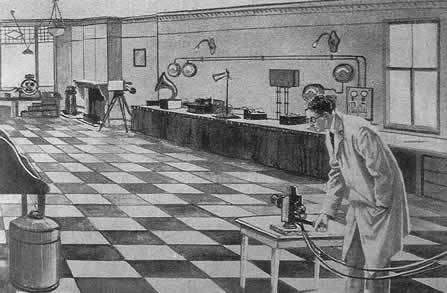
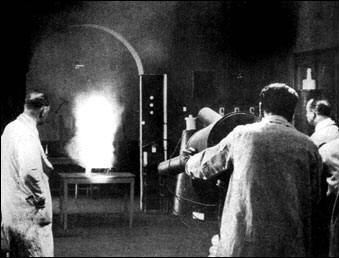
According to contemporary press reports, Matthews demonstrated a laboratory apparatus that produced an invisible beam. In one demonstration a motor-cycle engine stopped when the beam was applied at about 15 m. In another, a bowl of gunpowder ignited, and an Osglim light bulb lit when placed in the beam's path. Matthews described the underlying principle as "ionised air carrying an electrical current" or "exceptionally short radio waves". He asserted that, with sufficient development, the ray could stop aeroplanes in flight, explode magazines, and even destroy the air itself. No detailed schematics or quantitative data were provided, and government officials expressed scepticism, noting the lack of a clear scientific explanation and the inability to replicate the results independently.
Principles
- Ionisation of air
- High-frequency electromagnetic radiation
- Induction of currents in electrical equipment
Scientific Domains
Materials
- Air
- Selenium (used in earlier remote-control boat experiments)
- Electrical conductors
Mechanisms of Action
- Ionised air conducting electrical current to disrupt engine operation
- Short-wavelength electromagnetic waves inducing currents that cause heating or ignition
Energy Sources
Applications
- Military weapon for disabling aircraft
- Remote demolition of ammunition stores
- Potential civilian uses (e.g., industrial heating) - speculative
Claimed Performance
Stopped a motorcycle engine at 15 m; ignited gunpowder; lit a light bulb; claimed ability to destroy aircraft in flight and explode powder magazines.
Experimental Evidence
Demonstrations reported in the press of a motor stopping, a light bulb lighting, and gunpowder ignition when the ray was applied. No quantitative measurements or independent verification were provided.
Replication Status
No independent replication reported.
Limitations
- No reproducible data or independent verification
- Vague description of underlying physics
- No detailed schematics or power requirements disclosed
- Demonstrations limited to small-scale laboratory setups
Red Flags
- Reliance on anecdotal press reports rather than peer-reviewed data
- Lack of independent replication or third-party verification
- Legal injunctions and disputes suggesting possible fraud
- Vague terminology (e.g., "exceptionally short radio waves") without quantitative detail