Goal
Generate electrical power with efficiency greater than 100 % (over-unity) using a solid-state magnetic flux synthesis without moving parts.
Problem
Magnetic braking in conventional generators reduces efficiency and requires large mechanical power input; the invention seeks to eliminate this loss and achieve higher power density.
Concept Summary
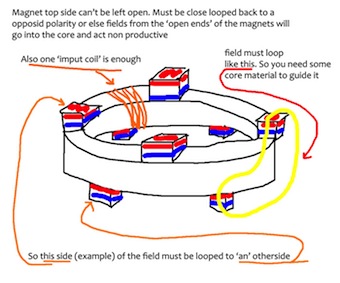
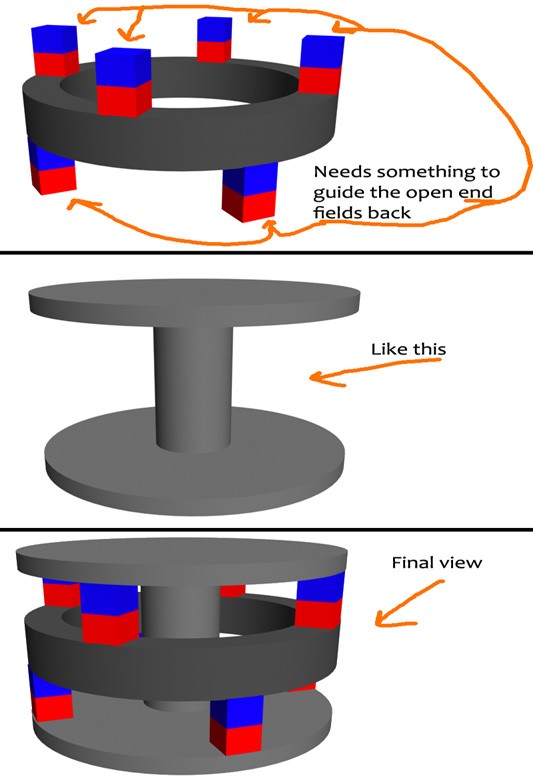
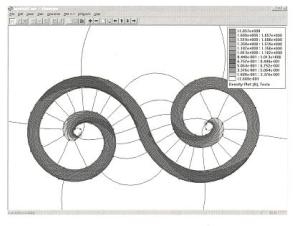
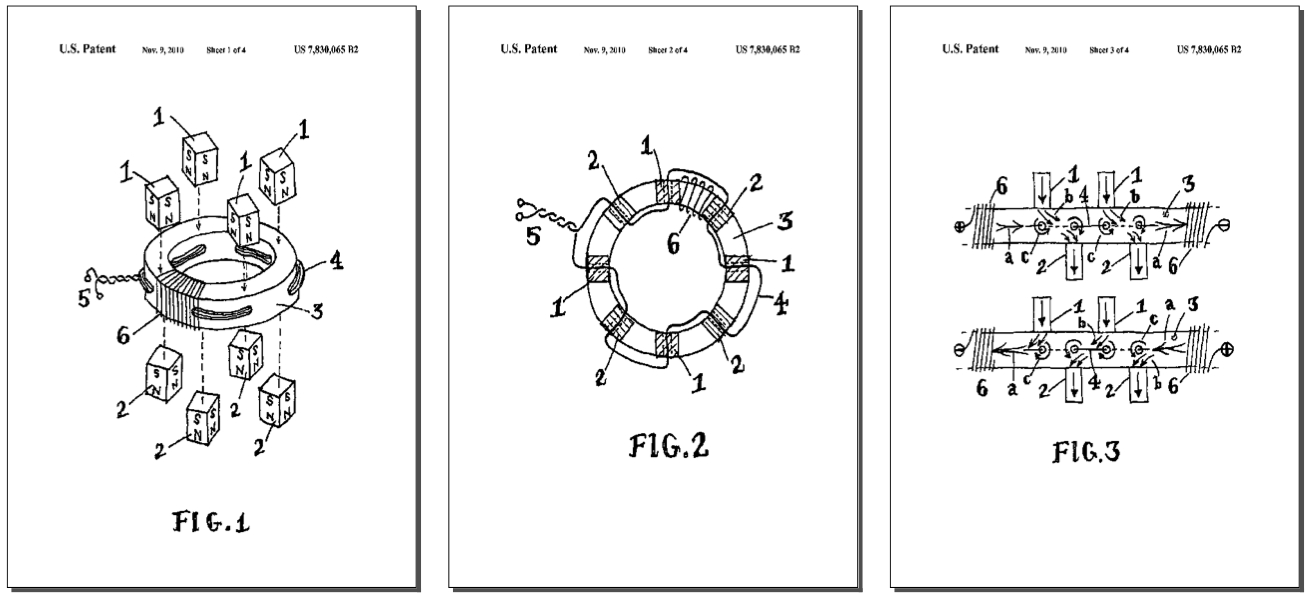
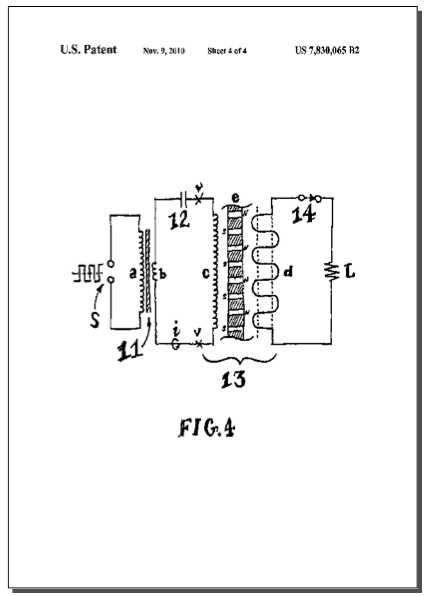
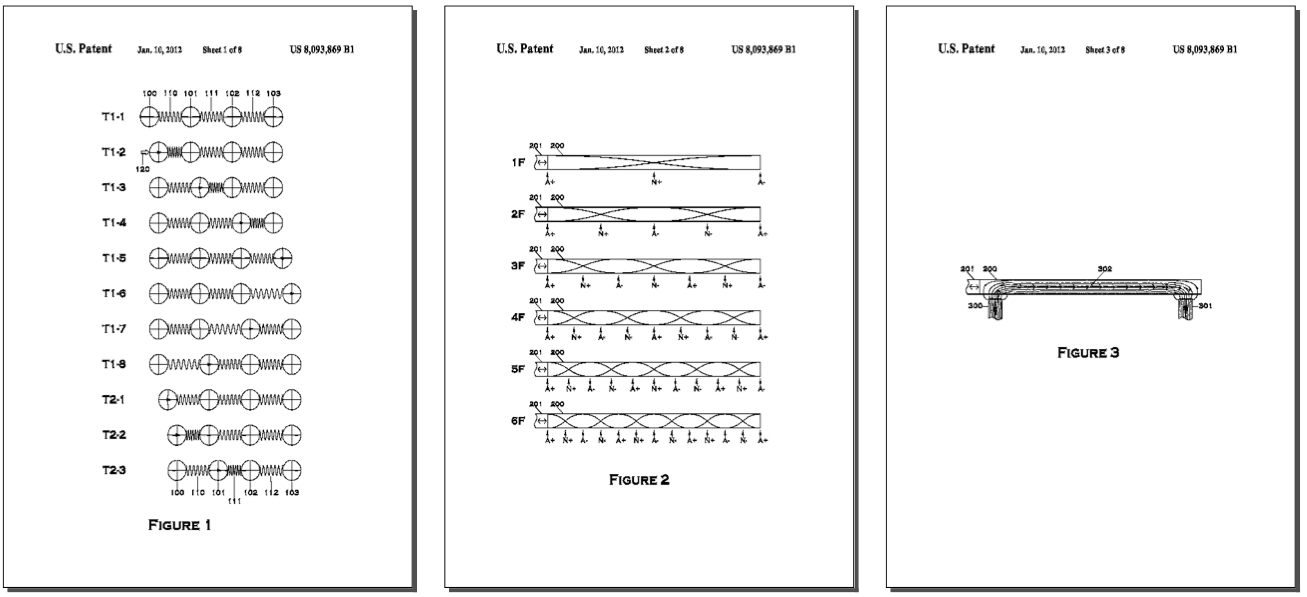
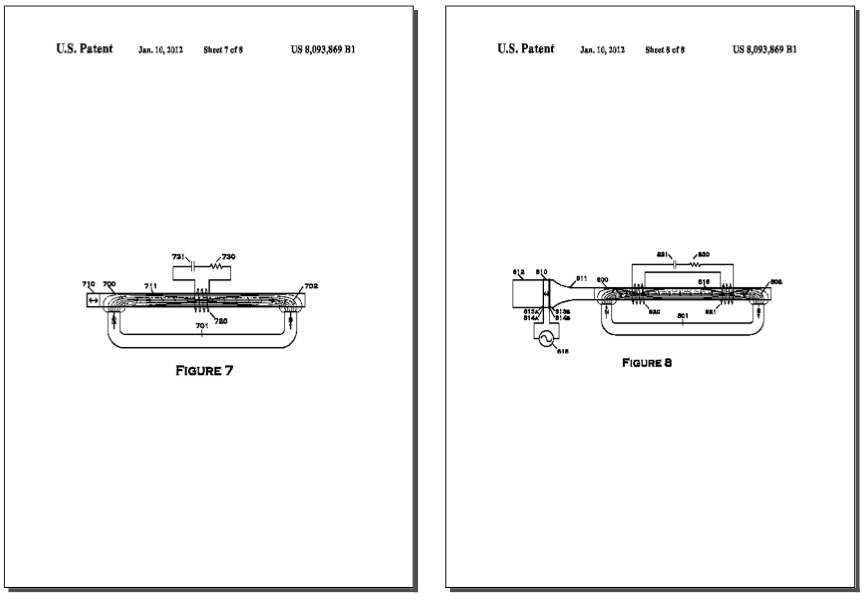
A permanent-magnet field is coupled into a magnetically soft ferromagnetic core that contains holes. An input coil drives flux flux, causing the magnetic field to appear to move (virtual motion) within the core. An output wire threaded through the holes intercepts this moving flux, inducing an electromotive force without any mechanical motion. The design claims to suppress Lenz-law braking and produce over-unity power conversion.
Detailed Description
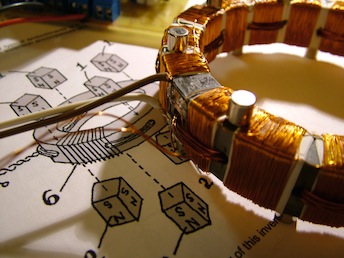
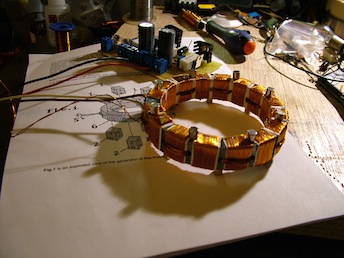
The generator consists of one or more permanent magnets (e.g., NdFeB, SmCo, ferrite) positioned inside or adjacent to a ferromagnetic core made of soft magnetic material (amorphous alloy, nanocrystalline alloy, powdered iron, silicon-iron, etc.). The core is drilled with radial holes. A primary coil (input winding) encircles the core; when an alternating voltage is applied, it modulates the magnetization of the soft core, causing the effective position of the permanent-magnet field to vibrate. A secondary wire (output winding) passes through the holes in an undulating pattern, cutting the moving flux and generating an output voltage. The device claims to synthesize magnetic motion, reduce Lenz-law braking, and achieve high conversion efficiency without any moving parts. Various embodiments allow different core shapes, hole patterns, and magnet configurations, and the output can be taken from the output wire or from a superimposed DC bias.
Principles
- Electromagnetic induction
- Lenz's law and magnetic braking mitigation
- Spin exchange in ferromagnetic atoms
- Magnetic soft vs. hard material interaction
- Virtual motion of magnetic flux
Scientific Domains
Materials
- Neodymium-Iron-Boron (NdFeB) magnets
- Samarium Cobalt magnets
- AlNiCo alloy magnets
- Barium ferrite magnets
- Soft ferromagnetic core material (amorphous metal alloy, nanocrystalline alloy, powdered iron, silicon-iron, ferrites)
- Insulated copper wire (output and input windings)
- Insulating polymers, dielectric materials (optional)
Mechanisms of Action
- Flux modulation by input coil
- Induction of EMF in output wire threading core holes
- Magnetic flux coupling between permanent magnets and soft core
- Spin exchange to redirect magnetic fields
Energy Sources
Applications
- Portable power supplies
- Aviation and automotive power systems
- Hand-held electronics
- Low-cost renewable-energy generators
Claimed Performance
Over-unity operation (output power exceeds input power) and highly efficient energy conversion without moving parts.
Experimental Evidence
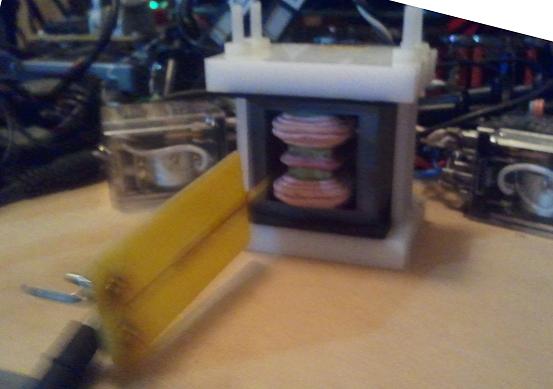
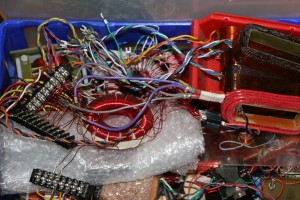
The author states that a simple over-unity transformer was demonstrated to an audience and that replication instructions were provided. No quantitative measurements, peer-reviewed data, or independent replication are reported.
Replication Status
Demonstrated to an audience; replication instructions released, but no independent verification documented.
Limitations
- No quantitative performance data provided
- Claims rely on anecdotal demonstration
- Requires specific high-performance magnetic materials
- Potential magnetic saturation and core losses not addressed
Red Flags
- Over-unity claim without peer-reviewed evidence
- Lack of independent replication
- Potential for misinterpretation of magnetic coupling effects as free energy