Goal
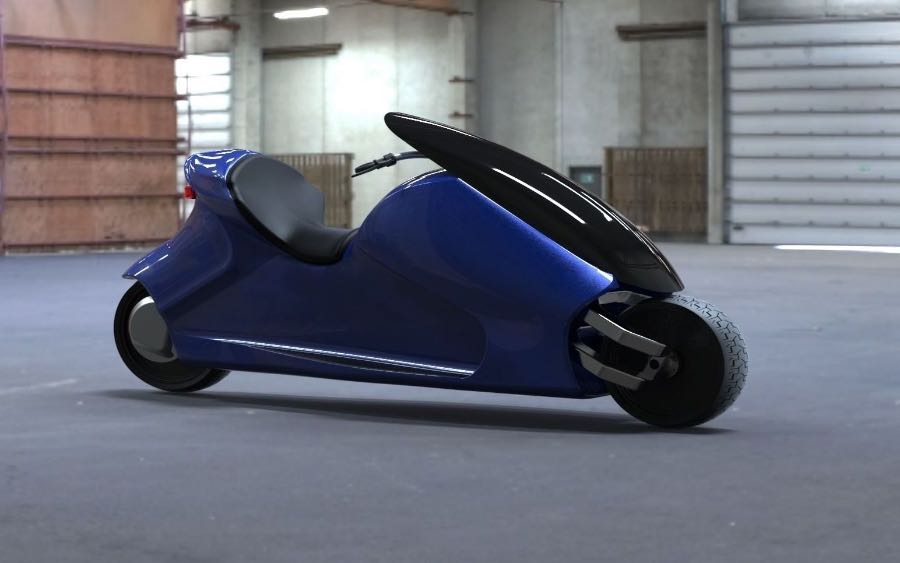
Create a two-wheeled, self-balancing vehicle that can travel safely at highway speeds while using a narrower footprint to increase road capacity and improve fuel efficiency.
Problem
Instability of two-wheel vehicles and the drag/weight penalties of conventional four-wheel cars.
Concept Summary
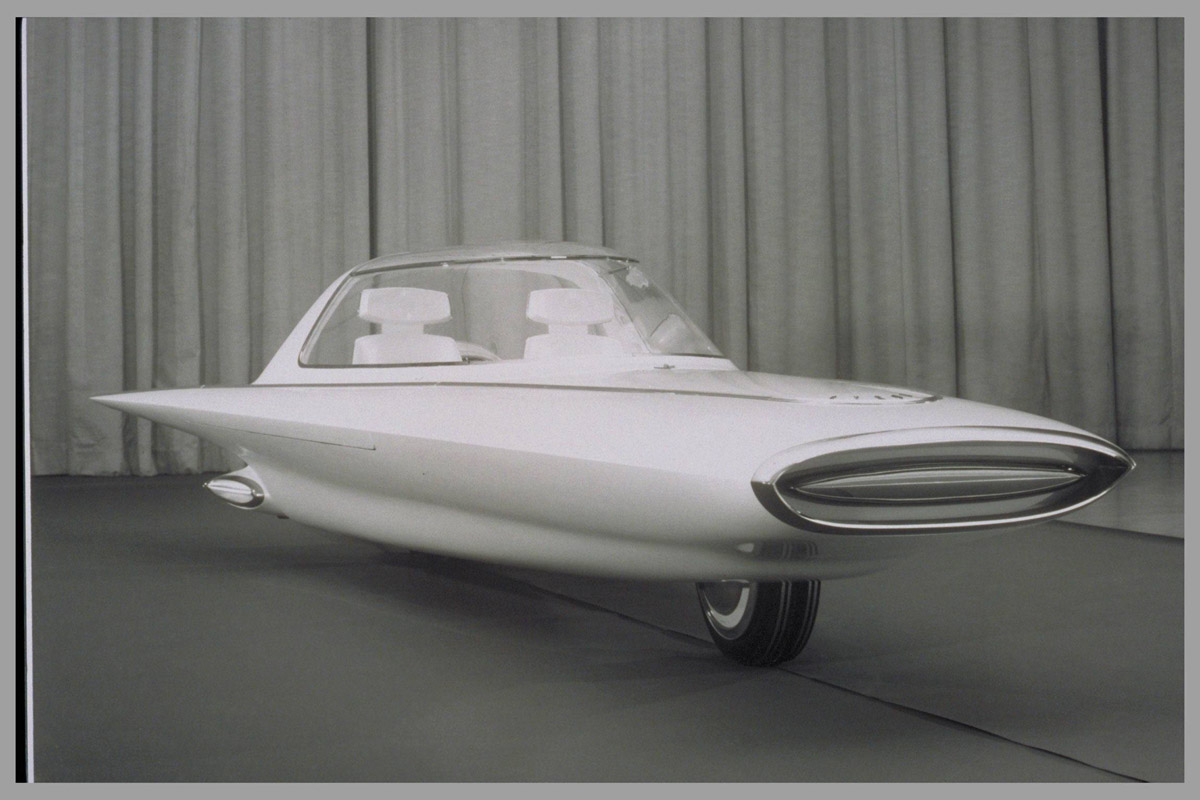
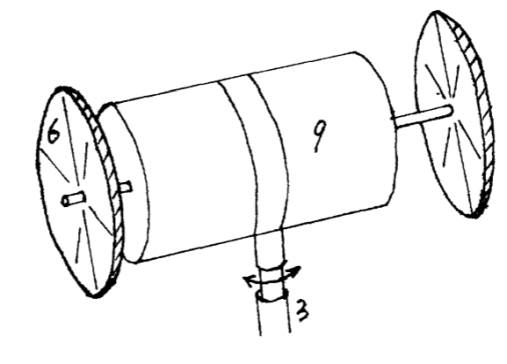
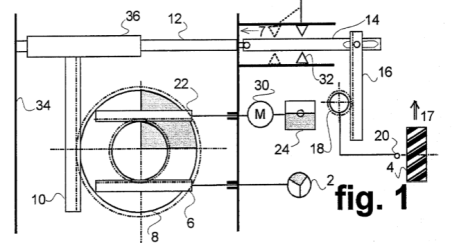
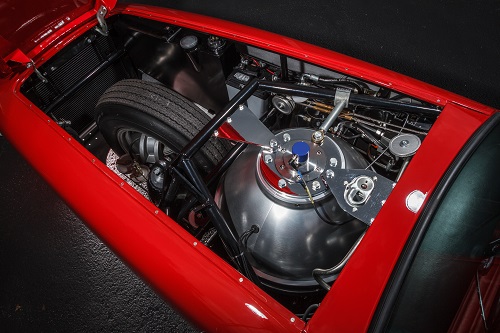
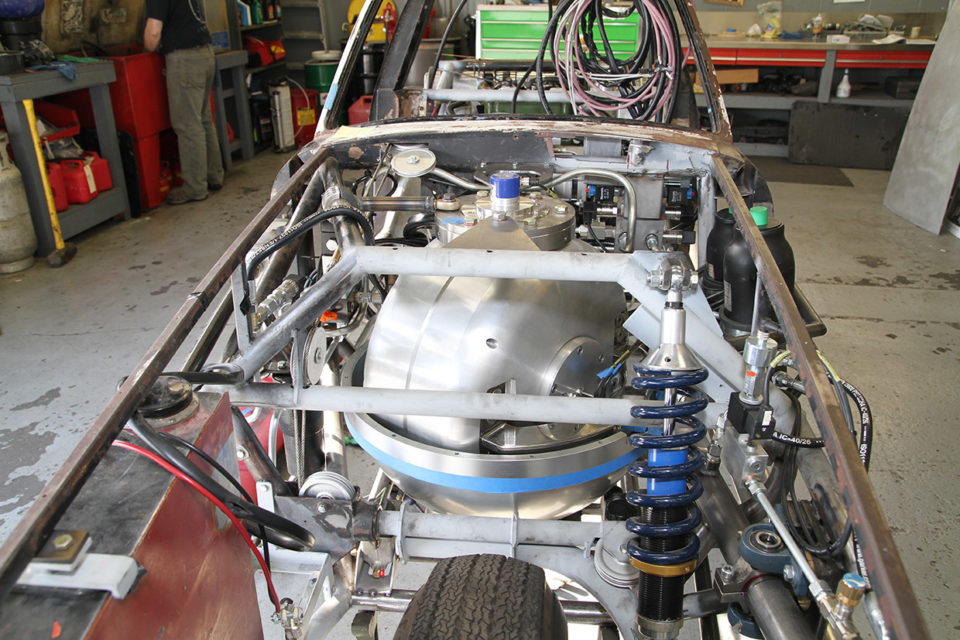
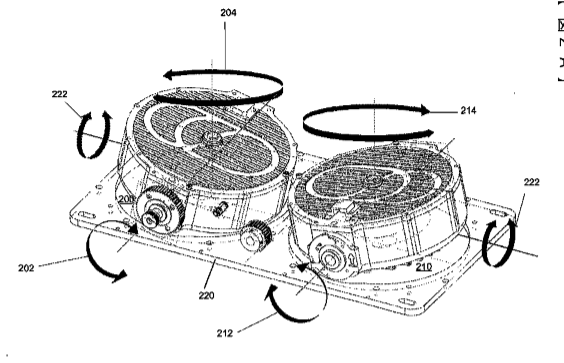
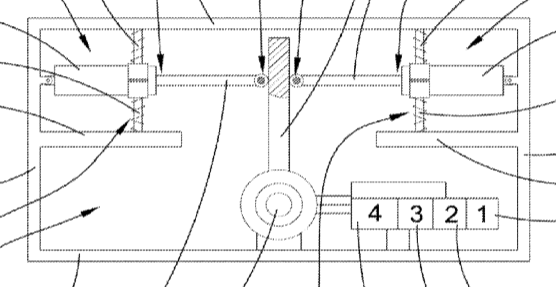
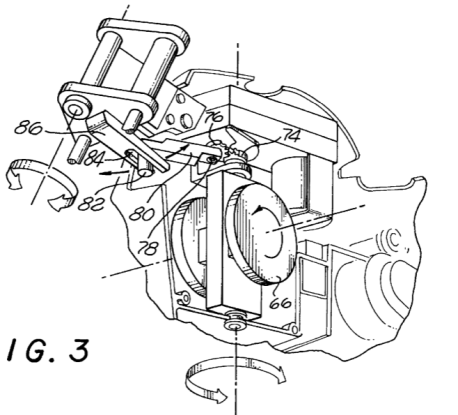
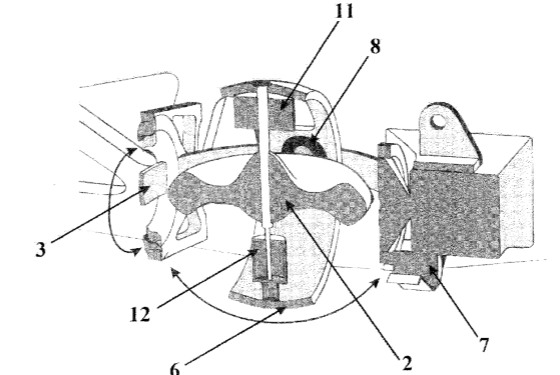
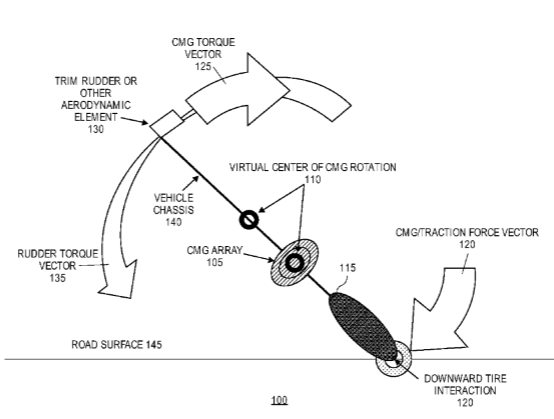
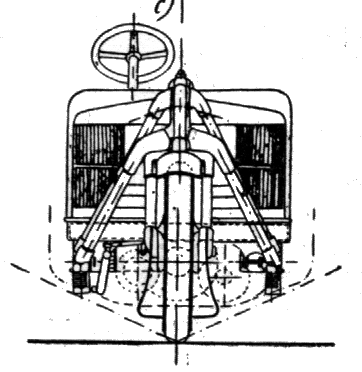
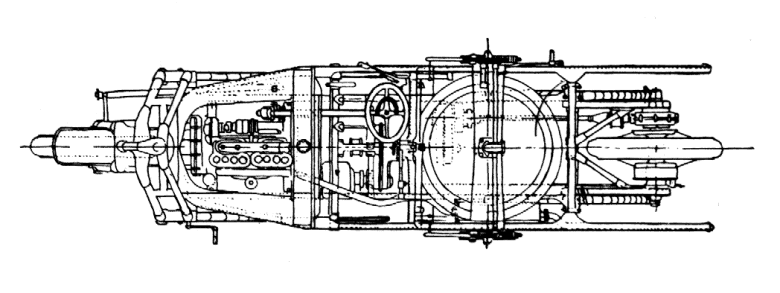
The Gyro-X uses a large, hydraulically-driven gyroscope mounted under the hood. The gyroscope's angular momentum and precession generate a stabilizing torque that keeps the vehicle upright on two wheels. A conventional 80 hp Mini Cooper-style engine provides propulsion, while a control system (sensors and software) adjusts the gyroscope speed to maintain balance during acceleration, braking, and cornering.
Detailed Description
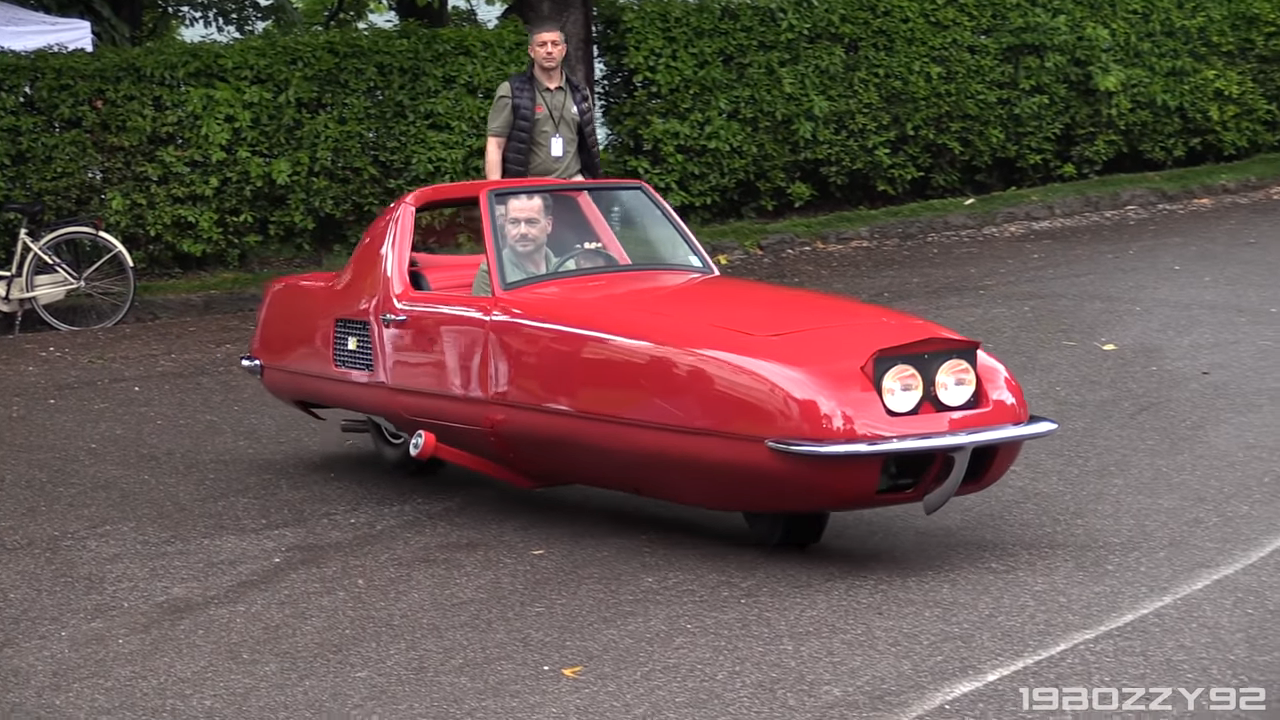
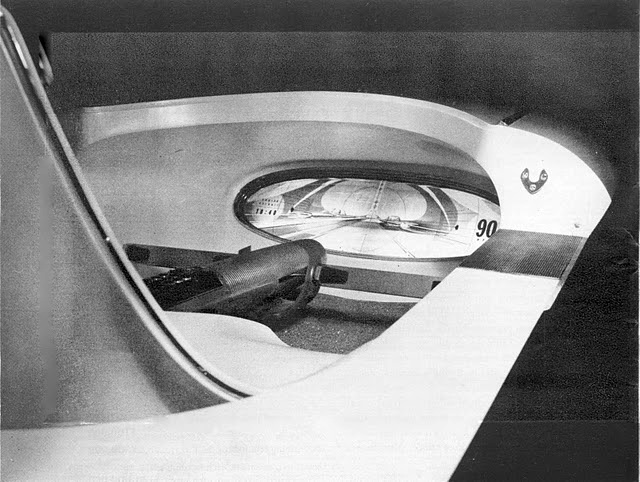
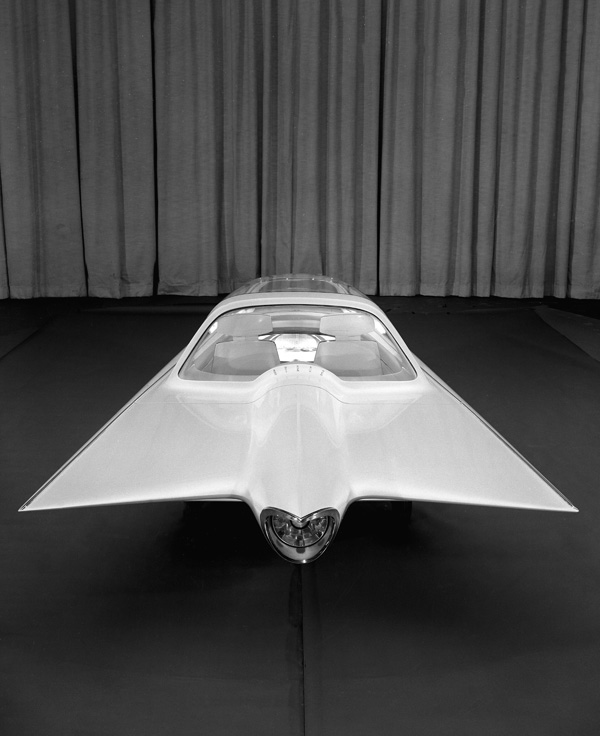
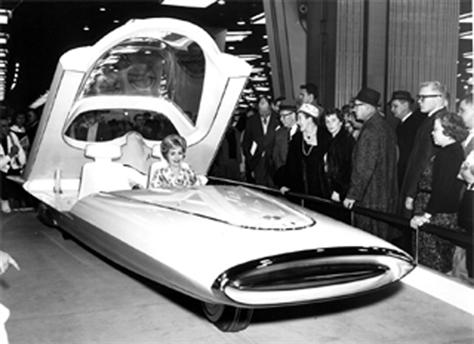
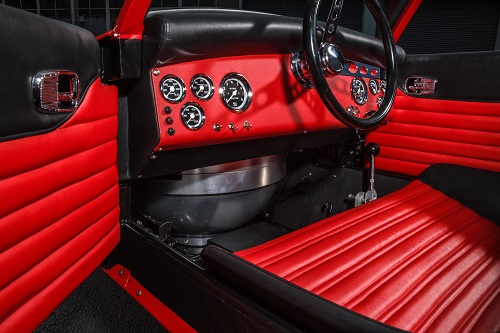
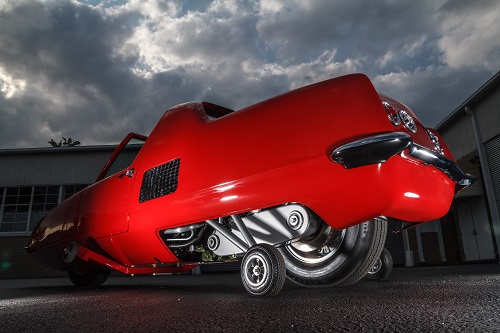
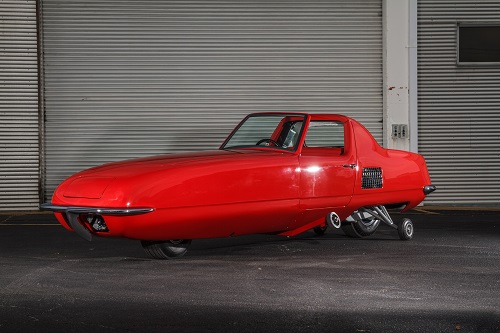
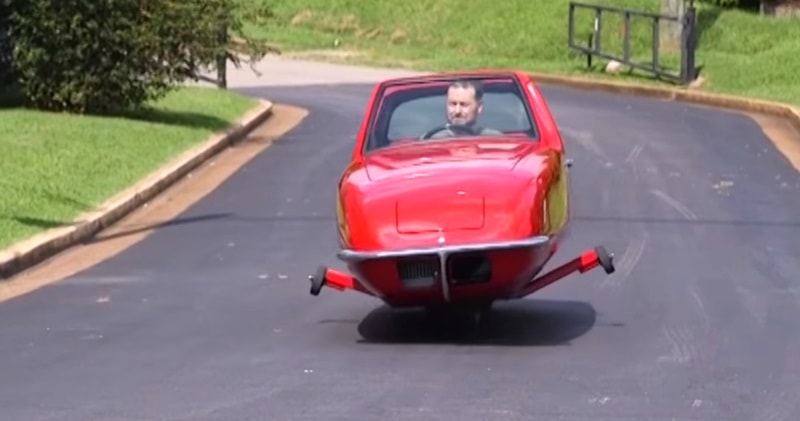
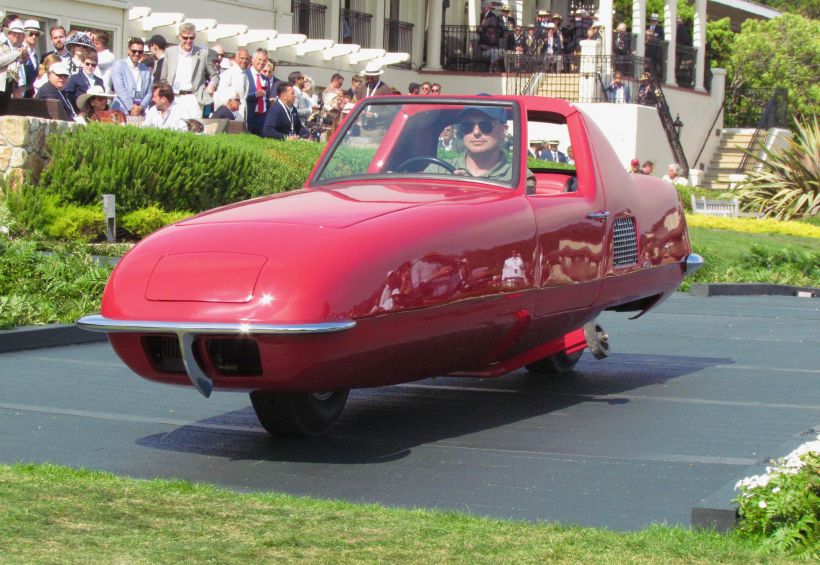
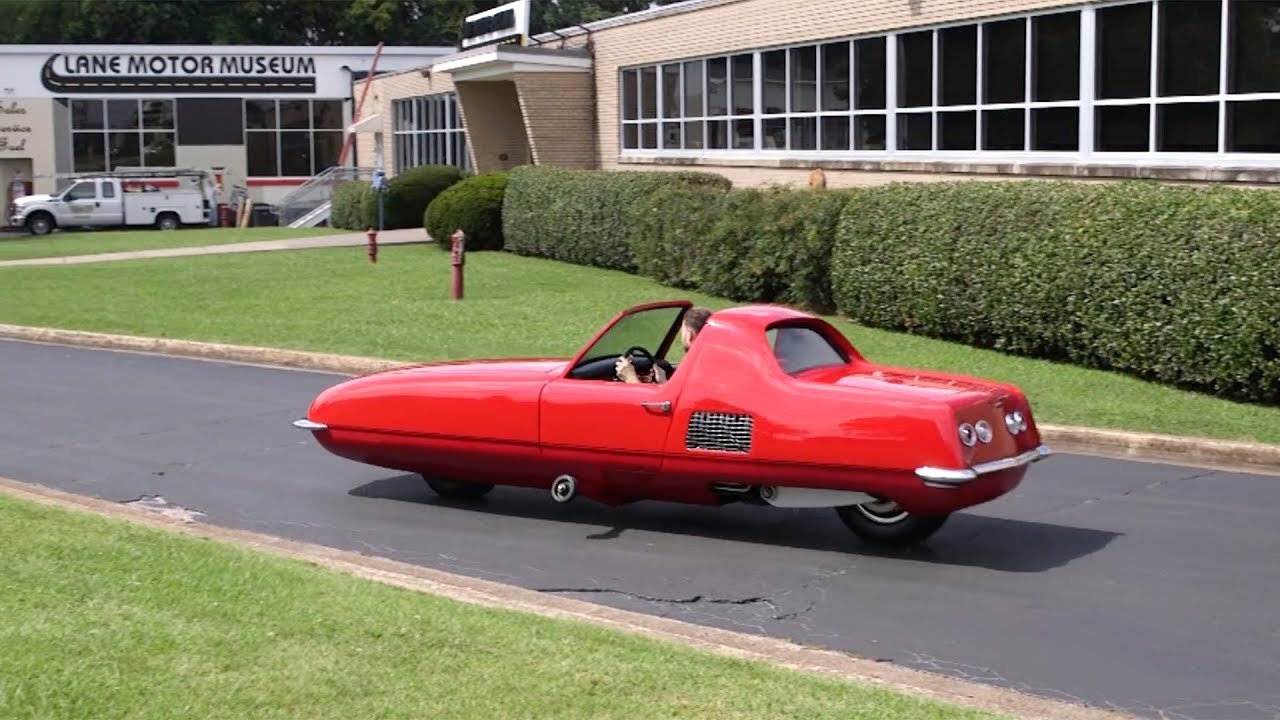
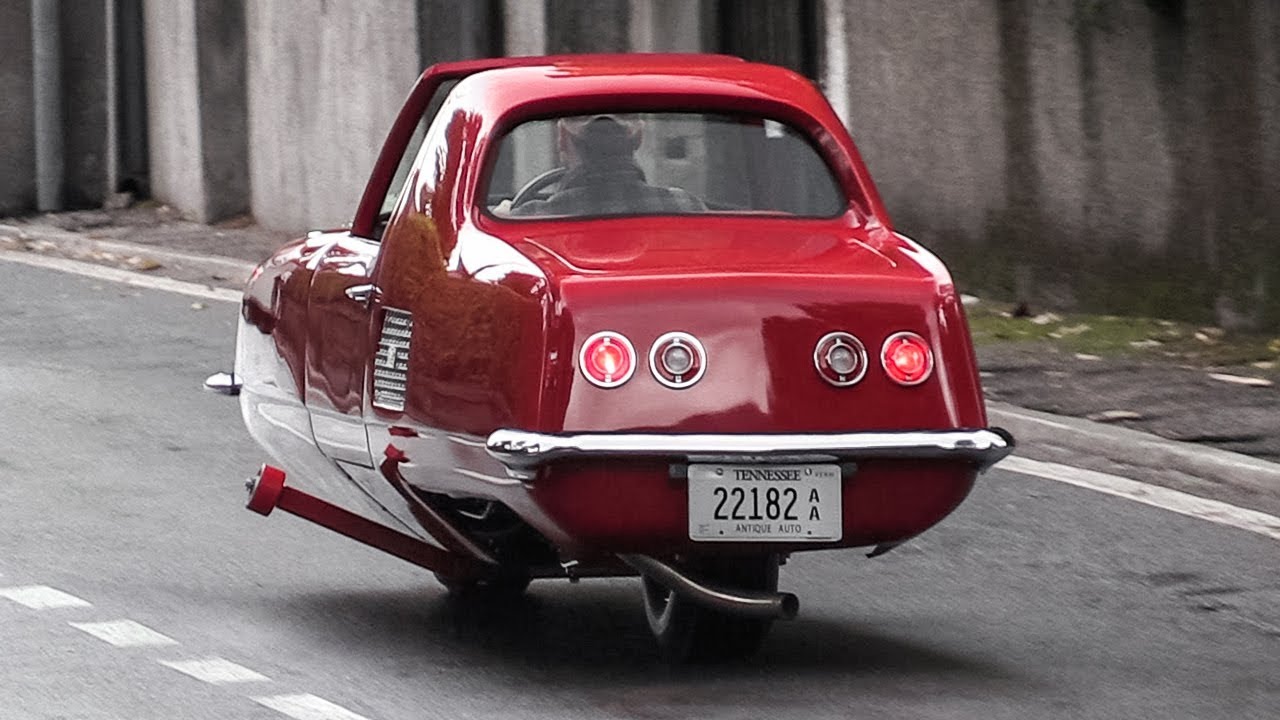
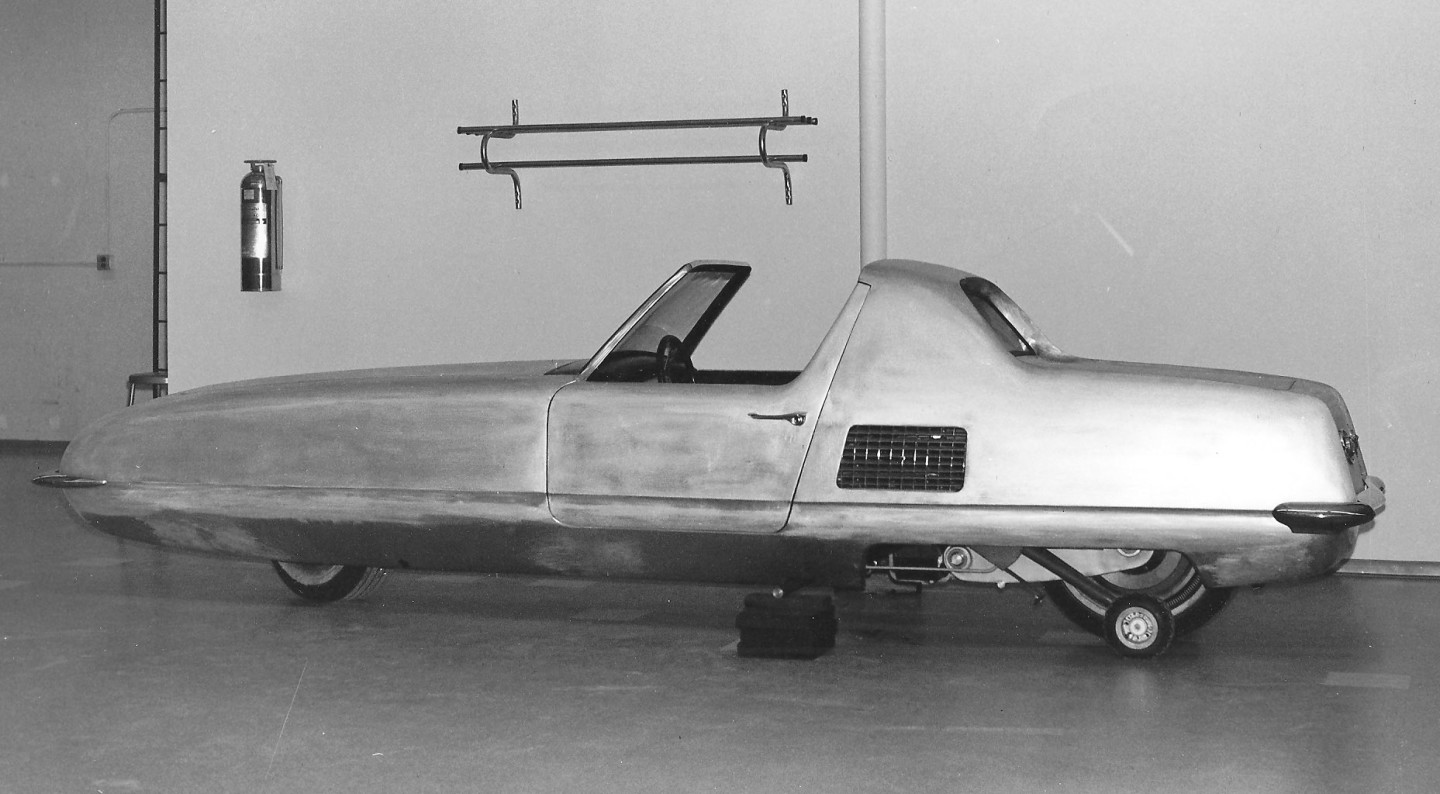
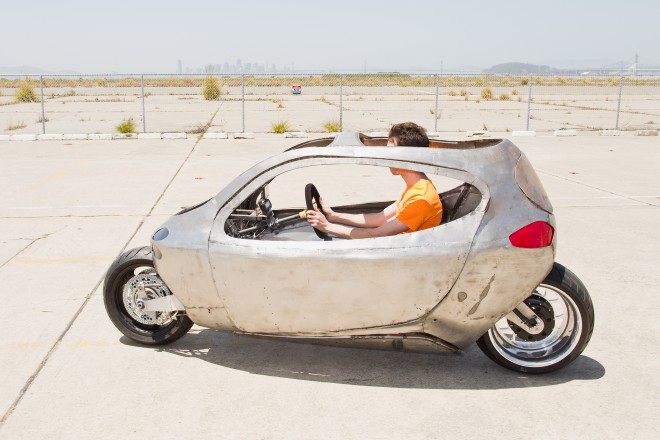
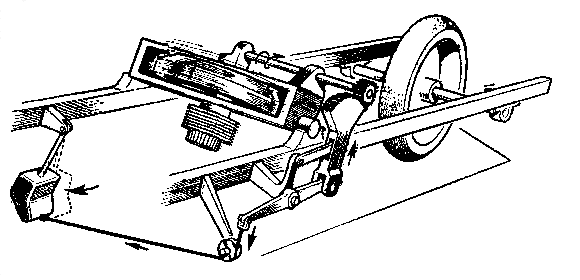
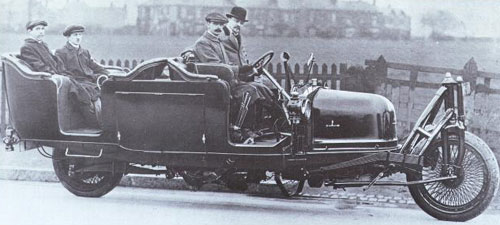
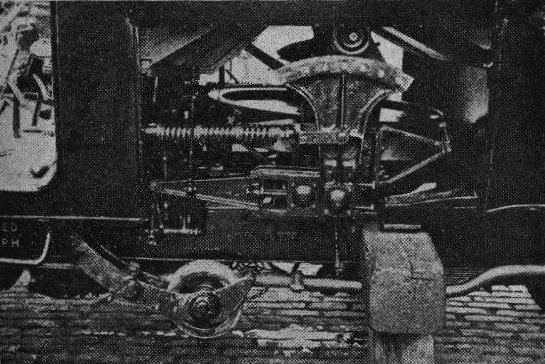
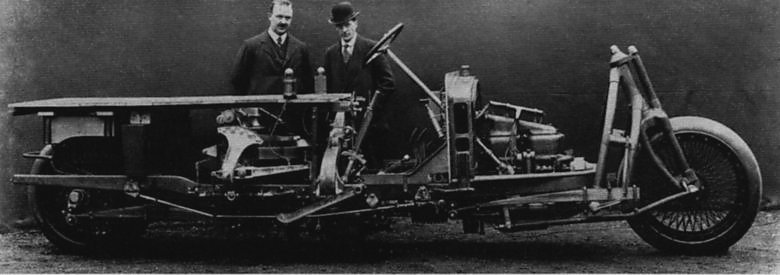
The original 1967 prototype was a 15-ft long, 42-in-wide two-wheel car with a rear-engine, rear-wheel-drive layout. A 20-inch (later 17-inch) hydraulically-driven flywheel weighing about 230 lb spins up to ~6 000 rpm, producing ~1 760 Nm of torque. The gyroscope's precession counteracts any roll moment, allowing the vehicle to negotiate 40-degree banked turns without tipping. The car is powered by a water-cooled 1 275 cc inline-four engine (~=80 hp). Training-wheel-like retractable outriggers support the vehicle while the gyroscope spins up (~=3 min). Modern restoration added a digital control system and updated materials (aluminum seat, fiberglass body). The vehicle has demonstrated low-speed stability (<25 mph) and can reach a claimed top speed of 125 mph, though high-speed stability remains limited.
Principles
- Gyroscopic precession
- Angular momentum conservation
- Hydraulic drive of flywheel
- Closed-loop electronic control
- Vehicle dynamics
Scientific Domains
Materials
- Steel (flywheel)
- Aluminum (seat, some brackets)
- Fiberglass (body panels)
- Hydraulic fluid
- Copper wiring
- Rubber (tires)
Mechanisms of Action
- Spinning flywheel creates angular momentum
- Precession torque opposes vehicle roll
- Hydraulic motor drives flywheel to desired speed
- Sensors detect tilt and adjust gyroscope speed via controller
Energy Sources
Applications
- Narrow-footprint personal transportation
- Urban traffic density reduction
- Demonstration platform for gyroscopic control
Claimed Performance
Top speed 125 mph (claimed), stable banked turns up to 40 deg , gyroscope 230 lb, 17-inch diameter, spin up to 6 000 rpm, torque 1 760 Nm; stable operation demonstrated below ~25 mph.
Experimental Evidence
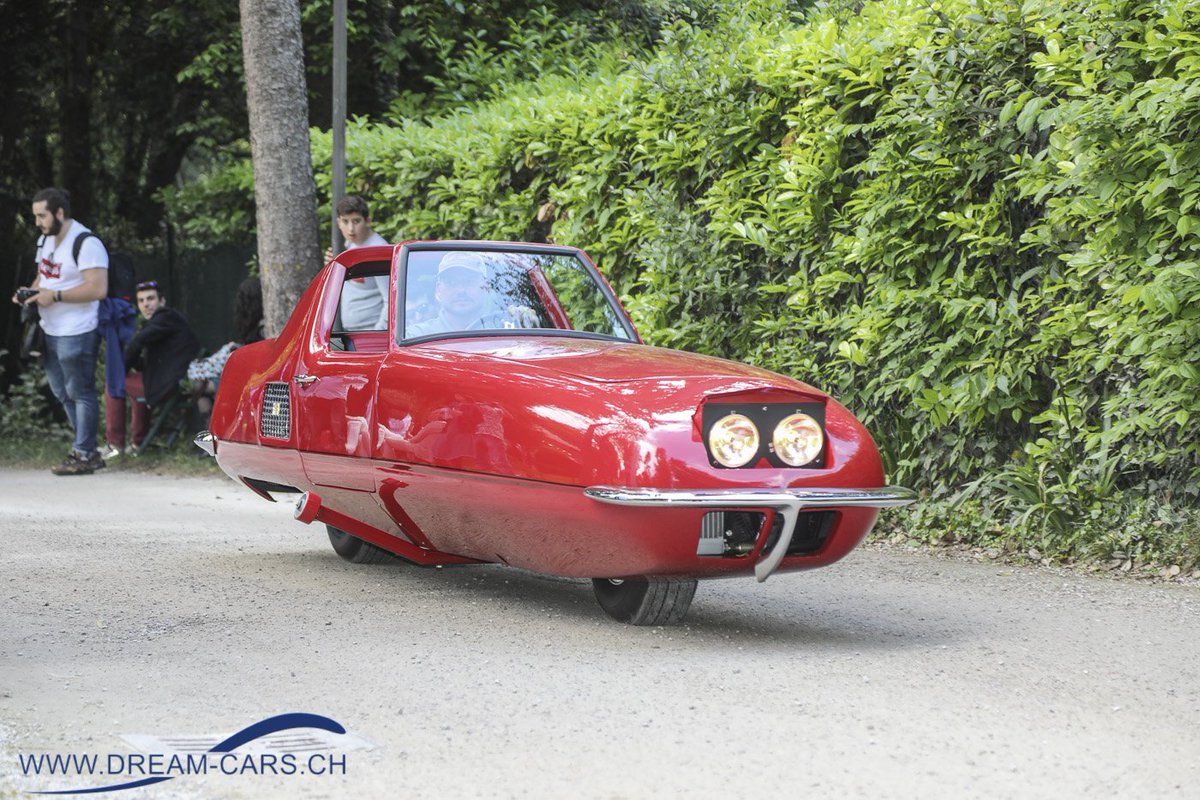
Video footage of the restored Gyro-X cruising in a parking lot and at the 2019 Pebble Beach Concours d'Eleganza; historical reports from 1967 Science & Mechanics magazine describing 125 mph claim and 40 deg turn capability; museum restoration documentation.
Replication Status
Prototype restored and demonstrated; no independent commercial production or third-party replication reported.
Limitations
- Heavy gyroscope adds mass and occupies space
- Limited high-speed stability (unstable >70 mph)
- Long spin-up time (~3 min) before vehicle can move
- Complex hydraulic and control system
- High restoration cost (~$500 k)