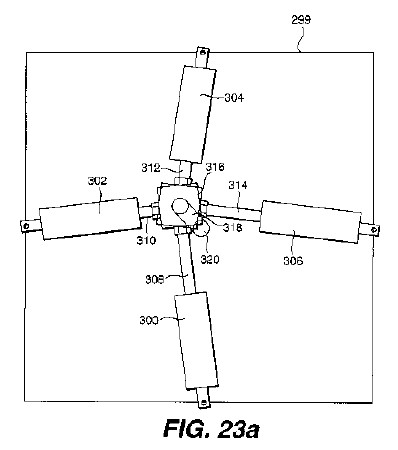
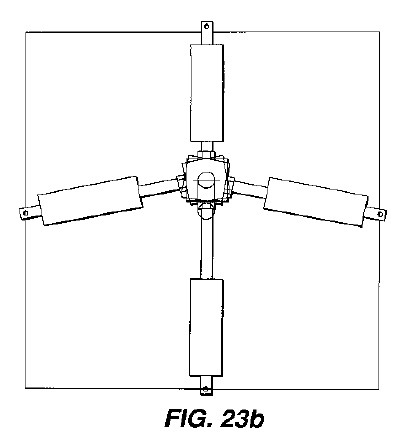
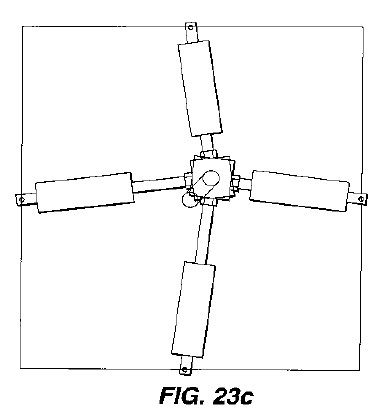
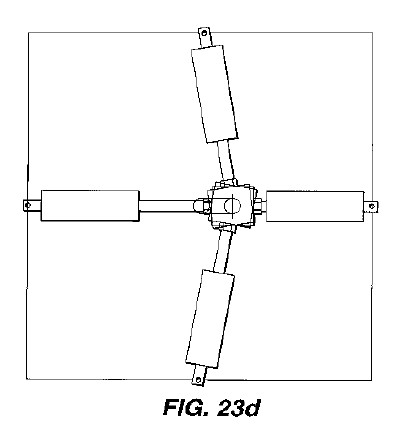
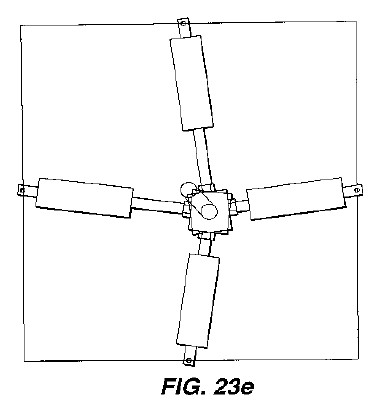
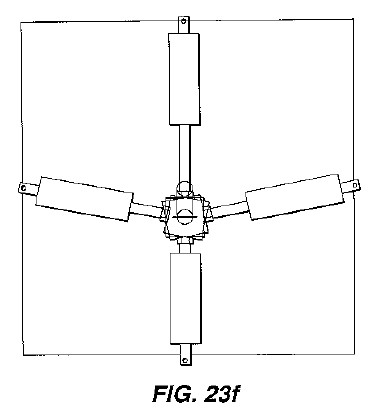
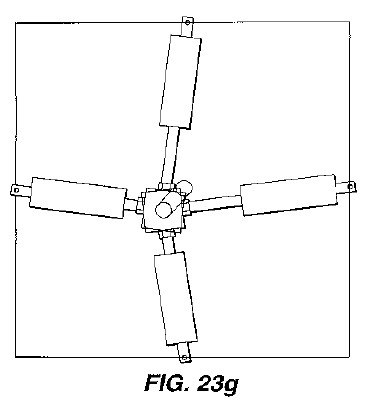
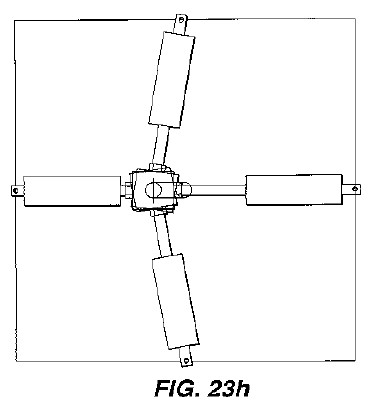
Goal
Generate mechanical power from low-grade heat without combustion, providing a low-cost, silent, emission-free energy source.
Problem
Need for affordable, low-emission power generation using waste heat, solar thermal, geothermal or other low-temperature heat sources.
Concept Summary
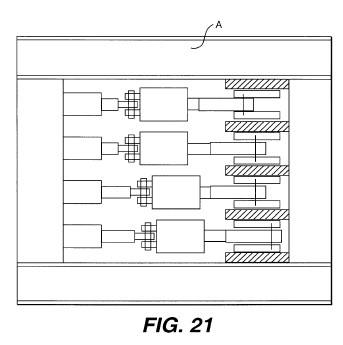
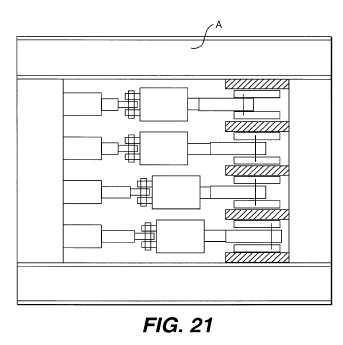
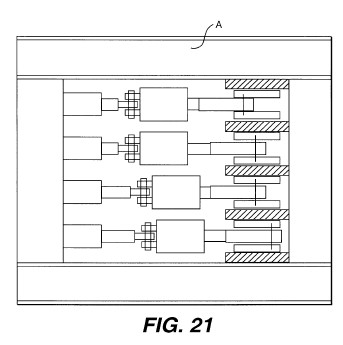
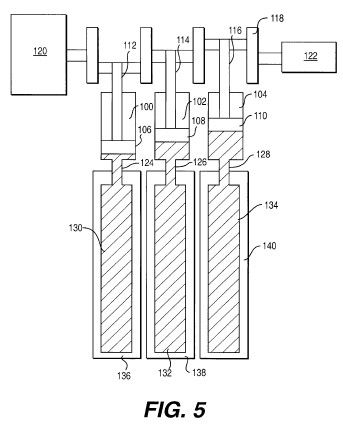
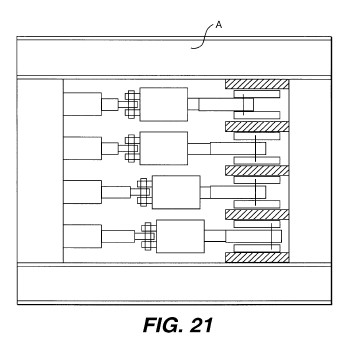
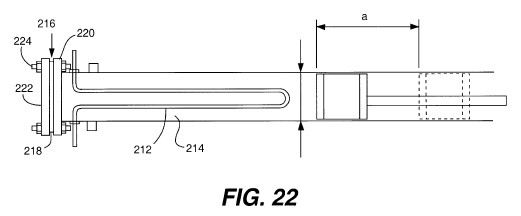
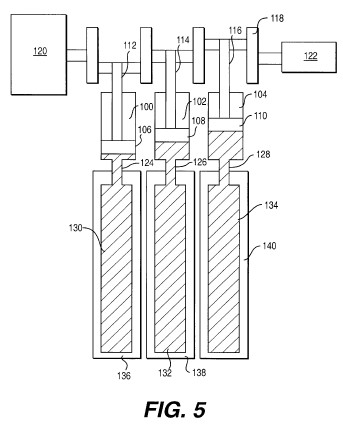
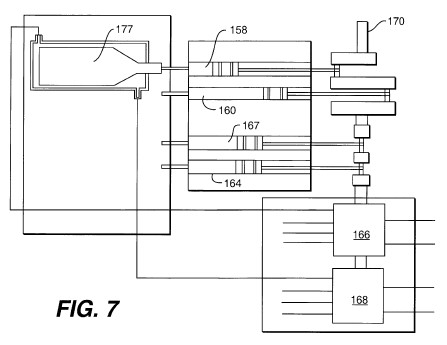
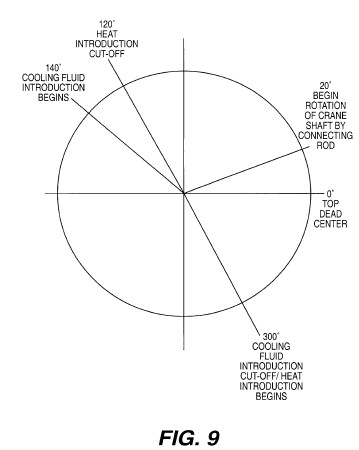
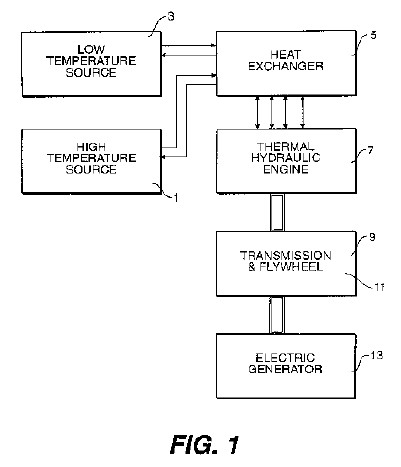
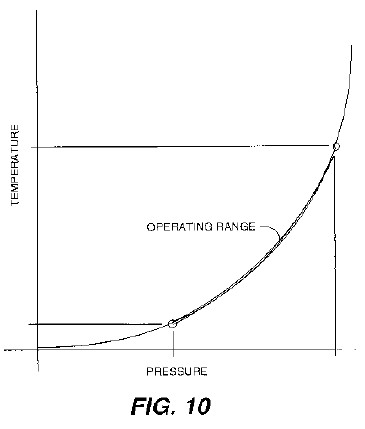
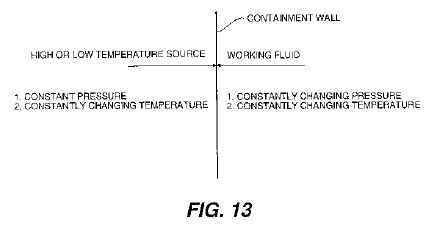
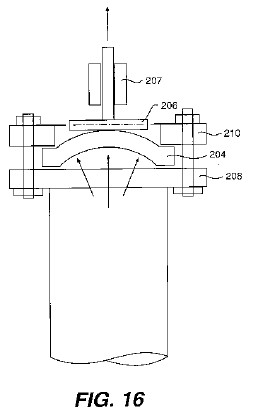
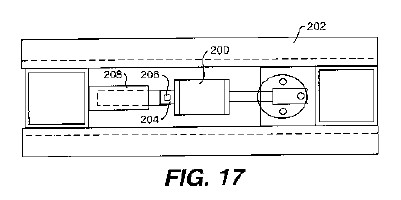
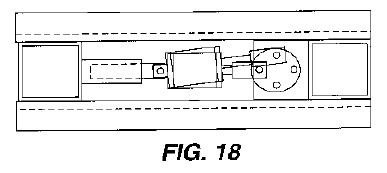
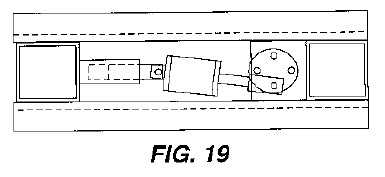
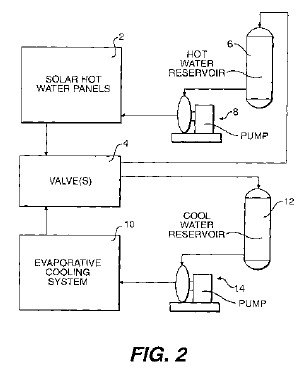
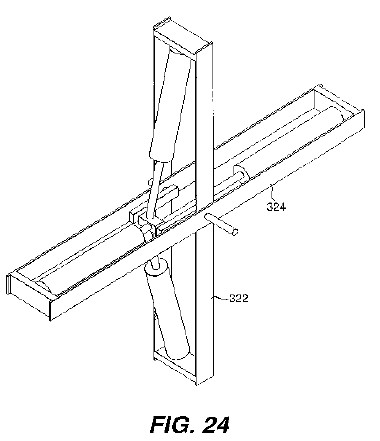
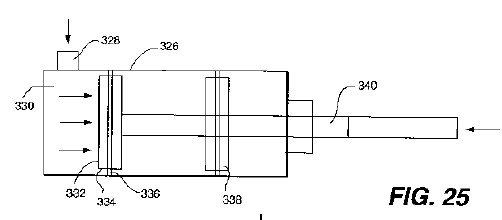
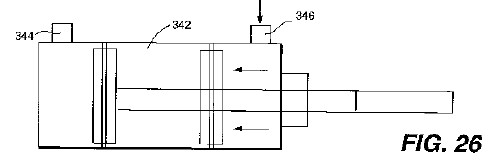
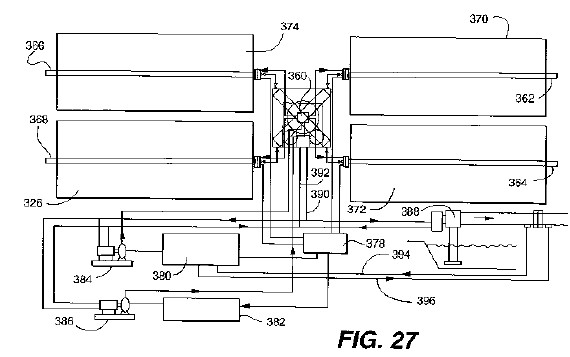
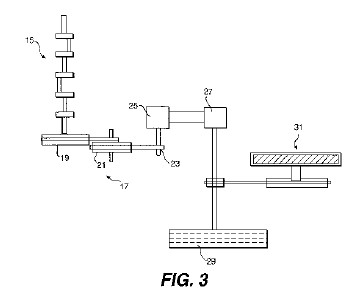
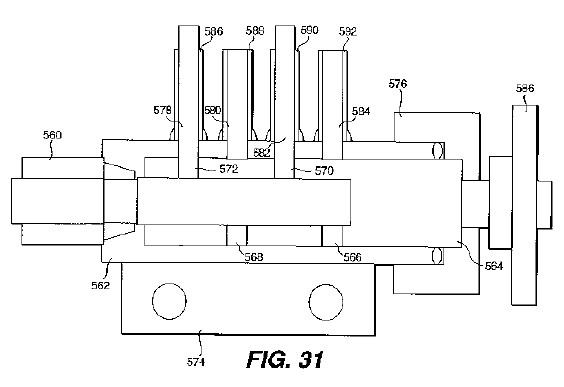
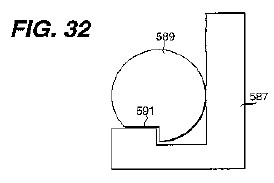
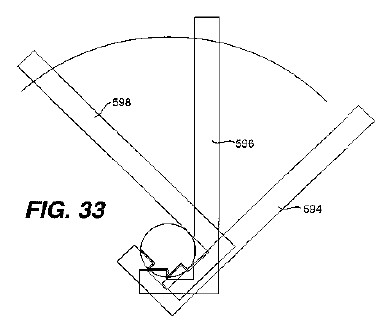
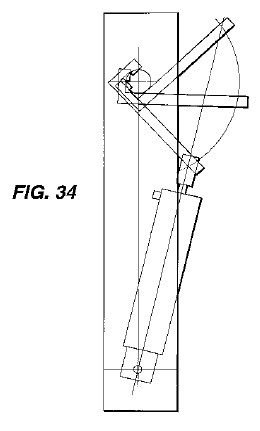
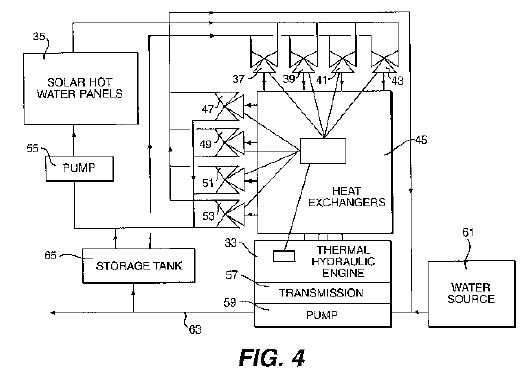
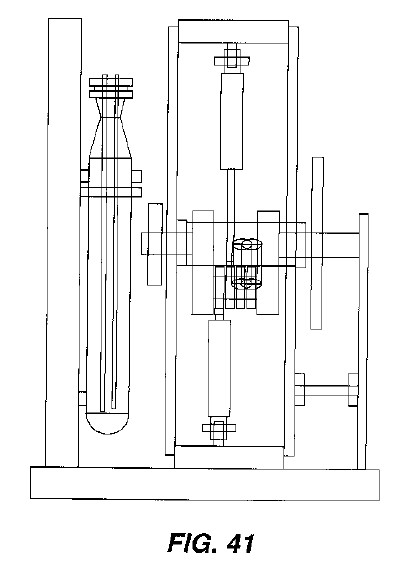
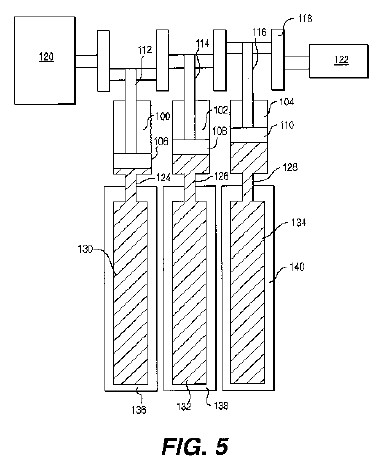
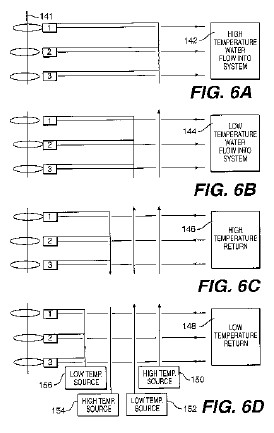
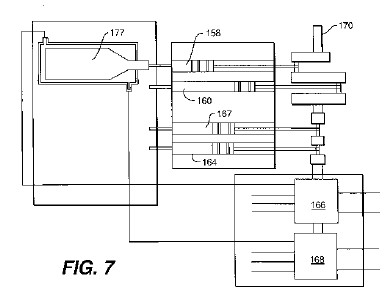
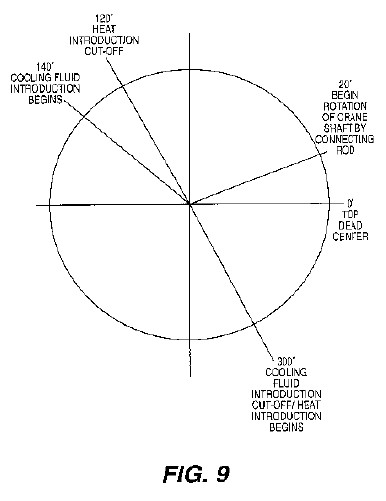
The Natural Energy Engine is a thermal hydraulic system that transfers heat from a hot fluid (water) to a working fluid (liquefied CO_2). Heating the CO_2 causes it to expand, pushing a piston and creating hydraulic pressure. Subsequent cooling contracts the fluid, returning the piston for the next stroke. The cycle converts temperature differentials (~100 deg F) into continuous mechanical work.
Principles
- Thermal expansion of fluids
- Heat transfer via heat exchangers
- Hydraulic pressure generation
- Piston-driven mechanical work
Scientific Domains
Materials
- Water
- Liquefied CO_2
- Nitrogen (pneumatic spring)
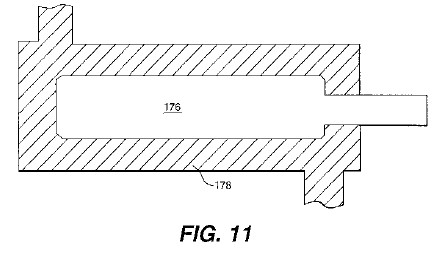
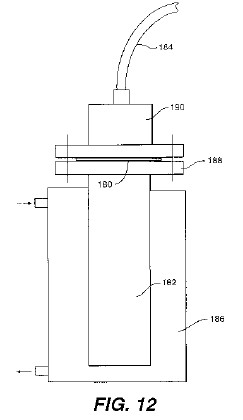
- Metal cylinder and piston
Mechanisms of Action
- Heat addition to working fluid causes expansion
- Expanded fluid pushes piston, producing hydraulic pressure
- Cooling removes heat, causing fluid contraction and piston return
- Hydraulic pressure drives a shaft or pump
Energy Sources
Applications
- Power generation for remote/off-grid sites
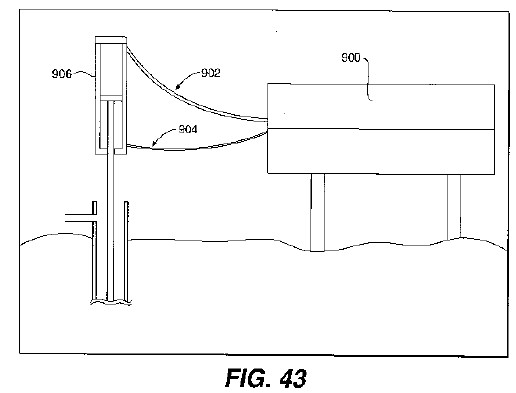
- Oil pumping
- Water pumping
- Heat recovery from industrial waste streams
Claimed Performance
Engine can be priced at 60-85 % of comparable power systems, operates silently with no emissions, and provides high efficiency using temperature differentials of ~100 deg F; field testing exceeded reliability and cost expectations.
Experimental Evidence
Long-term field testing (>100,000 hours) in Kansas fields; prototype pumped crude oil at the U.S. DOE Rocky Mountain Oil Testing Center using geothermal heat as the sole energy source.
Replication Status
Multiple piston-engine prototypes have been built and operated; long-term field testing completed successfully.
Limitations
- Requires a heat source and a cooling water sink
- Performance depends on temperature differential (~100 deg F)
- Efficiency data not independently verified
Red Flags
- Lack of peer-reviewed publications
- Claims of cost advantage without detailed economic analysis
- Reliance on proprietary design details not disclosed publicly