Goal
Convert sunlight directly into steam for off-grid water purification, distillation and sterilization.
Problem
Lack of electricity or fuel for conventional steam generation in remote or developing-world settings.
Concept Summary
Nanoparticles (gold-coated silica or carbon beads) are dispersed in water and illuminated with concentrated sunlight. Their sub-wavelength size enables near-complete absorption of light, heating the particles to temperatures that instantly vaporize the surrounding water, producing steam with high conversion efficiency.
Detailed Description
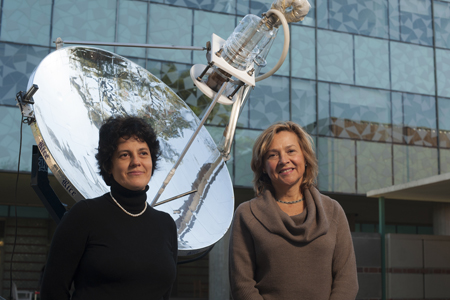
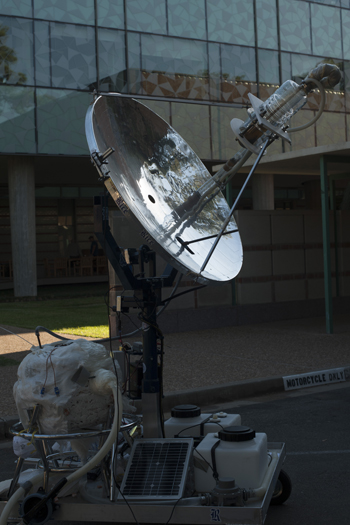
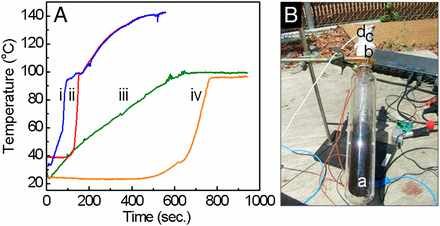
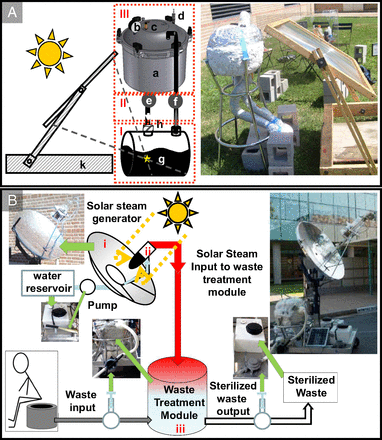
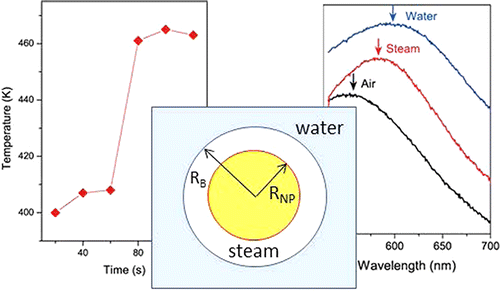
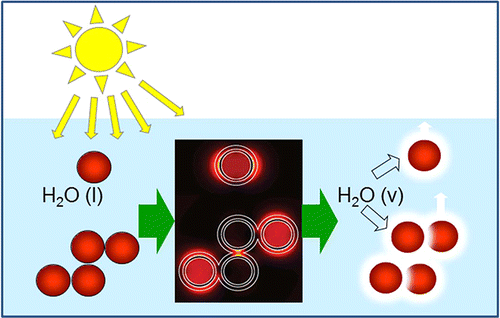
In the Rice University experiments, a small amount of nanoparticles is mixed into water inside a glass vessel. Sunlight is focused on the mixture with a lens, causing each particle to become hot enough to vaporize a thin water layer and form a steam bubble. The bubble insulates the particle, allowing further heating and rapid bubble growth. Bubbles rise, coalesce, and release steam into the air. The process repeats continuously, achieving ~80 % of absorbed light energy converted to steam and an overall system efficiency of ~24 %. The technology has been demonstrated for desalination, alcohol distillation (99 % purity), and sterilization of medical instruments and human waste.
Principles
- Photothermal conversion
- Localized plasmonic heating
- Nanoparticle light absorption
- Bubble nucleation and growth
Scientific Domains
Materials
- Gold-coated silica (SiO_2) beads
- Carbon nanoparticles
- Water
Mechanisms of Action
- Sunlight absorption by sub-wavelength nanoparticles
- Rapid conversion of photon energy to heat
- Localized vaporization of water around heated particle
- Steam bubble formation and release
Energy Sources
Applications
- Water desalination
- Alcohol distillation
- Medical instrument sterilization
- Human waste treatment
- Off-grid power for remote communities
Claimed Performance
~=80 % of absorbed light energy becomes steam; overall device efficiency ~=24 % (vs. ~15 % for typical PV panels). 99 % alcohol purity achievable in distillation.
Experimental Evidence
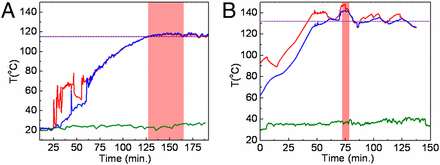
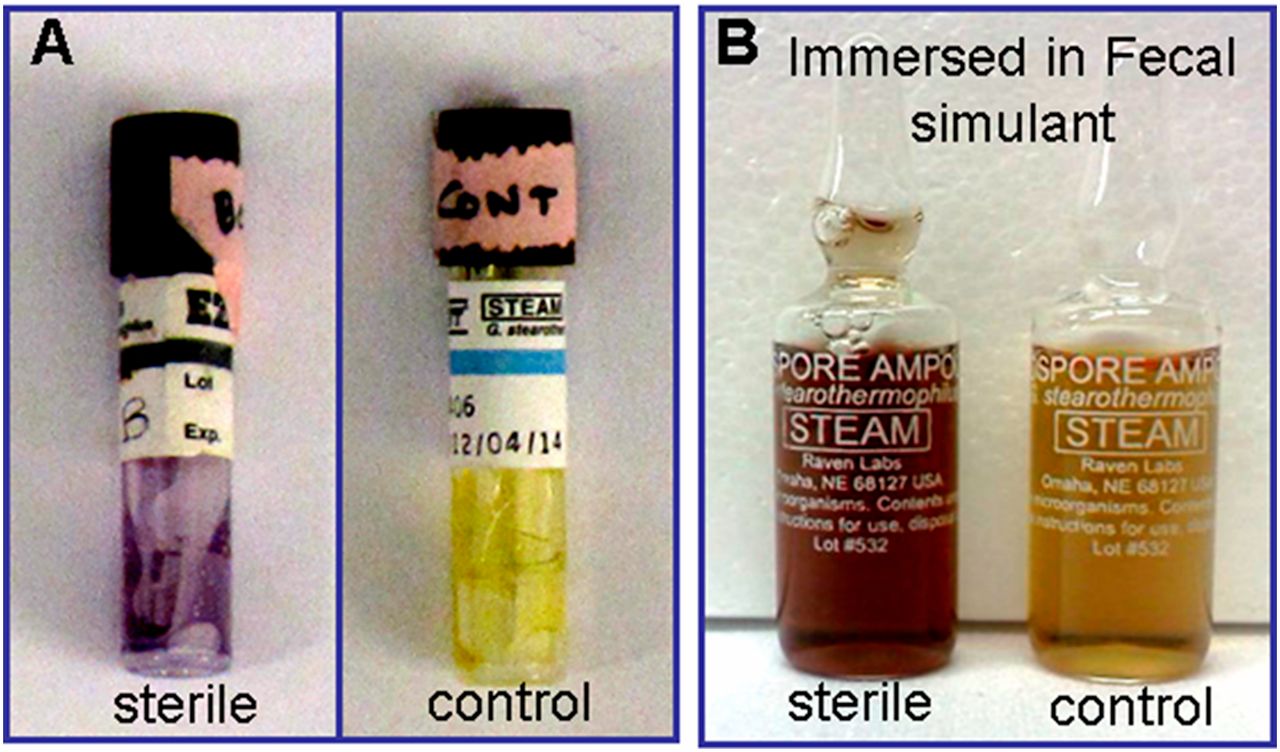
Laboratory demonstration at Rice University; field demonstration in Seattle; autoclave tests showing complete sterilization of microbes and spores; reported in ACS Nano and PNAS.
Replication Status
Demonstrated in laboratory and limited field tests; scaling to industrial size not yet proven.
Limitations
- Scalability to industrial-scale steam generation not yet demonstrated
- Potential fouling of nanoparticles by solids in water
- Cost and recovery of nanoparticles for long-term operation