Goal
To treat and eliminate halitosis (bad breath) using herbal formulations
Problem
Halitosis caused by stomach yin loss, lung yin loss, blood and essence damage, spleen deficiency, qi stagnation, liver and gallbladder deficiency-fire, and related oral inflammation
Concept Summary
A series of Chinese herbal formulations-powders, tablets, toothpaste, buccal tablets, and beverages-combine multiple medicinal herbs (e.g., agastache rugosa, licorice root, honeysuckle, hawthorn, etc.) to provide heat-clearing, detoxifying, antibacterial, and anti-inflammatory effects that neutralize oral malodor and treat underlying systemic imbalances.
Detailed Description
The article lists several patents (CN105497676, CN104940086, CN104706965, CN104547379, CN104510967, CN104306818, KR20100080295, KR20000066777, CN101152482, CN101152437, CN1146335) that describe herbal compositions for halitosis. Ingredients are measured by weight or parts and include a wide range of plants, minerals, and excipients. Preparation methods involve decoction, extraction (often with water or supercritical CO_2), concentration, mixing with carriers (sorbitol, silica, starch, etc.), and final shaping into toothpaste, tablets, or powders. The claimed therapeutic actions are heat clearing, detoxification, antibacterial activity, inflammation reduction, and breath freshening. Some patents mention clinical verification and "excellent relief" of infantile halitosis.
Principles
- Traditional Chinese Medicine (TCM) synergistic herb blending
- Heat-clearing and detoxification
- Antibacterial and anti-inflammatory action
- Odor neutralization
Scientific Domains
Materials
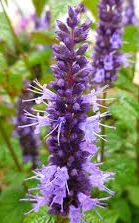
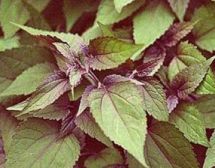
- agastache rugosa
- gypsum
- eupatorium fortunei
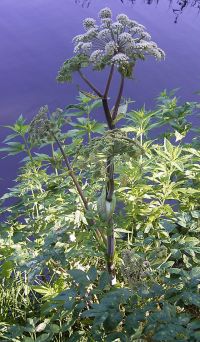
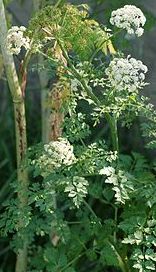
- angelica dahurica
- malt
- honeysuckle
- hawthorn
- licorice root
- sorbitol
- carboxymethyl cellulose
- saccharin
- propylene glycol
- sodium lauryl sulfate
- silica (MIC-type)
- silica (H-type)
- diazolidinylurea
- deionized water
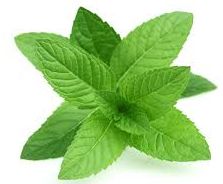
- mint herbs
- lotus leaves
- bamboo salt
- burnt alum
- rosin
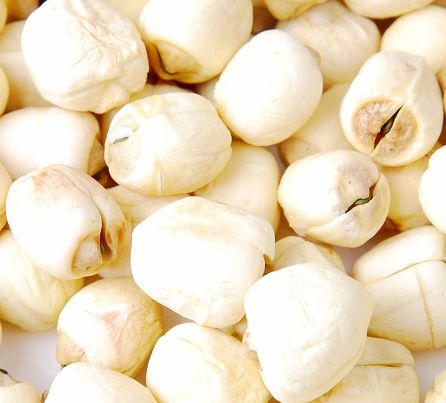
- nelumbinis Semen
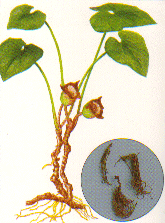
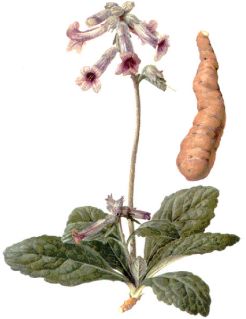
- asiasari Radix
- cimicifugae Rhizoma
- angelicae dahuricae Radix
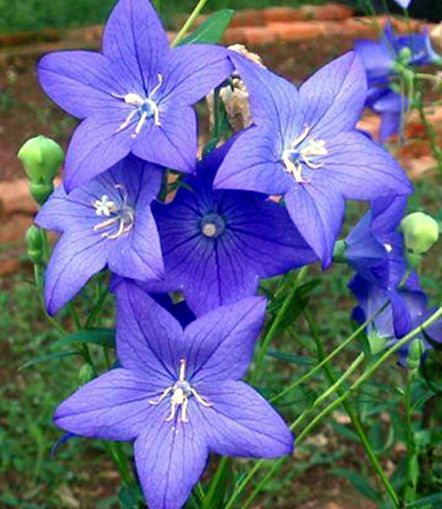
- Platicodi Radix
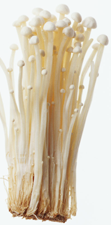
- Flammulina velutipes
- various other herbs listed in each patent
Mechanisms of Action
- Antibacterial activity against oral microbes
- Anti-inflammatory effects on oral mucosa
- Neutralization of volatile sulfur compounds
- Systemic heat-clearing and yin-tonifying effects
Applications
- Halitosis treatment
- Oral hygiene
- Dental care
- Infant oral health
Claimed Performance
Significant treatment effects for halitosis, remarkable antibacterial and anti-inflammatory action, freshened breath, and excellent relief in clinical verification for infantile halitosis.
Experimental Evidence
The patents claim clinical verification and "excellent relief" of infantile halitosis, and comparative superiority over traditional Chinese herbal toothpaste, but no quantitative data or independent studies are provided.
Replication Status
No explicit statements of commercial scaling or independent replication are present in the text.
Limitations
- Lack of peer-reviewed clinical data
- Variability of herbal composition
- Potential for allergic reactions to certain herbs
- No standardized dosage information
Red Flags
- Claims of "significant treatment effects" without quantitative evidence
- No independent verification or clinical trial data presented
- Potential regulatory issues for herbal oral care products