Goal
Improve fluid flow efficiency by reducing turbulence and friction through vortex-inspired geometry.
Problem
Conventional nozzles, diffusers and venturis suffer from turbulence, frictional losses and cavitation, leading to reduced efficiency and higher pressure drop.
Concept Summary
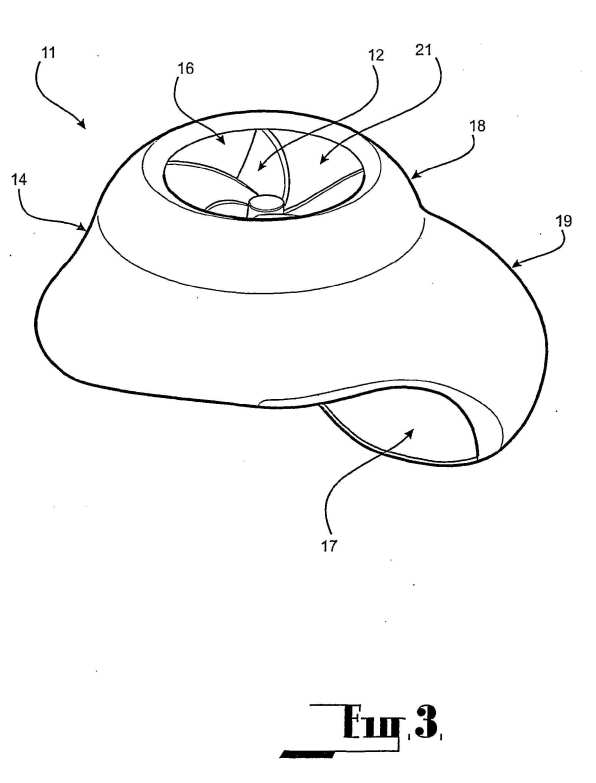
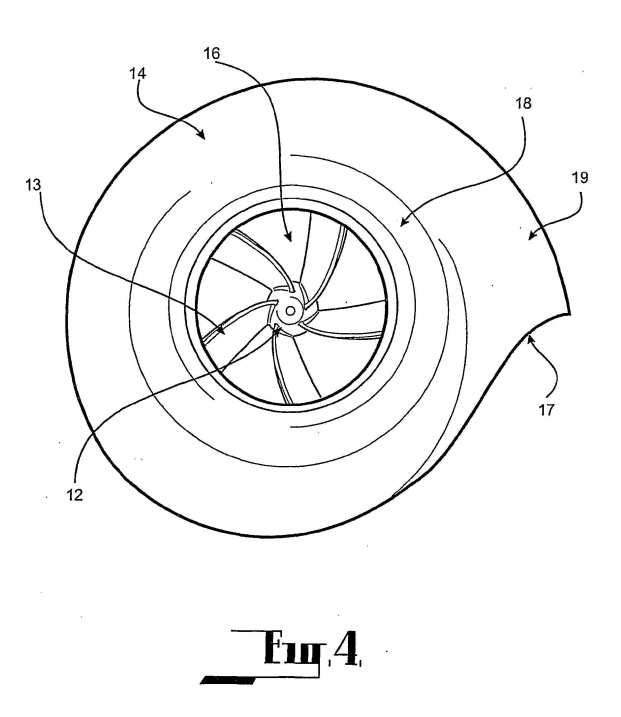
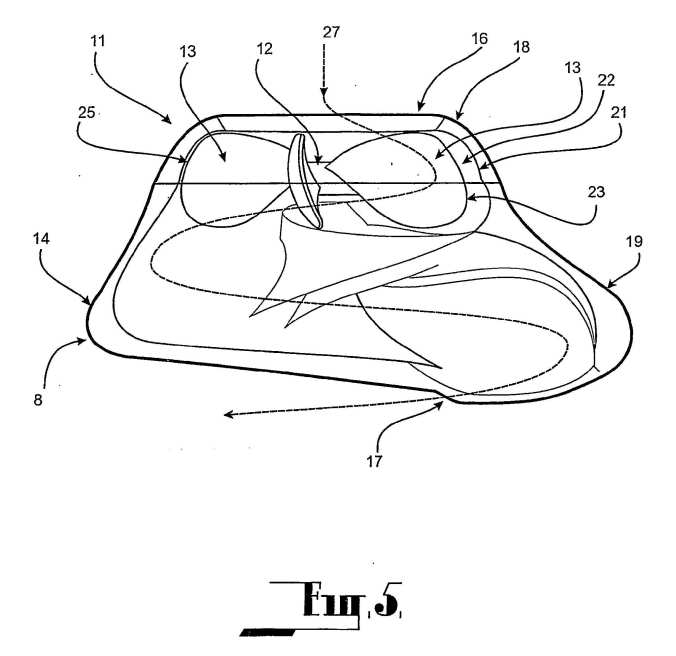
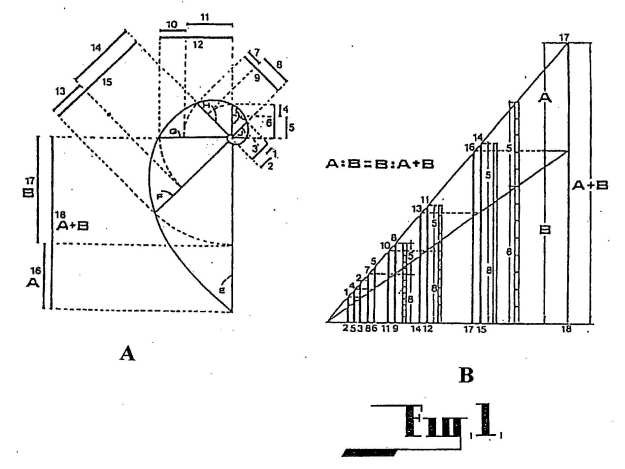
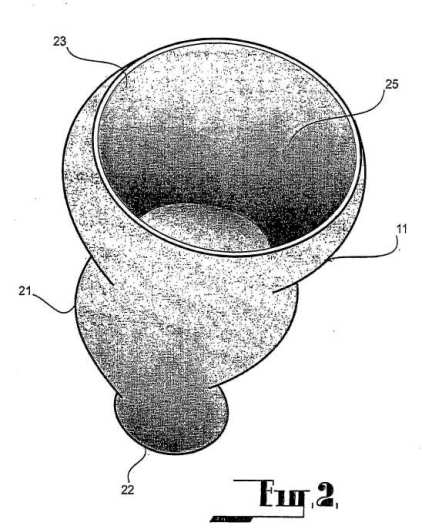
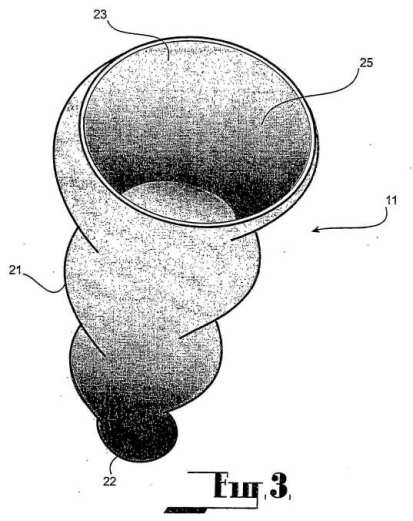
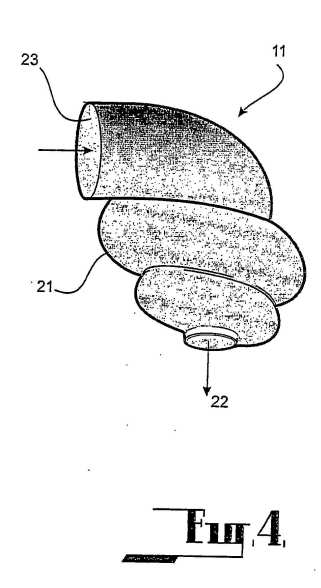
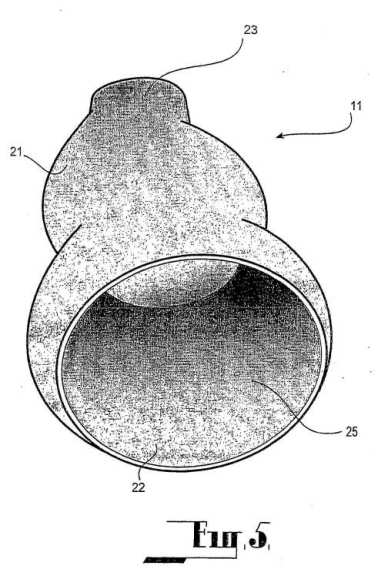
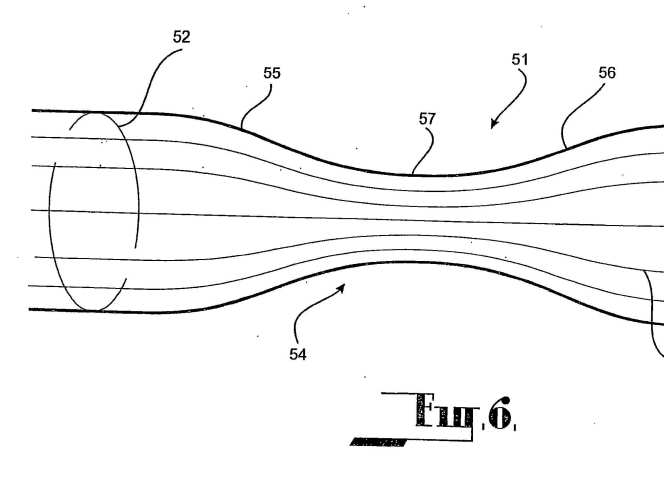
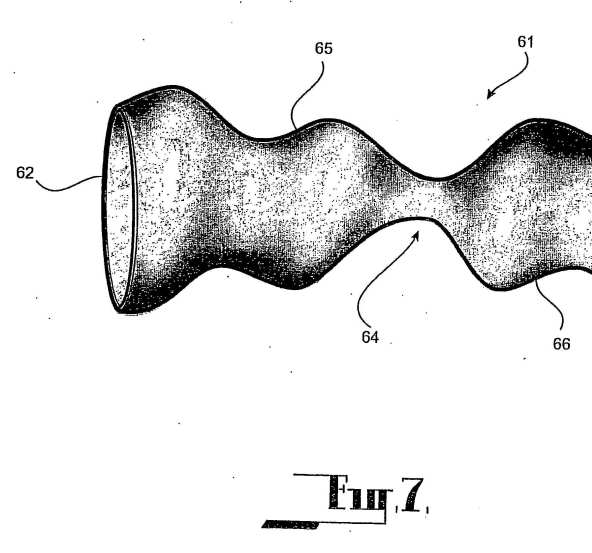
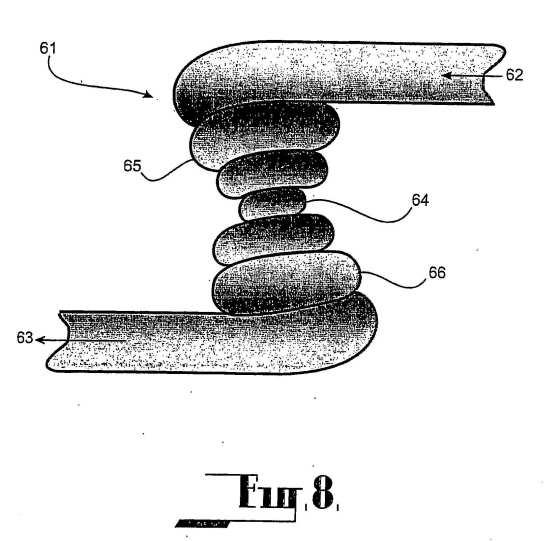
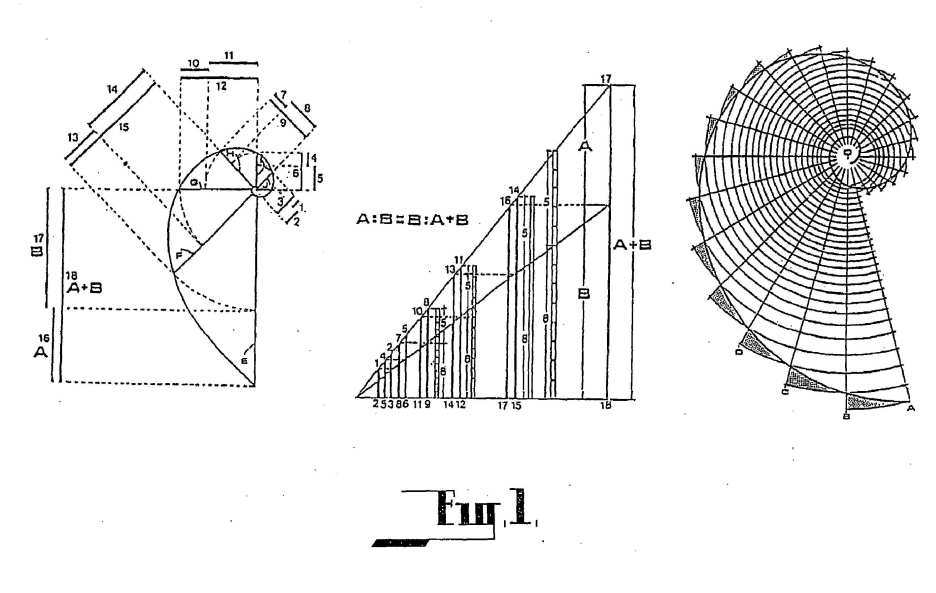
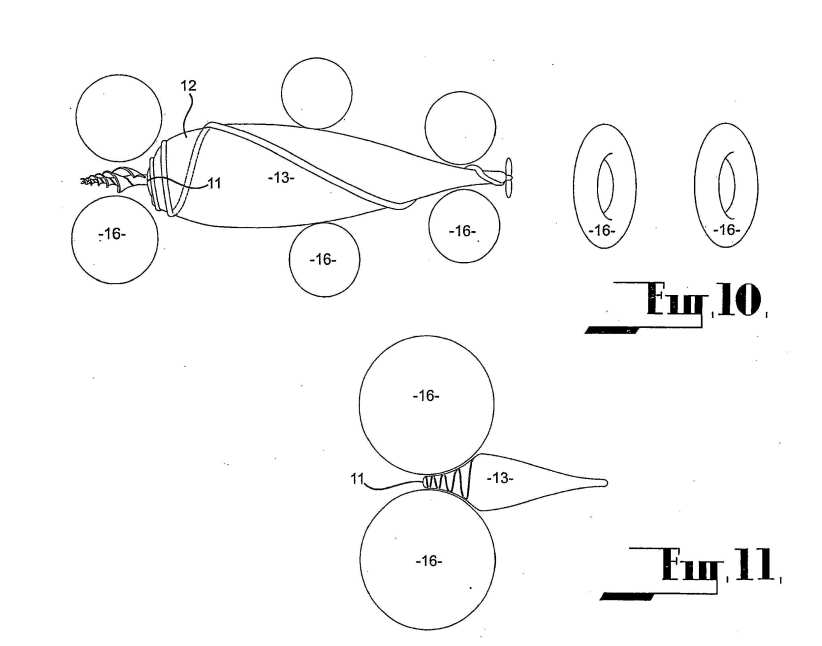
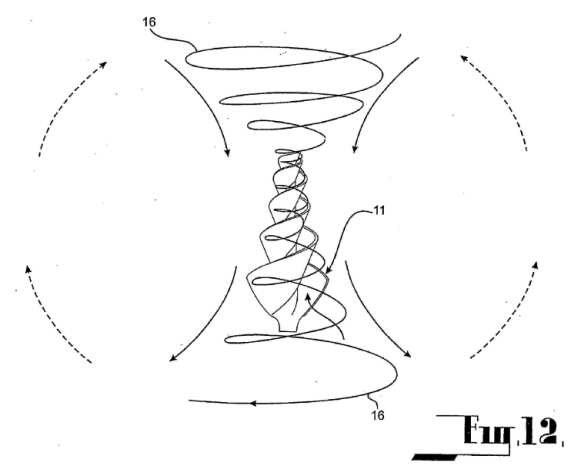
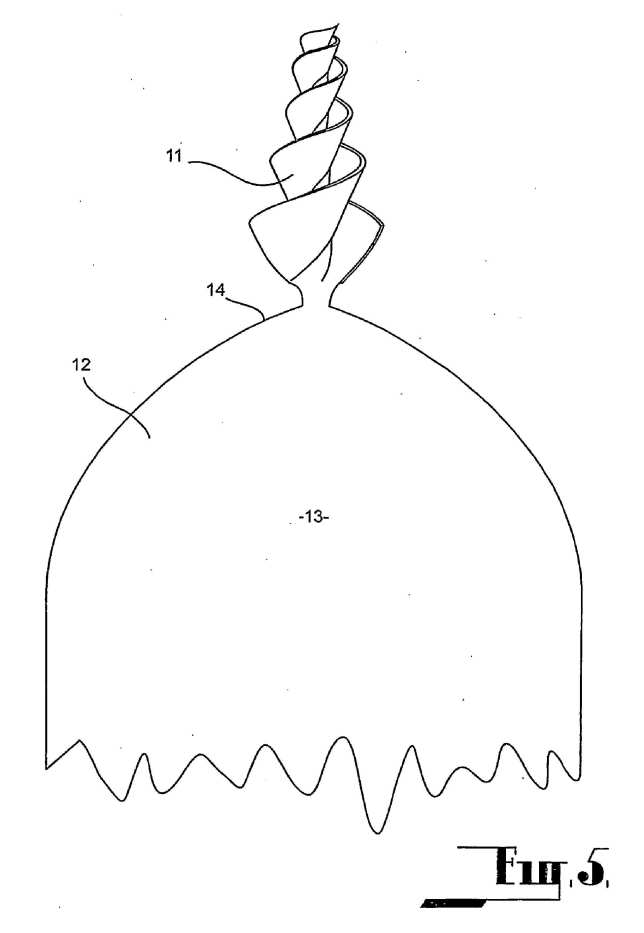
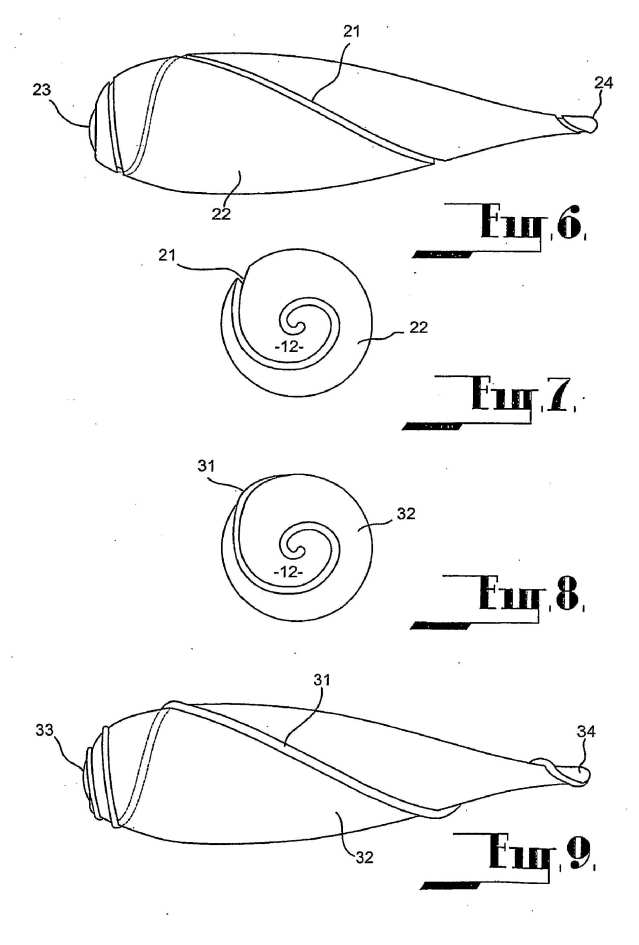
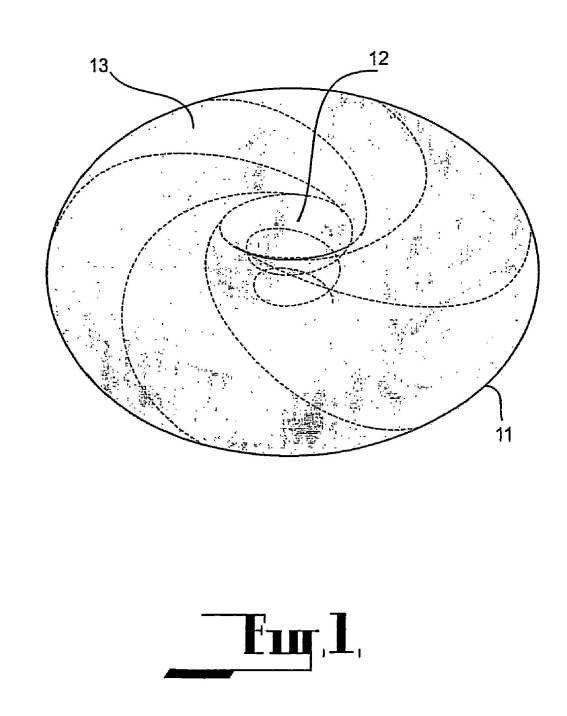
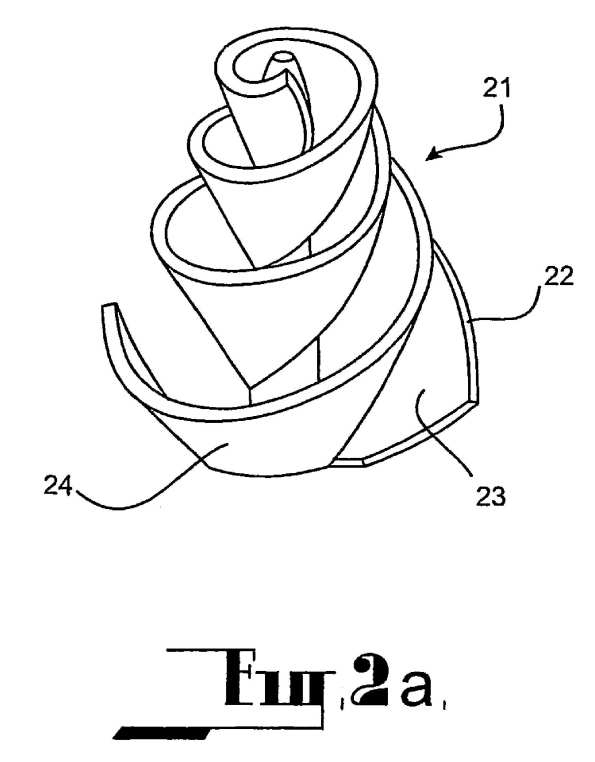
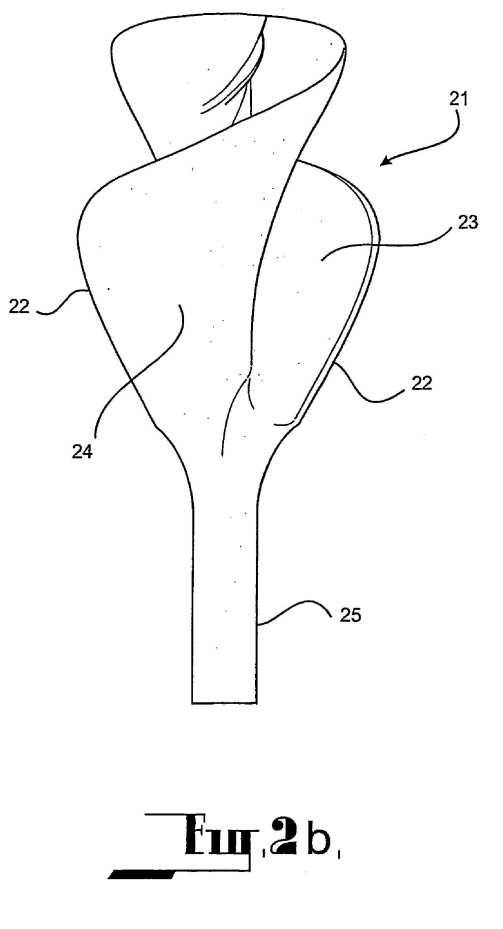
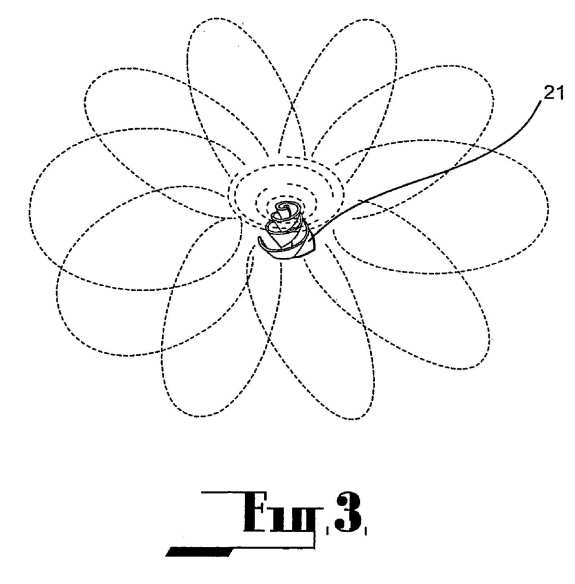
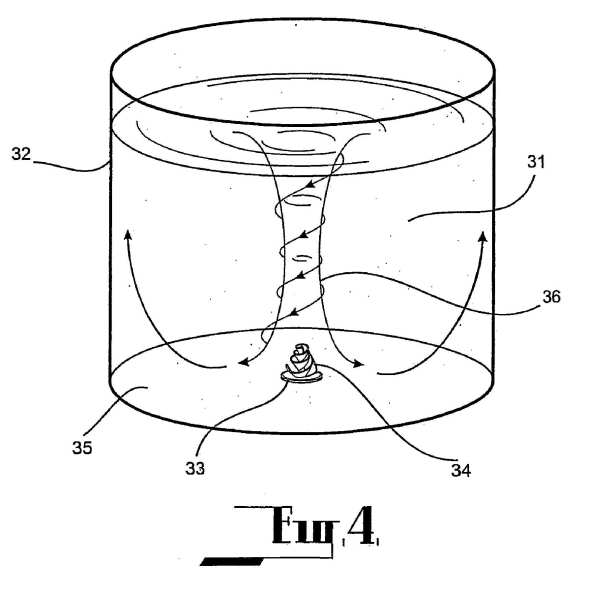
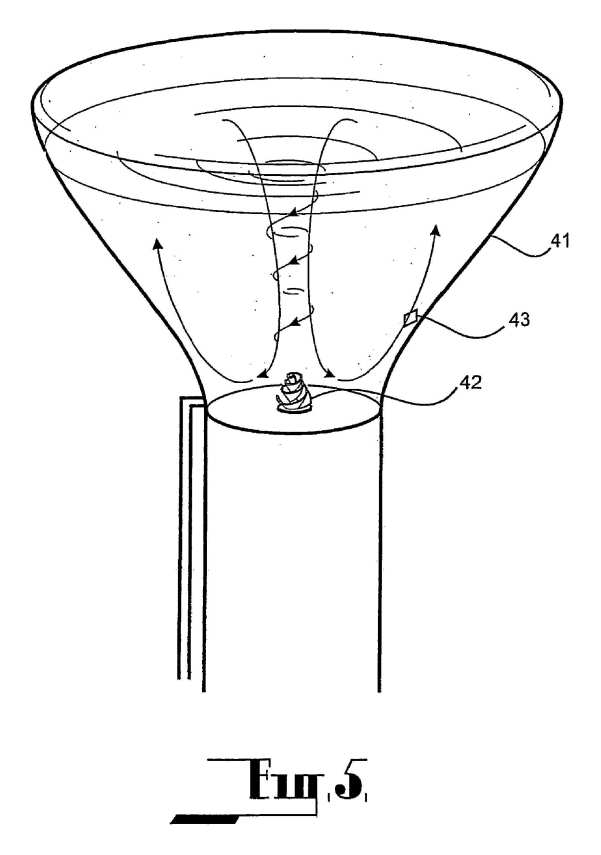
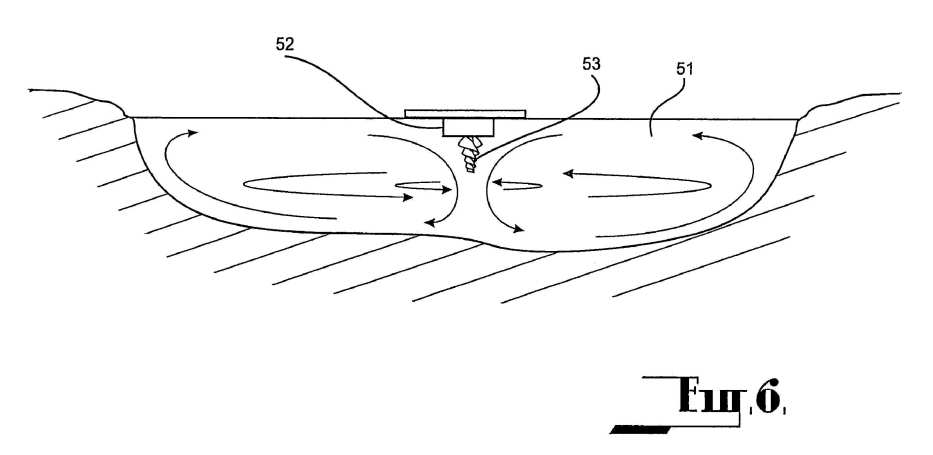
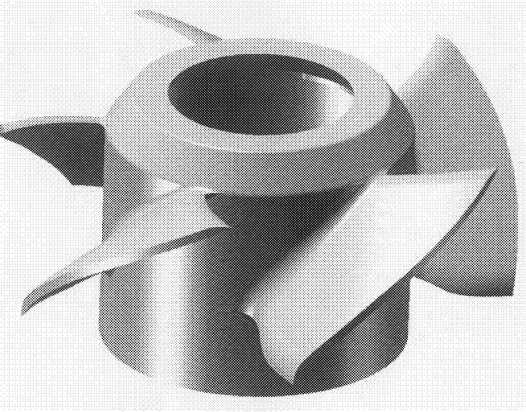
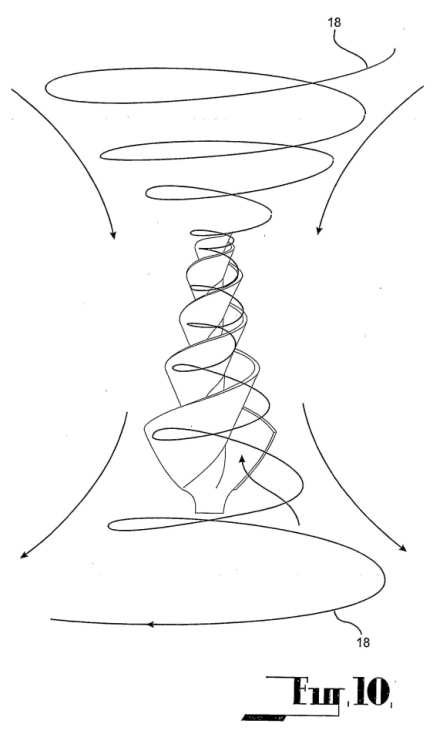
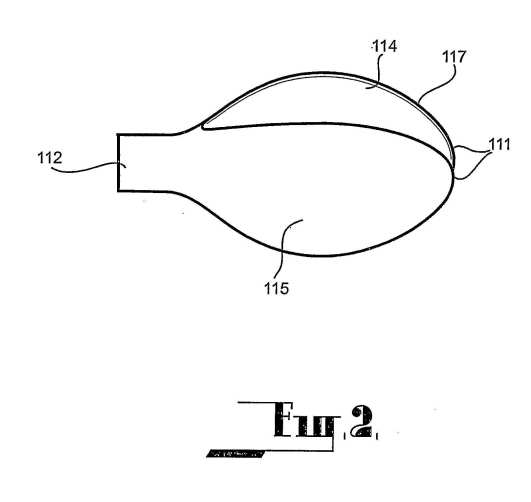
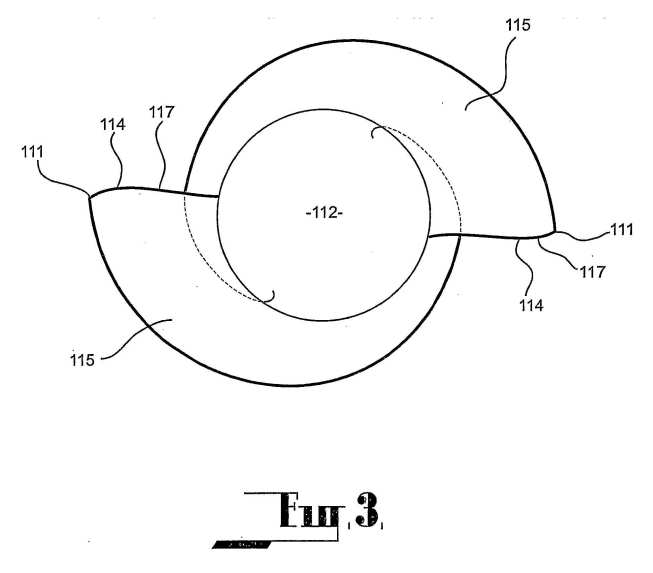
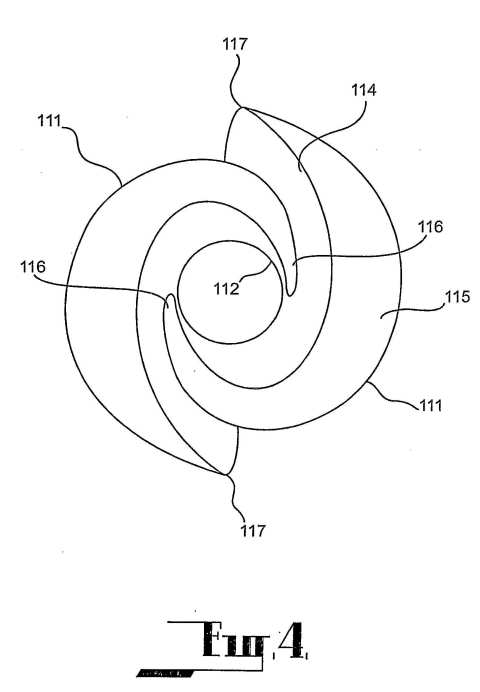
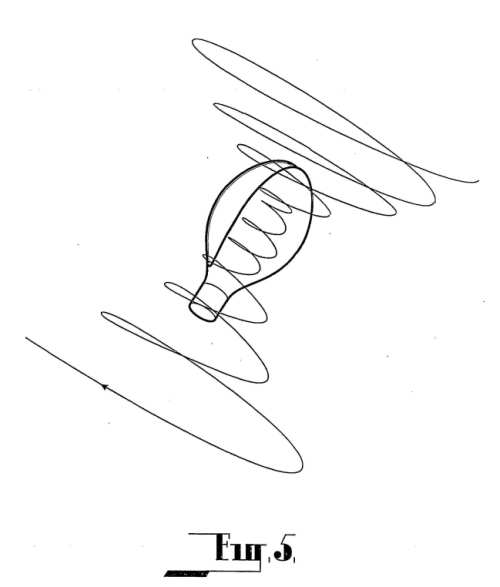
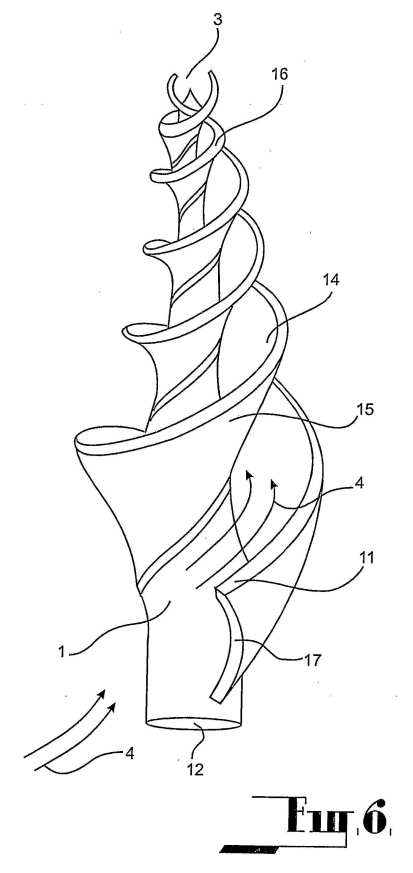
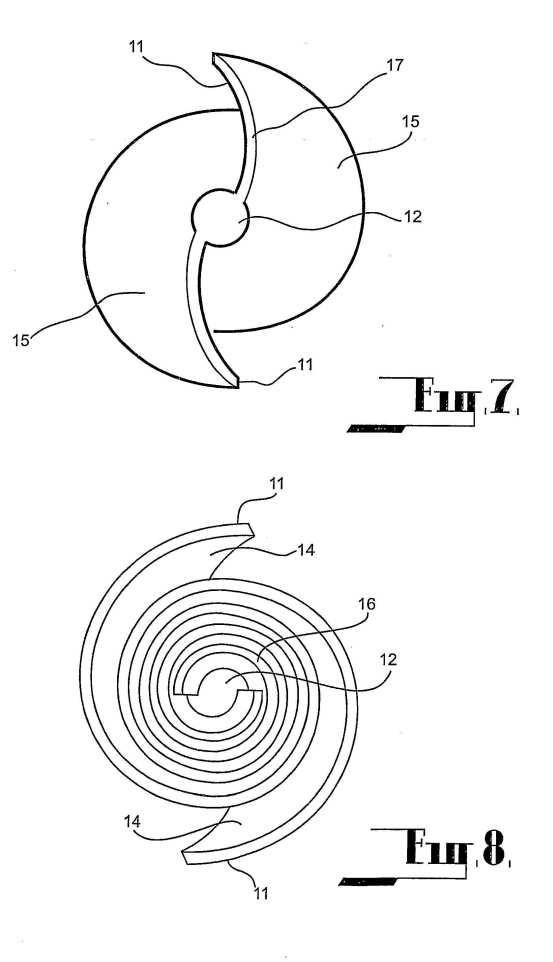
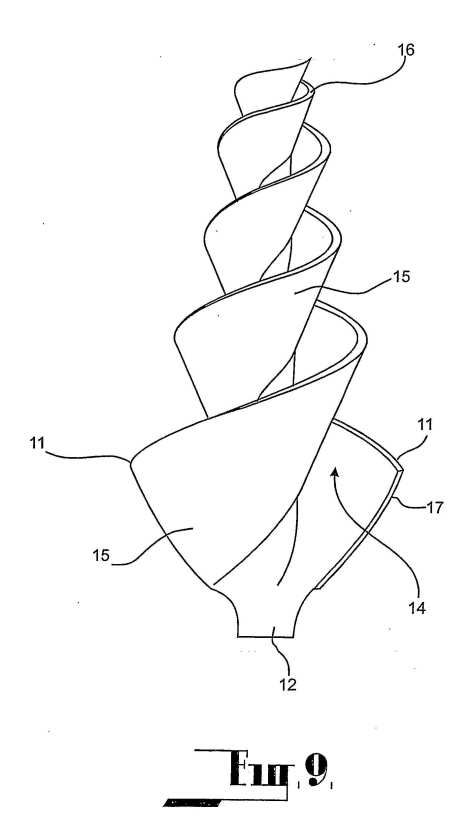
The invention applies the Streamlining Principle, using geometries based on the Golden Ratio and logarithmic spirals to create an active surface that induces rotational and vortical motion of fluid within a nozzle, diffuser or venturi. This geometry aligns with natural fluid flow patterns, reducing turbulence and friction and thereby increasing overall hydraulic efficiency.
Detailed Description
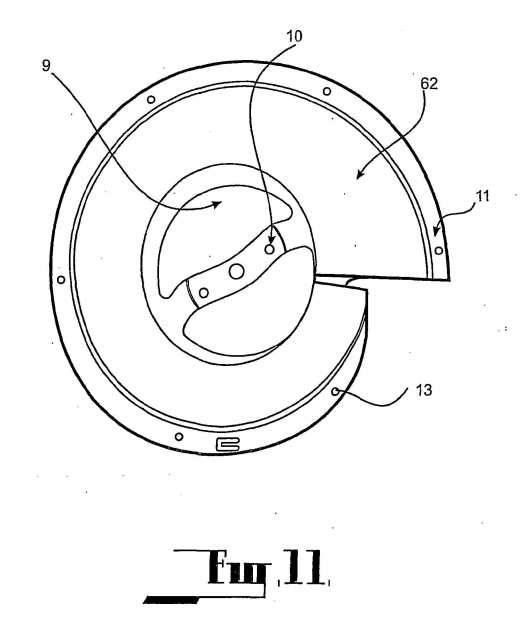
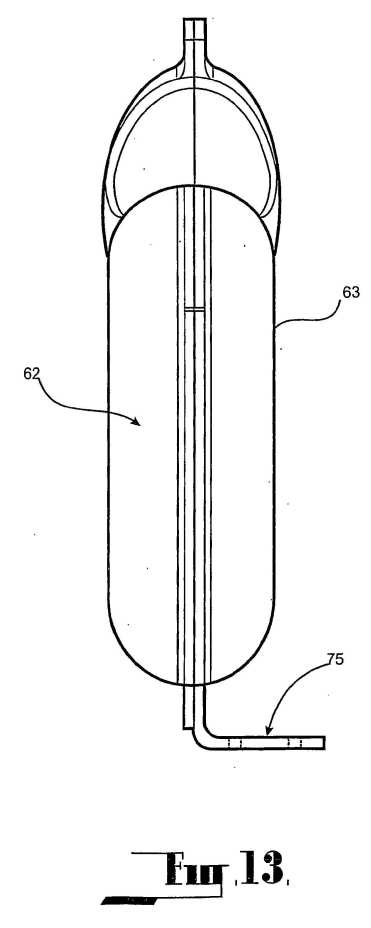
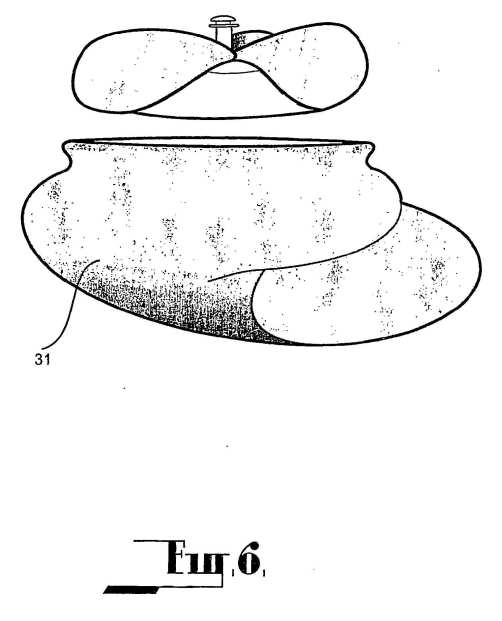
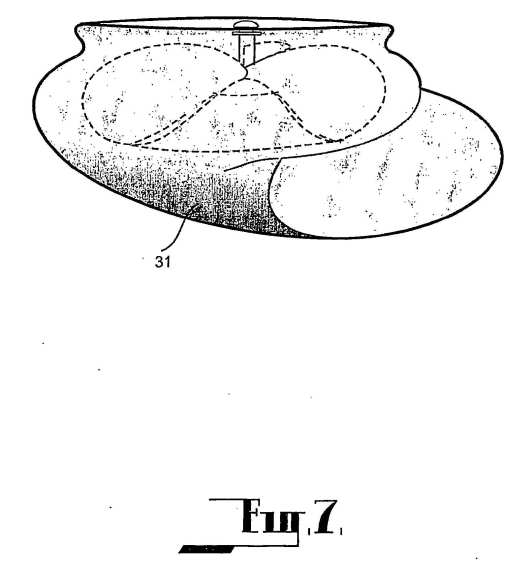
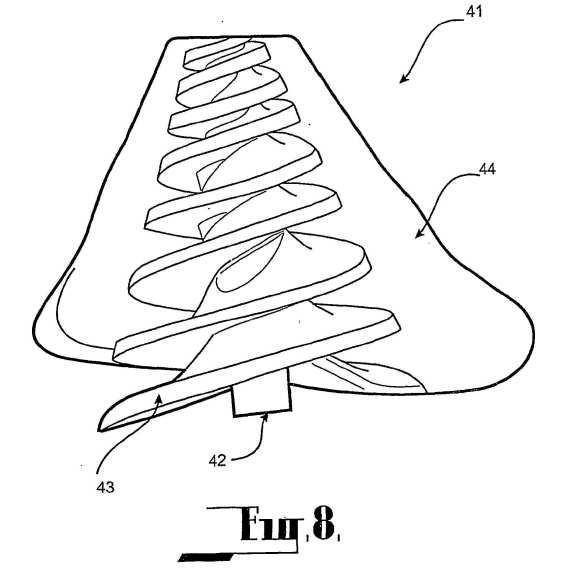
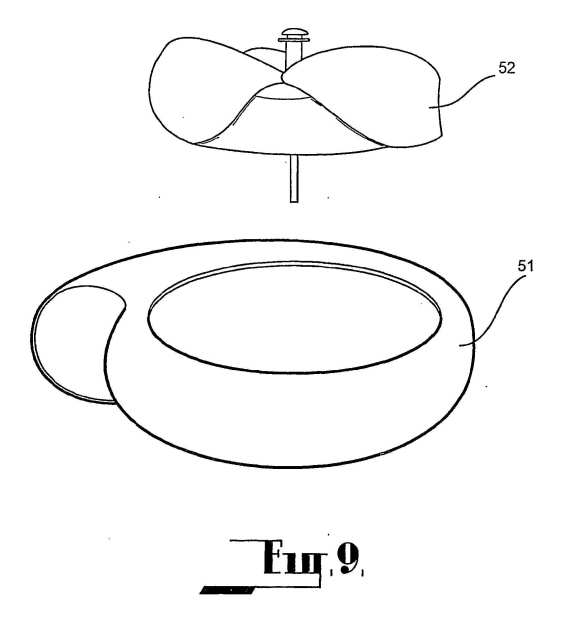
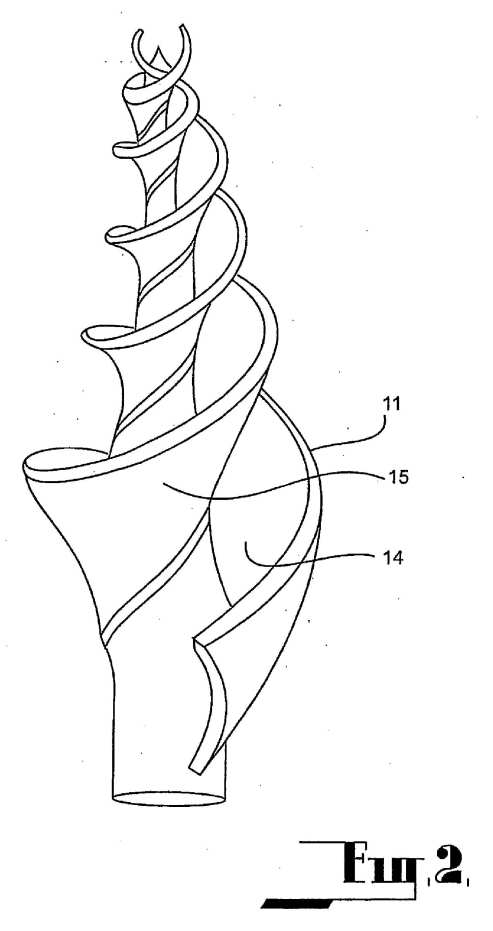
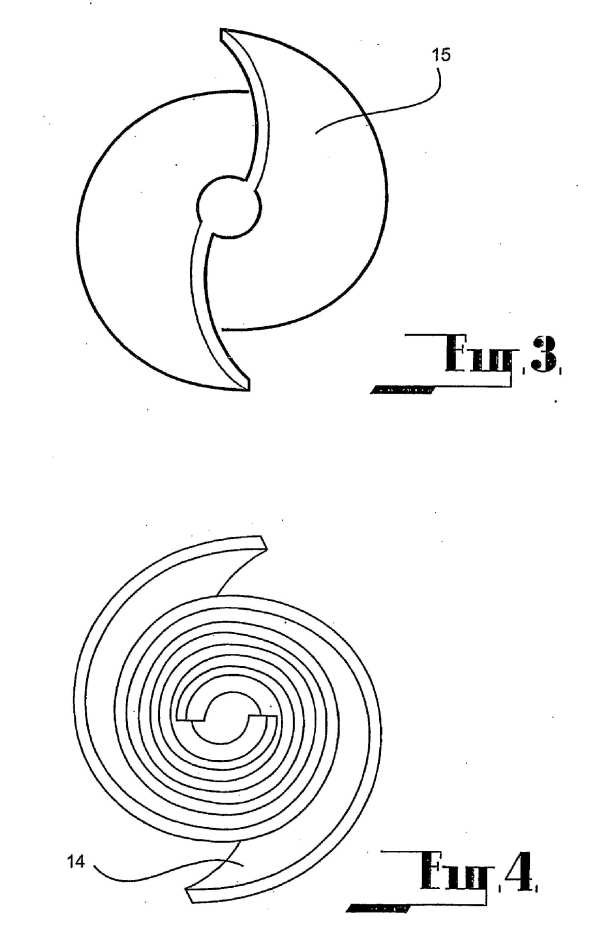
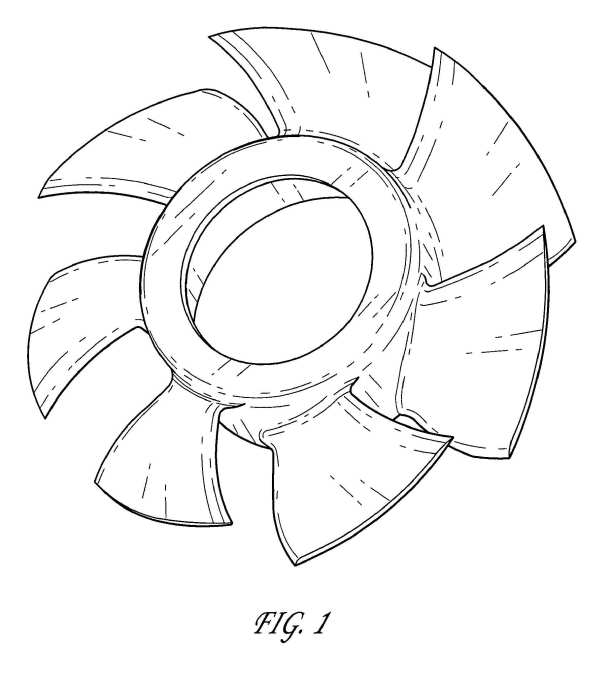
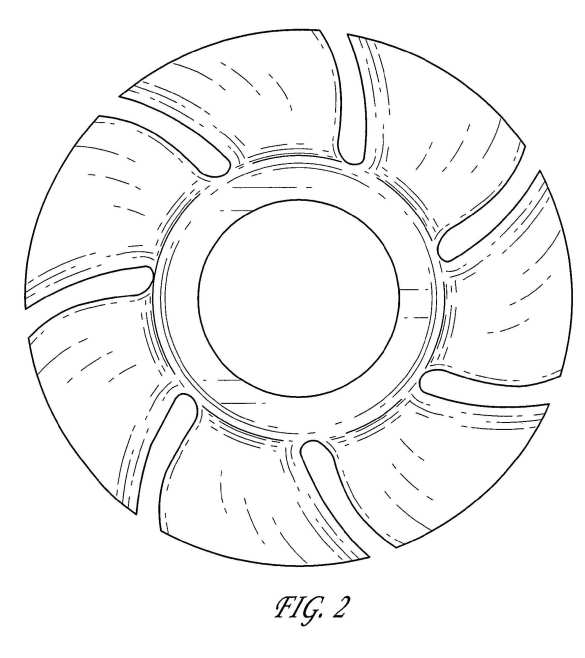
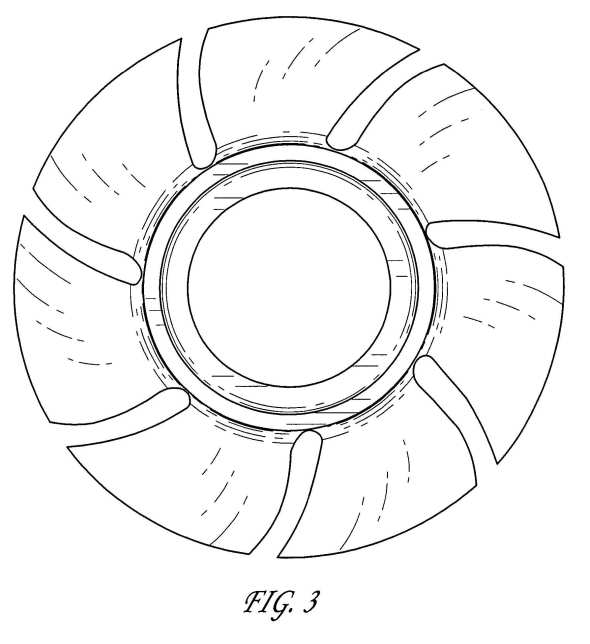
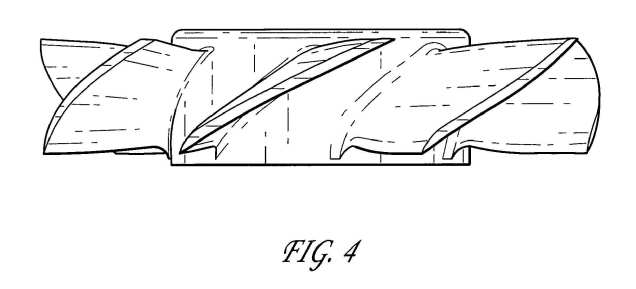
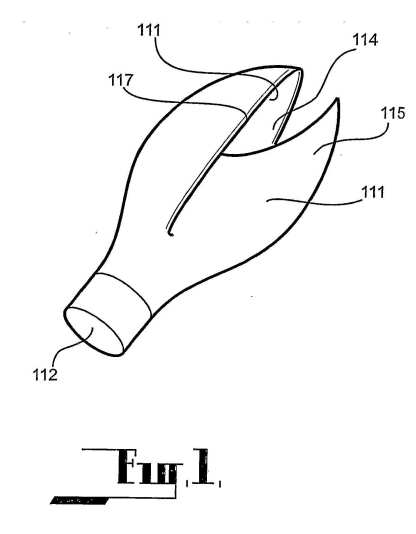
The patented flow controller comprises a duct (nozzle, diffuser or venturi) whose internal surface follows a logarithmic or equiangular spiral, often modeled on mollusk shell shapes. The cross-sectional area varies logarithmically in accordance with the Golden Section. As fluid passes, the active surface imparts a rotational motion about the axis, producing a vortical flow that is more laminar and less turbulent. The design can be realized as a simple conical outer shell with a complex inner spiral surface. The invention claims that such geometry reduces pressure losses, cavitation tendency, and friction compared with conventional straight-sided devices.
Principles
- Streamlining Principle
- Biomimicry
- Golden Ratio geometry
- Vortical flow induction
Scientific Domains
Materials
- Metal
- Plastic
Mechanisms of Action
- Inducing rotational/vortical motion to lower turbulence
- Optimizing cross-sectional area with logarithmic spirals
- Aligning flow path with natural vortex lines
Applications
- Fluid handling equipment
- Fans
- Mixers
- Pumps
- Turbines
- Heat exchangers
- Propellers
Claimed Performance
Reduced turbulence and friction compared with conventional nozzles, diffusers and venturis, resulting in higher flow efficiency.
Experimental Evidence
A research relationship with Cascade Technologies and Stanford University confirmed the underlying theories and identified substantial performance improvements over traditional technology.
Limitations
- Complex geometry may require precise manufacturing
- Performance advantage may be fluid-specific
- Lack of quantitative performance data in public domain