Goal
Reduce emissions and increase power, torque, and fuel-efficiency of gasoline engines.
Problem
Inefficient combustion and high emissions in normally-aspirated gasoline engines.
Concept Summary
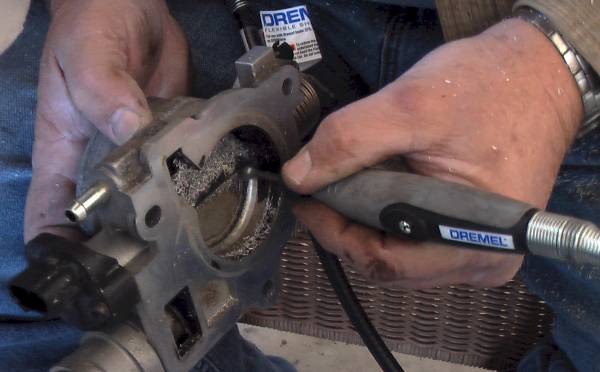
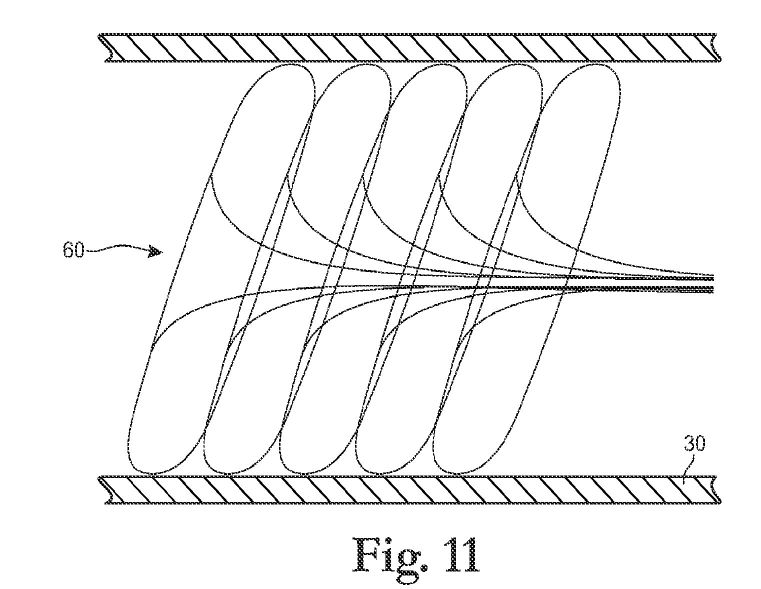
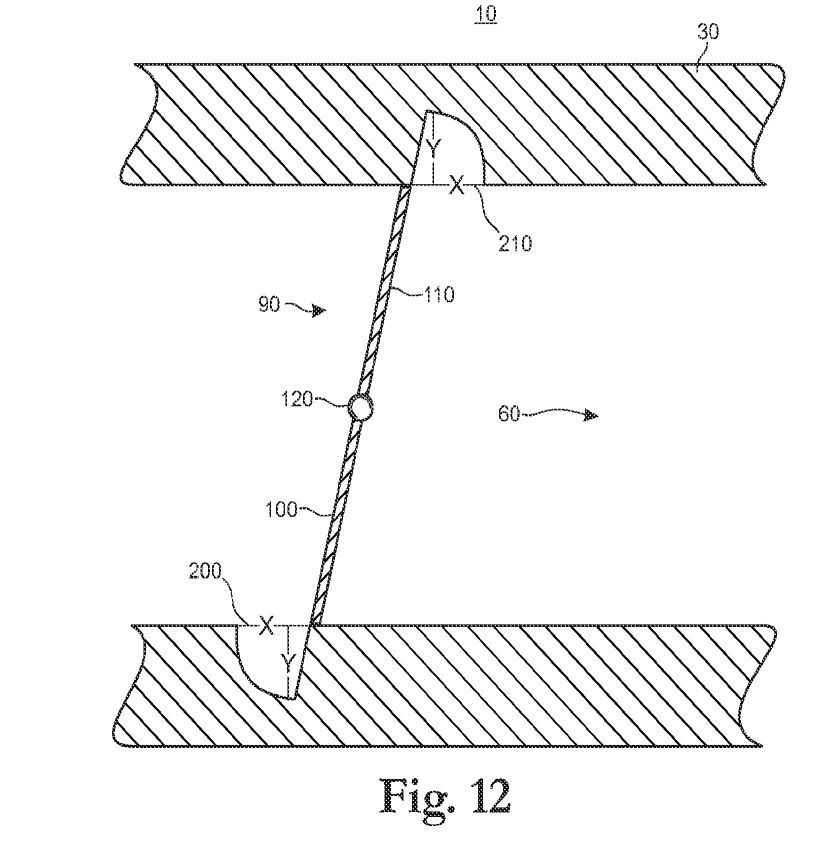
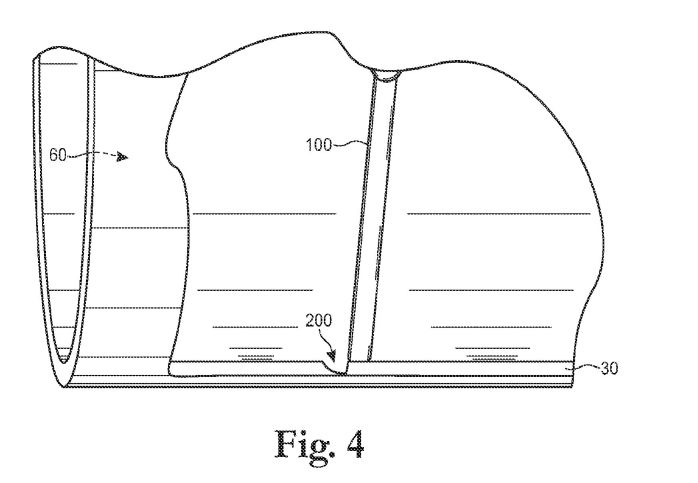
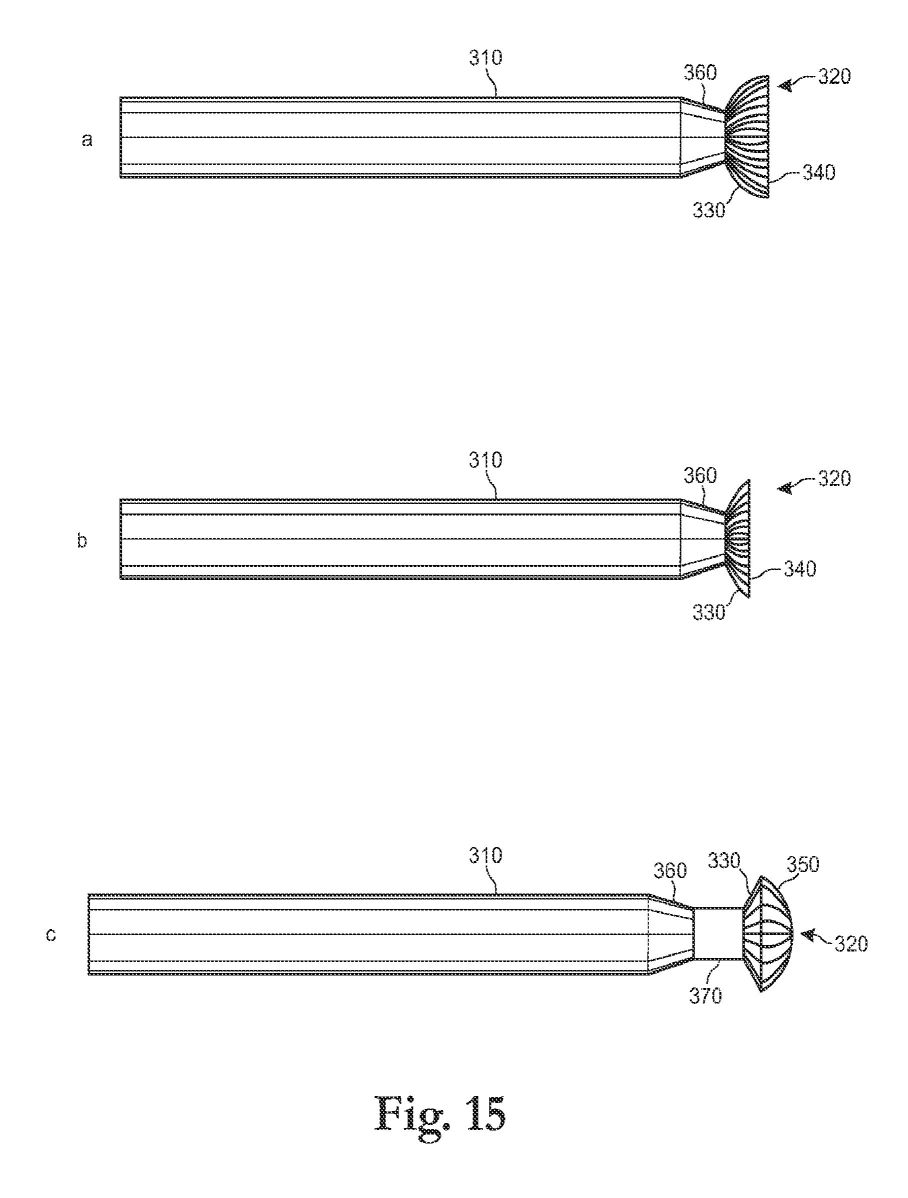
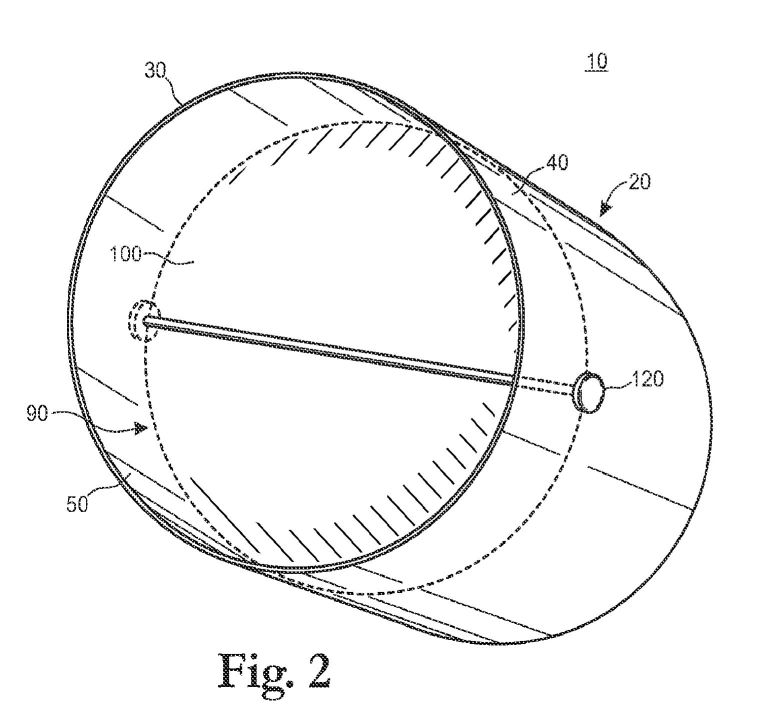
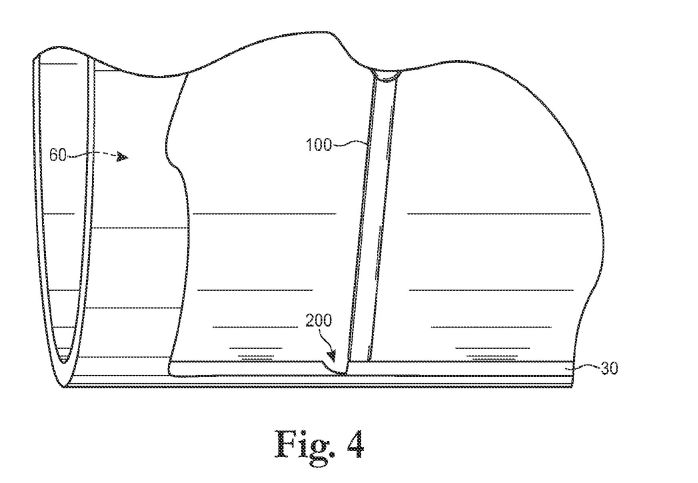
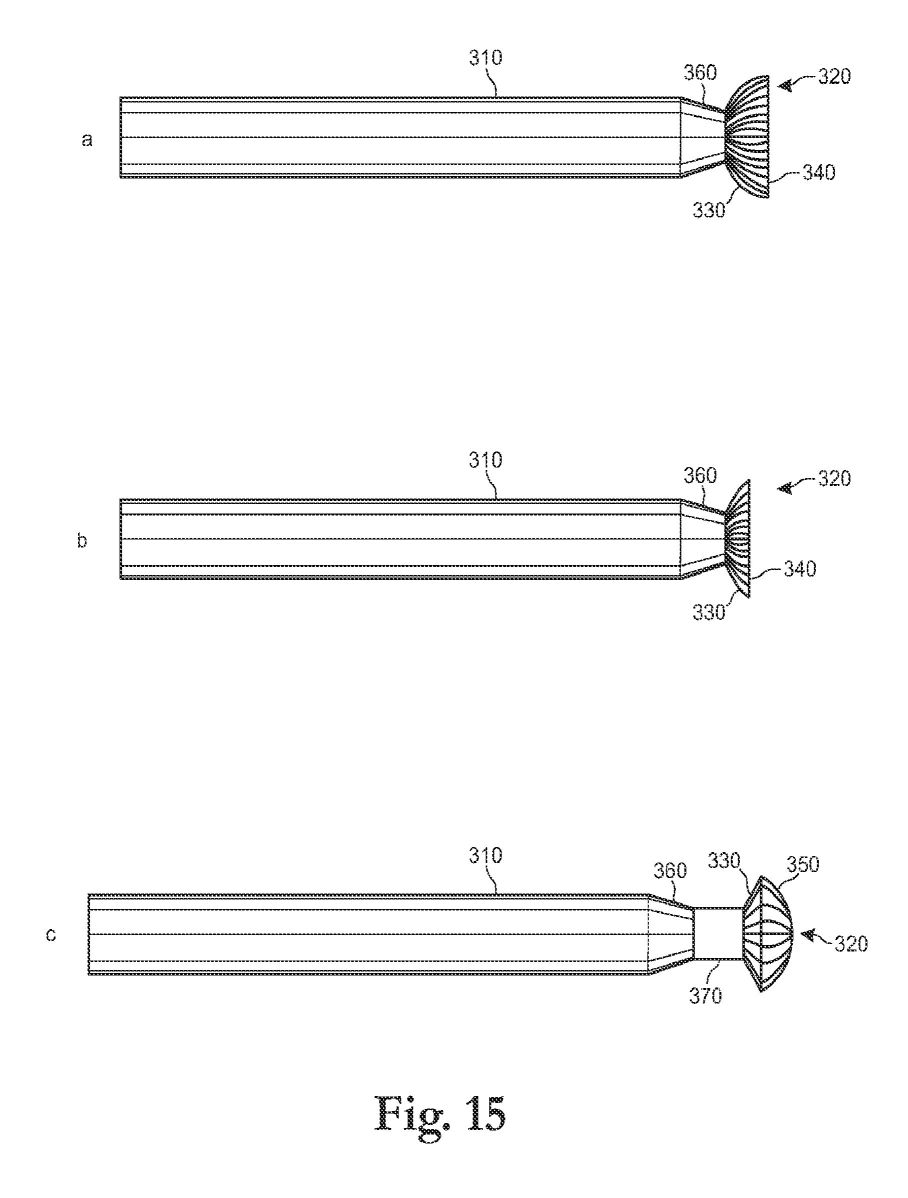
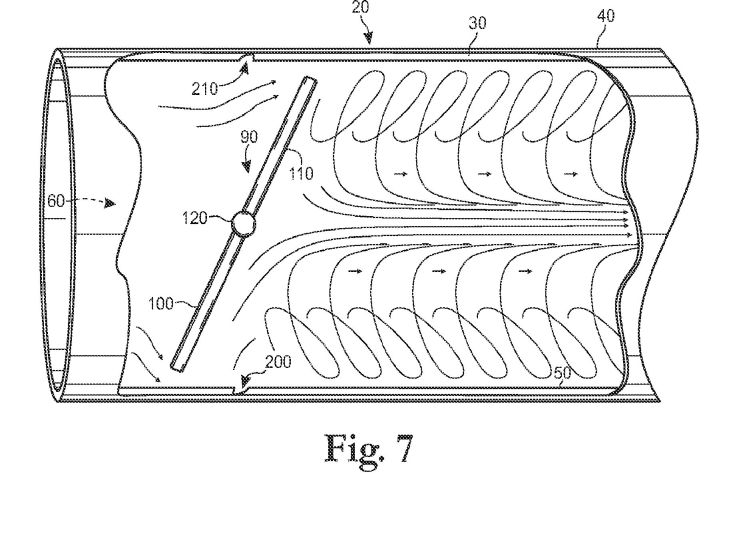
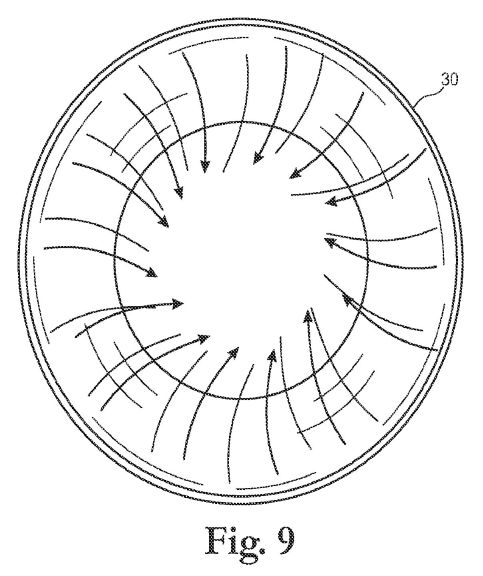
A simple throttle-body modification that cuts a narrow groove (~=1/8 in deep) to create controlled air-turbulence in the intake manifold, allegedly improving air-fuel mixing, increasing horsepower and torque, and reducing emissions.
Principles
- Aerodynamics
- Intake air turbulence enhancement
- Throttle-body geometry modification
Scientific Domains
Materials
- Aluminum throttle body
- Epoxy (for reversible installation)
- Dremel cutting tool
Mechanisms of Action
- Creates localized turbulence that promotes better air-fuel mixing
- Alters pressure wave dynamics in the intake manifold
- Removal of PCV valve to increase pressure-wave effect
Applications
- Automotive performance enhancement
- Fuel-efficiency improvement
- Emission control
Claimed Performance
Typical mileage increase of 25-35 % (some reports up to 10 %-15 %); 15 hp and 8 ft-lb torque increase reported on a Dodge Caravan; 85 % of modified vehicles claimed >20 % mileage gain.
Experimental Evidence
User-reported dynamometer test showed a 15 hp and 8 ft-lb torque increase; mileage logs from a 2005 Dodge Caravan showed 10 %-25 % MPG improvement over baseline; Ron Hatton reports having modified ~700 engines with similar results.
Replication Status
Modified ~700 engines (Ron Hatton); several independent user reports and a few dynamometer tests documented.
Limitations
- Potential for increased engine wear due to un-wanted turbulence
- May be ineffective on newer cars with electronic throttle control
- Reduced low-speed drivability on slick roads
Red Flags
- Claims of large MPG gains without peer-reviewed data
- Multiple accusations of being a scam or "snake-oil" product
- Reliance on anecdotal user reports rather than independent testing