Goal
Increase vehicle fuel efficiency, reduce exhaust emissions and boost engine power.
Problem
Low miles-per-gallon (mpg) and high emissions from petrol and diesel engines due to incomplete combustion.
Concept Summary
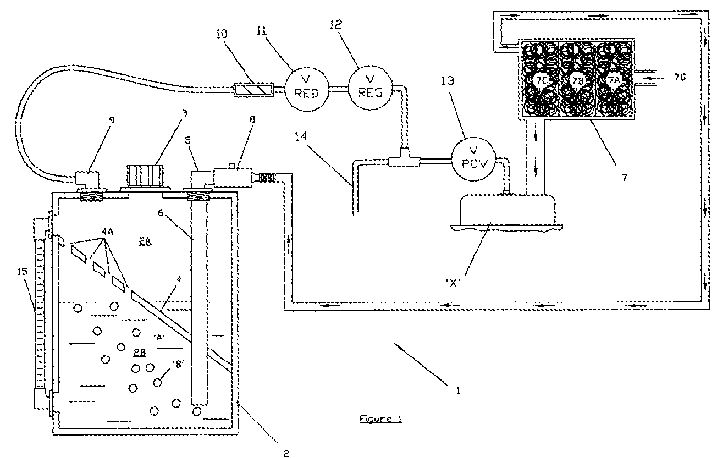
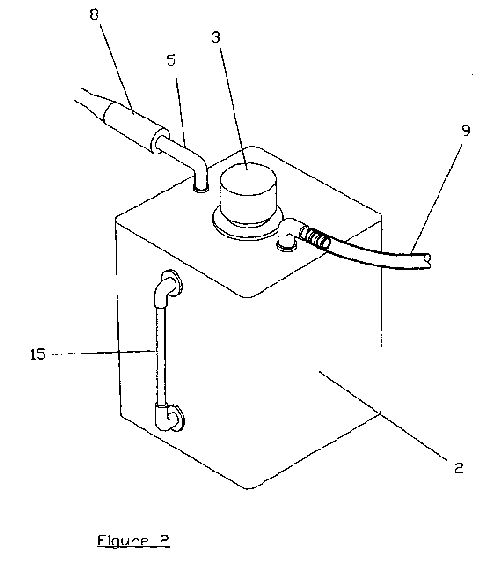
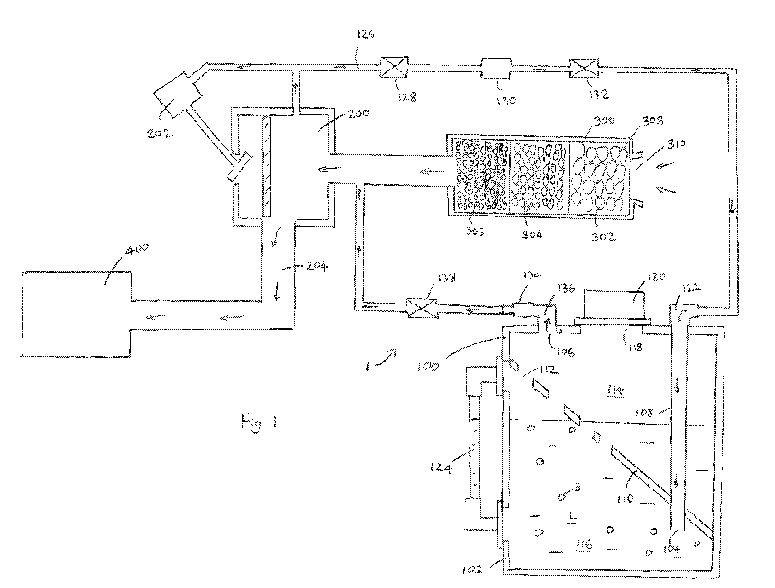
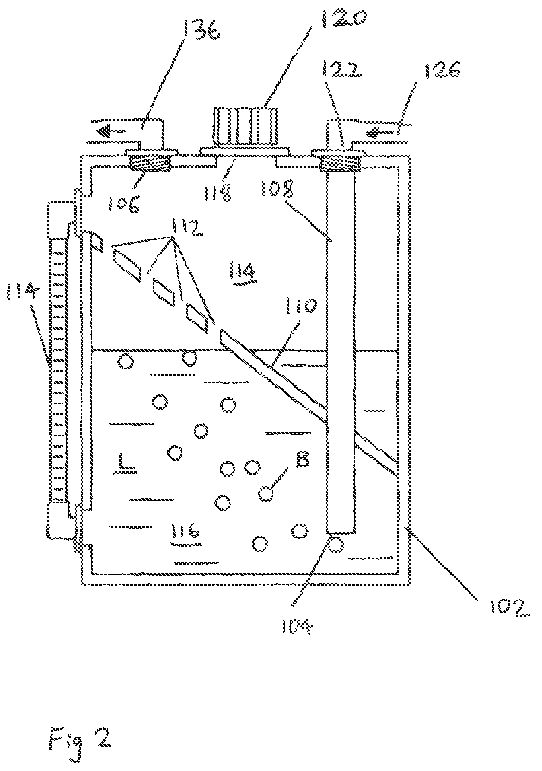
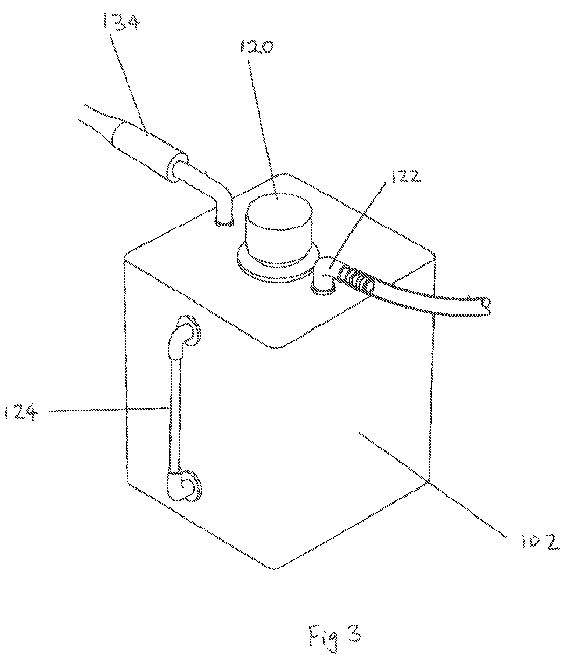
A retrofit apparatus that replaces the standard air filter with a near-zero-drag filter and adds a sealed chamber containing an oil-based liquid (upper-cylinder lubricant). Ambient air is drawn through the filter, accelerated by a venturi, and bubbled through the liquid, picking up volatile additives. The enriched air is then fed to the engine intake manifold, improving combustion efficiency and reducing emissions.
Principles
- Air filtration with low pressure drop
- Venturi-induced air acceleration
- Liquid-to-air vapor enrichment
Scientific Domains
Materials
- Oil-based liquid (upper-cylinder lubricant)
- Knitted copper mesh filter (multiple mesh sizes)
Mechanisms of Action
- Enrichment of intake air with oil-derived vapors
- Increased oxygen-rich air flow to engine
- Reduction of intake restriction
Energy Sources
Applications
- Passenger cars
- Heavy-goods vehicles (HGVs)
- Diesel trucks
Claimed Performance
Petrol engines: 25-75 % increase in mpg; Diesel engines: 18-25 % increase in mpg; also reported power gain and lower emissions.
Experimental Evidence
Tested on vehicles in the UK and US; over 1,000 vehicles fitted with the device reporting the above performance improvements.
Replication Status
Device installed on >1,000 vehicles; no independent third-party replication reported.
Limitations
- Requires regular replenishment of oil-based liquid
- Effectiveness may vary with engine type (diesel vs petrol)
- Potential for oil carry-over into intake if baffle fails
Red Flags
- No peer-reviewed data or independent verification
- Very high claimed mpg gains without published test methodology
- Potential conflict of interest (inventor also manufacturer)