Goal
Increase the efficiency of electric motors and generators, potentially achieving net energy output greater than input.
Problem
Low efficiency of induction motors and reliance on external energy sources for electricity generation.
Concept Summary
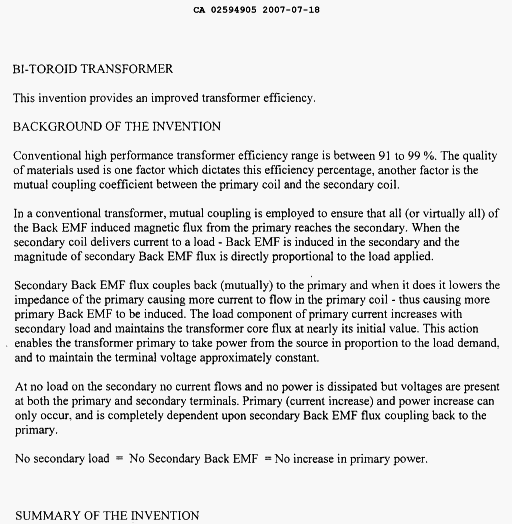
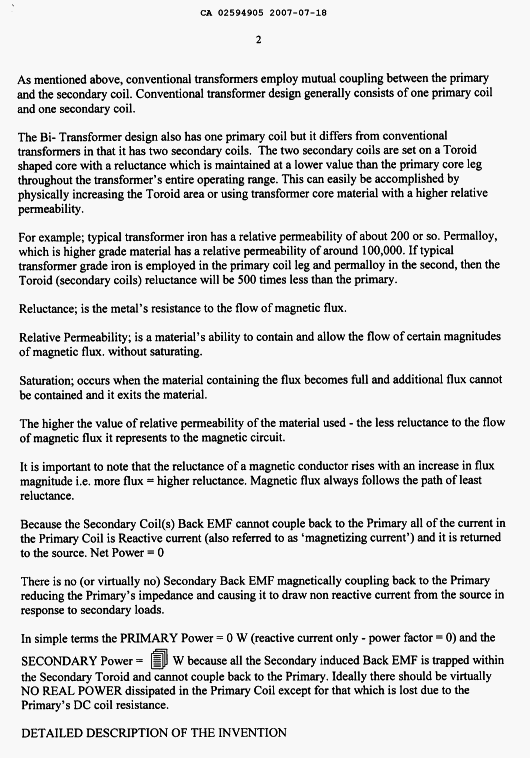
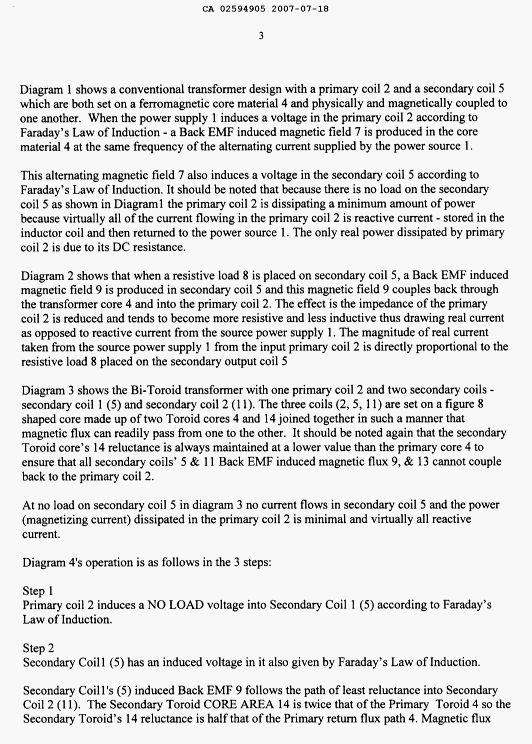
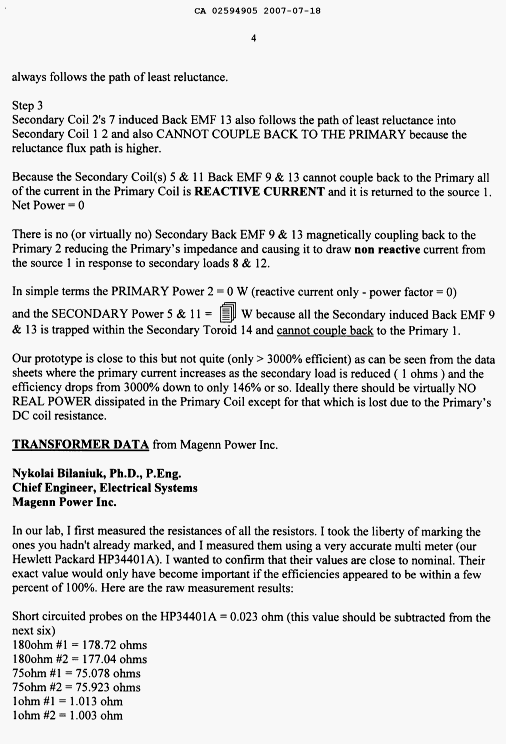
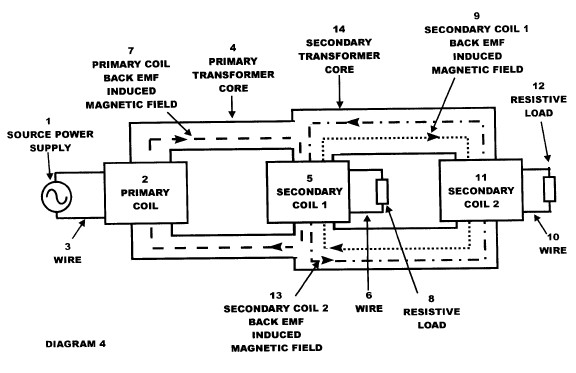
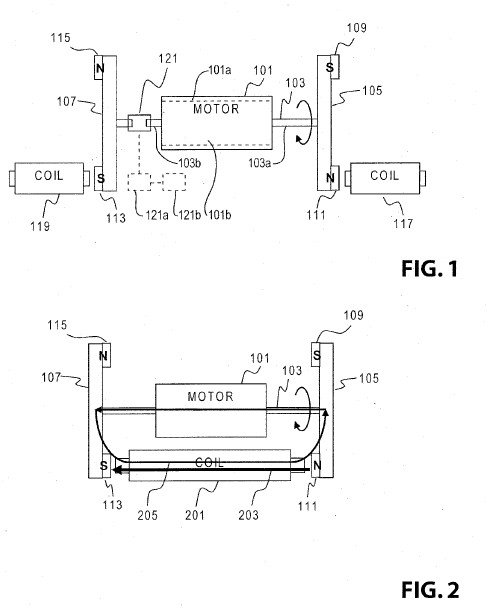
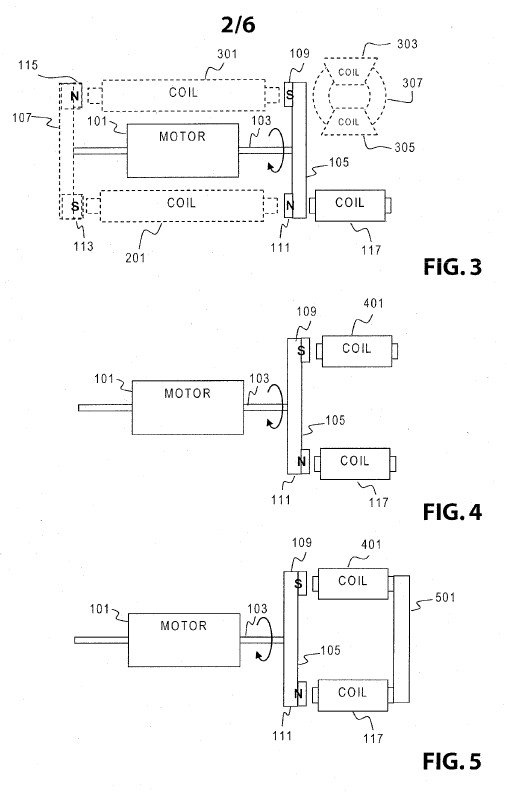
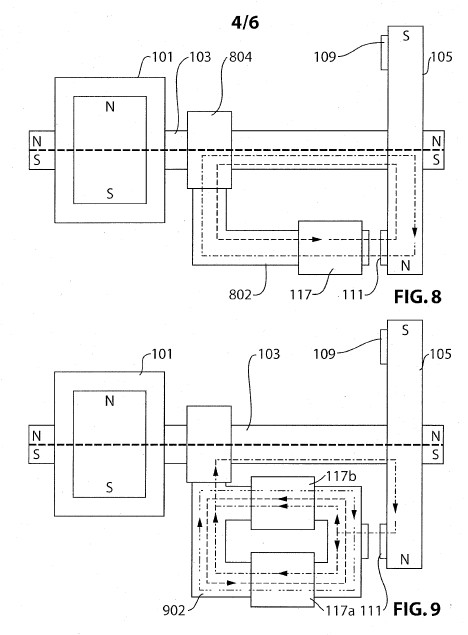
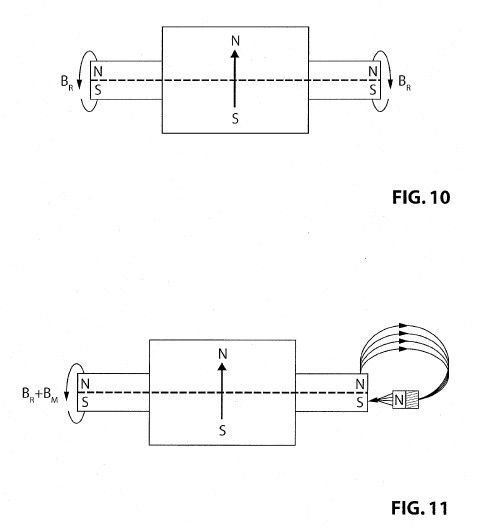
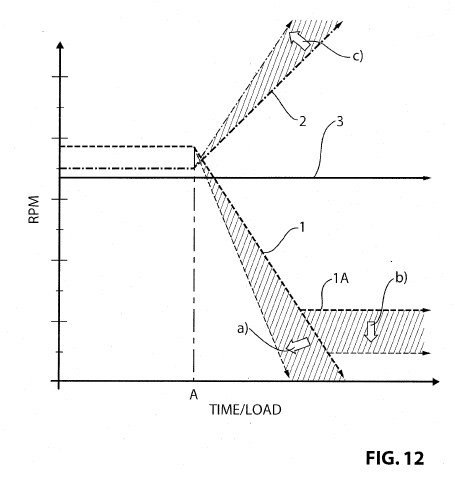
A generator that uses permanent magnets and rotating high-temperature superconducting coils to induce an EMF. The design claims to manage back-EMF via low-reluctance flux paths, resulting in efficiency above 100 % and apparent self-acceleration of the motor.
Principles
- Electromagnetic induction
- Faraday's law
- Lenz's law
- Magnetic reluctance
Scientific Domains
Materials
- Permanent magnets
- High-temperature superconducting wire
- Copper coil
Mechanisms of Action
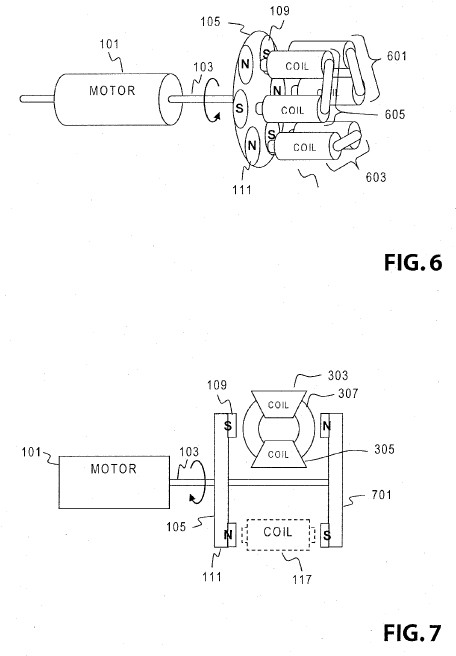
- Interaction of permanent magnets with rotating superconducting coils
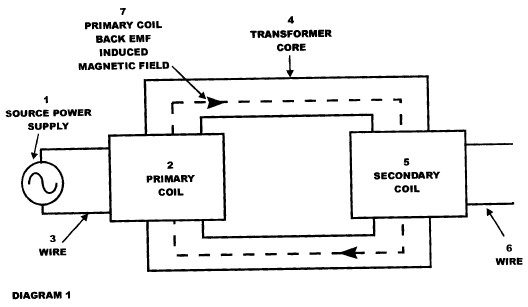
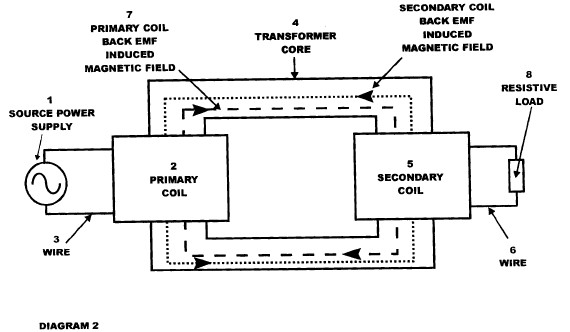
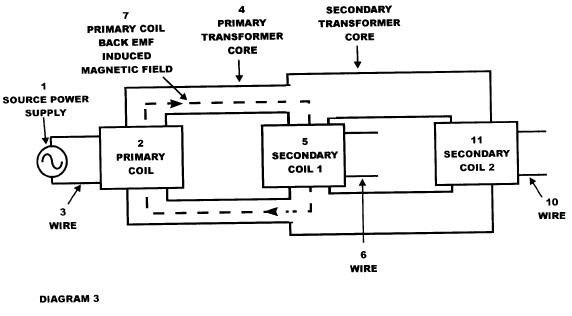
- Control of back-EMF through a secondary toroidal core with lower reluctance
- Magnetic field induced acceleration of the motor shaft
Energy Sources
Applications
- Improved electric motor efficiency
- Electric vehicles
- Renewable energy generation
Claimed Performance
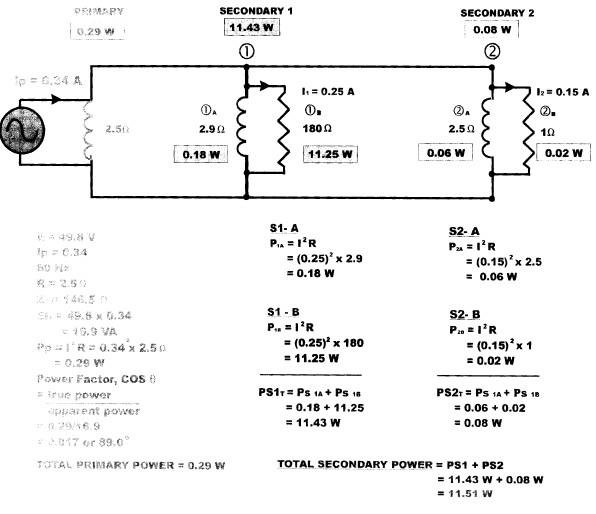
Transformer efficiency above 100 %; increased motor efficiency; claimed perpetual-motion-like behavior.
Experimental Evidence
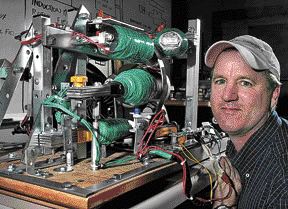
Demonstrated to several university labs (University of Virginia, Michigan State University, University of Toronto, Queens University). In a test the permanent magnet placed a few centimetres from the driveshaft caused the motor to accelerate, observed by MIT professor Markus Zahn.
Replication Status
Demonstrated to multiple academic labs; no independent peer-reviewed replication reported.
Limitations
- No accepted theoretical explanation
- Lack of quantitative performance data
- Requires high-temperature superconducting wire
Red Flags
- Claims of perpetual motion / over-unity
- Absence of peer-reviewed experimental data
- Potential for fraud or unverified marketing