Goal
Increase charging efficiency and dramatically reduce charging time for ion cells and electrolytic capacitors.
Problem
Conventional batteries and capacitors charge slowly and have limited efficiency (60-95 %).
Concept Summary
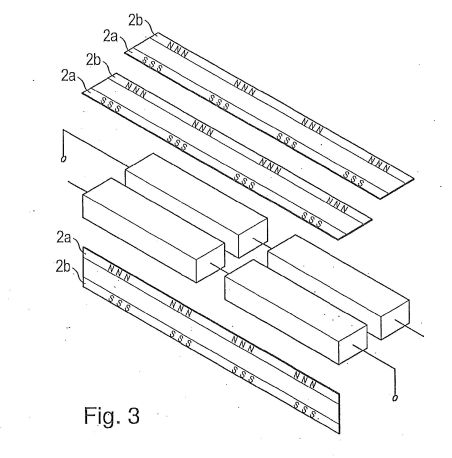
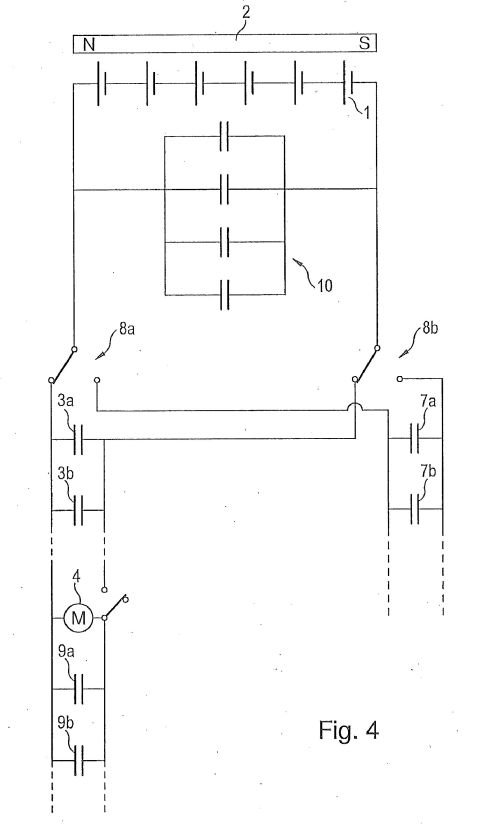
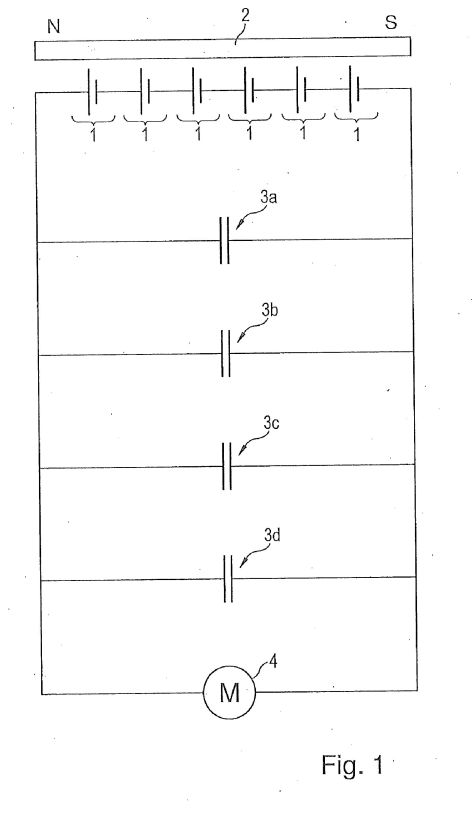
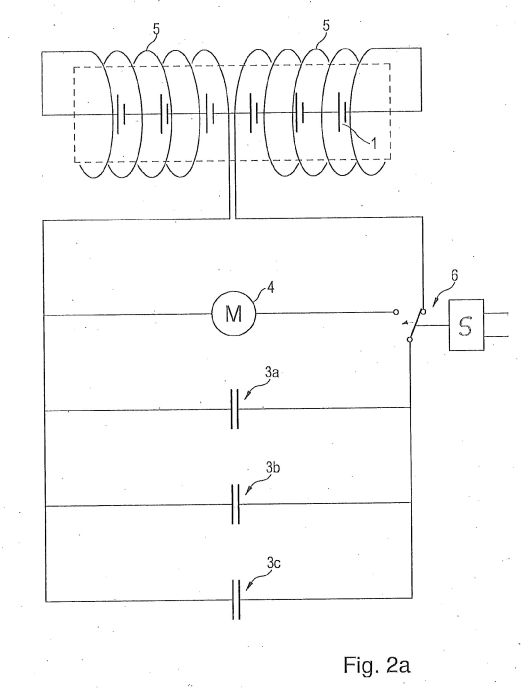
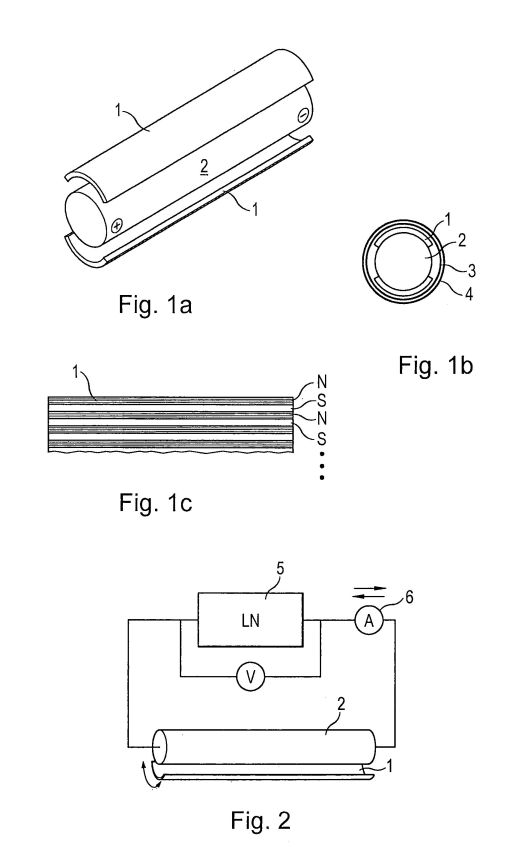
The invention places ion cells (e.g., lithium-ion batteries) inside a strong magnetic field generated by permanent magnet strips or an electromagnet. The magnetic field alters the charging current signal, producing a rapid charge-separation effect that allows capacitors to charge in fractions of a second and extracts additional voltage from a deep-discharged battery.
Principles
- Magnetic field influence on ion transport
- Induced charge-separation current signal
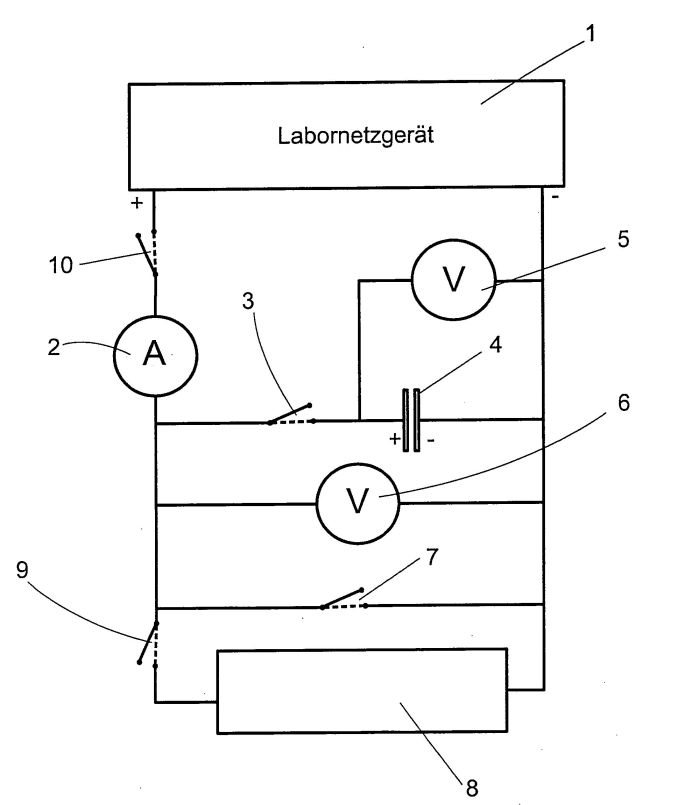
- Parallel capacitor bank charging acceleration
Scientific Domains
Materials
- Lithium-ion batteries (750 mAh cells)
- Electrolytic capacitors
- Permanent magnet strips (~=1 cm width)
- Magnetic material (magnetized substance on strips)
- Copper wire coil (electromagnet)
Mechanisms of Action
- Application of a static magnetic field to an ion cell
- Generation of a novel charging current signal
- Rapid charge separation in galvanic cells and electrolytic capacitors
Energy Sources
Applications
- Battery fast-charging
- Capacitor pre-charging
- Portable power supplies
- Electric motor power augmentation
Claimed Performance
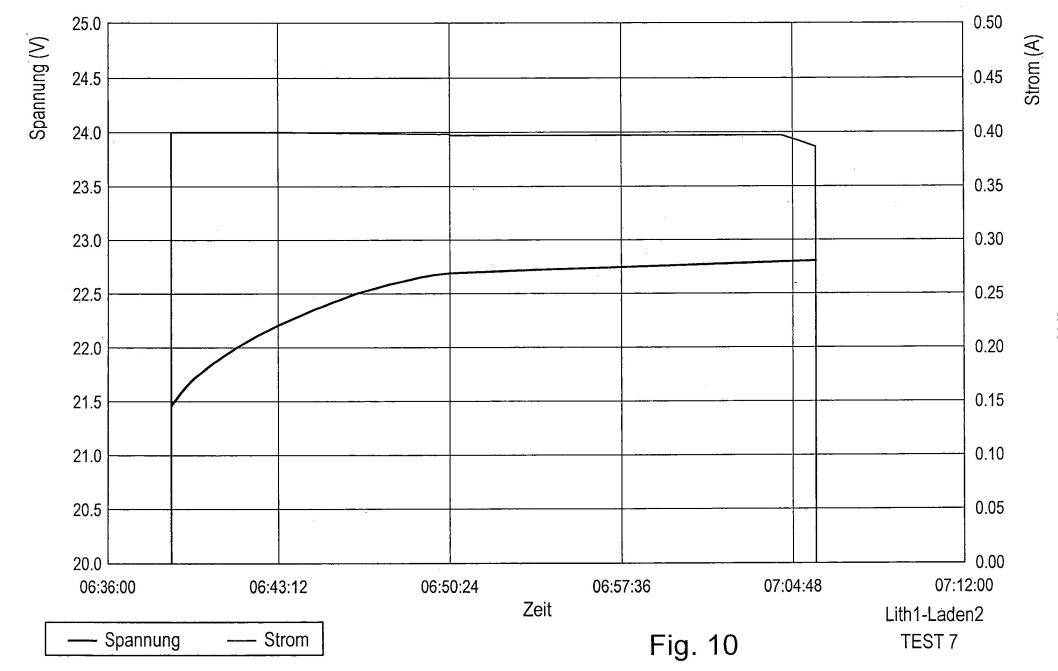
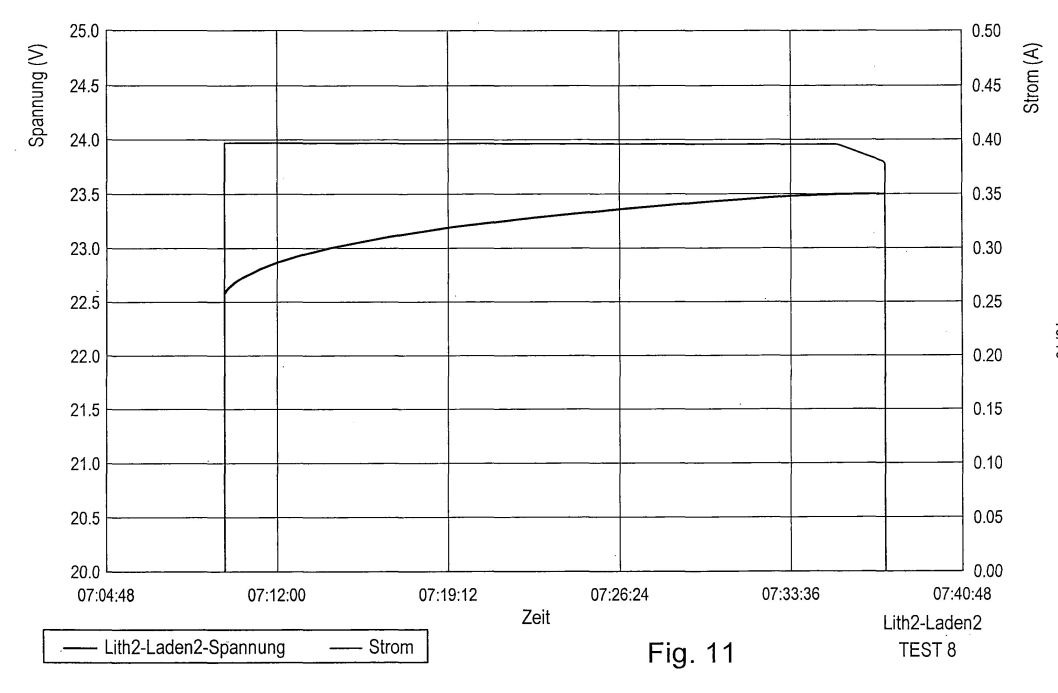
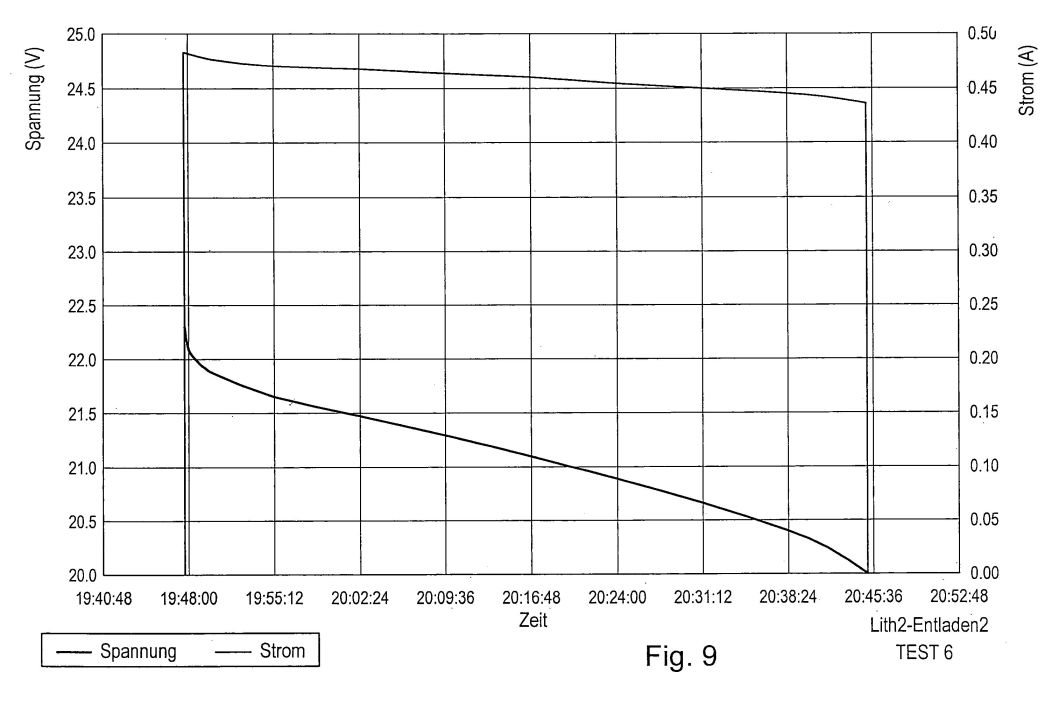
Voltage of 23.8 V built up in ~10 s; voltage of 33 V after ~90 s; capacitor bank charged in ~0.5 s; DC motor (12 V, 0.8 A) ran for 144 h on a deep-discharged battery; discharge currents melted a 1 mm^2 filler wire within milliseconds.
Experimental Evidence
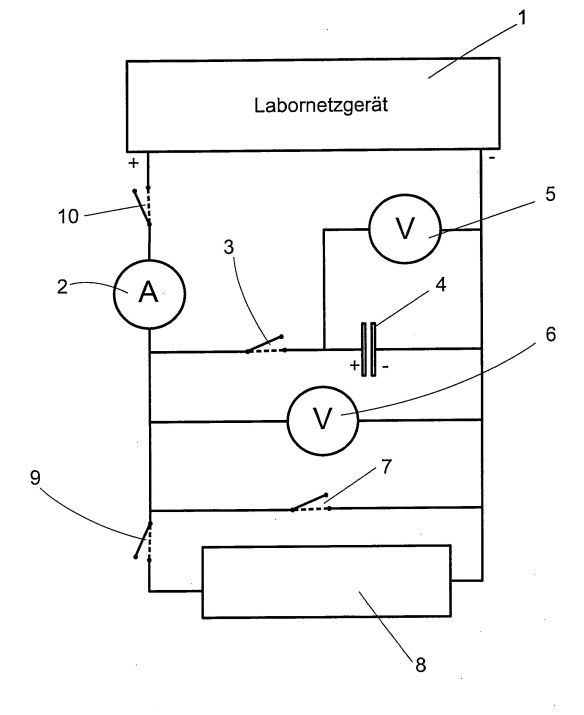
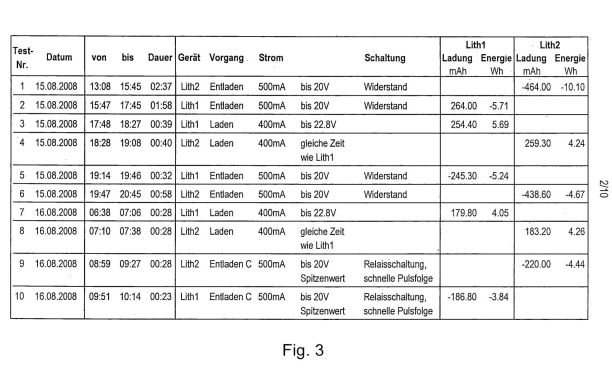
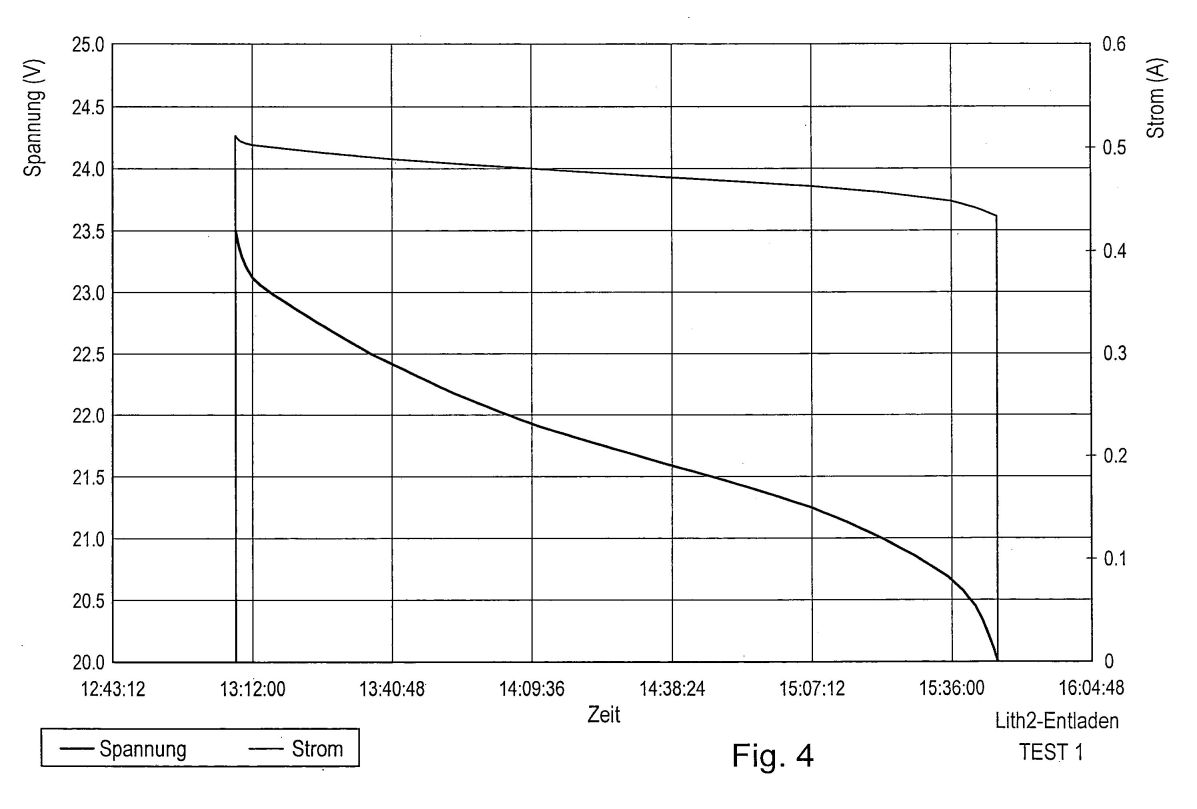
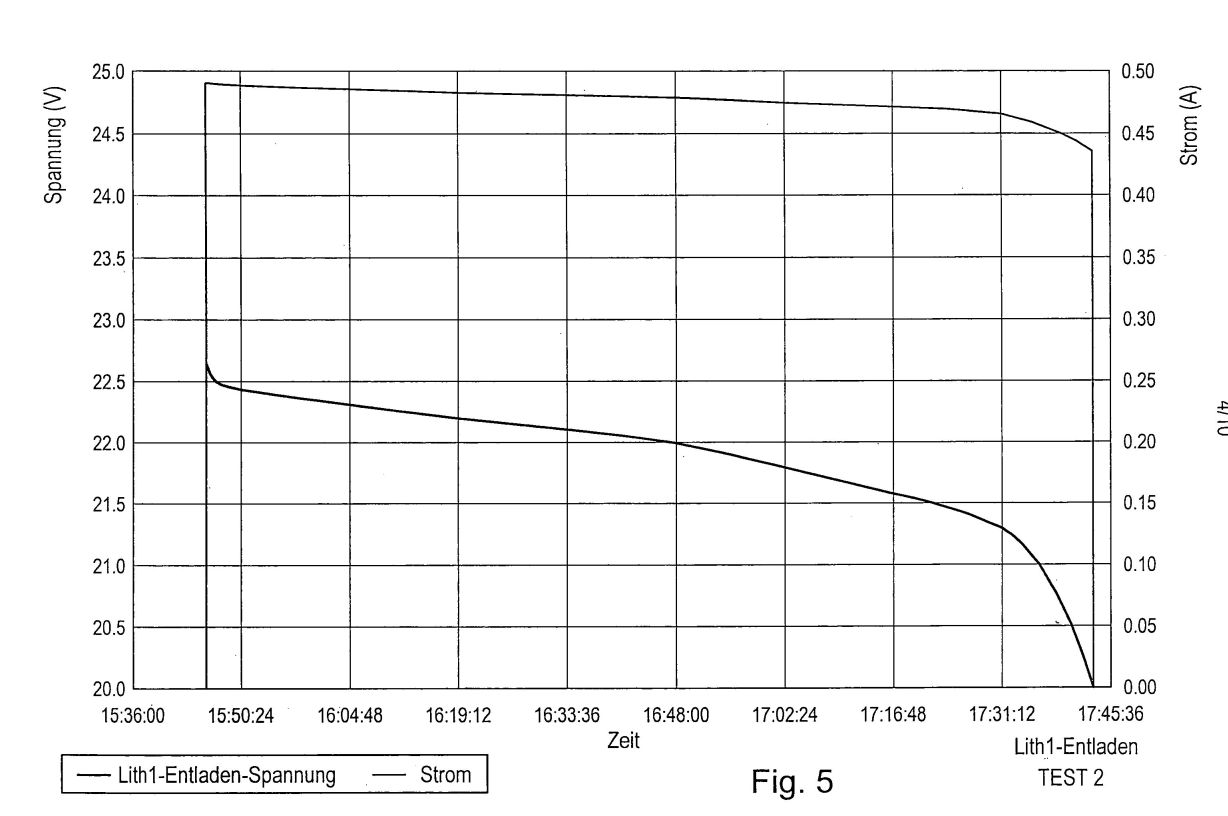
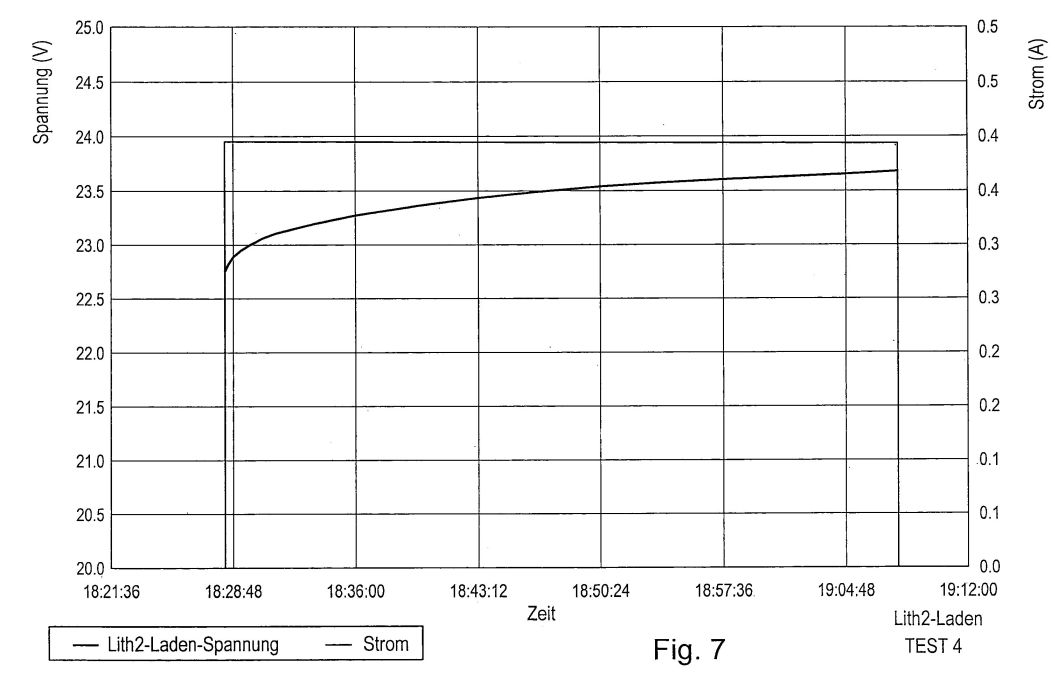
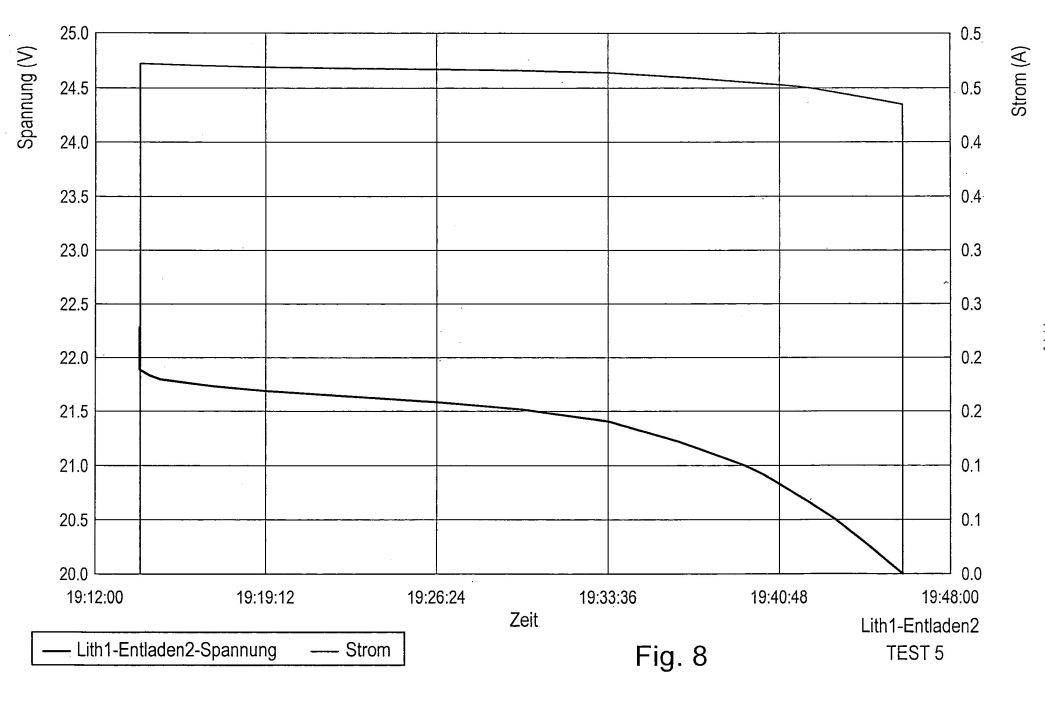
In a laboratory test six 750 mAh lithium-ion cells were placed in a permanent-magnet array and connected to a parallel bank of electrolytic capacitors. After ~10 s a voltage of 23.8 V appeared across the battery terminals, and after ~90 s a 33 V voltage appeared across the capacitor bank. The motor test showed continuous operation for 144 h with only 80 mA draw, and capacitor discharge produced sparks and melted wire.
Limitations
- No independent replication reported
- Mechanism not fully explained
- Claims of energy gain beyond chemical input
Red Flags
- Observed voltage increase without external energy input
- Potential violation of energy conservation
- Lack of peer-reviewed data