Goal
Create an eco-friendly, high-strength mouldable material that can replace wood, plastics and composite resins in manufacturing.
Problem
Depleting wood resources and environmental damage from petro-chemical plastics; need for sustainable, biodegradable building and product materials.
Concept Summary
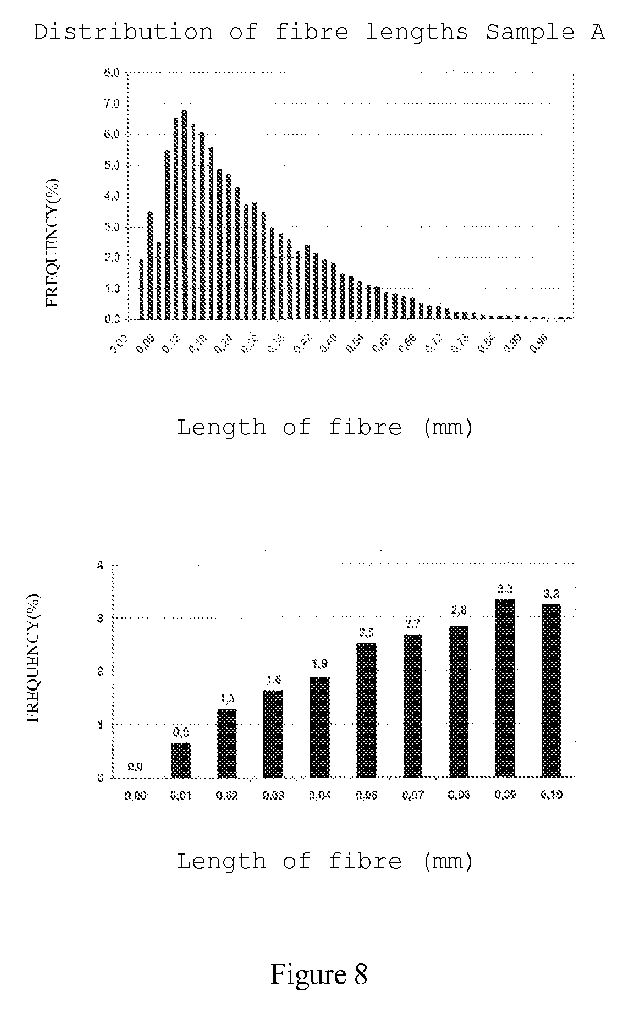
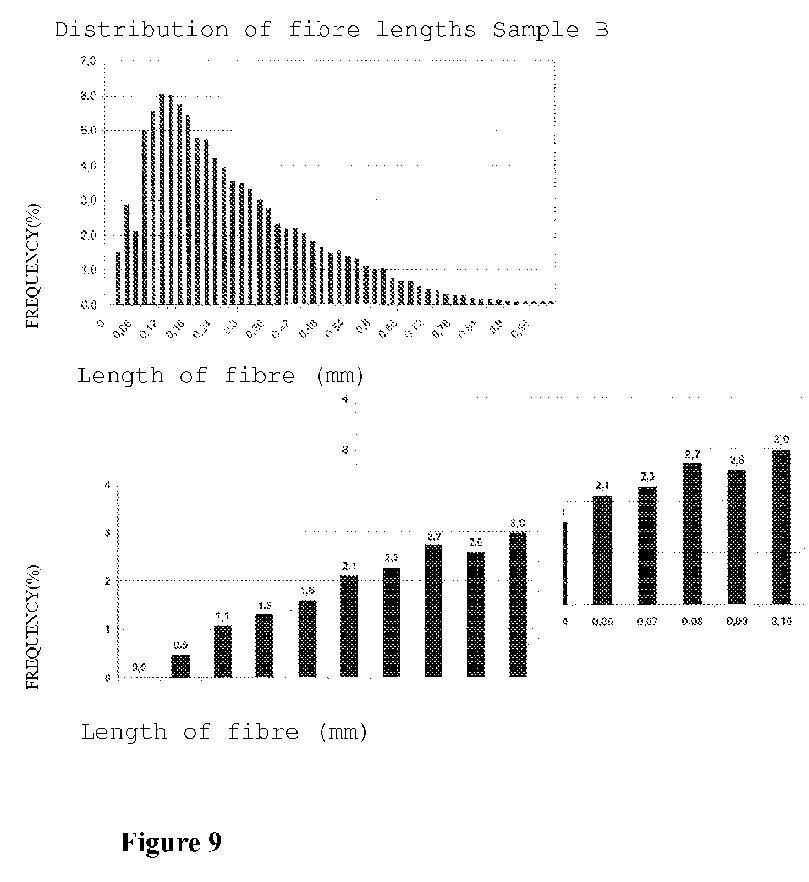
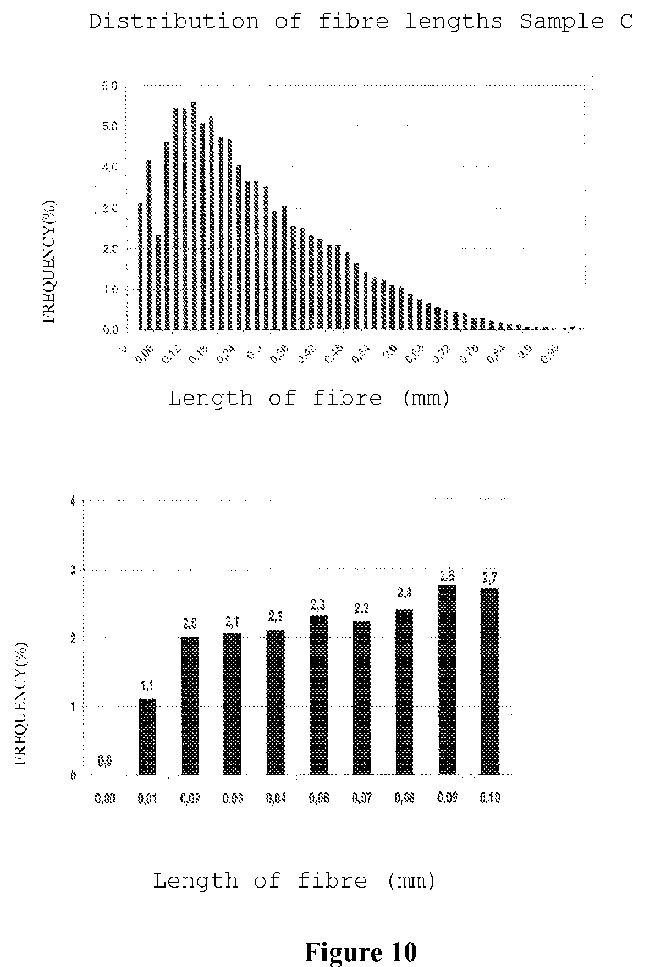
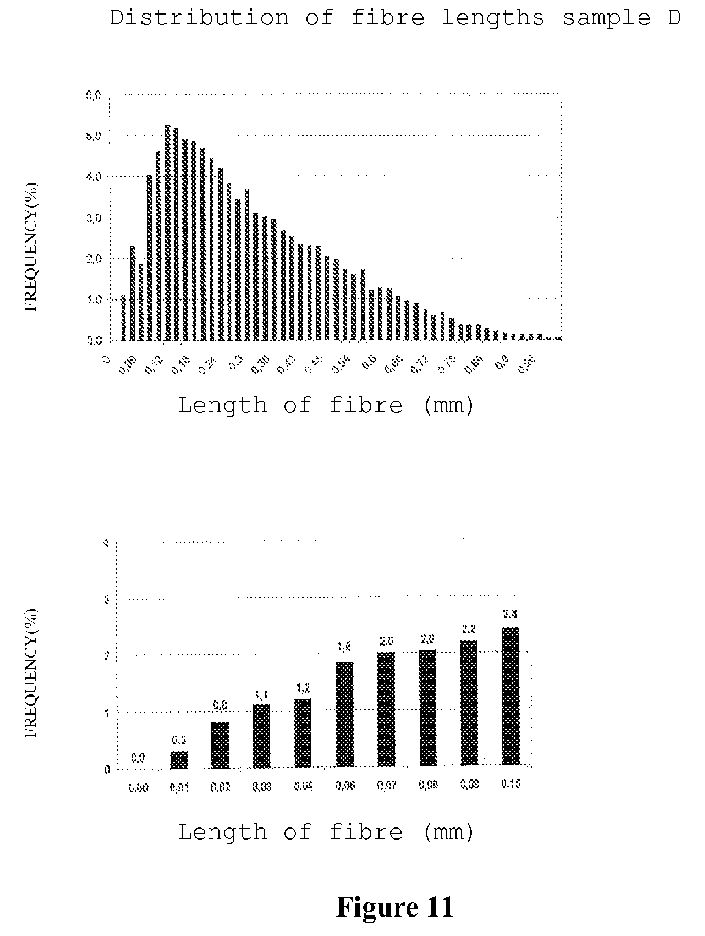
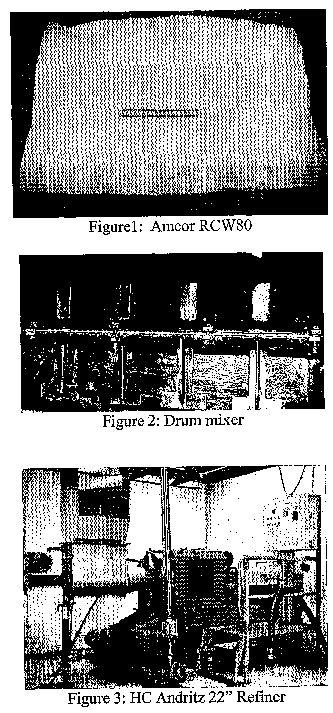
Zeoform converts waste cellulose fibers (hemp, paper, cotton, etc.) and water into a microfiber pulp through high-energy grinding. The pulp is formed and dried, hardening without binders, chemicals, pressure or external adhesives. The resulting material can be lightweight or dense, comparable to hardwood, and can be shaped by spraying, moulding, pressing or machining.
Principles
- Mechanical defibration of cellulose fibers to increase surface area
- Hydrogen-bonding and inter-fiber entanglement during drying
- Water-content controlled plasticity and hardening
Scientific Domains
Materials
- cellulose fibers
- hemp
- recycled paper
- cotton
- jute
- bamboo
- wood chips
Mechanisms of Action
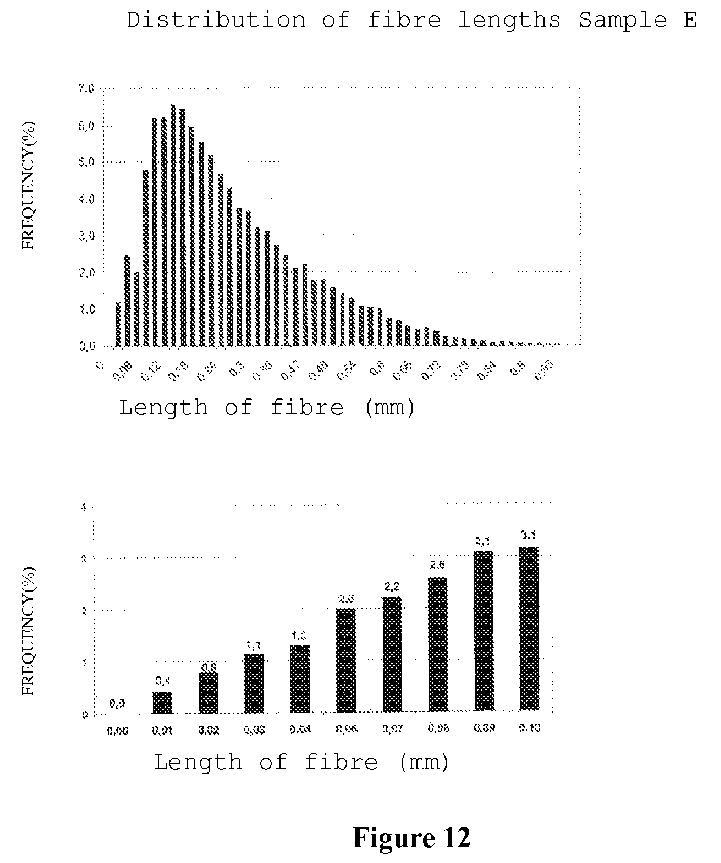
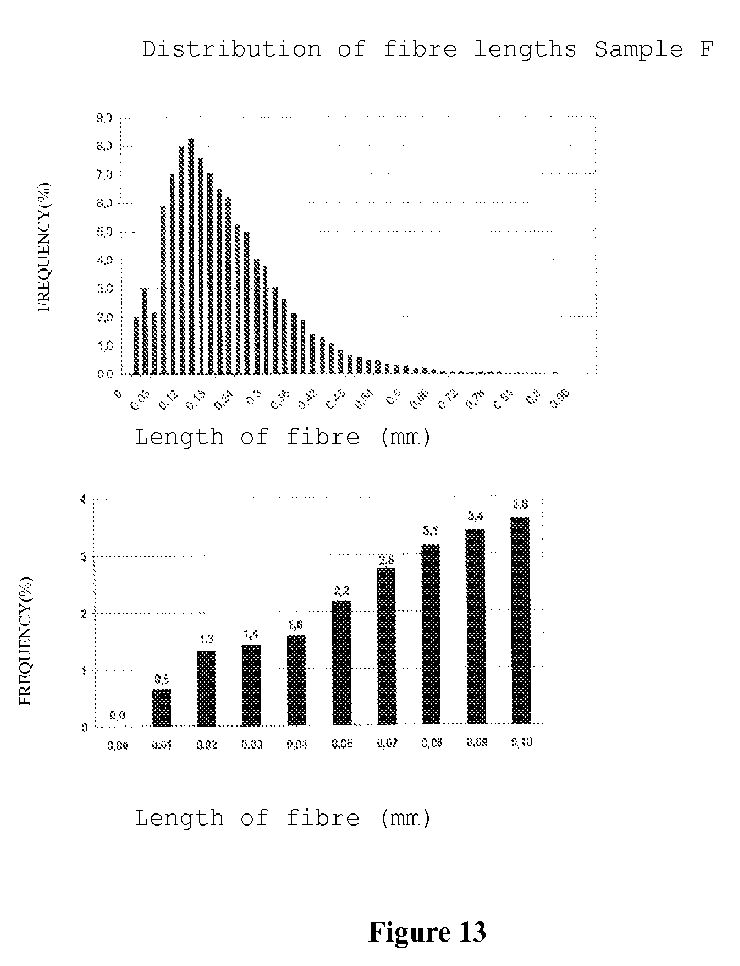
- Fiber length reduction and fibrillation create a high-surface-area pulp
- Drying induces shrinkage, pulling fibers together and forming a solid matrix
- Optional reinforcement with longer fibers or mineral fillers
Applications
- construction (panels, boards, insulation)
- furniture manufacturing
- packaging
- designer products
Claimed Performance
Specific gravity up to 1.5; strength values that can exceed hardwood; can be produced ranging from styrofoam-light to ebony-dense.
Experimental Evidence
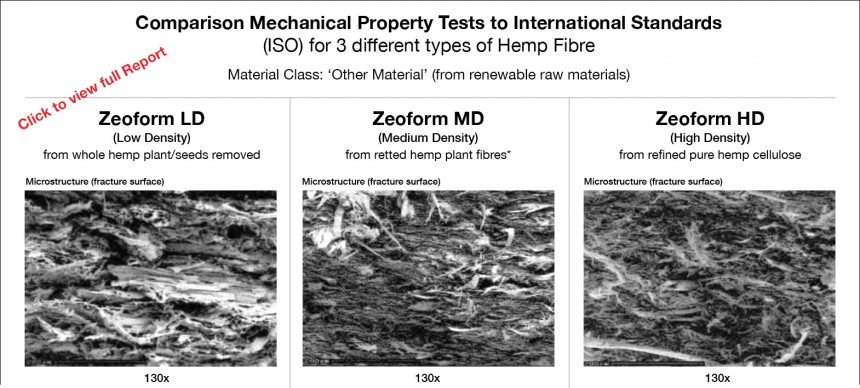
Several grades of Zeoform have been extensively tested to international ISO standards by qualified 3rd parties, a European University, and a European Government programme.
Replication Status
Tested by qualified 3rd parties, a European University and a European Government programme (no commercial scale reported).
Limitations
- Energy-intensive grinding (>=0.5 kWh/kg, up to 2-2.5 kWh/kg)
- Material properties depend critically on water content and drying regime
- Current data on long-term durability and large-scale cost not provided