Goal
Increase fuel efficiency and reduce emissions of internal combustion engines by supplying oxygen, hydrogen, steam, and structured water generated via on-board electrolysis.
Problem
Low fuel efficiency and high pollutant emissions of conventional internal combustion engines; safety hazards (explosion risk) associated with prior HHO generation systems.
Concept Summary
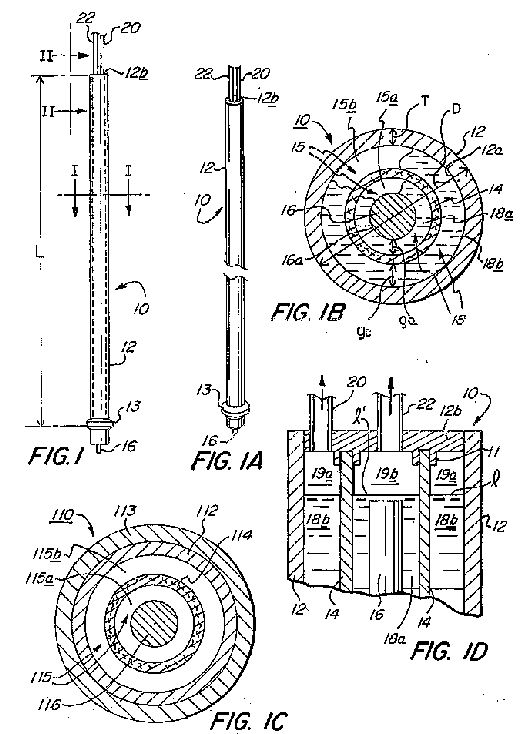
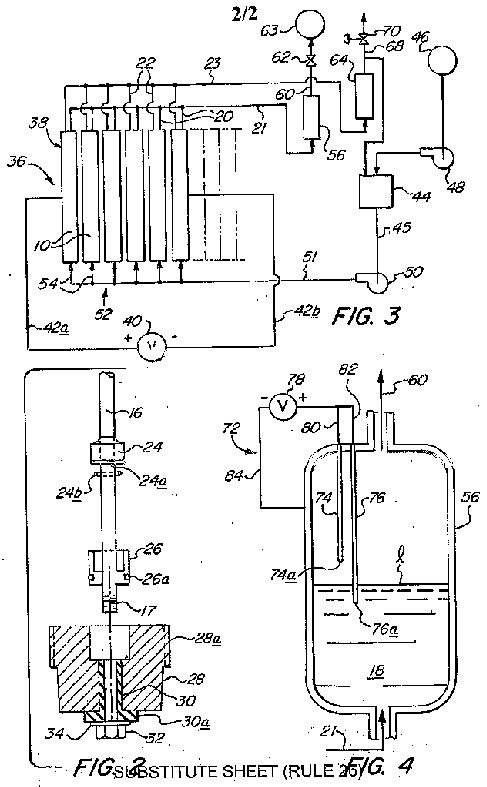
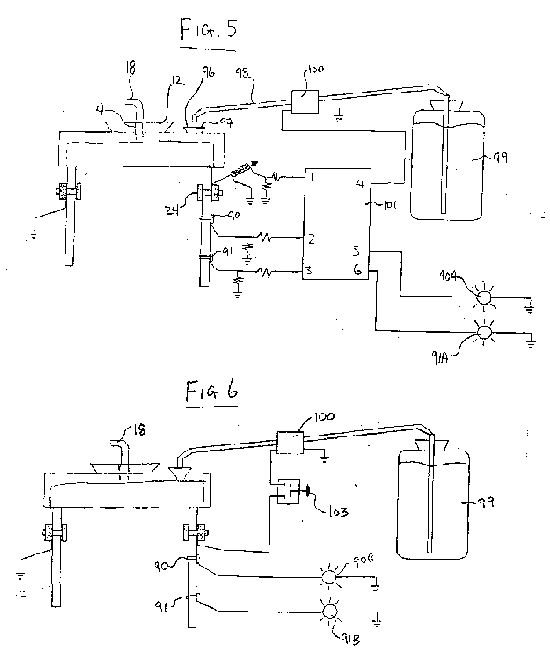
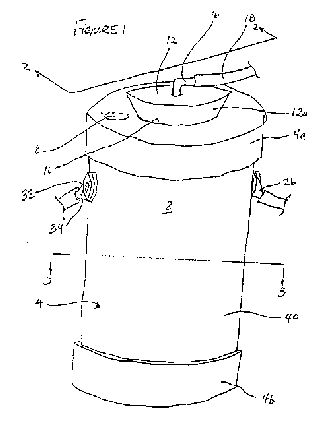
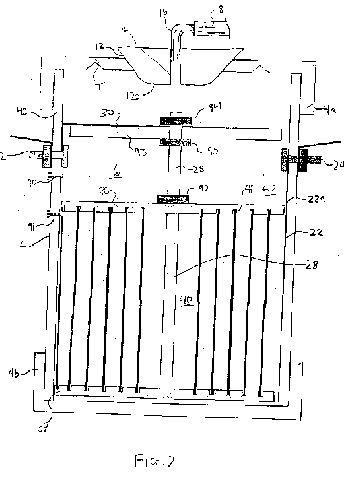
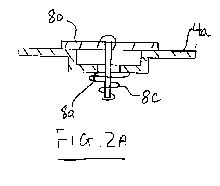
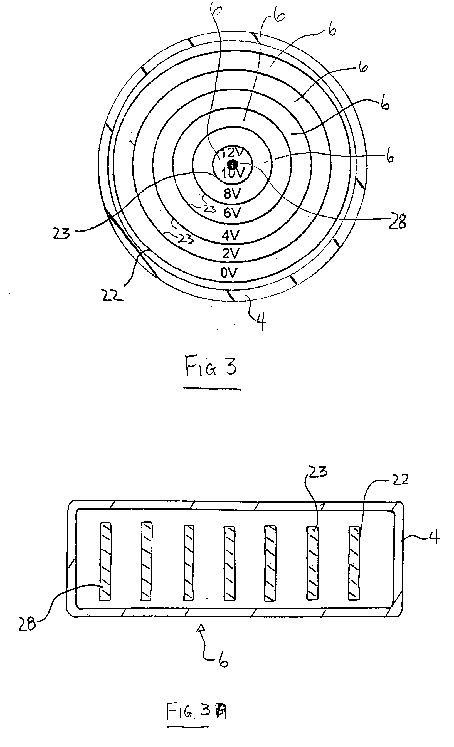
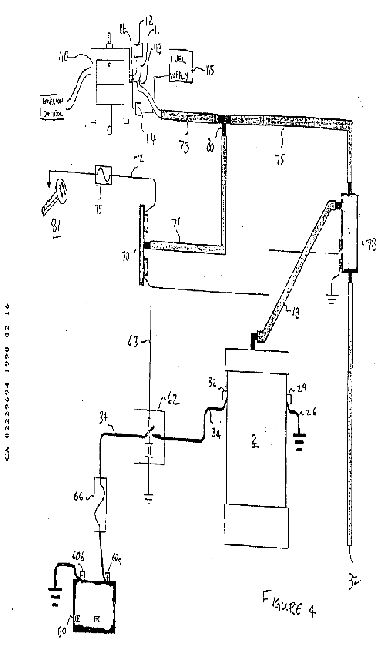
An on-board electrolytic cell (sealed ABS chamber) containing an aqueous KOH electrolyte produces a mixture of oxygen, hydrogen, steam, and structured water. The mixture is routed through a sealed duct to the engine air-intake, enriching the combustion charge and facilitating cracking of long-chain hydrocarbons. Safety features (burstable pressure-release section, pressure-release plug, vent valve) mitigate explosion risk.
Principles
- Electrolysis of water
- Hydrogen/oxygen enrichment of intake charge
- Cracking of hydrocarbons by reactive gases and steam
- Structured water formation around potassium ions
Scientific Domains
Materials
- Acrylonitrile butadiene styrene (ABS) resin
- Stainless-steel electrodes
- Potassium hydroxide (KOH) electrolyte solution
- Water
Mechanisms of Action
- Direct-current electrolysis generates H_2, O_2, steam, and structured water
- Mixed gases are introduced into the engine intake manifold
- Hydrogen and oxygen combust with fuel, increasing flame speed and completeness
- Steam and structured water assist in thermal cracking of unburned hydrocarbons
Energy Sources
Applications
- Automotive fuel-efficiency improvement
- Emission reduction for gasoline/diesel engines
Claimed Performance
Improved fuel efficiency and reduced emissions of an internal combustion engine (qualitative claim, no quantitative data provided).
Limitations
- Requires continuous supply of KOH electrolyte
- Safety depends on proper functioning of pressure-release features
- No quantitative performance data presented
- Durability of ABS housing under long-term thermal cycling
Red Flags
- Absence of experimental results or peer-reviewed data
- Reliance on the controversial concept of "structured water"
- Potential explosion hazard if pressure-release system fails