Goal
Promote tooth remineralisation, reduce dentine hypersensitivity, inhibit caries and periodontal disease.
Problem
Tooth demineralisation and sensitivity, especially in older individuals with reduced saliva flow, leading to cavities and gum recession.
Concept Summary
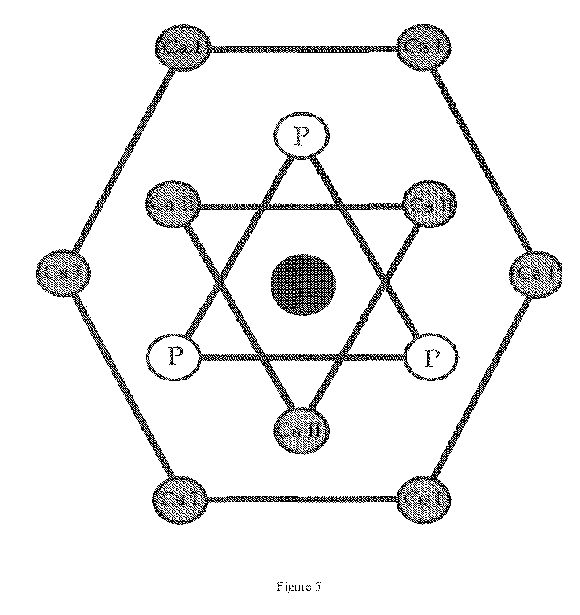
A multicomponent oral care composition that combines a fluoride ion source, a calcium ion source, a phosphate ion source and stabilised chlorine dioxide. The ingredients act synergistically to provide antibacterial action, plaque removal and controlled release of calcium and phosphate, thereby facilitating the formation of fluorapatite and remineralising enamel.
Principles
- Synergistic effect of multiple active ingredients
- Controlled release of calcium and phosphate from particulate sources
- Antibacterial oxidation by stabilised chlorine dioxide
- Fluoride-enhanced fluorapatite formation
Scientific Domains
Materials
- Fluoride salts (e.g., sodium fluoride, stannous fluoride, sodium monofluorophosphate)
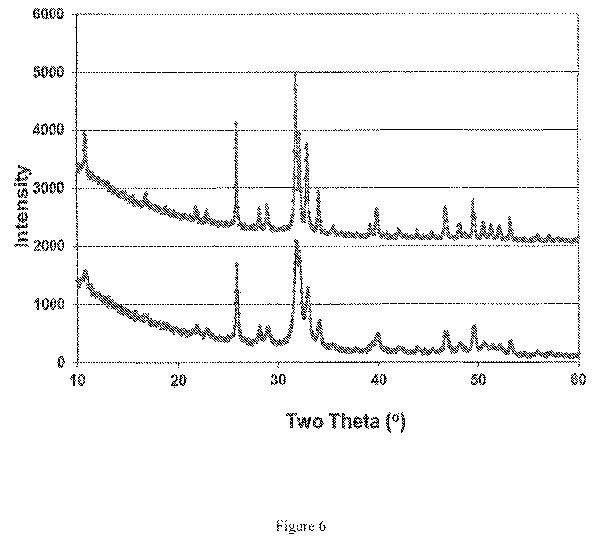
- Nano-crystalline apatite (calcium phosphate) particles
- Stabilised chlorine dioxide solution
- Carbonate or bicarbonate buffering agents
Mechanisms of Action
- Fluoride ions substitute hydroxyl groups in hydroxyapatite to form more acid-resistant fluorapatite
- Calcium and phosphate ions are released from nano-crystalline apatite particles, supplying building blocks for remineralisation
- Stabilised chlorine dioxide oxidises bacterial cell walls and disrupts biofilm matrix, reducing plaque
- Plaque removal improves access of fluoride, calcium and phosphate to demineralised tooth surfaces
Applications
- Toothpaste
- Oral spray
- Mouthwash / oral rinse
Claimed Performance
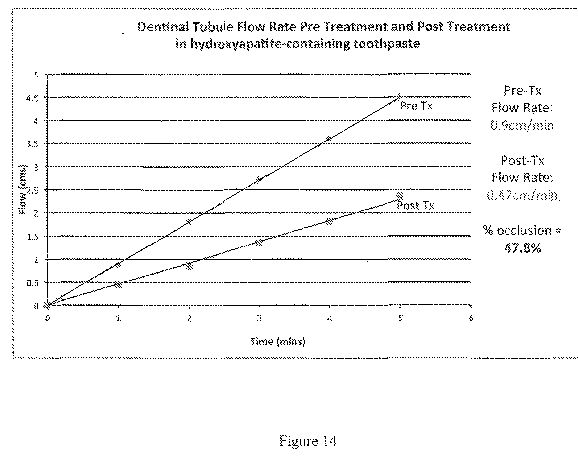
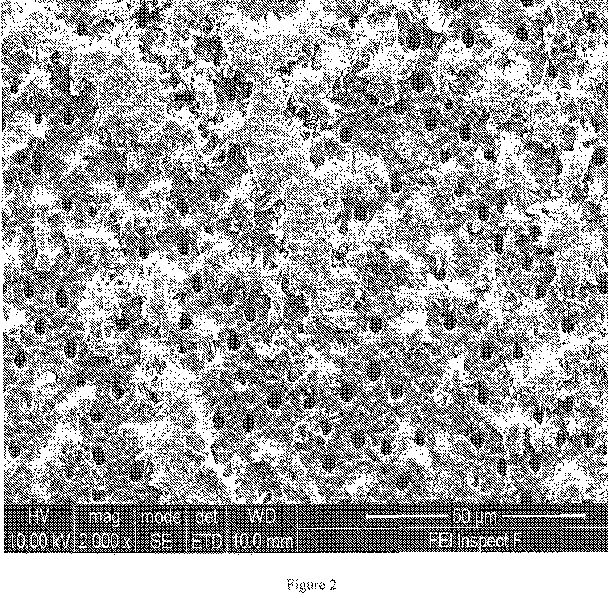
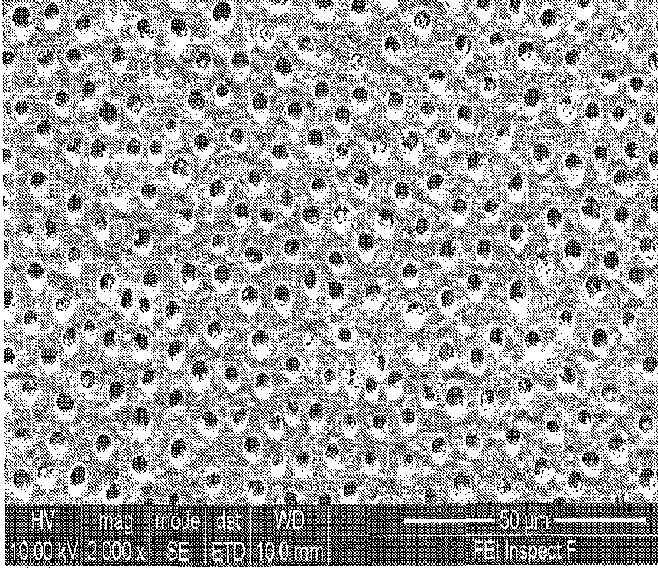
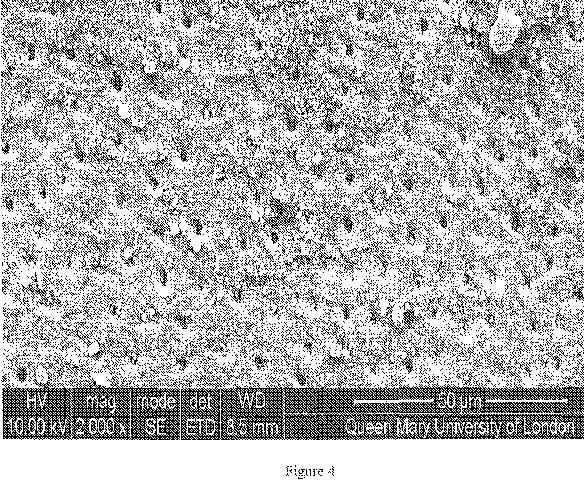
The composition can regrow teeth to fill small cavities, markedly reduce sensitivity and promote remineralisation of enamel.
Experimental Evidence
NovaMin technology, based on a similar bioactive glass, has a long history of successful clinical trials; studies have demonstrated that stabilised chlorine dioxide has bactericidal effects and that fluoride, calcium and phosphate together enhance remineralisation.
Replication Status
The formulation is licensed by Periproducts Ltd and has been commercialised under the NovaMin brand in several countries.
Limitations
- Effectiveness depends on adequate release of calcium and phosphate from particles
- Reduced saliva flow in elderly may limit natural remineralisation assistance
- Potential taste or staining issues from chlorine dioxide
Red Flags
- Claims of teeth "regrowing" may be overstated without quantitative data
- Synergistic effect is asserted but not independently validated in peer-reviewed studies