Goal
Produce a high-energy ray that can penetrate dense materials, alter the weight of matter, decompose water, and provide medical imaging/therapy.
Problem
Limitations of existing X-ray technology (penetration depth, medical utility) and the desire for a controllable, high-penetration radiation source.
Concept Summary
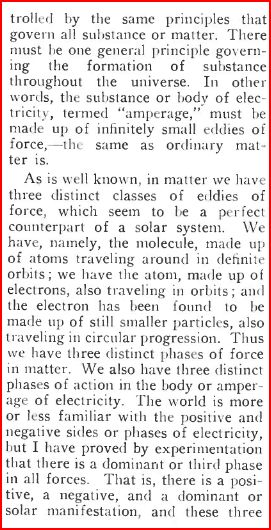
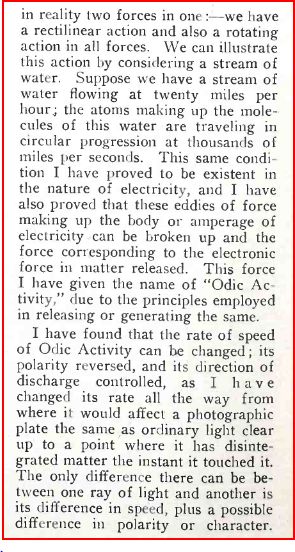
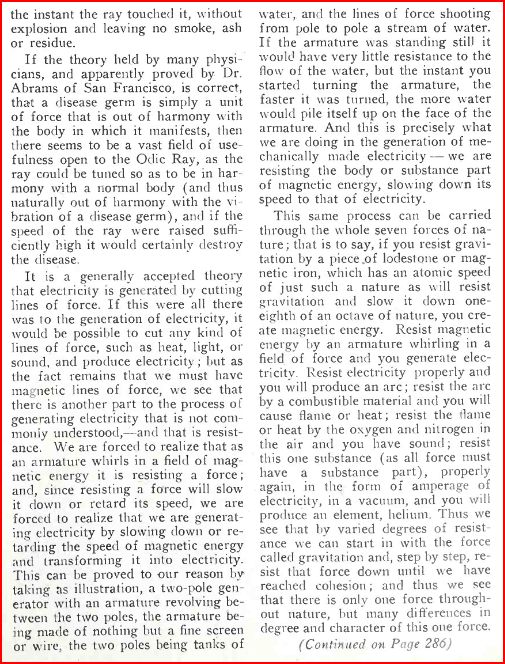
The Odic Activity Ray is claimed to be a form of electricity treated as a substance where amperage represents the substance and voltage the speed. By increasing the atomic rotation speed of matter and breaking it into a rotational force, the ray can change the weight of objects, penetrate thick metal, make rock transparent, and split water into hydrogen and oxygen.
Detailed Description
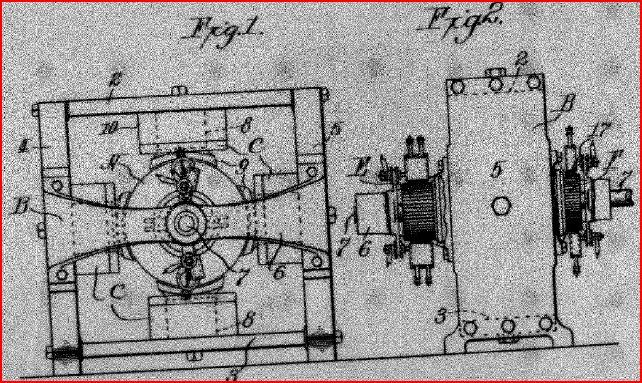
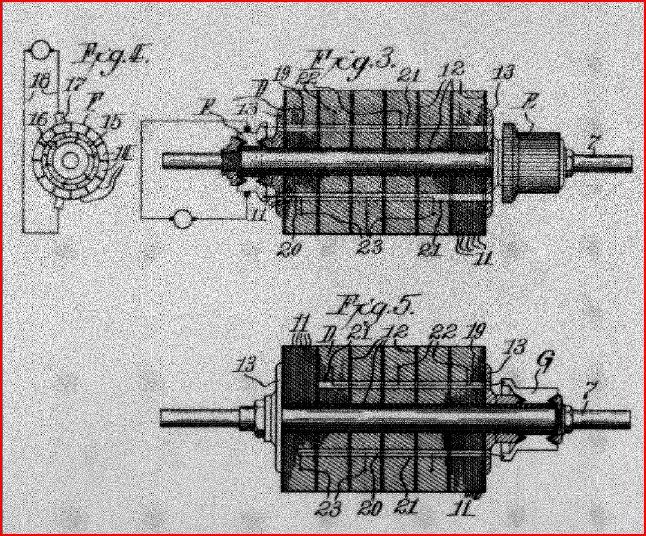
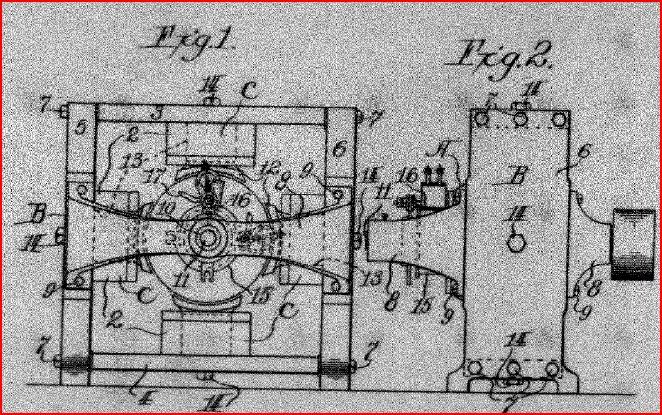
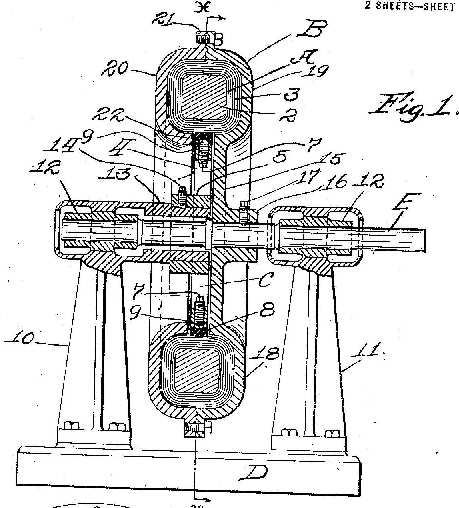
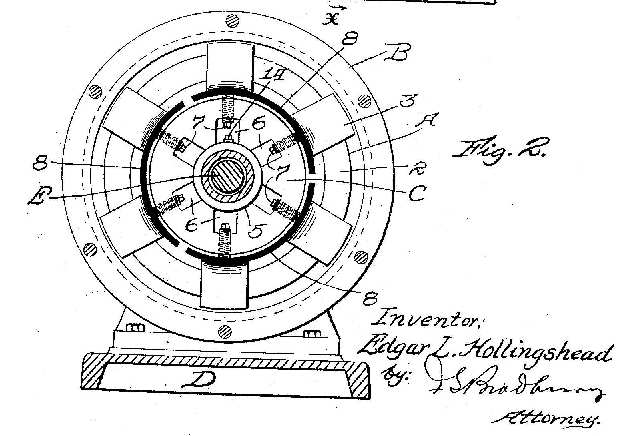
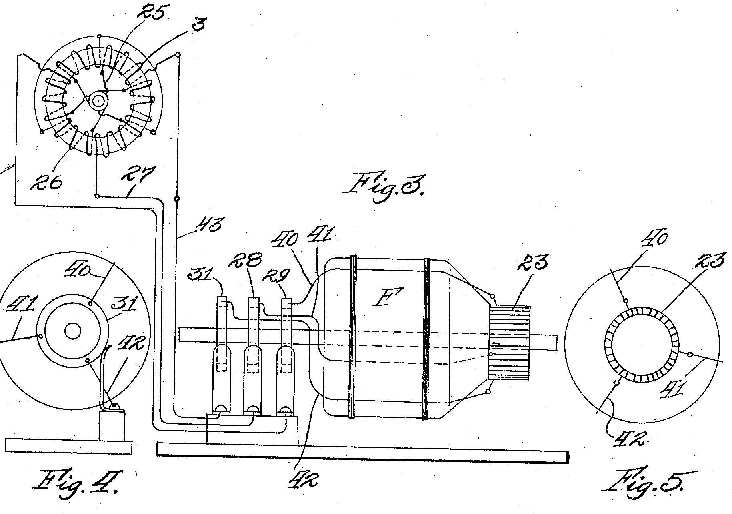
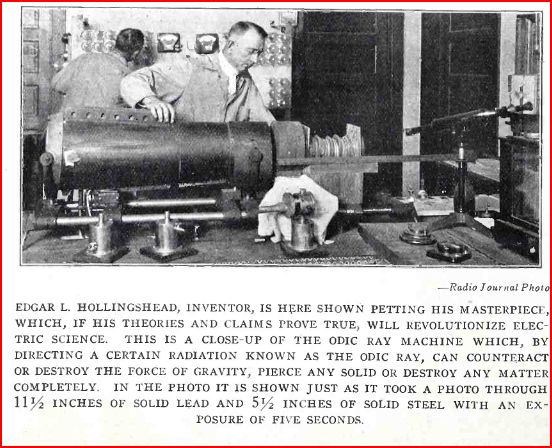
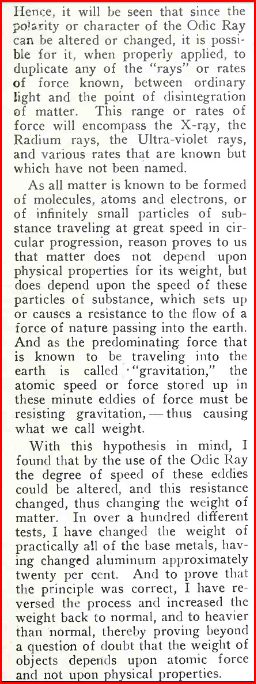
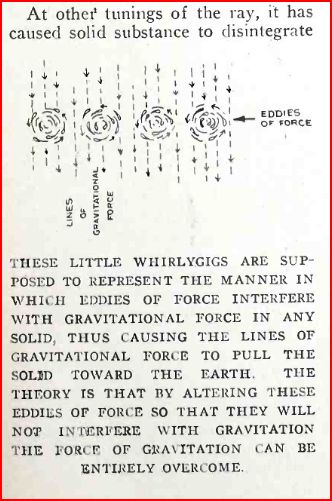
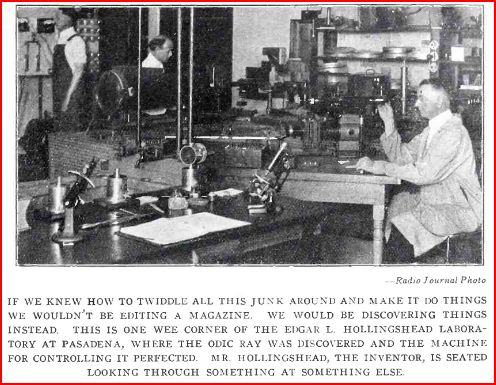
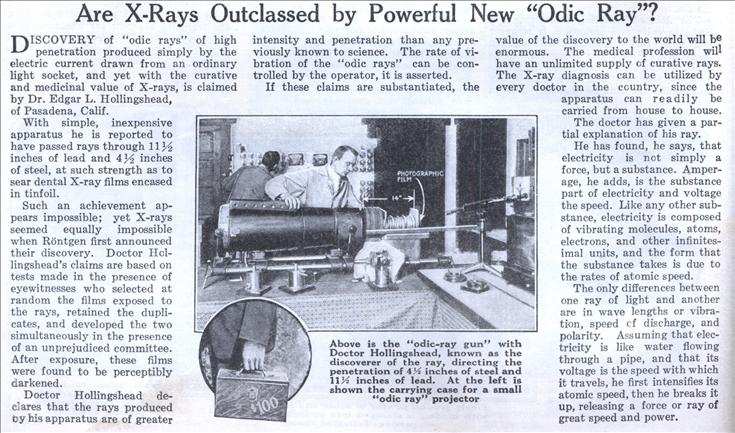
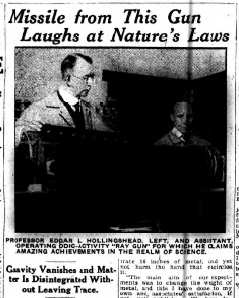
Hollingshead describes an apparatus powered from an ordinary light-socket that generates a controllable discharge. The discharge is said to consist of rapidly rotating eddies of force (the "Odic Activity") whose speed can be varied, reversed, and directed. By adjusting the speed of these eddies, the weight of a material can be increased or decreased reversibly. Reported demonstrations include penetrating 111/2 in. of lead and 41/2 in. of steel, searing dental X-ray film, making hard clay explode, rendering opaque rock transparent, instantly splitting water into H_2 and O_2, and permanently cooling metal. The ray is also claimed to be capable of being focused like a "ray gun" for military or commercial use.
Principles
- Electricity as a substance (amperage = substance, voltage = speed)
- Rotational force (eddy of force) can be broken and released
- Atomic rotation speed determines weight
- 3:6:9 ratio of force phases
- Controlled discharge frequency and polarity
Scientific Domains
Materials
- Copper wiring
- Iron core
- Steel components
- Glass bulb (if used)
Mechanisms of Action
- Altering atomic rotation speed of matter
- Generating a high-frequency, high-energy discharge
- Penetration of dense media via high-energy photons or particles
- Inducing chemical decomposition (water splitting) through energetic interaction
Energy Sources
Applications
- Medical imaging and therapy
- Material processing (weight alteration, cutting)
- Water electrolysis
- Potential propulsion or levitation systems
Claimed Performance
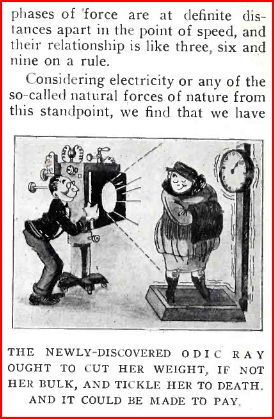
Penetrates 111/2 in. of lead and 41/2 in. of steel; changes metal weight up to 100x; makes rock transparent; sears X-ray film; splits water instantly; reduces aluminum weight by 20 % and can make it heavier; explosive effect on hard clay.
Experimental Evidence
Eyewitness tests with randomly selected X-ray films showed perceptible darkening after exposure; reported weight change of aluminum by 20 %; penetration of 16 in. of metal without hand injury; clay explosion and rock transparency observed; water split into hydrogen and oxygen.
Limitations
- No peer-reviewed data or independent replication
- Mechanism not grounded in accepted physics
- Safety of high-energy radiation not demonstrated
Red Flags
- Extraordinary claims without quantitative data
- Reliance on anecdotal eyewitness testimony
- Association with historical pseudoscientific figures (Keely, Tesla myths)