Goal
Maintain optimal engine and transmission temperatures to improve fuel economy, reduce emissions, and extend fluid life.
Problem
Conventional analog thermostats provide coarse temperature control, waste energy, and limit fuel efficiency and emissions performance.
Concept Summary
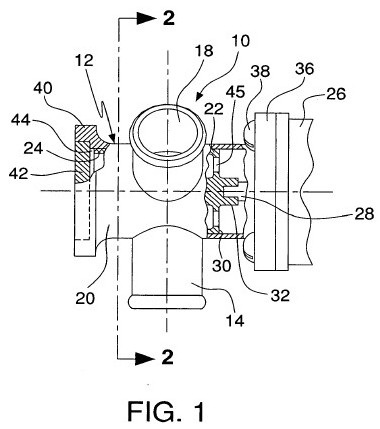
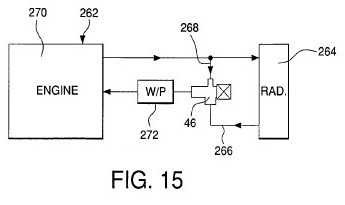
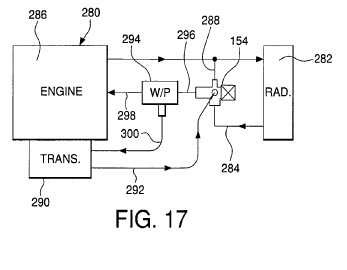
A digitally controlled valve with a rotatable flow diverter that redirects engine coolant between bypass, radiator, and heating lines based on real-time temperature feedback, allowing precise thermal management of the powertrain.
Detailed Description
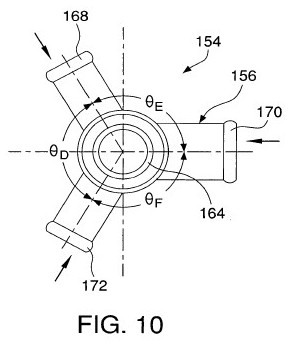
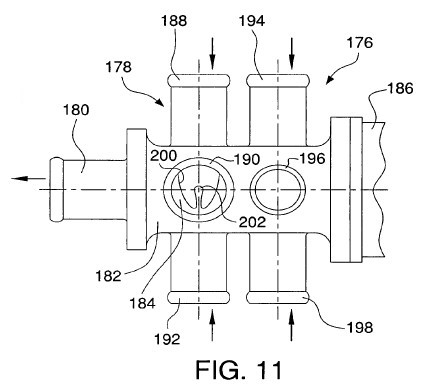
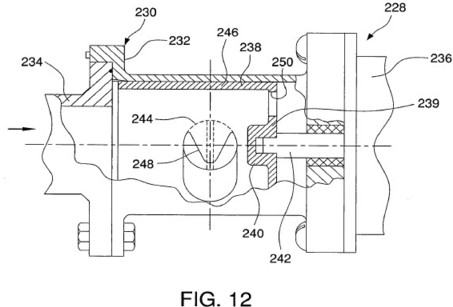
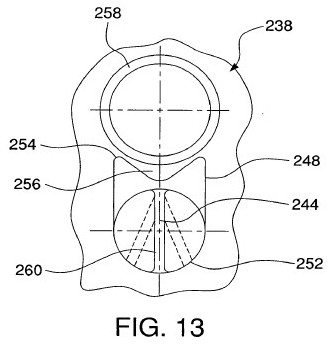
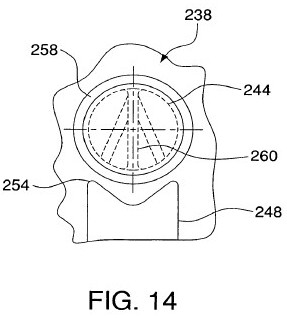
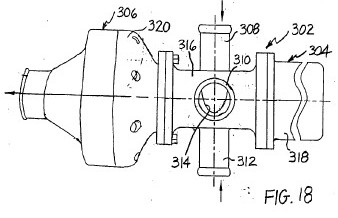
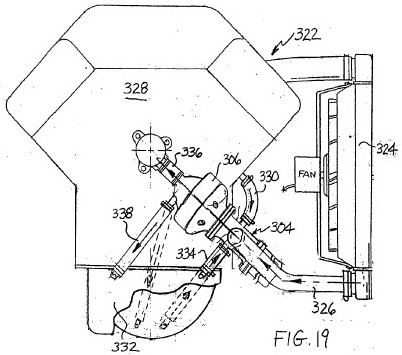
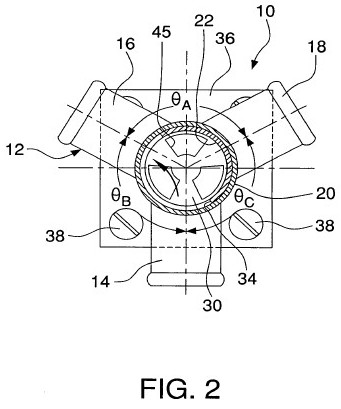
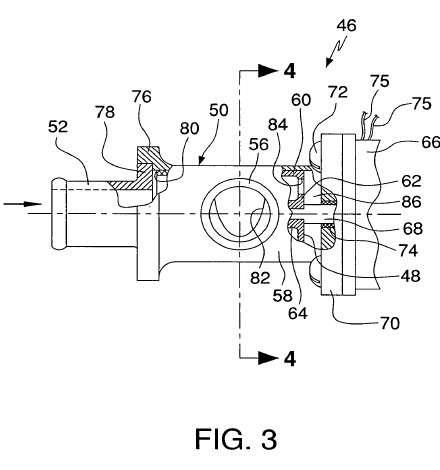
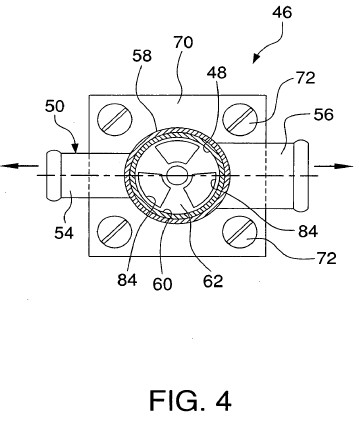
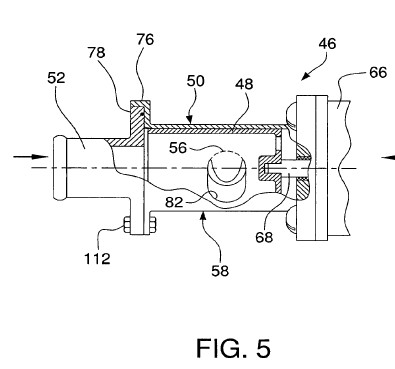
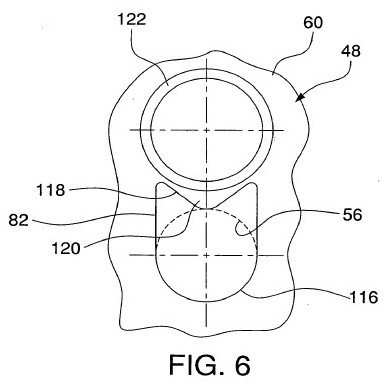
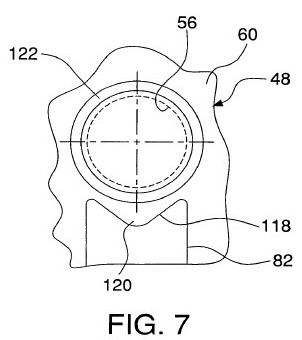
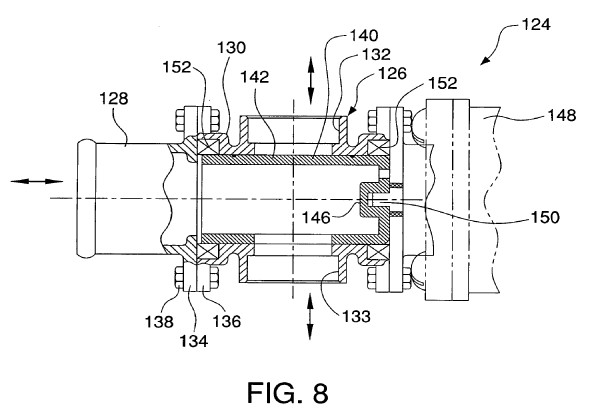
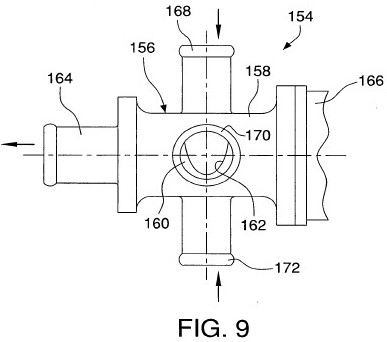
The valve body is molded from DuPont Zytel(R) HTN PPA resin and contains an inlet passageway and multiple discharge passageways. A cylindrical flow diverter, mounted on a motor, can rotate up to ~150 deg to change the discharge direction, typically from a straight-through to a perpendicular flow. An electronic controller monitors temperatures at several under-hood locations and drives the motor to position the diverter for optimal coolant routing under all load and ambient conditions. The system replaces the traditional thermostat and can be integrated into both OEM and after-market applications, including gasoline, diesel, and hybrid engines.
Principles
- Fluid dynamics
- Thermodynamics
- Electronic control
- Rotational mechanics
Scientific Domains
Materials
- DuPont Zytel(R) HTN PPA resin (plastic)
- Metal motor components (unspecified)
Mechanisms of Action
- Rotatable flow diverter redirects coolant flow
- Digital controller adjusts diverter position based on temperature sensors
- Fluid bearing prevents sticking under wet conditions
Energy Sources
Applications
- Automotive engine cooling
- Hybrid vehicle powertrain thermal management
- After-market fuel-efficiency upgrades
Claimed Performance
Fuel economy improvement of 8 % in winter and >5 % year-round; reduced emissions; longer oil-life due to higher oil temperature above dew point.
Experimental Evidence
Results from an initial three-year test program show an 8 % fuel-economy gain in winter and expectations of >5 % improvement year-round; the component is being tested to rigorous OEM specifications.
Replication Status
Internal testing completed; no independent replication reported.
Limitations
- Requires integration with vehicle electronic control unit
- Material durability at temperatures >130 deg C must be verified over long term
- Performance depends on accurate temperature sensor data