Goal
Provide lift and thrust for aircraft without conventional propellers, enabling very high speeds and heavy payload transport.
Problem
Limited thrust and speed of propeller-driven airplanes and the need for a new lift mechanism for airships and aircraft.
Concept Summary
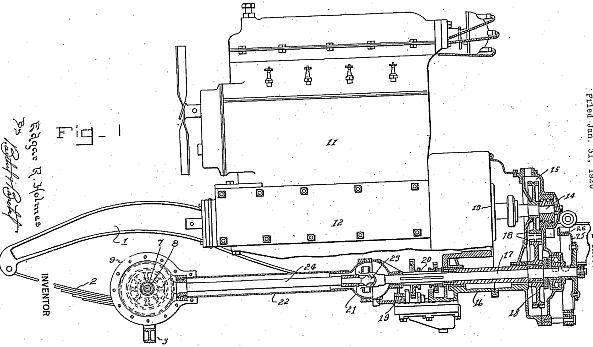
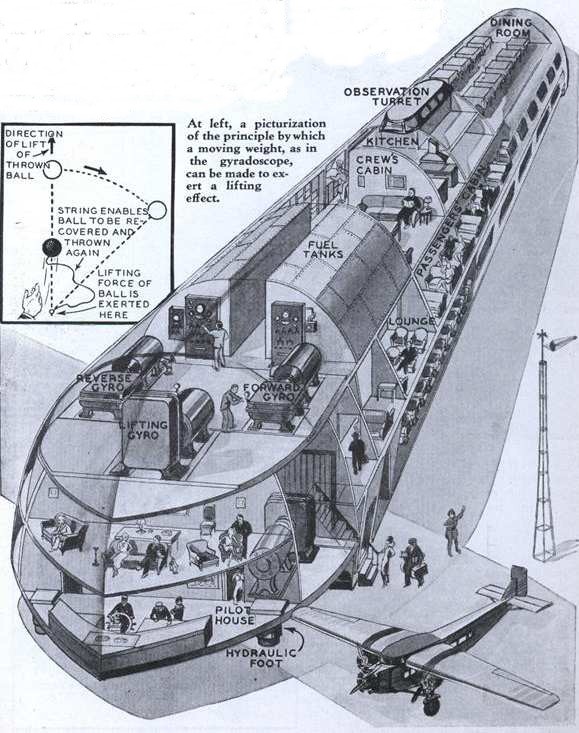
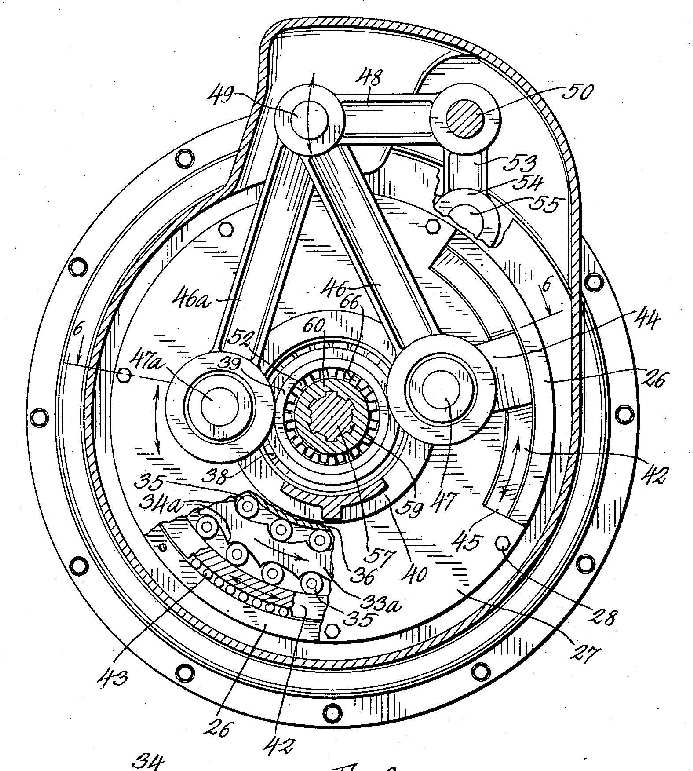
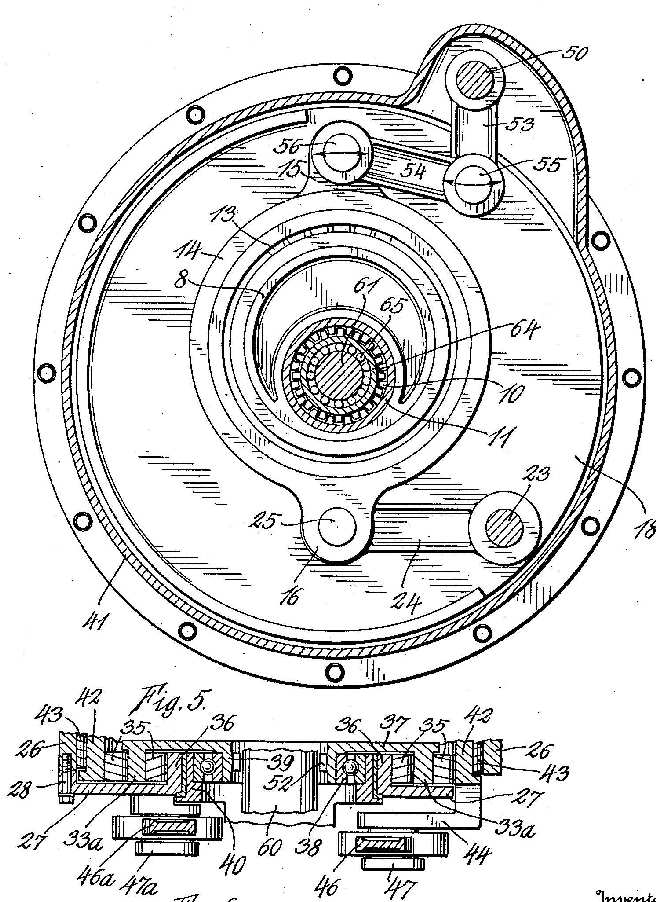
The device uses two counter-rotating wheels in the same plane, each equipped with several eccentric weights. As the wheels spin, the weights travel outward and inward, producing a combination of gyroscopic action and centrifugal force that creates a net upward (and forward) force when the weights are at the top of their travel.
Detailed Description
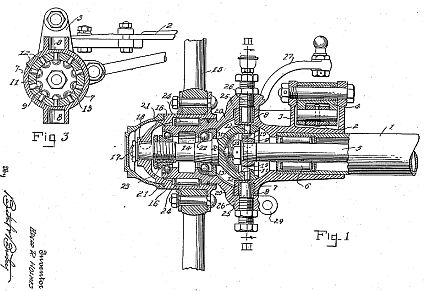
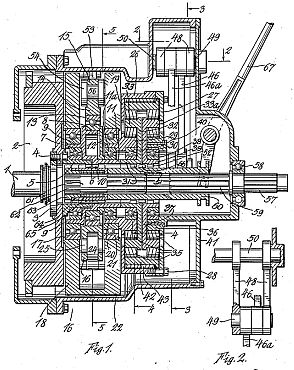
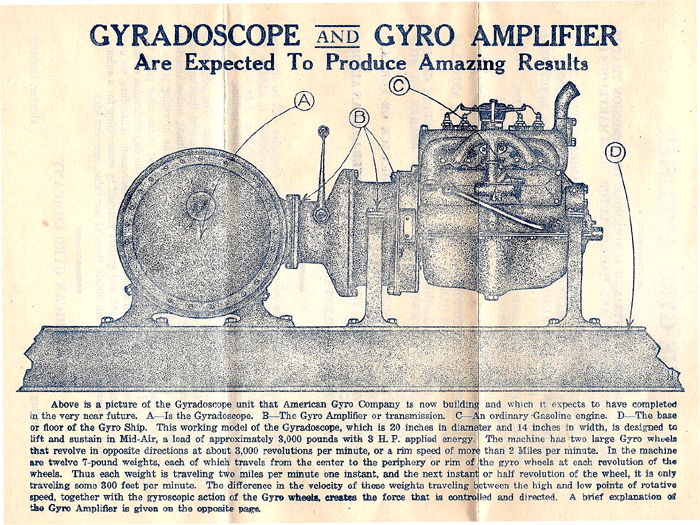
The gyradoscope consists of two large wheels rotating in opposite directions at roughly 3,000 RPM (rim speed > 2 mi/min). Each wheel carries twelve 7-lb weights attached to arms linked to eccentrics. The weights move from the wheel centre to the rim and back each revolution, traveling up to two miles per minute at the high point and about 300 ft/min at the low point. The differing velocities, together with the gyroscopic reaction of the wheels, generate a lifting effect analogous to a ball on a string pulling upward when the string is taut. A prototype (20 in x 14 in) was bolted to a freight-elevator floor and raised/lowered with a 20-hp gasoline engine. The inventor claimed each horsepower could lift 1,000 lb vertically, a 3-hp unit could sustain a 3,000-lb load, and a 2,000-lb machine could lift 500 tons. Forward motion and steering are to be supplied by similar gyroscopic mechanisms.
Principles
- Gyroscopic effect
- Centrifugal force
- Eccentric mass motion
Scientific Domains
Materials
- Steel (wheels)
- Iron (weights)
- Aluminum (frame)
Mechanisms of Action
- Gyroscopic lift
- Centrifugal force generation
- Weight shifting via eccentrics
Energy Sources
Applications
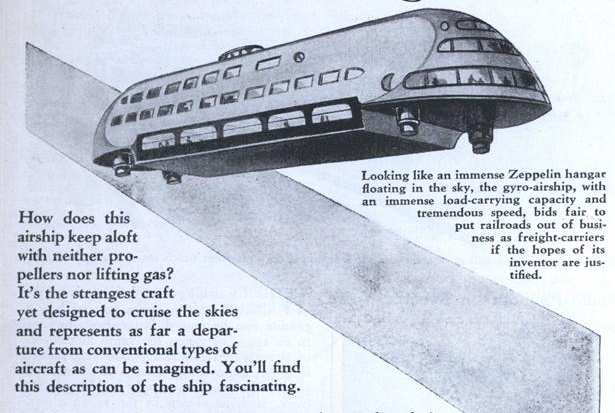
- Airship lift
- Heavy-payload aircraft
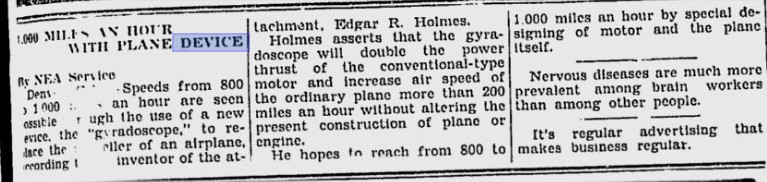
- High-speed propulsion
Claimed Performance
1 hp lifts 1,000 lb vertically; 3 hp lifts 3,000 lb; prototype lifts 500 tons with a 2,000 lb machine; expected aircraft speeds 800-1,000 mph.
Experimental Evidence
A working model (20 in x 14 in) bolted to the floor of a freight elevator was raised and lowered with ease using a 20-hp gasoline engine.
Replication Status
Only a single prototype demonstrated by the inventor; no independent replication reported.
Limitations
- Mechanism described as "somewhat obscure"
- No quantitative efficiency data
- Scaling from prototype to full-size aircraft not demonstrated
- Reliance on high-speed rotating masses raises structural and safety concerns
Red Flags
- Extraordinary claims (500 tons lift, 1,000 mph speed) without peer-reviewed data
- No independent testing or replication
- Historical context of many "free-energy" style inventions