Goal
Generate safe, cheap, clean energy by achieving nuclear fusion in ultra-dense deuterium without hazardous radiation.
Problem
Reliance on fossil fuels, high-cost nuclear reactors, radiation hazards, and limited availability of conventional fusion fuels.
Concept Summary
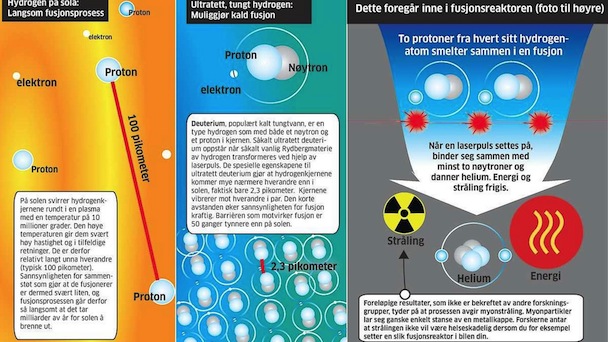
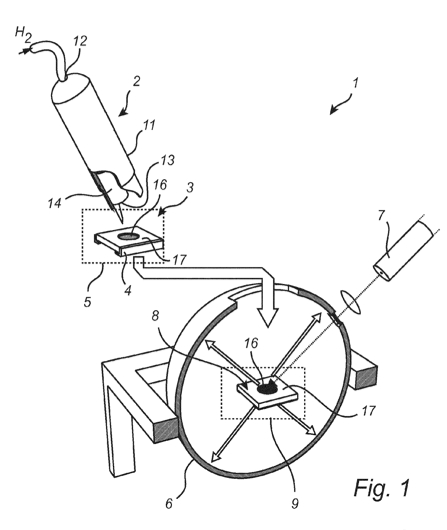
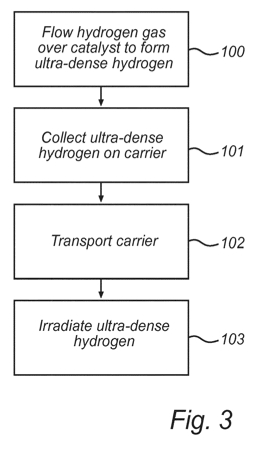
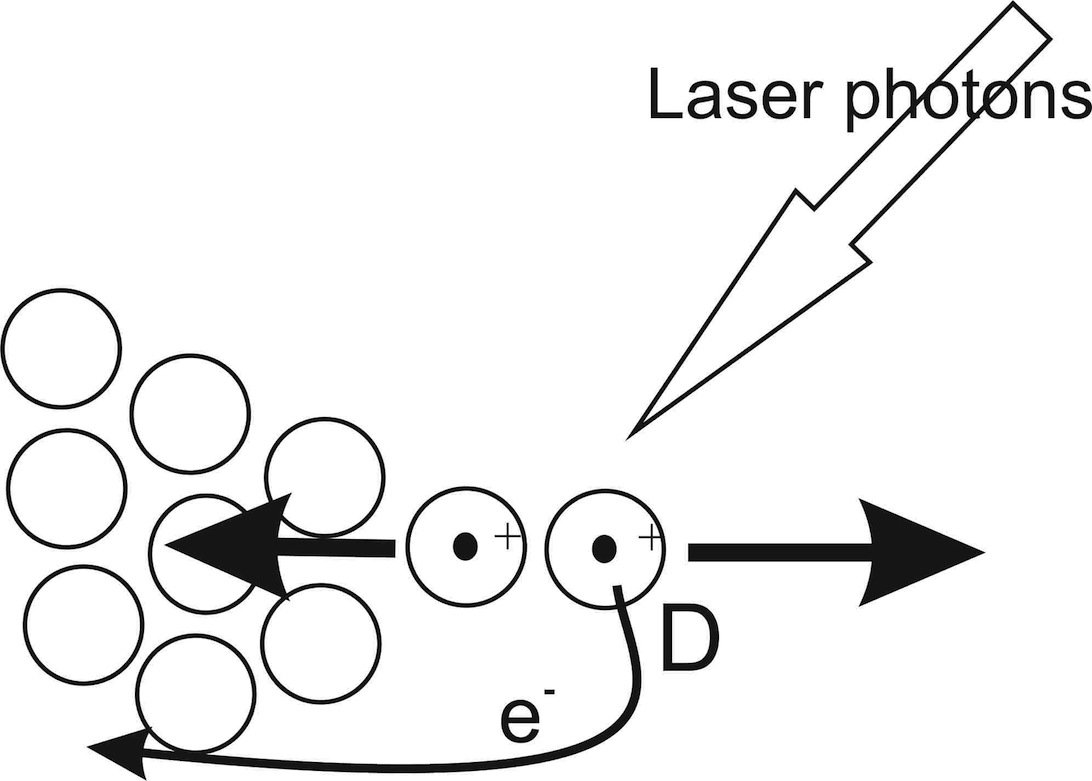
A laser-driven reactor where deuterium gas is compressed in a high-pressure chamber until it forms ultra-dense deuterium on the surface. Nanosecond laser pulses timed to the formation of the material trigger fusion, producing energetic particles (muons) and heat that can be harvested as electricity.
Detailed Description
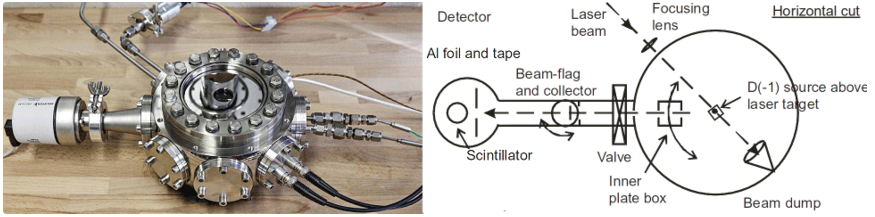
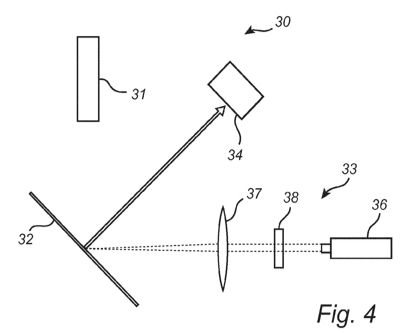
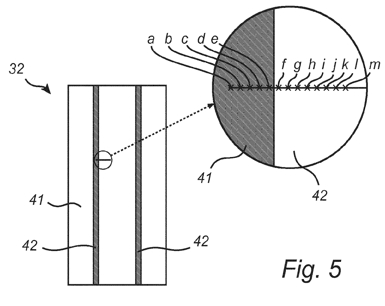
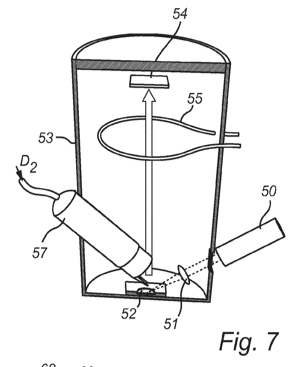
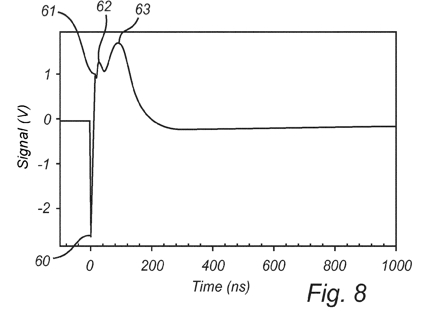
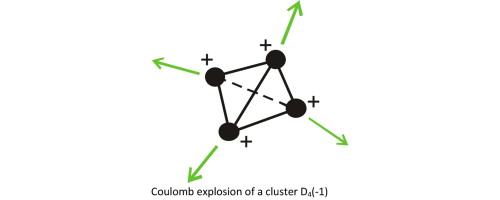
The system consists of a sealed high-pressure chamber filled with deuterium. Under pressure the deuterium condenses into an ultra-dense phase (~=10^5 times the density of water) on the chamber walls. A nanosecond-duration laser is fired at the surface at a rate of ~10 Hz, delivering enough energy to initiate nuclear fusion in the ultra-dense material. The fusion products are reported to be fast muons rather than neutrons, which decay within microseconds and can be absorbed by the reactor walls. The muons are charged and could, in principle, be used to generate electricity directly, while the bulk of the reaction heat is harvested by conventional heat-exchange methods. An inverted cyclotron is proposed for muon-based electricity conversion. The reactor is claimed to be compact enough for neighborhood or single-home power, but not yet for mobile applications.
Principles
- Laser-induced nuclear fusion
- Rydberg matter / ultra-dense hydrogen
- Muon production and capture
Scientific Domains
Materials
- Deuterium (heavy hydrogen)
- Ultra-dense deuterium (Rydberg matter)
- Metal chamber walls
- Laser optics
Mechanisms of Action
- High-pressure formation of ultra-dense deuterium
- Nanosecond laser pulse triggering fusion
- Muon emission as fusion by-product
- Heat extraction and potential muon-driven electricity generation
Energy Sources
Applications
- Residential power generation
- Heat supply
- Potential electric power via muon capture
Claimed Performance
The reactor has reportedly produced more energy than it consumes, with one claim of 20 x net energy gain in a Norwegian prototype.
Experimental Evidence
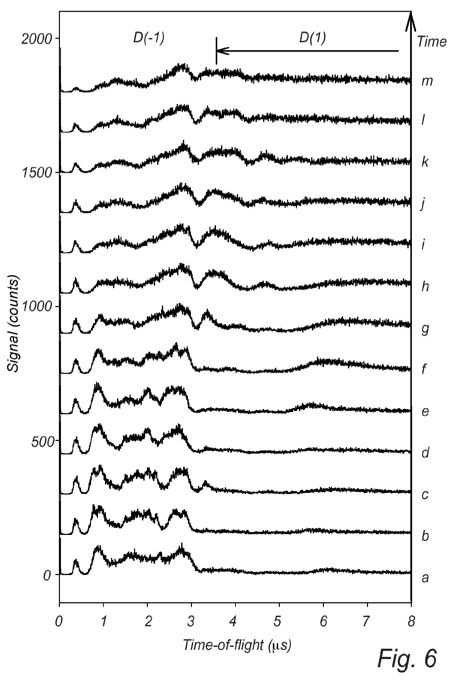
Holmlid's lab reports laser-driven fusion events with muon detection and excess energy output; a Norwegian team (Zeiner-Gundersen) claims 20 x energy gain in a tabletop device.
Replication Status
No independent, peer-reviewed replication reported; claims are limited to the original researchers' laboratories.
Limitations
- Lack of independent verification
- Muon handling and conversion not demonstrated
- Scalability and engineering of high-pressure ultra-dense material unclear
Red Flags
- Extraordinary energy gain claims without peer-reviewed data
- Reliance on muon emission, a rarely observed fusion by-product
- Potential overunity assertions