Goal
Provide a compact, high-efficiency engine that can run on many fuels, reduce fuel consumption and emissions, and be used for automotive and stationary power.
Problem
Low thermal efficiency and high fuel consumption of conventional Otto/Diesel engines, large size, high emissions, and high maintenance requirements.
Concept Summary
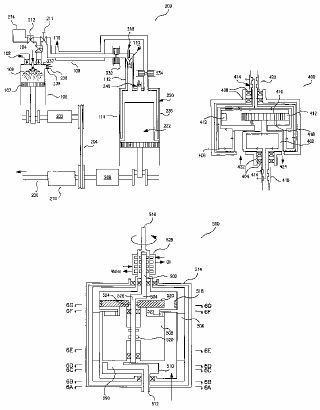
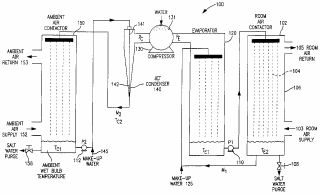
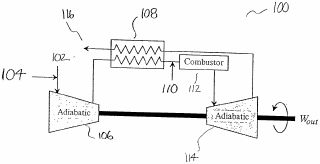
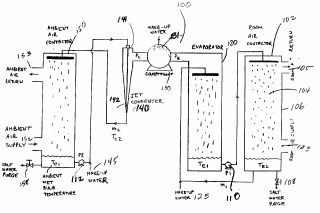
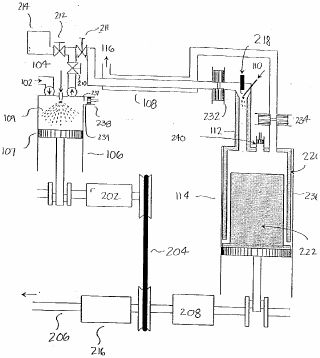
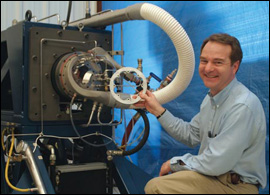
The StarRotor engine is a compact Brayton-cycle engine that uses a pair of gerotor compressors/expanders, a heat exchanger, and a water-spray cooling system to pre-heat combustion air and reduce compressor heat loss. It can burn a wide range of fuels and aims for 50-65% thermal efficiency, delivering high power density in a small package.
Detailed Description
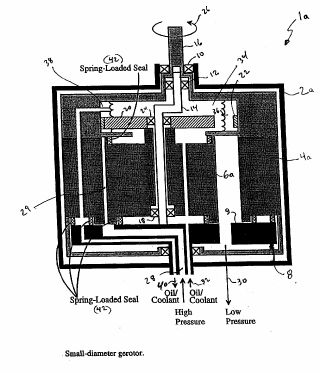
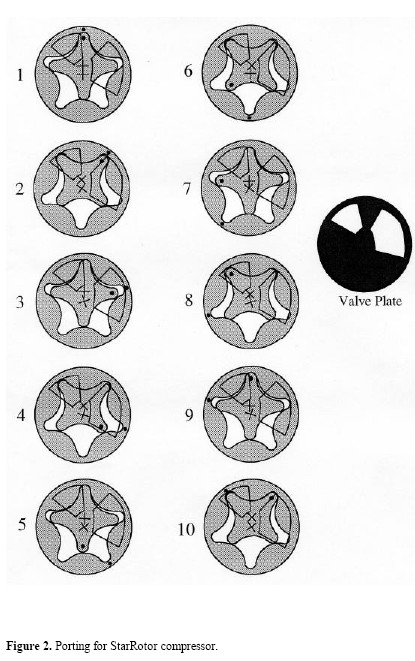
The engine consists of a compressor (inner and outer gerotors) that draws ambient air, compresses it, and passes it through a heat exchanger where it is pre-heated by exhaust gases. Fuel (gasoline, diesel, natural gas, hydrogen, alcohol, olive oil, etc.) is injected and ignited in a combustor. The hot, high-pressure gases expand through an expander (reverse gerotor) to produce shaft work. A water spray over the compressor reduces its heat loss. The design minimizes moving parts (~=10-20% of a typical engine) and uses surface-treatment coatings to limit gas leakage while keeping the gerotor teeth dry. Prototypes have been built (compressor completed, expander pending) and beta-tested by an oil company.
Principles
- Brayton thermodynamic cycle
- Gerotor positive-displacement compression/expansion
- Heat-exchange pre-heating
- Water-spray cooling of compressor
- Fuel-flexibility (multiple reactive fuels)
Scientific Domains
Materials
- Metal alloys (steel, aluminum)
- Surface-treatment coating (for leakage reduction)
- Water (spray cooling)
Mechanisms of Action
- Air compression by gerotor rotor
- Pre-heating of compressed air via heat exchanger
- Combustion of injected fuel
- Expansion of hot gases in expander to produce shaft work
- Water spray to reduce compressor heat loss
Energy Sources
Applications
- Automotive powertrain
- Stationary power generation
- Distributed power units
Claimed Performance
Efficiency 50-60% (up to 65% oil-consumption efficiency), fuel economy 75-100 mpg in a vehicle, power range 50 W to 50 000 kW, 1 million-mile durability claim.
Experimental Evidence
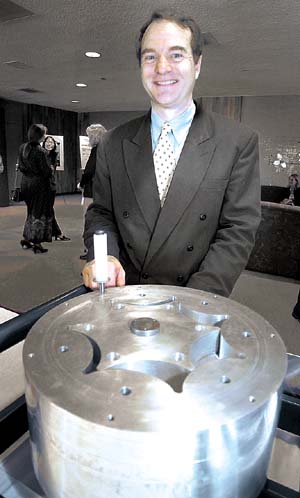
Measured 72 % efficiency on the 3rd prototype compressor; 80 % efficiency expected on the 4th prototype. Two units sold to an oil company for beta testing. Compressor completed; expander under development. DARPA white paper and multiple news articles cite these results.
Replication Status
Two prototype compressors have been built and are in beta testing; expander prototype expected within a year.
Limitations
- Expander stage not yet built
- High-temperature material durability
- Gerotor teeth must remain dry - lubrication issues
- Scaling to high power requires multiple compression stages
- Commercialization timeline uncertain
Red Flags
- Efficiency claims (up to 65%) are higher than typical Brayton-cycle engines and lack independent peer-reviewed data
- Performance numbers are based on prototype measurements and projections, not on extensive testing
- Commercial availability is still years away according to the developers