Goal
Prevent tooth decay, protect enamel, and provide cosmetic whitening by coating teeth with a thin, biocompatible hydroxyapatite film.
Problem
Dental decay, enamel erosion, and tooth sensitivity.
Concept Summary
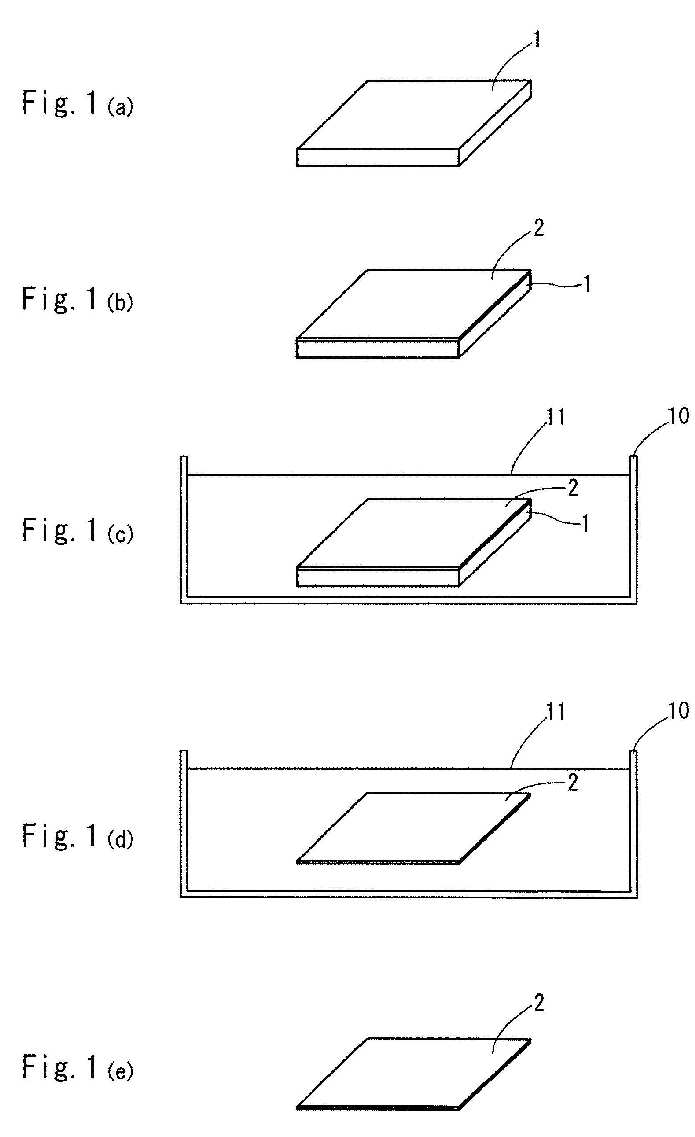
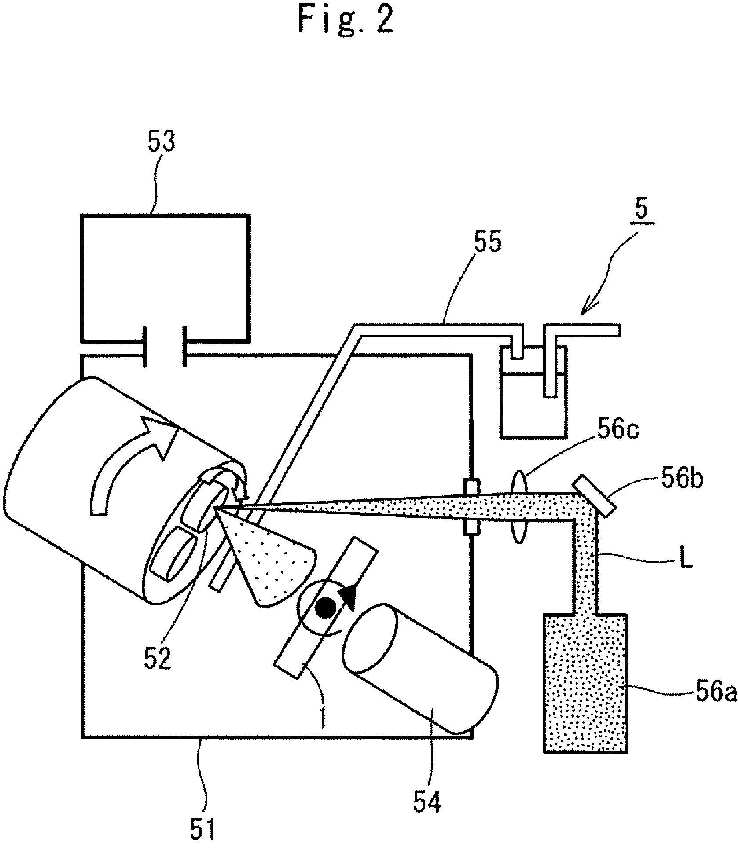
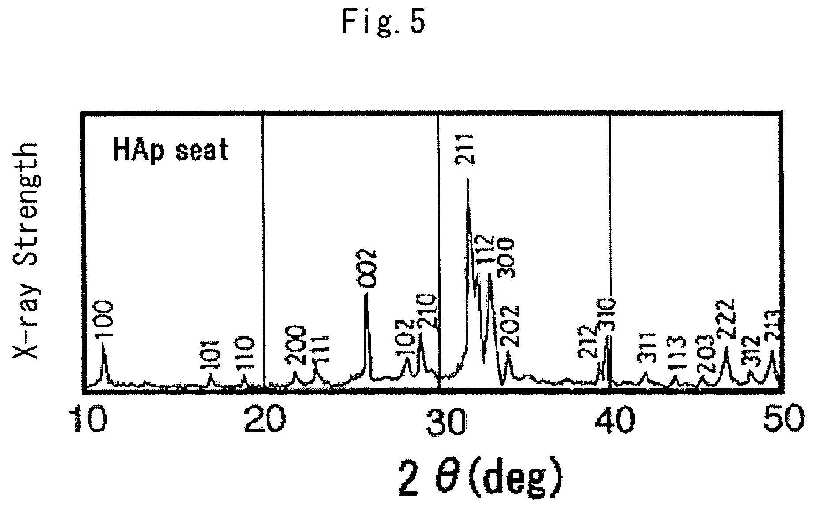
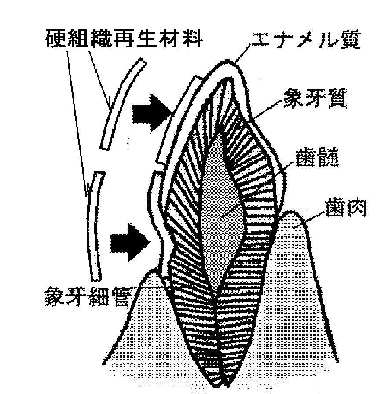
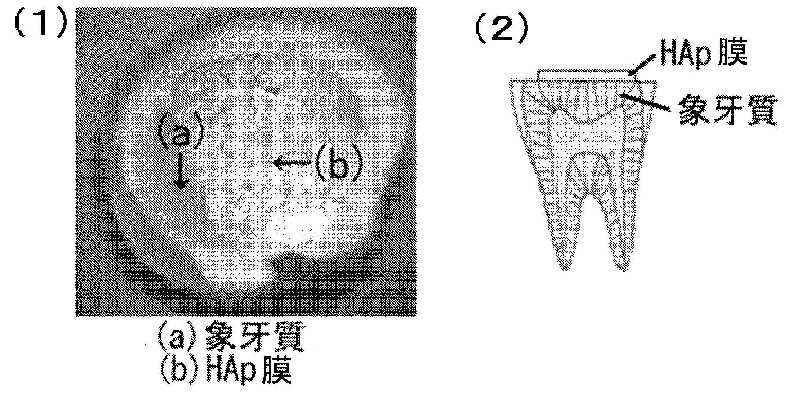
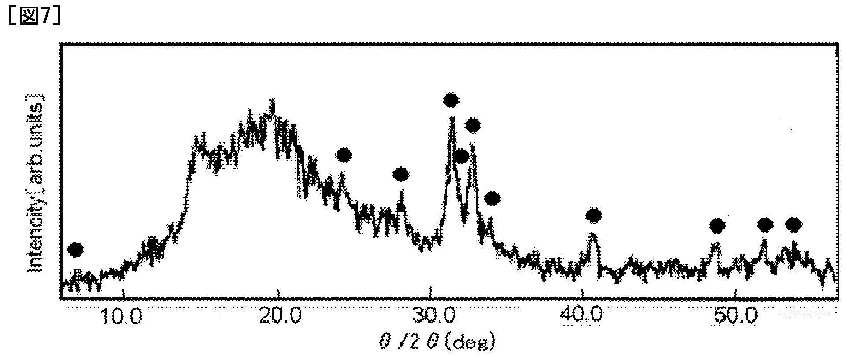
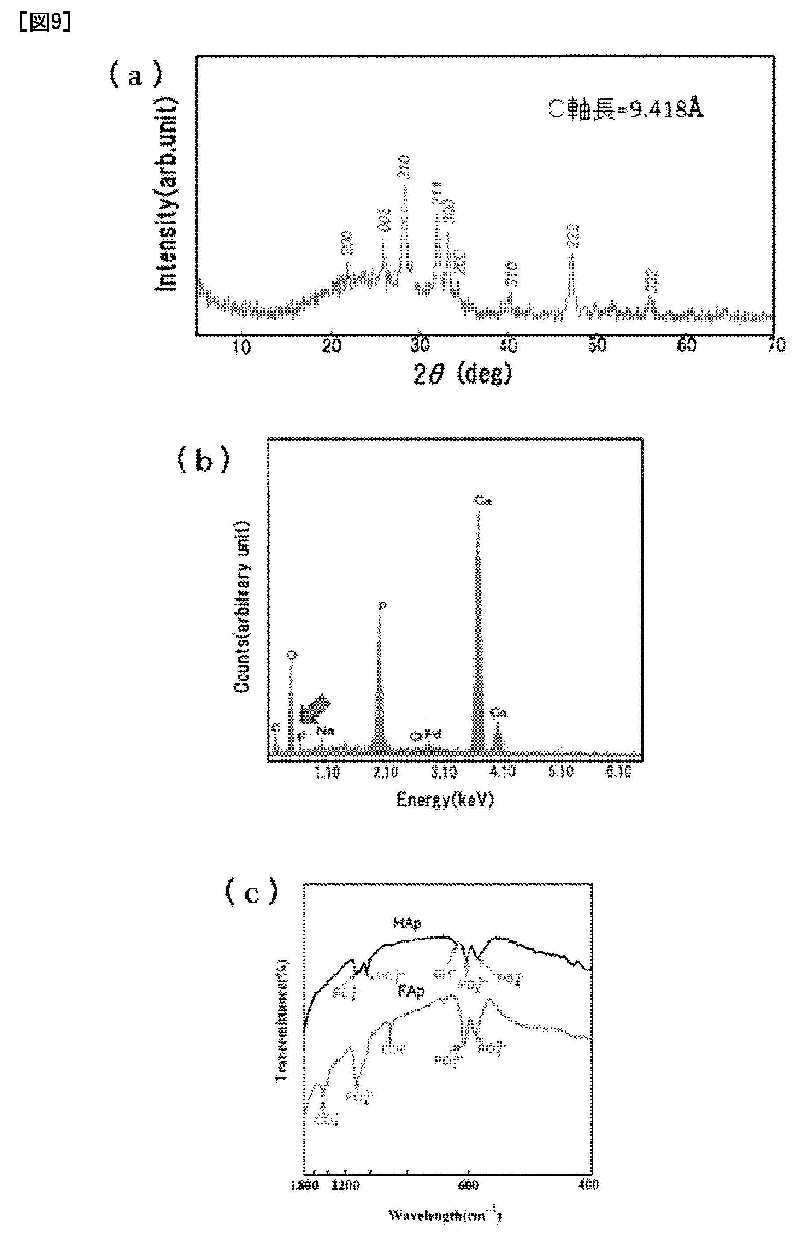
A microscopically thin, flexible, and hard-wearing film made from hydroxyapatite (the main mineral of tooth enamel) is produced by laser ablation of compressed hydroxyapatite blocks in a vacuum. The resulting particles are collected on a heated salt substrate, dissolved, and the film is dried and lifted onto a tooth. The film adheres within about a day, is invisible when applied, and can be made white for cosmetic use.
Detailed Description
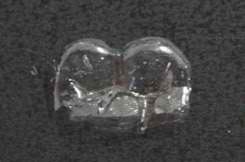
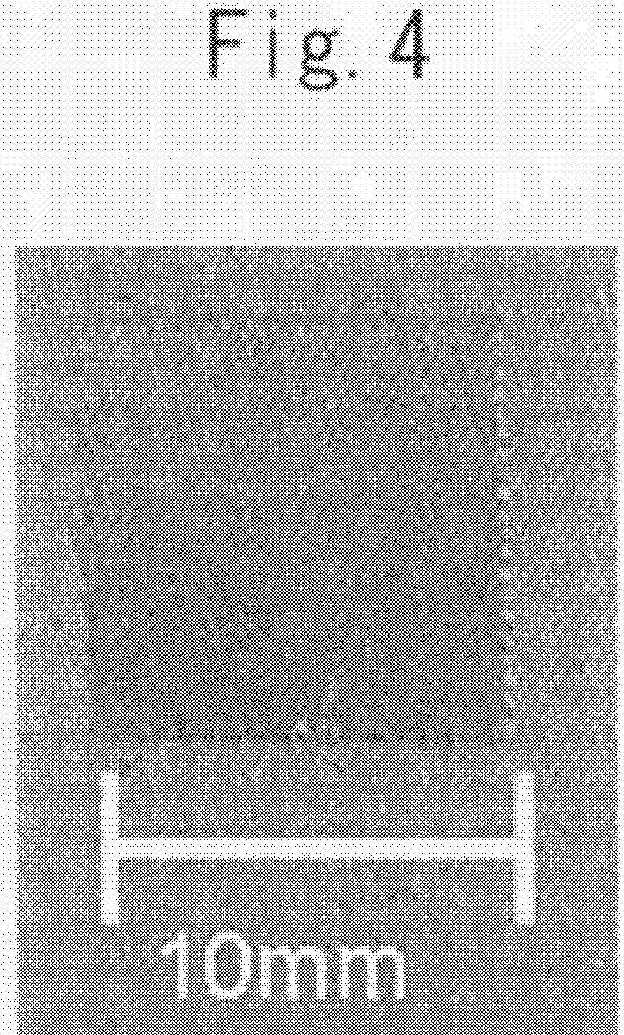
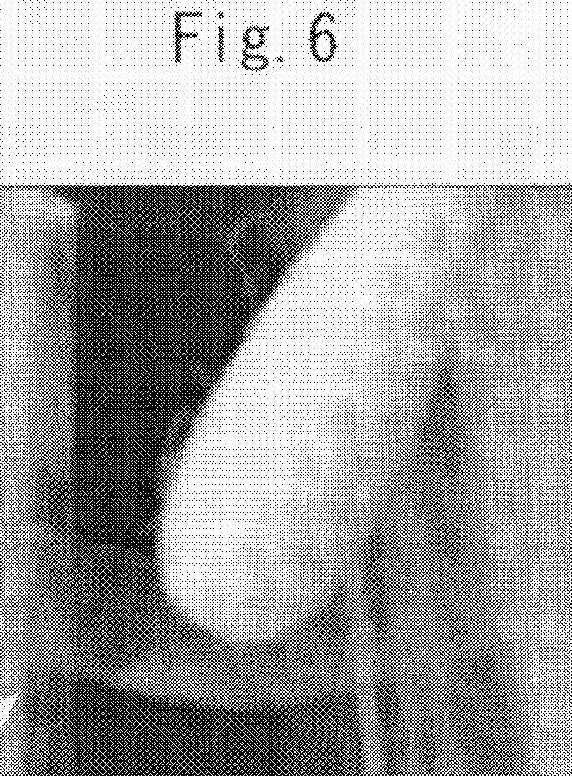
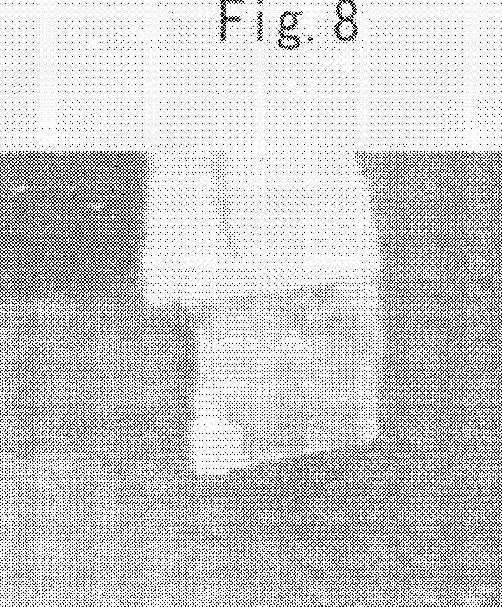
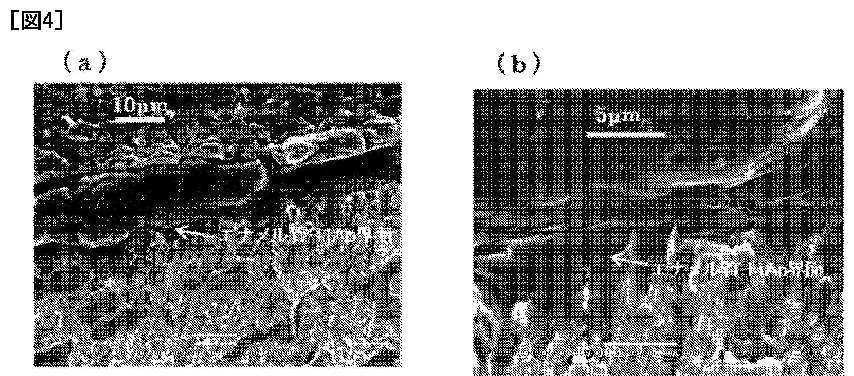
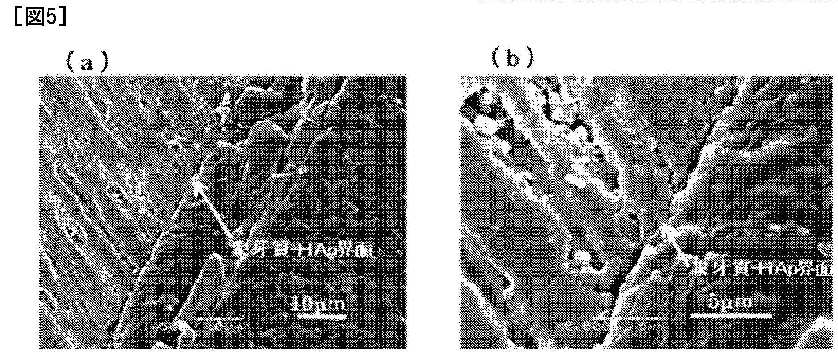
Researchers fire lasers at compressed hydroxyapatite blocks in a vacuum, causing particles to pop out and fall onto a heated block of salt. The salt is then dissolved in water, leaving the hydroxyapatite particles on a filter paper which is dried. The resulting film is about 0.004 mm thick, flexible, and can be handled with tweezers. It contains minute holes to allow liquid and air to escape, preventing bubble formation. The film becomes invisible on the tooth surface and adheres firmly after roughly one day. The technology is patented in Japan and South Korea and is being explored for dental and cosmetic applications.
Principles
- Biocompatibility of hydroxyapatite
- Laser ablation deposition
- Thin-film barrier protection
- Vacuum particle formation
- Salt substrate dissolution
Scientific Domains
Materials
- Hydroxyapatite
- Sodium chloride (salt substrate)
- Water
Mechanisms of Action
- Physical barrier against acid and bacterial attack
- Mimicry of natural enamel mineral composition
- Potential remineralization of damaged enamel
- Cosmetic whitening when made opaque
Energy Sources
Applications
- Dental decay prevention
- Sensitive-tooth protection
- Cosmetic tooth whitening
- Artificial enamel repair
Claimed Performance
Film thickness 0.004 mm, hard-wearing, ultra-flexible, invisible when applied, adheres within ~24 hours, can be made white for cosmetic use.
Experimental Evidence
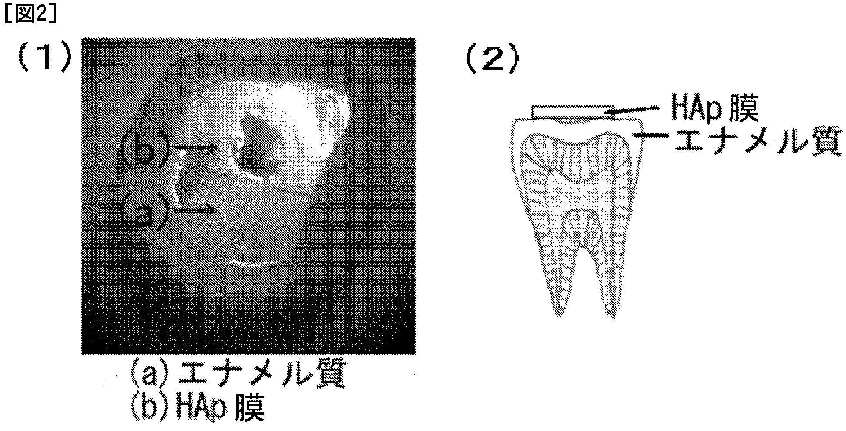
Researchers have applied the film to disused human teeth and are planning animal tests; no quantitative performance data are provided.
Replication Status
Patented in Japan and South Korea; applications underway in US, Europe, and China; still in laboratory testing phase.
Limitations
- Adhesion requires ~1 day
- Manufacturing relies on laser equipment and vacuum
- Long-term durability not yet demonstrated
- Scale-up for mass production not proven