Goal
Increase internal combustion engine torque and fuel efficiency by modifying oil charge and magnetic fields
Problem
Low fuel economy, high fuel consumption, limited engine torque in conventional IC engines
Concept Summary
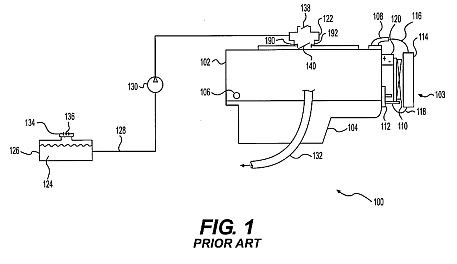
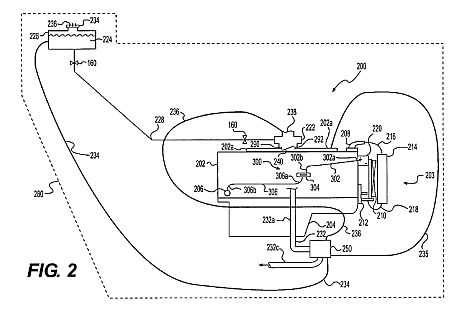
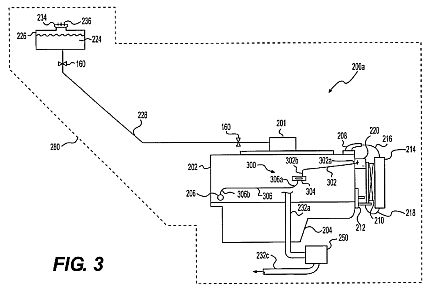
The Hull Effect proposes charging the carbon particles in engine oil (or removing charge) to magnetize the engine block, creating a stronger spark and a magnetic field that alters thermodynamic heat exchange, reduces fluid drag, and improves combustion. The system uses alternator voltage spikes routed through a light-dimmer circuit into the oil stream, generating high-voltage bubbles and a plasma-like reactor inside the engine.
Principles
- magnetic field generation
- electrostatic charging of oil
- plasma formation in oil
- enhanced thermodynamic heat exchange
- static electrical field creation
- torsion field theory
Scientific Domains
Materials
- engine oil
- carbon particles
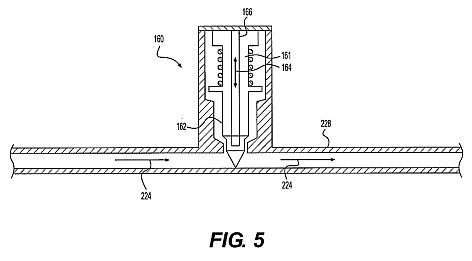
- stainless steel probe
- brass fitting
- alternator wiring
- light dimmer circuit
Mechanisms of Action
- Charging oil particles to induce magnetization of the engine block
- Creating high-voltage bubbles in oil that act as a plasma reactor
- Increasing spark intensity via magnetic field interaction
- Reducing fluid drag through static electrical fields
- Altering fuel combustion by aligning hydrocarbon molecules with magnetic fields
Energy Sources
Applications
- automotive fuel-efficiency improvement
- engine torque enhancement
- retrofit for carbureted internal combustion engines
Claimed Performance
Dyno testing reported >200 ft-lb torque at 1300 rpm on a 134 ci engine; 130 ft-lb torque at start-up; fuel consumption <48 ounces per hour for a 12,500 lb vehicle; 100 mpg reported on a GMC pickup; 40-45 mpg on a Honda Civic versus 30-32 mpg baseline.
Experimental Evidence
User-reported dyno results showing high torque, multiple driver logs showing increased MPG after installing the oil-charging probe and light-dimmer circuit, and anecdotal observations of magnetic field changes using a compass.
Replication Status
Several hobbyists claim similar MPG gains and torque improvements, but no independent third-party verification or peer-reviewed studies are documented.
Limitations
- Effect appears limited to carbureted engines; modern fuel-injected engines show reduced benefit
- Magnetic effect diminishes when oil stops moving
- Lack of peer-reviewed validation
- Potential increased engine temperature due to oil burning
Red Flags
- Claims of fuel consumption <48 ounces per hour (extraordinary)
- No independent replication or scientific publication
- High-voltage circuitry inside oil could pose safety hazards