Goal
Provide a low-dose oxidative antimicrobial agent for treating infections and disinfecting water.
Problem
Pathogenic bacteria, viruses, parasites, and microbial contamination in medical and environmental contexts.
Concept Summary
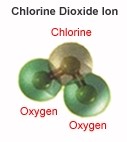
Chlorine dioxide (ClO_2) is a free-radical oxidant that, at low ppm concentrations, disrupts protein synthesis and enzyme activity in microbes, and at higher concentrations damages cell walls or viral capsids. It can be generated from sodium chlorite by acidification (e.g., citric or acetic acid). The therapy proposes ingesting dilute ClO_2 solutions (or MMS tablets) to exploit its selective oxidative properties while minimizing toxicity.
Detailed Description
The article critiques Jim Humble's original MMS claims and offers a corrected chemical understanding. Chlorine dioxide is a neutral molecule that does not ionize in water; it acts via a one-electron transfer mechanism, reducing back to chlorite ion after oxidizing organic targets. Low-dose exposure is claimed to in bacterial, fungal, parasitic, and viral pathogens by inactivating enzymes and disrupting protein synthesis, similar to certain antibiotics. High-dose exposure can cause cell-wall softening and viral capsid destruction. Toxicity concerns include methemoglobin formation, red-blood-cell damage, and irritation of mucous membranes. The author cites animal studies (rats, mice, monkeys, trout) that define No-Adverse-Effect Levels (NOAEL) and lethal concentrations (LC_5_0, LD_5_0). The article also discusses the chemistry of acidifying sodium chlorite, the formation of chlorous acid, and the possible generation of chlorate under low-pH conditions. Recommendations include avoiding antioxidants, limiting dose to mg/kg body weight, and not using calcium hypochlorite or other hypochlorite-based compounds.
Principles
- Free-radical oxidation
- One-electron transfer mechanism
- Selective oxidative damage to microbial proteins
- Acid-catalyzed disproportionation of sodium chlorite
Scientific Domains
Materials
- Sodium chlorite (NaClO_2)
- Chlorine dioxide (ClO_2)
- Citric acid
- Acetic acid
- Calcium hypochlorite (Ca(ClO)_2)
- Water
Mechanisms of Action
- Oxidation of thiol-containing biomolecules
- Enzyme inactivation
- Disruption of protein synthesis
- Cell-wall or viral capsid softening at high concentrations
Applications
- Medical antimicrobial therapy
- Water purification
- Surface and air disinfection
- Agricultural pest control
Claimed Performance
Effective kill of bacteria, viruses, fungi, parasites, algae, spores, and biofilm at low ppm concentrations; therapeutic immune stimulation; water disinfection for municipal supplies.
Experimental Evidence
References to animal toxicity studies (LD_5_0 ~= 105 mg/kg in rats, LC_5_0 for rainbow trout 290 ppm/96 h), NOAEL values (1 mg/kg in 90-day rat study), human single-dose study (0.34 mg/kg with no adverse effects), and multiple laboratory disinfection tests against a wide range of pathogens.
Limitations
- Potential toxicity (methemoglobinemia, RBC damage)
- Unclear optimal dosing for humans
- Lack of large-scale clinical trials
- Interaction with antioxidants and certain foods
Red Flags
- Claims of cure without peer-reviewed clinical data
- Anecdotal dosing recommendations
- Potential for misuse as a "miracle" cure
- Historical association with controversial "MMS" movement