Goal
Remove arsenic from drinking water to provide safe, affordable water.
Problem
Arsenic contamination of groundwater in Bangladesh and Eastern India.
Concept Summary
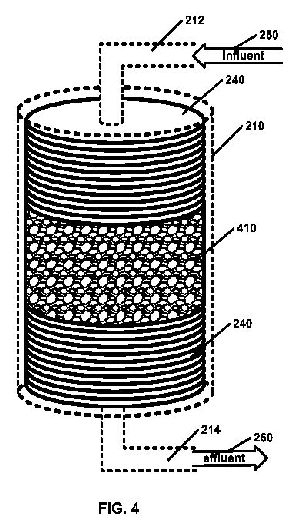
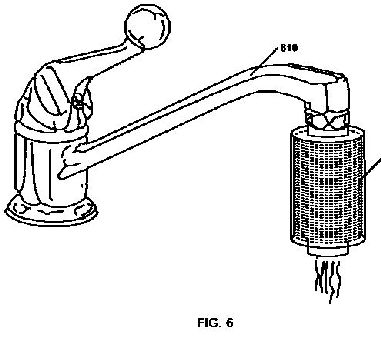
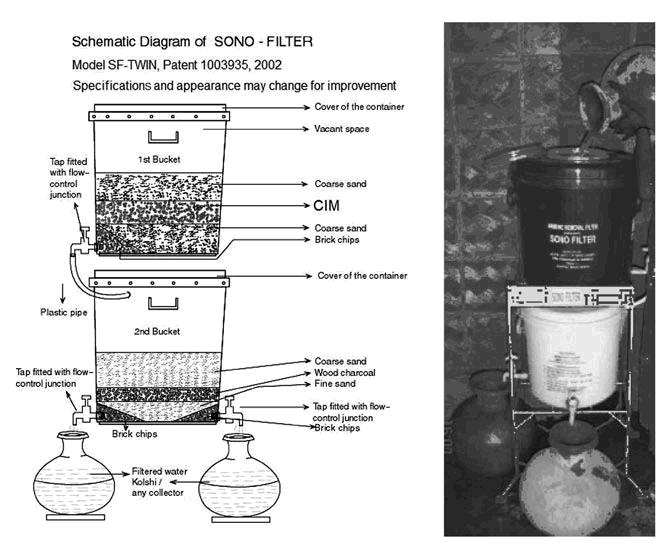
A low-cost, gravity-driven filtration system that uses a composite matrix of sand, charcoal, brick, wood and iron (or iron-based composite material) to adsorb and remove arsenic from well water without electricity.
Detailed Description
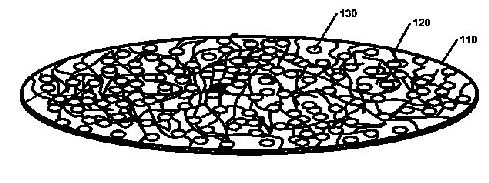
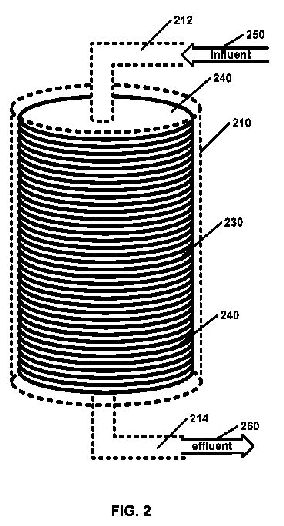
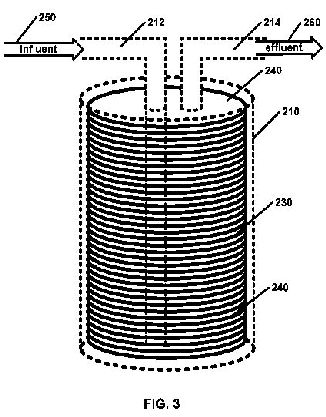
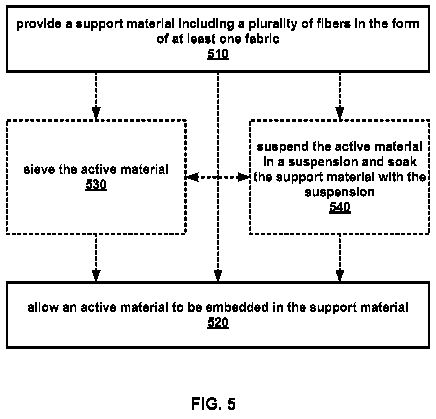
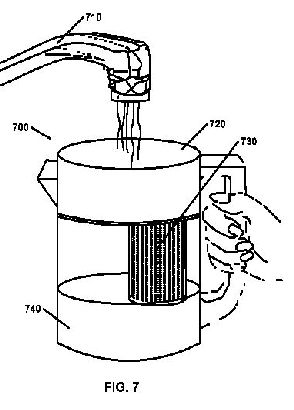
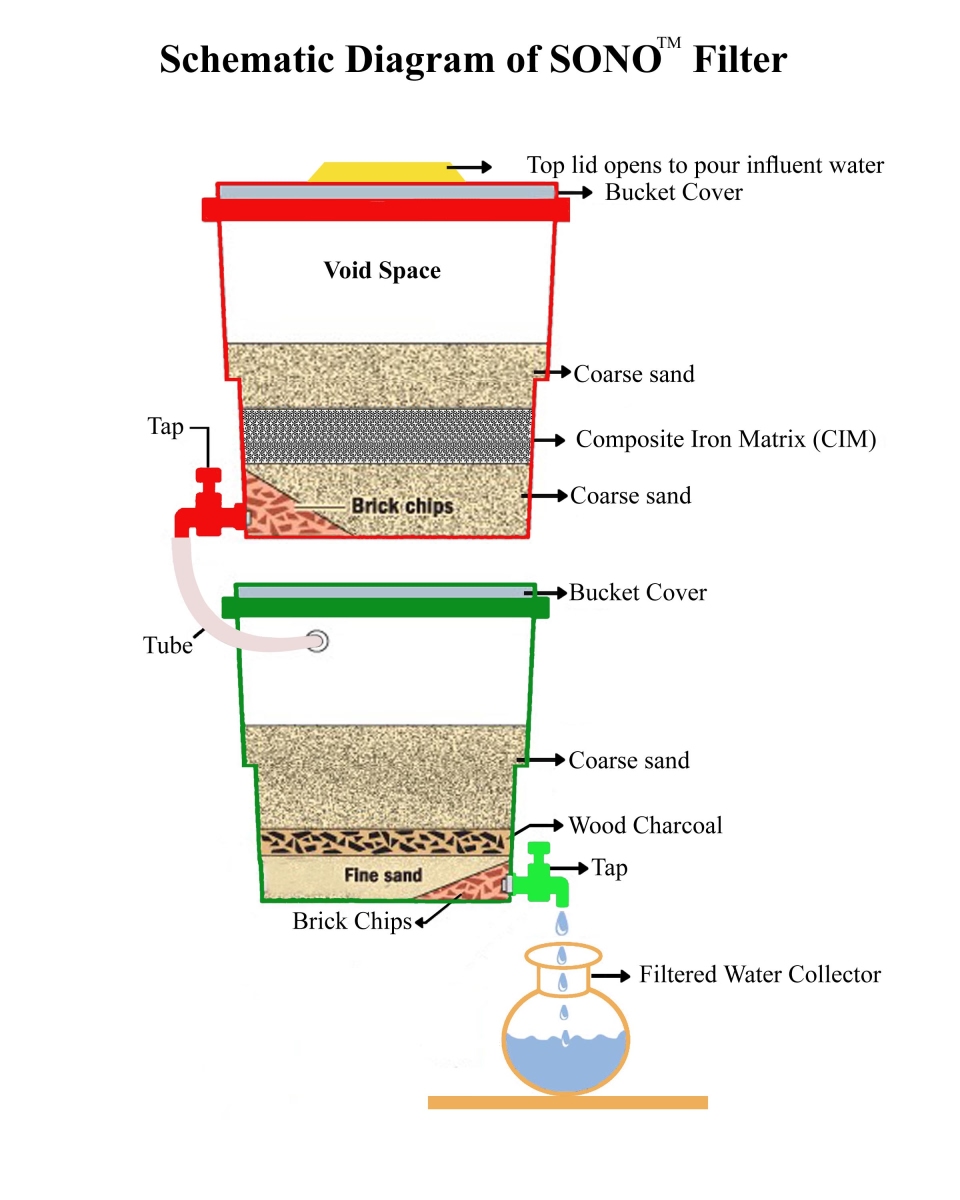
The SONO filter consists of two polyurethane buckets lined with layers of sand, charcoal, brick fragments, wood chips and a composite iron matrix. Water is poured into the upper bucket, passes through the layered media, and arsenic-free water is collected in a lower bucket. The filter can produce ~20 L h^-^1 for household use and >100 L h^-^1 for community-scale models. The active material may include iron (68-92 % by weight) together with manganese, carbon, phosphorus, aluminum, silicon, cerium, sulfur, chromium, copper and zinc, embedded in a polymeric fabric matrix. The system is inexpensive (~US $35 per unit), lasts at least five years, and does not generate hazardous waste.
Principles
- Adsorption
- Filtration
- Ion exchange
- Gravity-driven flow
Scientific Domains
Materials
- sand
- charcoal
- brick fragments
- wood chips
- iron
- manganese
- carbon
- phosphorus
- aluminum
- silicon
- cerium
- sulfur
- chromium
- copper
- zinc
- polycarbonate
- polyester
- polypropylene
- polystyrene
- nylon
- cellulose
Mechanisms of Action
- Arsenic adsorption onto iron-based composite particles
- Physical filtration through sand and charcoal
- Precipitation of arsenic species in the presence of iron oxides
Applications
- Household drinking water purification
- Community water supply in arsenic-affected regions
Claimed Performance
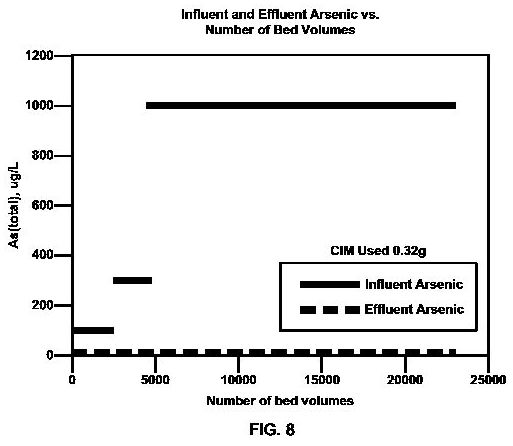
20 L h^-^1 per household unit; >100 L h^-^1 for community models; removes >99 % of arsenic; filter lasts >=5 years at a cost of ~=US $35.
Experimental Evidence
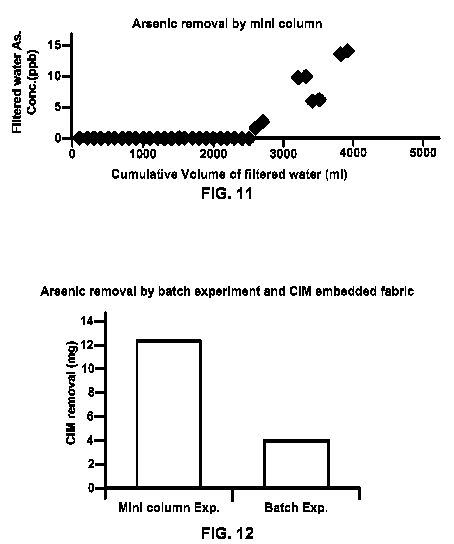
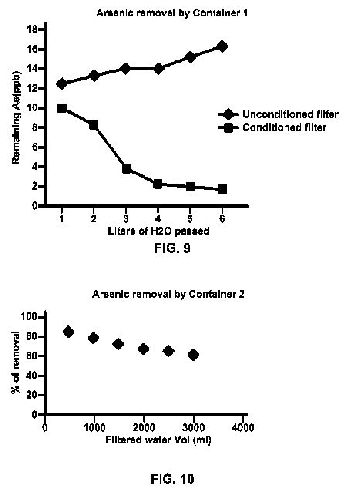
Distributed >30,000 units in Bangladesh; peer-reviewed studies (J. ES&H 2007) report filtration capacity ~=30 mg As per gram of active material; field measurements show arsenic concentrations reduced to below WHO limits.
Replication Status
In commercial use in Bangladesh and other countries; multiple field deployments and independent studies confirm performance.
Limitations
- Finite filter lifespan (~=5 years) requiring replacement
- Flow rate limited by gravity and media porosity
- Performance may vary with arsenic speciation and water chemistry