Goal
Reduce energy consumption and production cost of steel while lowering emissions
Problem
High energy use, greenhouse-gas emissions and cost of conventional blast-furnace steelmaking
Concept Summary
A combined microwave heating and electric-arc furnace system reduces iron-oxide ore to iron using dielectric heating, then melts the iron into steel. The process heats only the ore, cuts steps, uses coal instead of coke and promises up to 50 % energy and cost savings.
Detailed Description
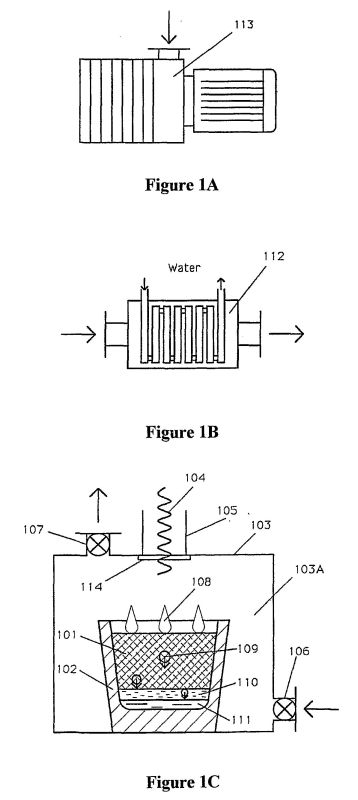
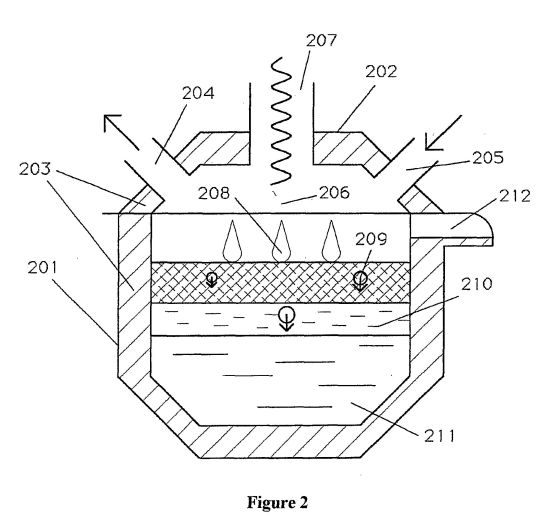
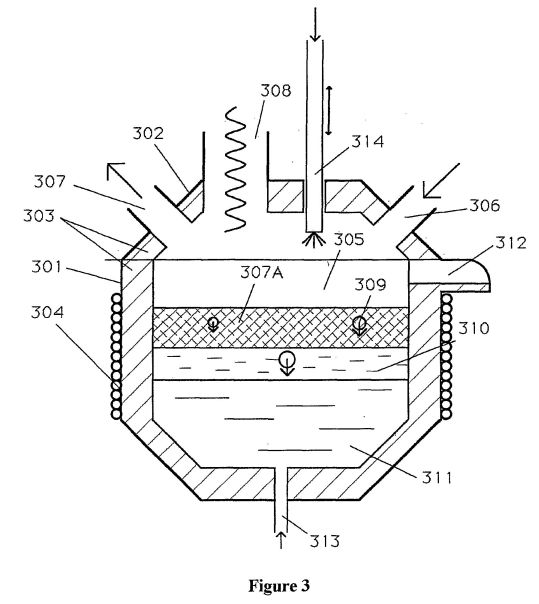
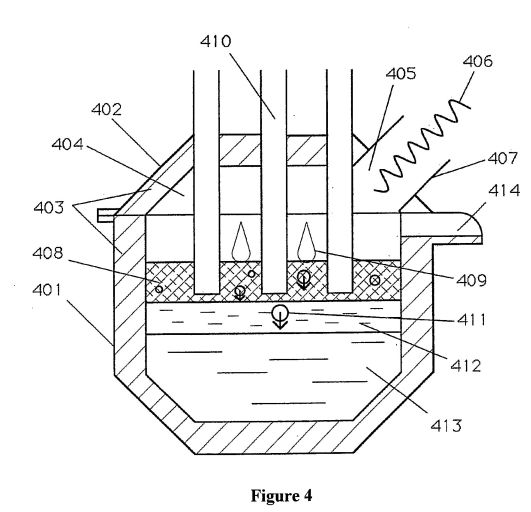
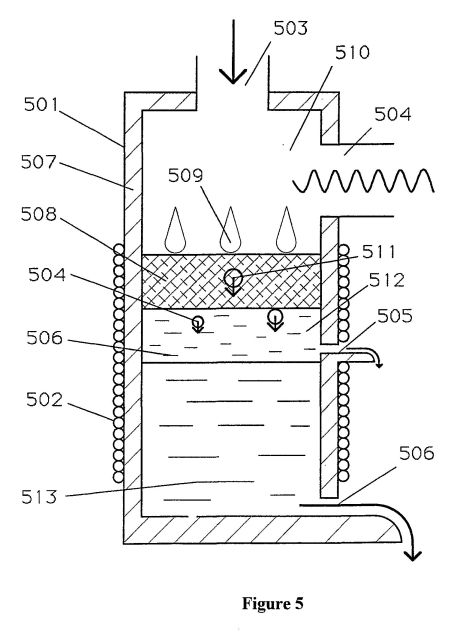
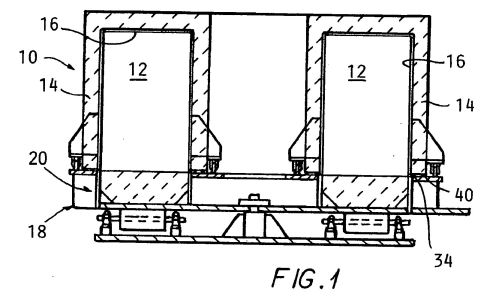
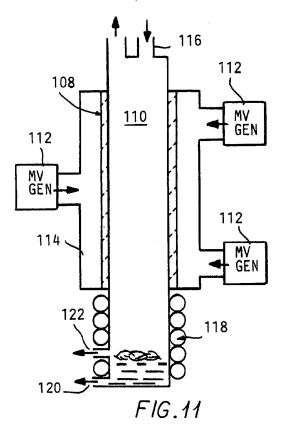
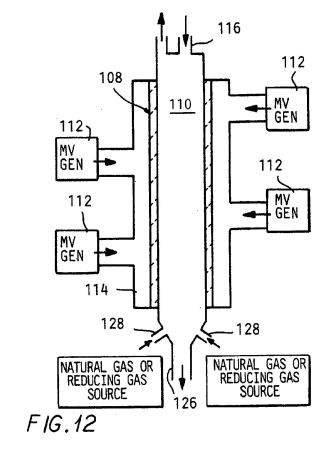
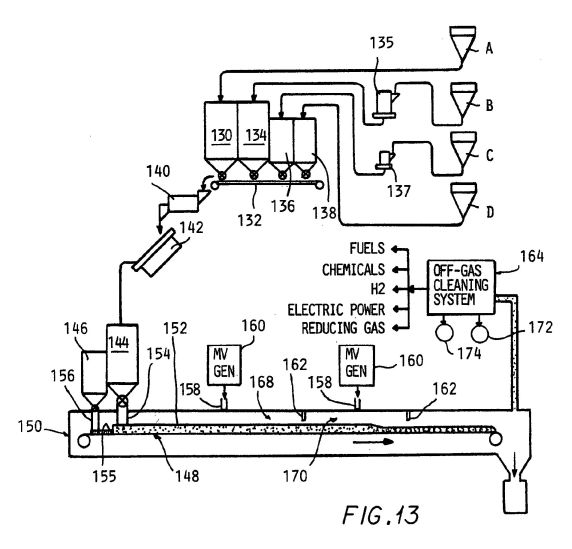
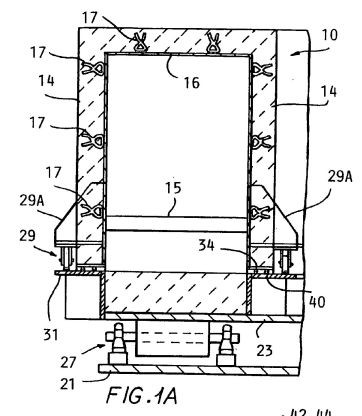
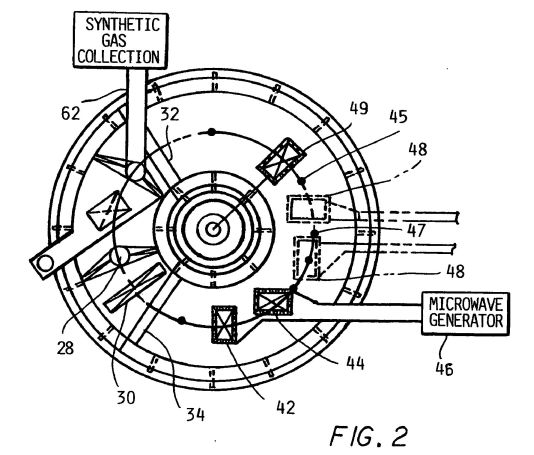
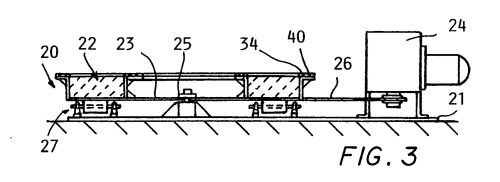
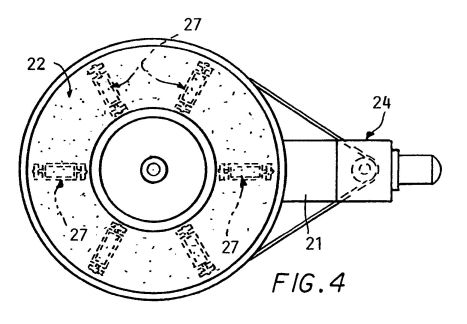
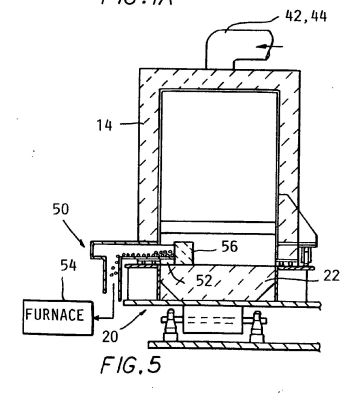
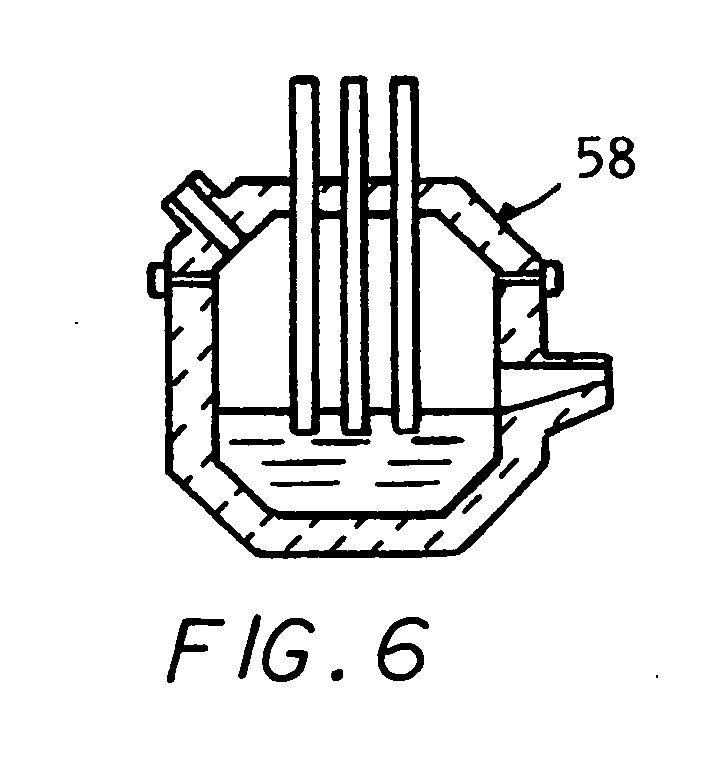
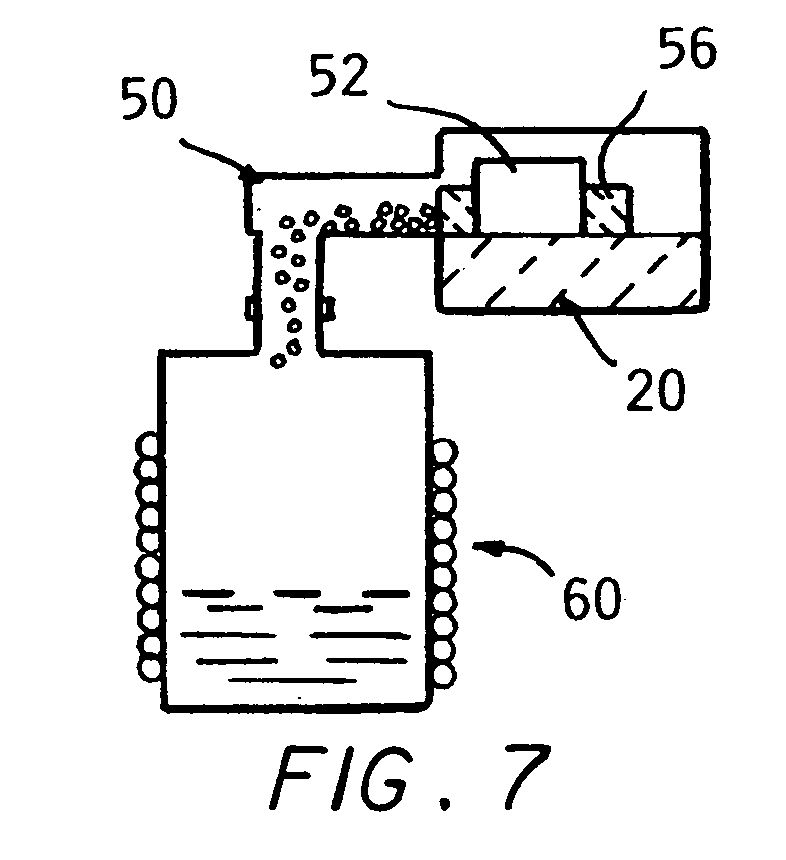
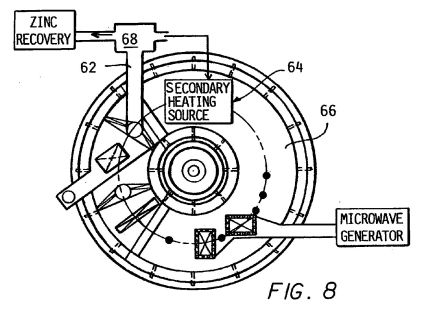
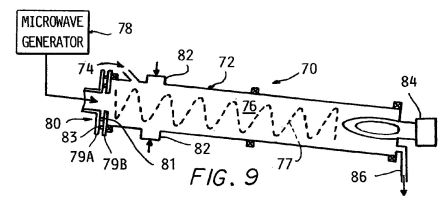
Six conventional microwave ovens are dismantled and their magnetrons wired together to create a high-power microwave source. The microwave energy is directed into a sealed furnace chamber containing a mixture of iron-oxide fines, powdered coal and fluxing agents, heating the ore to ~1000 deg C in about one minute. An electric arc furnace integrated into the same vessel then melts the reduced iron into a steel nugget. The system can be configured as a rotary hearth furnace, rotary kiln, linear conveyor or vertical shaft furnace, and can recover combustible gases from the coal as a by-product.
Principles
- Microwave dielectric heating
- Selective heating of iron-containing phases
- Electric arc furnace smelting
Scientific Domains
Materials
- Iron oxide (Fe_2O_3)
- Coal (carbon)
- Fluxing agents (e.g., limestone)
- Silica (as impurity to be removed)
Mechanisms of Action
- Microwave radiation reduces Fe_2O_3 to Fe
- Electric arc provides high-temperature melting of Fe to steel
- Closed-air furnace prevents unwanted oxidation
Energy Sources
Applications
- Industrial steel production
- Metal recycling
- Low-carbon manufacturing
Claimed Performance
Potential reduction of steel production costs by up to 50 %; energy consumption cut by ~50 %; greenhouse-gas emissions roughly halved compared with conventional blast-furnace steelmaking.
Experimental Evidence
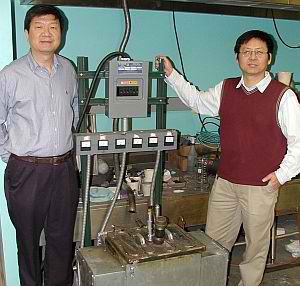
In laboratory tests the microwave-heated iron-oxide reached 1000 deg C in one minute and produced a pure steel nugget after a few minutes of arc heating.
Replication Status
Patents filed (WO2008051356, US2008087135) describe the method; no independent third-party replication reported in the article.
Limitations
- Demonstrated only at laboratory scale
- Requires high-power microwave source and specialized furnace design
- Potential material compatibility (refractory) issues at higher scale
Red Flags
- Cost- and energy-saving claims lack peer-reviewed data
- No independent replication or commercial deployment reported