Goal
Generate mechanical and electrical output exceeding the input energy (over-unity operation).
Problem
Low efficiency of conventional electric motors and the desire for a source of energy that appears to violate the conservation of energy.
Concept Summary
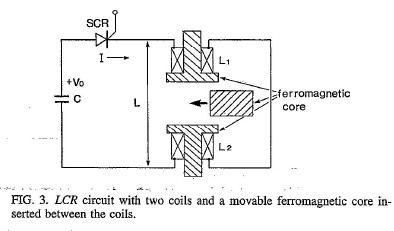
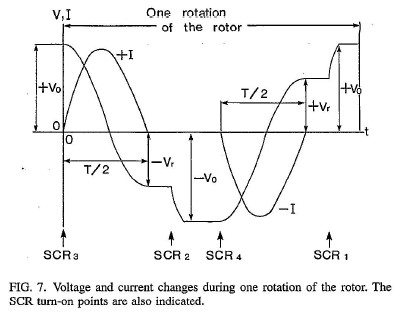
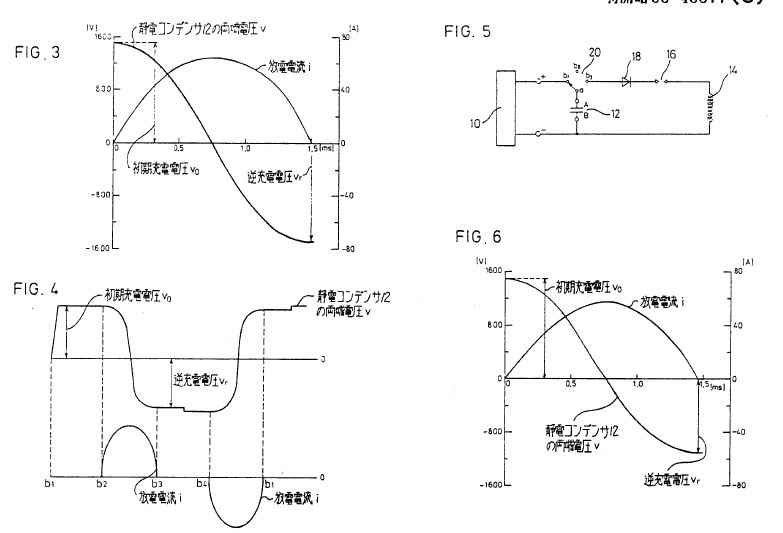
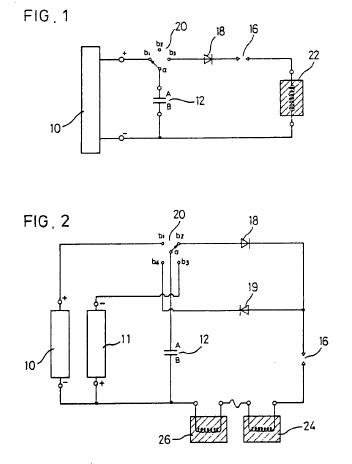
A motor that uses the discharge of a charged capacitor in an LCR resonant circuit. A movable ferromagnetic core is attracted by the magnetic field of a coil during discharge, producing rotary motion. The core motion allegedly induces a positive electromotive force that raises the recharge voltage of the capacitor beyond the original charge, suggesting an over-unity effect.
Detailed Description
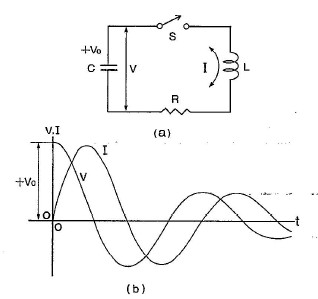
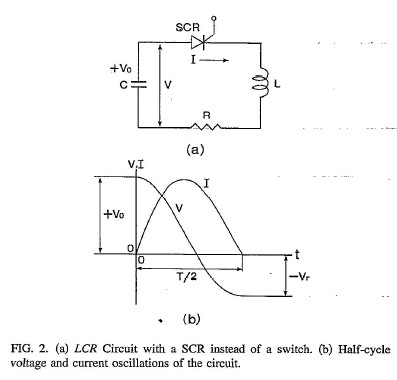
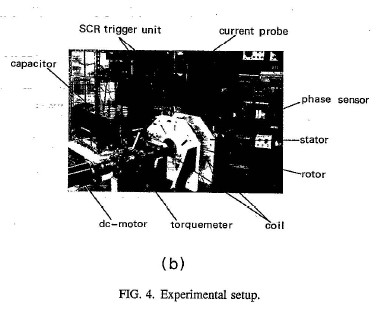
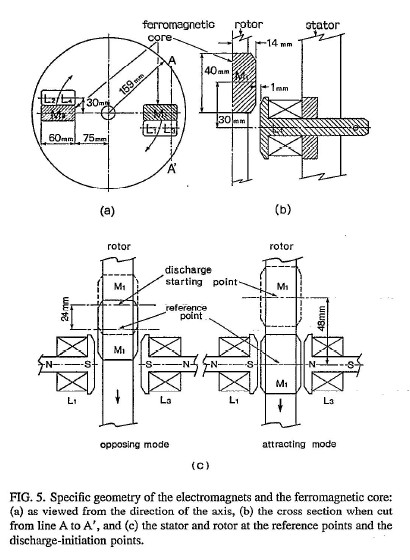
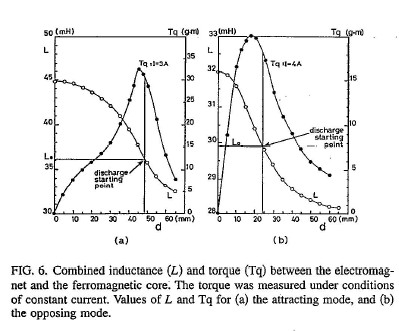
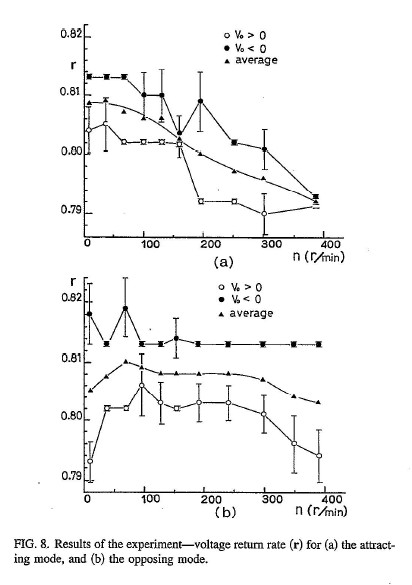
The system consists of a capacitor, an inductive coil (stator), a movable ferromagnetic core (rotor), and a resistance element forming a closed LCR circuit. When the capacitor discharges, current flows through the coil, creating a magnetic field that pulls the core. The core's movement changes the circuit inductance, and according to the author, generates an additional EMF that adds to the discharge current, increasing the voltage observed when the capacitor is re-charged. Experiments reported higher recharge voltage when the two stator coils were driven with opposing magnetic fields. The author discusses possible mechanisms such as motional EMF distinct from Faraday-induced EMF but acknowledges the hypothesis is speculative.
Principles
- Capacitive discharge
- Resonant LCR circuit
- Magnetic attraction between coil and ferromagnetic core
- Induced positive EMF from motional magnetic flux
Scientific Domains
Materials
- Ferromagnetic core (iron/steel)
- Copper coil windings
- Electrostatic capacitor
- Superconducting coil (patented variant)
- Spark discharge electrodes
Mechanisms of Action
- Capacitor releases stored electrical energy as a pulse current
- Current creates magnetic field that pulls ferromagnetic core
- Core movement changes inductance and generates motional EMF
- Resulting EMF adds to the circuit, raising recharge voltage
Energy Sources
Applications
- Clean-energy generation
- Free-energy devices
- Electric motor propulsion
Claimed Performance
Observed increase in recharge voltage beyond the original charging voltage, implying a net energy gain (over-unity).
Experimental Evidence
The author reports measured voltage increases when opposing magnetic fields are applied to the stator coils; the increase does not match theoretical simulations and is attributed to an induced positive EMF.
Limitations
- No independent replication reported
- Mechanism of voltage increase remains speculative
- Potential measurement errors not ruled out
- Scale-up feasibility not demonstrated
Red Flags
- Over-unity claim contradicts conservation of energy
- Evidence limited to author's own experiments
- Patents describe concepts but lack independent validation