Goal
Produce hydrocarbon fuel (synthetic petroleum) from carbon dioxide and water using low-energy photocatalysis.
Problem
High energy, high-pressure, and costly conventional methods for hydrocarbon synthesis; need for cheap, low-energy fuel production.
Concept Summary
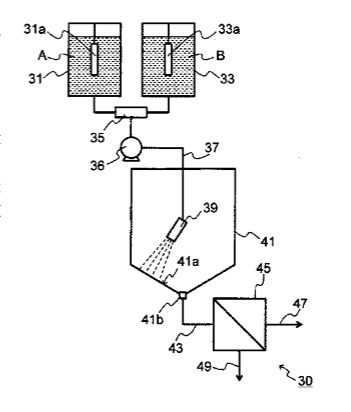
Water is saturated with CO_2, oxygen nanobubbles are generated, and the mixture is irradiated with UV light in the presence of a TiO_2 (or ZnO) photocatalyst. Reactive oxygen species are formed, which reduce CO_2 to CO and then to hydrocarbons in an emulsion with a seed oil (e.g., kerosene). After phase separation, the oil volume increases by 5-10 %.
Detailed Description
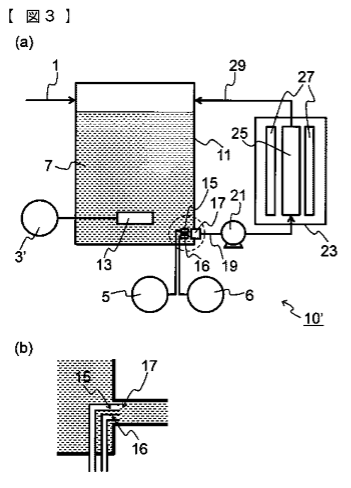
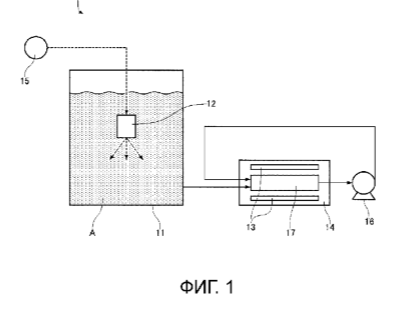
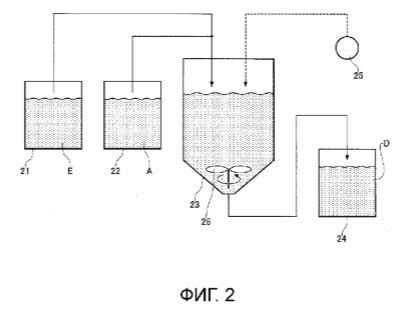
The process starts with a water tank containing CO_2-dissolved water. An oxygen feed source supplies O_2 to a nanobubble generator (ultrafine-pore ceramic filter) that creates oxygen nanobubbles (< 100 nm). The nanobubble-laden water passes through a UV irradiation unit containing a TiO_2 photocatalyst, producing active oxygen radicals (superoxide, hydroxyl, ozone). The activated water is vigorously mixed with a liquid hydrocarbon (kerosene or light oil) to form an emulsion, into CO_2 is added. Radical reactions reduce CO_2 to CO and then to hydrocarbons via polymerization in micelles. After standing, the emulsion separates, yielding a net increase of 5-10 % in the hydrocarbon phase. The system operates at ambient temperature and pressure, requiring only modest electricity for UV lamps and pumps.
Principles
- Photocatalysis
- Nanobubble generation
- Radical chemistry
- CO_2 reduction
- Emulsion polymerization
Scientific Domains
Materials
- Water
- Carbon dioxide (gas)
- Oxygen (gas)
- Titanium dioxide (TiO_2)
- Zinc oxide (ZnO)
- Kerosene or light oil (seed hydrocarbon)
- Ceramic filter (nanoporous)
- Reverse-osmosis membrane (optional)
Mechanisms of Action
- UV-TiO_2 photocatalysis generates reactive oxygen species (-O_2^-, -OH, O_3)
- Active oxygen reduces CO_2 to CO
- CO reacts with water to produce H_2
- Radical polymerization of CO and hydrocarbons in micellar nanobubbles
Energy Sources
Applications
- Synthetic fuel production
- Carbon capture utilization
- Low-energy hydrocarbon synthesis
Claimed Performance
Oil volume increase of 5-10 % per run under ambient conditions.
Experimental Evidence
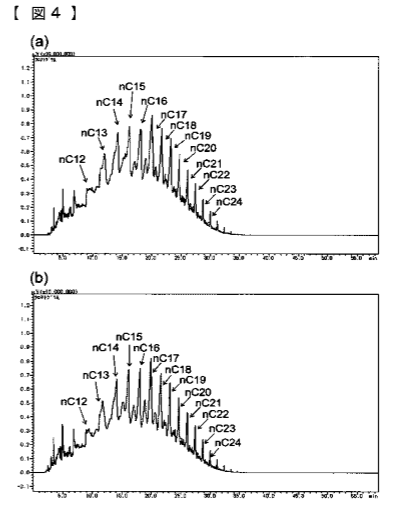
The patent abstract and conference paper report a 5-10 % increase in kerosene/light oil volume after treatment. The news article cites a cost estimate of US$0.02 electricity per unit of oil produced.
Replication Status
No independent replication reported; performance claims are based on the inventors' own experiments.
Limitations
- Requires a seed hydrocarbon (oil) to start the reaction
- Yield increase limited to 5-10 %
- Water resource consumption
- Still produces hydrocarbon pollutants when burned
Red Flags
- Claims of "cheap" oil without independent cost analysis
- No peer-reviewed data or third-party replication
- Potential overstating of environmental benefits