Goal
Generate thrust or translational force for a vehicle without expelling reaction mass, using internal inertial, centrifugal, gyroscopic or motion-rectifying mechanisms.
Problem
Conventional rockets and jet engines require reaction mass and large amounts of fuel, limiting efficiency, payload, and mission duration.
Concept Summary
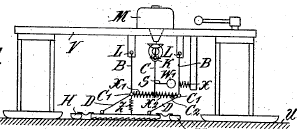
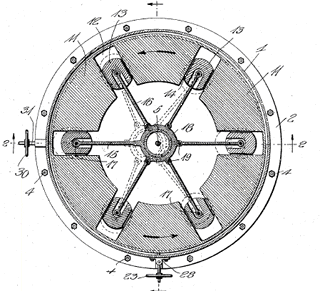
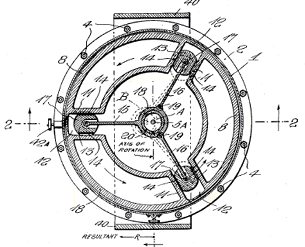
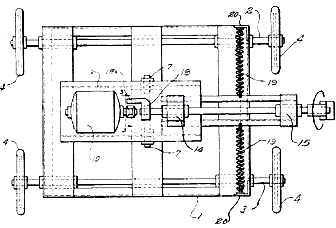
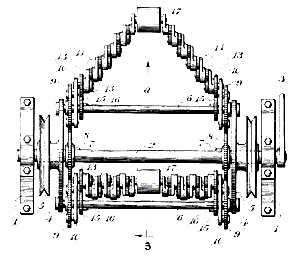
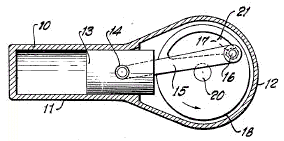
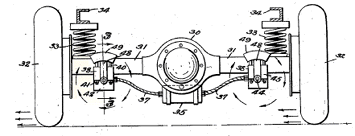
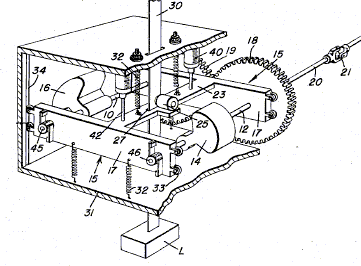
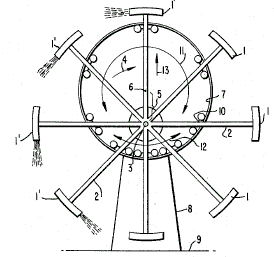
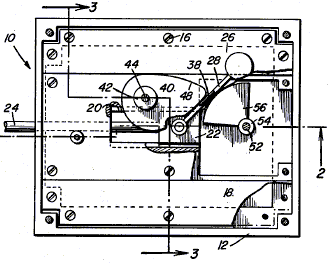
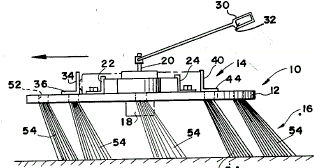
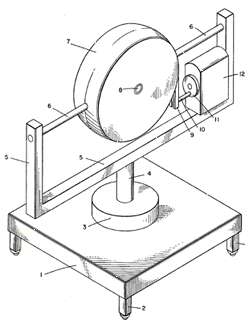
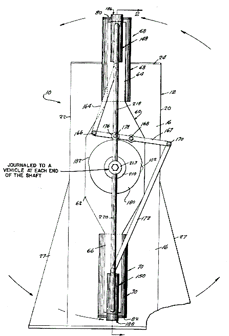
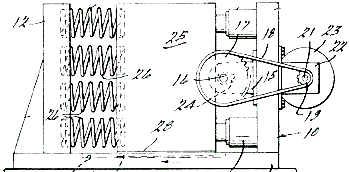
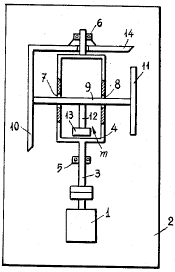
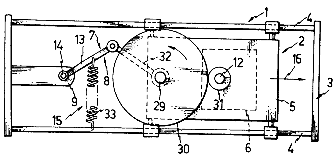
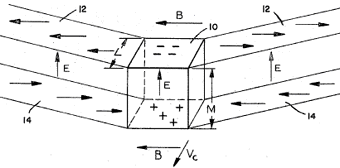
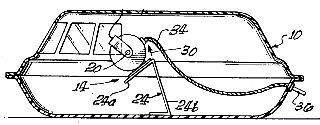
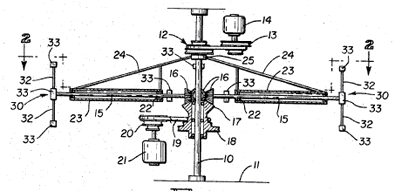
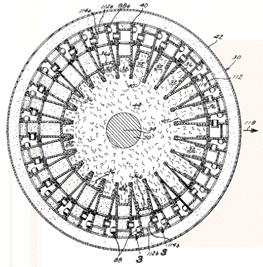
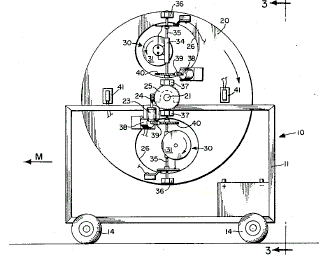
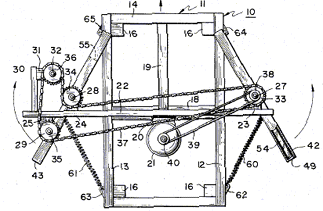
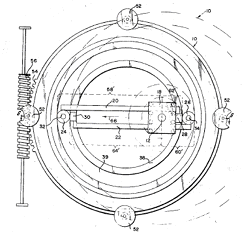
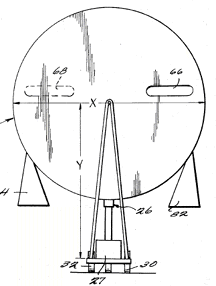
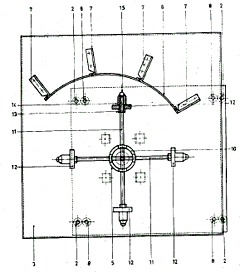
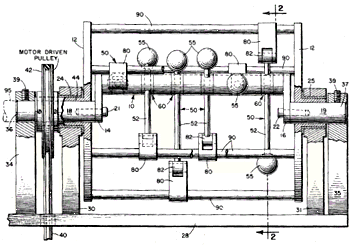
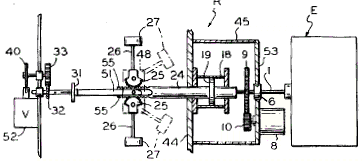
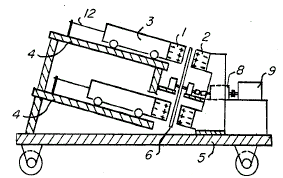
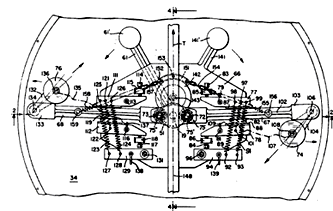
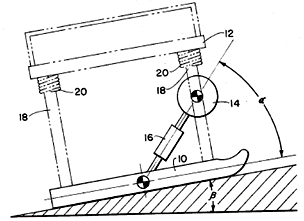
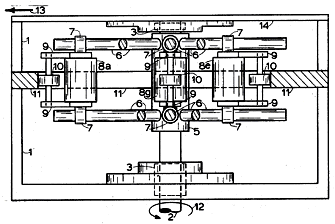
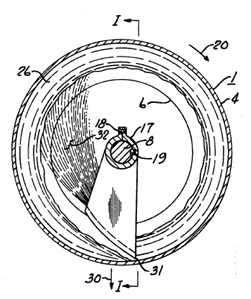
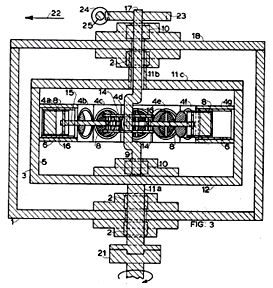
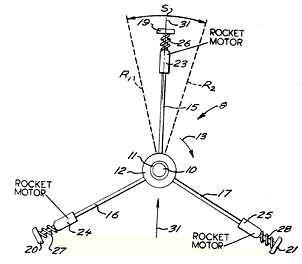
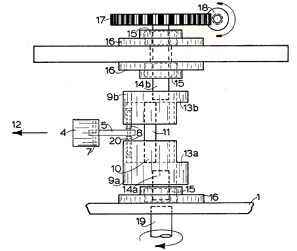
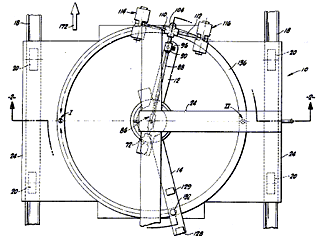
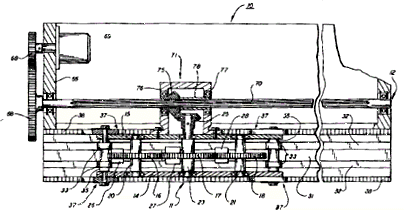
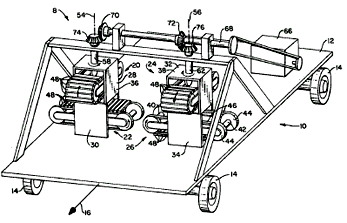
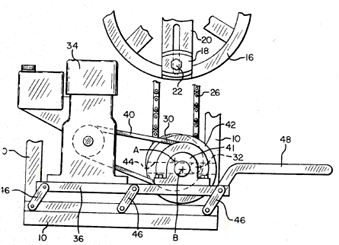
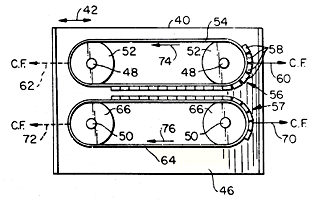
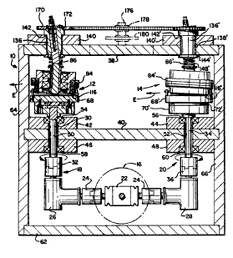
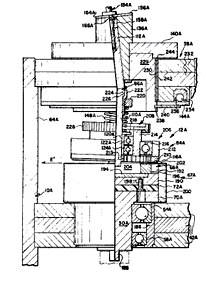
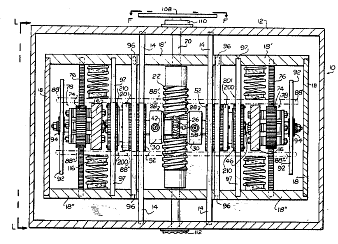
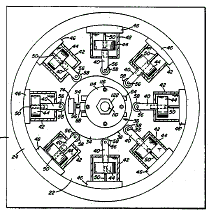
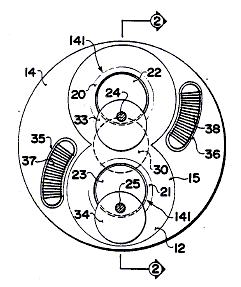
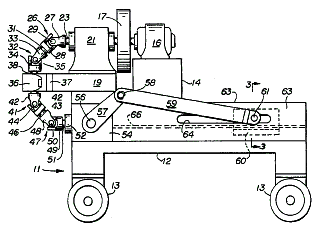
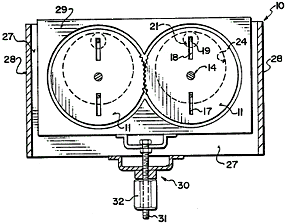
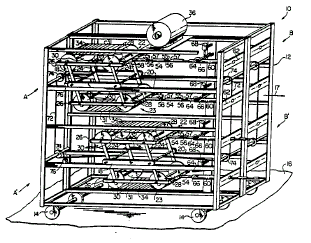
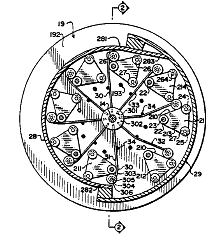
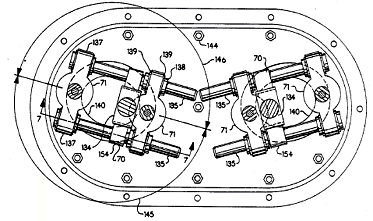
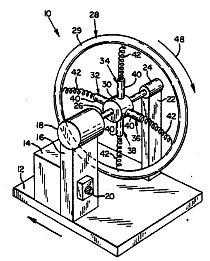
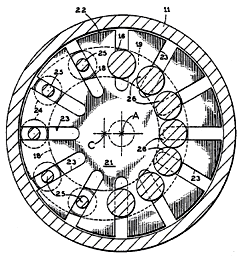
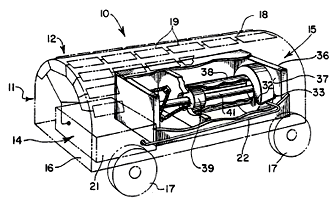
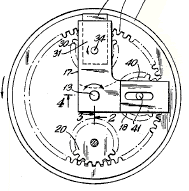
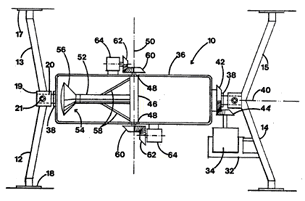
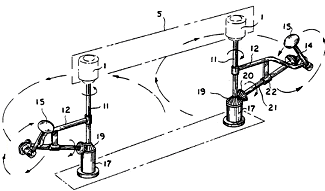
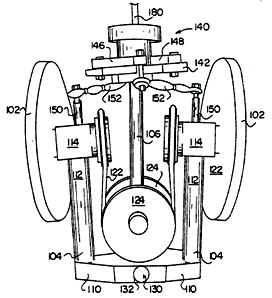
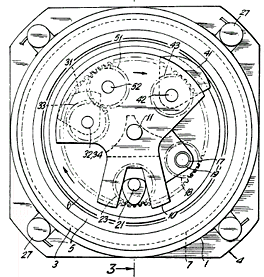
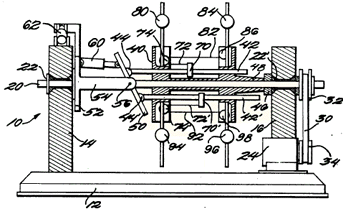
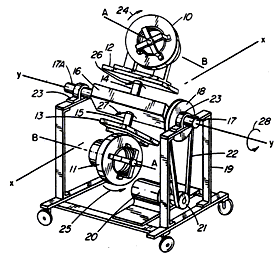
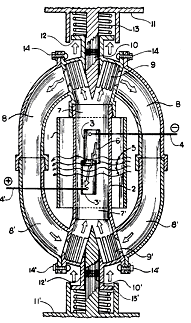
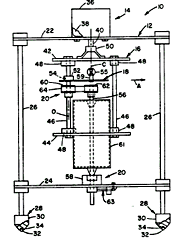
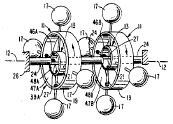
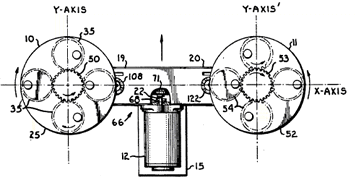
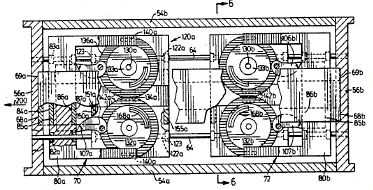
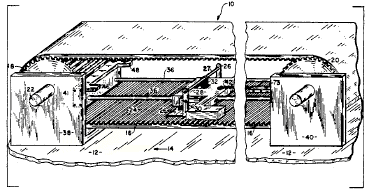
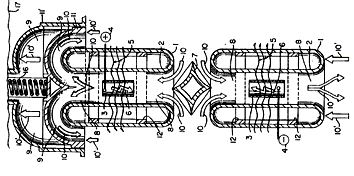
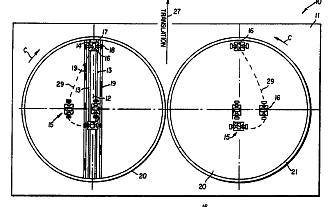
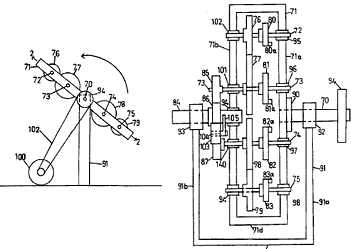
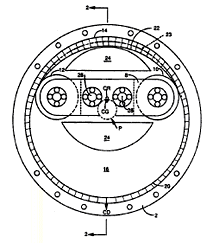
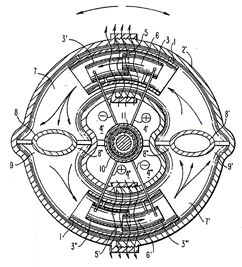
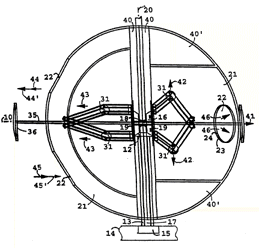
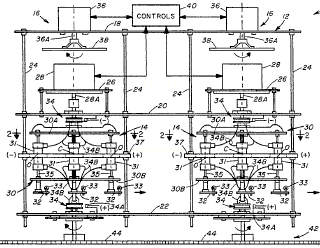
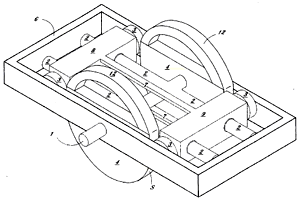
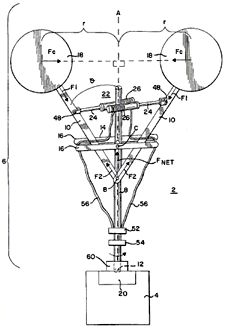
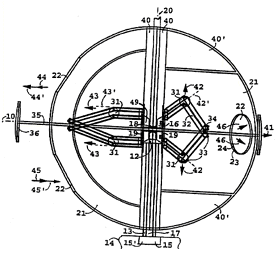
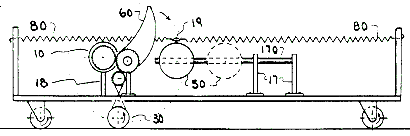
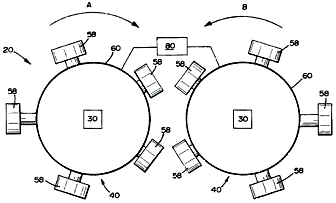
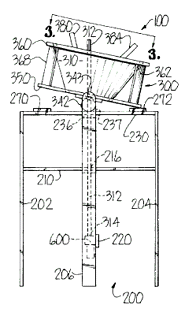
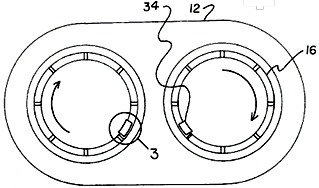
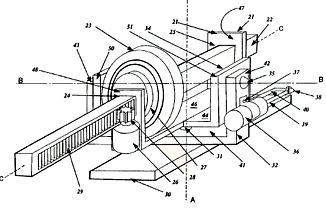
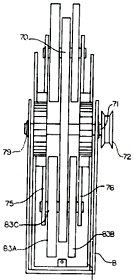
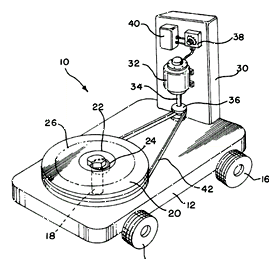
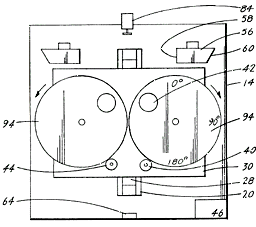
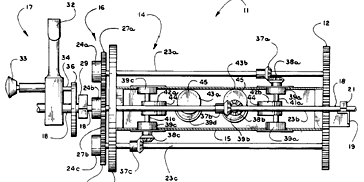
The article catalogs a series of US patents that describe a variety of soinertial drives", "impulse engines", "centrifugal propulsion", "gyroscopic propulsion", and other non-linear propulsion concepts. These patents claim to produce thrust by internally rearranging mass, employing rotating eccentric weights, gyroscopes, or other motion-rectifying mechanisms that supposedly transfer internal momentum to external vehicle motion without interaction with the environment.
Principles
- Inertia
- Gyroscopic precession
- Centrifugal force
- Momentum transfer
- Non-linear dynamics
Scientific Domains
Materials
- steel
- aluminum
- composite alloys
Mechanisms of Action
- Internal mass redistribution
- Rotating eccentric weights
- Gyroscope spin-axis manipulation
- Centrifugal acceleration of internal components
Applications
- Spacecraft propulsion
- Satellite station-keeping
- Ground vehicle thrust augmentation
Limitations
- No publicly available independent experimental data
- Claims often lack quantitative performance metrics
- Potential conflict with conservation of momentum
Red Flags
- Claims of reactionless thrust
- Absence of peer-reviewed validation
- Heavy reliance on proprietary patents without disclosed test results