Confidence
0.90
Practicability
0.70
Evidence
0.60
Fringe Score
0.20
Risk
0.20
TRL
4
Goal
Reduce mortality from sepsis by removing pathogenic bacteria from blood and augmenting antibiotic efficacy.
Problem
Bloodstream bacterial infections (sepsis) that cause organ failure and death.
Concept Summary
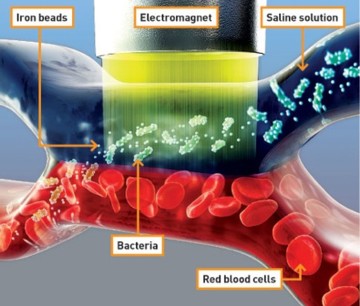
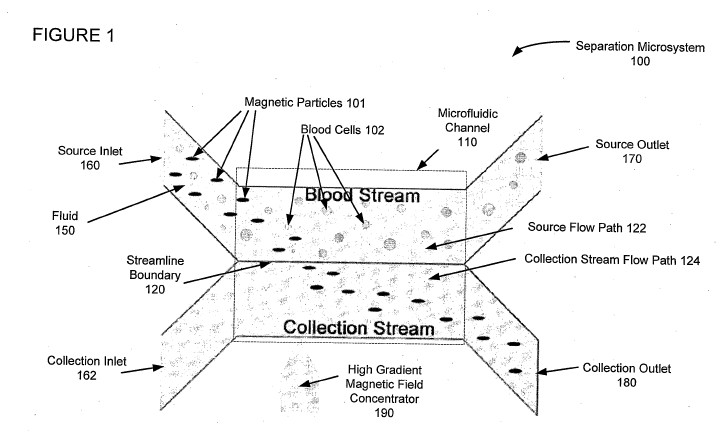
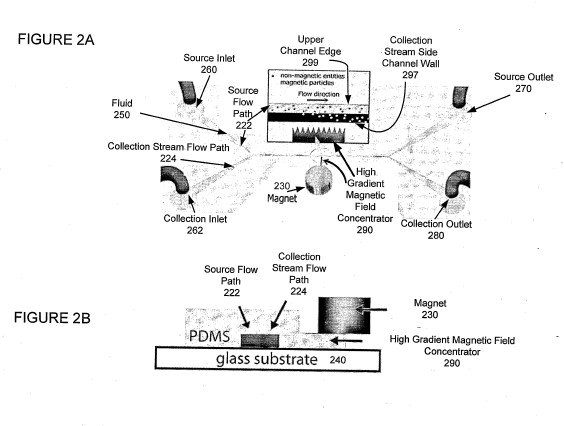
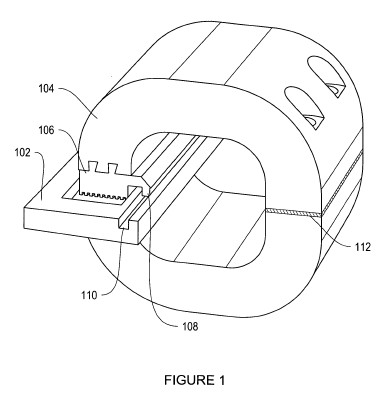
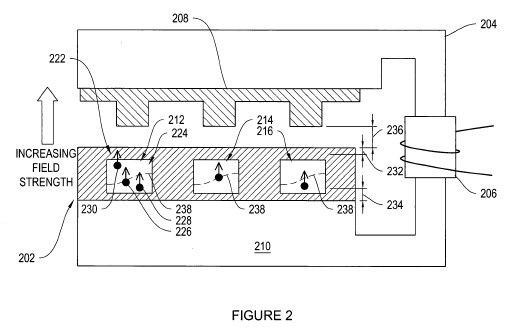
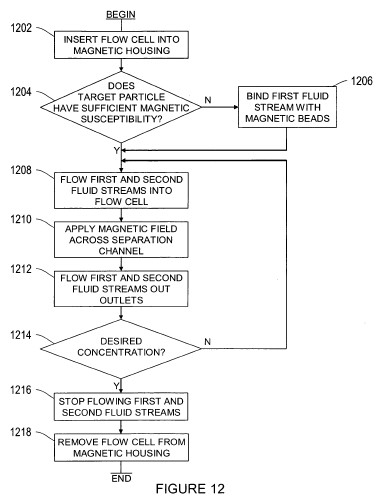
The system uses microscopic plastic-coated iron-oxide beads functionalized with antibodies that bind to target bacteria. Blood mixed with the beads is passed through a dialysis-type flow channel where an electromagnet creates a magnetic field gradient that pulls the bead-pathogen complexes out of the blood stream, allowing cleaned blood to return to the patient.
Principles
- Magnetic separation (magnetophoresis)
- Antibody-mediated targeting of pathogens
- Laminar flow microfluidics
- Electromagnetic field gradient
Scientific Domains
Materials
- Iron oxide (magnetic core)
- Plastic coating
- Specific antibodies
Mechanisms of Action
- Antibody-coated iron oxide beads bind to bacteria
- Electromagnet attracts beads, pulling them out of the blood flow
- Separated beads and attached bacteria are collected as waste
Energy Sources
Applications
- Sepsis treatment
- Blood purification in intensive care
- Potential removal of circulating cancer cells
Claimed Performance
In vitro tests removed up to 80 % of the pathogens from blood.
Experimental Evidence
In vitro experiments reported removal of up to 80 % of pathogens, sufficient for remaining bacteria to be cleared by antibiotics.
Limitations
- Current data limited to in-vitro experiments
- Requires extracorporeal blood handling
- Potential immunogenicity of injected beads
- Scale-up and regulatory approval not demonstrated