Goal
Provide better balance, reduce vibration and stress, and increase propeller efficiency.
Problem
Conventional propellers suffer from vibration, radial slip, inefficient air handling, and limited adjustability, leading to higher stress and lower thrust.
Concept Summary
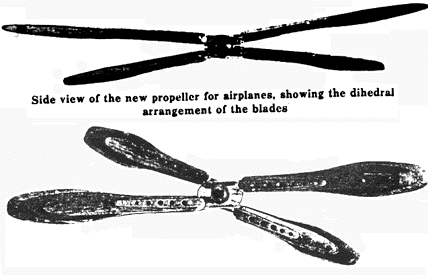
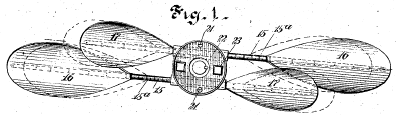
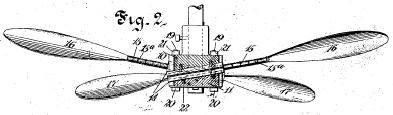
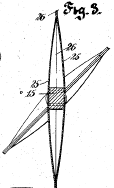
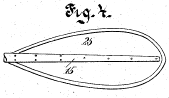
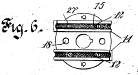
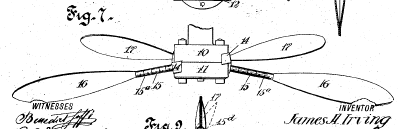
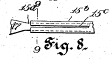
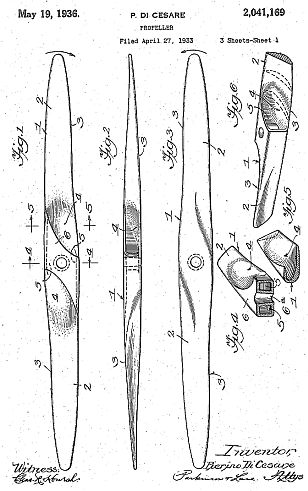
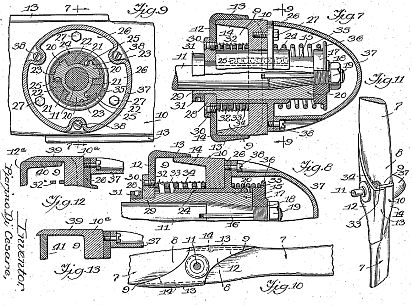
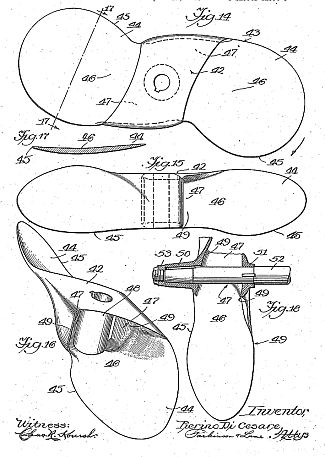
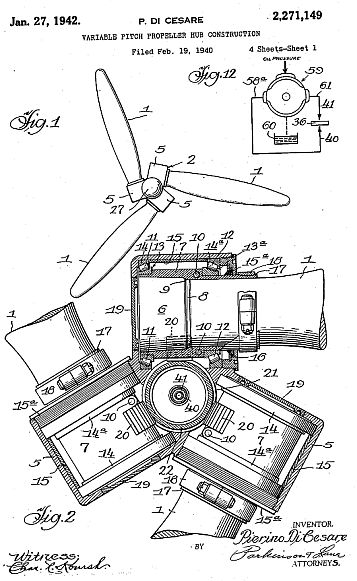
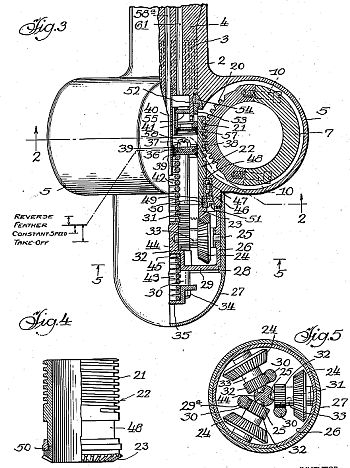
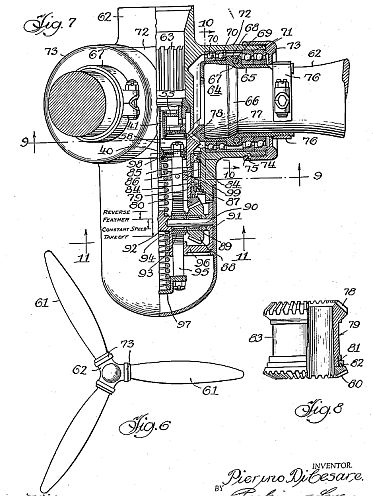
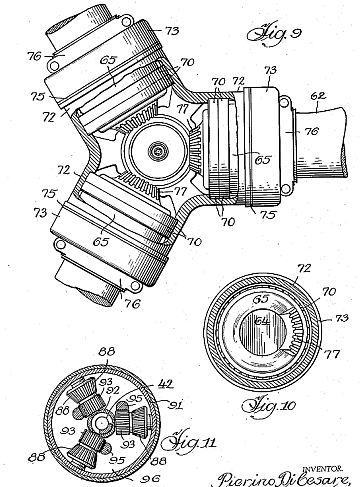
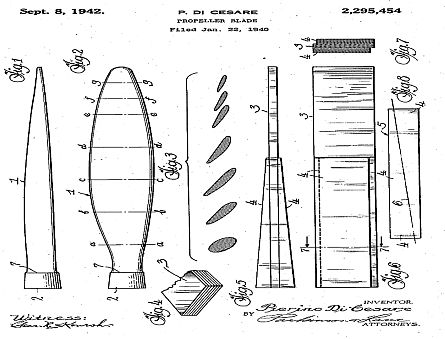
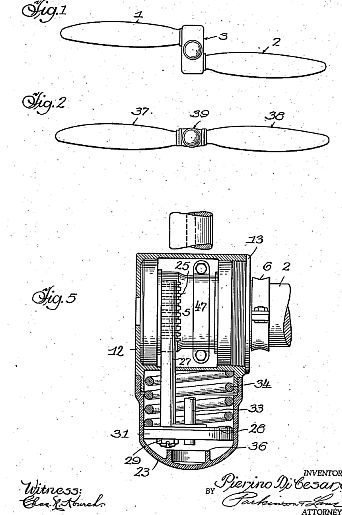
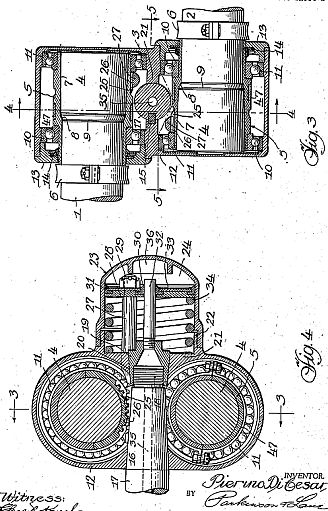
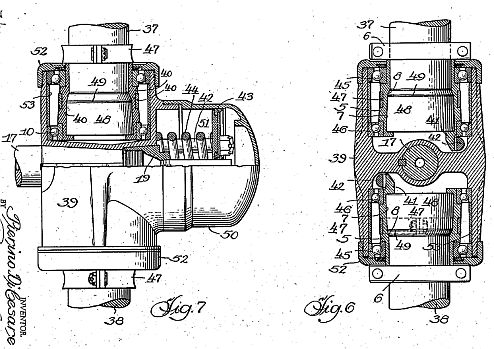
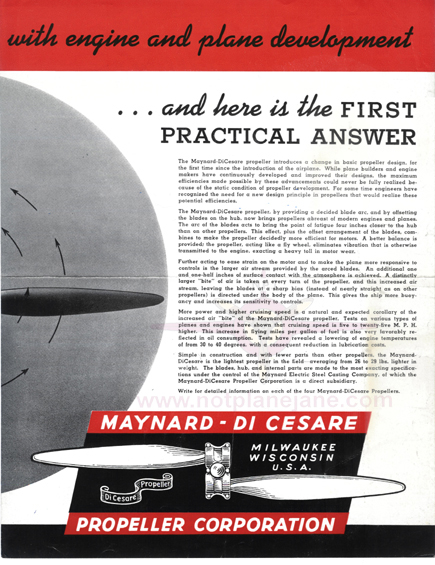
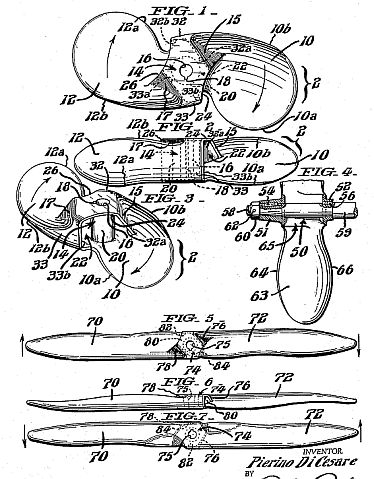
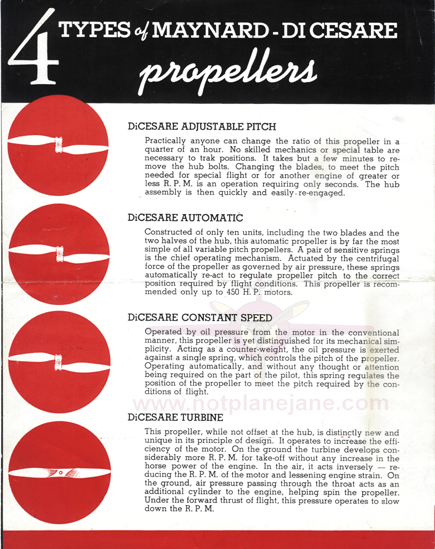
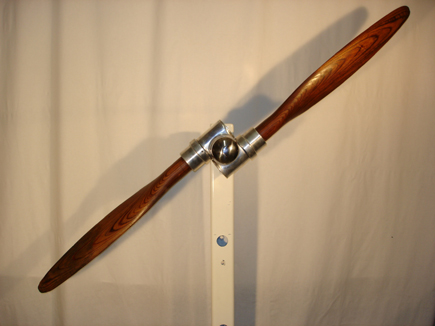
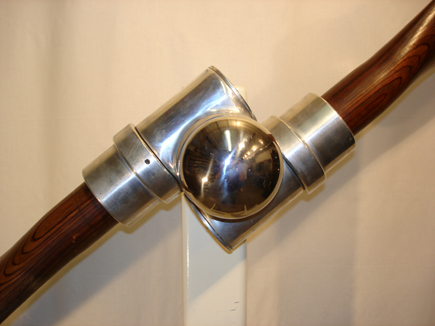
The invention combines two concentric propeller blade sets-one longer leading set and a shorter auxiliary set-mounted on a common hub with dihedral-arranged, offset blades. The blades are made of laminated ash and mahogany, attached to Monel metal arms, and can be pitched independently via tapered shanks and lock-nuts. The auxiliary blades create a central thrust by drawing air inward, while the leading blades benefit from reduced centrifugal and torque strain. Adjustable pitch and offset arrangement reduce vibration, improve balance, and claim up to one-third higher efficiency.
Detailed Description
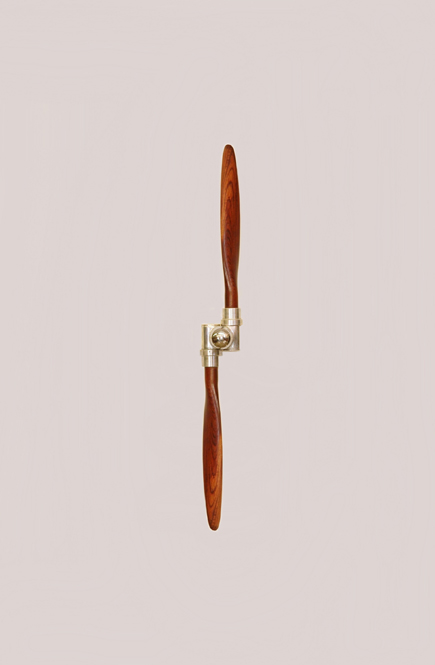
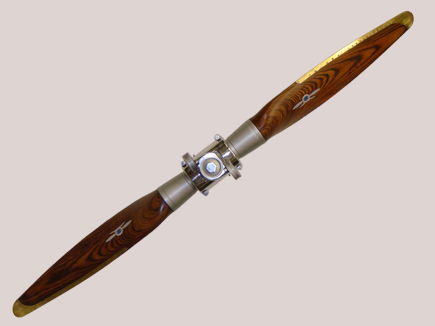
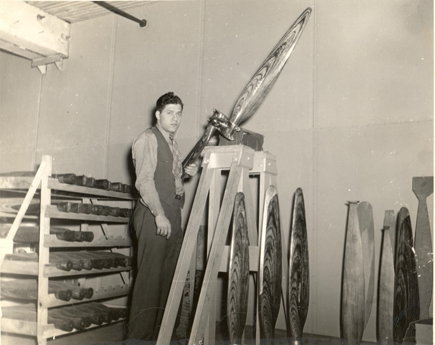
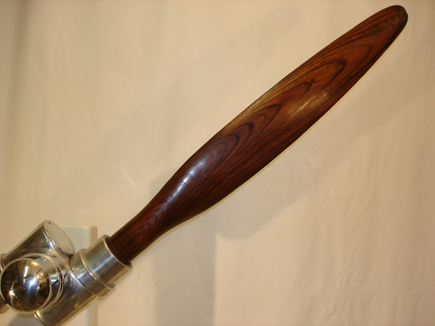
Irving's offset propeller consists of two blade assemblies: a set of 8 ft 6 in diameter leading blades and a second set about 20 % shorter. Blades are laminated from three-ply ash and cross-wise mahogany for split resistance and are mounted on Monel metal arms that taper into a two-part hub. Dihedral-arranged arms and blades generate centripetal airflow toward the hub, eliminating radial slip. The auxiliary blades act as a "dead-space" impeller, producing additional thrust and reducing vibration by keeping blade tips under constant tension between centrifugal force and air pressure. Pitch is adjusted via tapered shanks locked with lock-nuts; lead washers allow fine balancing. The hub is integrated with the engine, permitting easy blade replacement and emergency spare blades. The design is also applied to a marine propeller and an electric-fan blade, both reported as quieter and more efficient.
Principles
- Aerodynamic efficiency through differential pitch
- Centrifugal force management
- Dihedral blade arrangement for airflow centripetal action
- Adjustable pitch for optimal thrust
Scientific Domains
Materials
- Ash wood
- Mahogany wood
- Monel metal
- Lead
Mechanisms of Action
- Offset blade arrangement creates central thrust
- Dihedral angle reduces radial slip and vibration
- Adjustable pitch allows optimization for engine speed and load
- Lead washer balancing compensates for mass asymmetry
Applications
- Aircraft propulsion
- Marine propulsion
Claimed Performance
One-third more efficient than conventional propellers; up to 50 % of the propeller is indestructible; silent operation in electric-fan version.
Experimental Evidence
Numerous practical flying tests with aviators such as Captain Baldwin reported increased climbing power and speed; an electric-fan prototype was described as practically silent.
Limitations
- Reliance on anecdotal test reports rather than quantitative data
- Complex manufacturing of laminated wooden blades and Monel hub
- Adjustment mechanisms may require precise machining
Red Flags
- Lack of peer-reviewed experimental data
- Claims based on limited pilot testimonies
- Potential bias in promotional material