Goal
Provide low-cost ice and refrigeration for unelectrified rural communities using solar thermal energy.
Problem
Lack of affordable refrigeration and ice in developing rural areas, dependence on diesel fuel or electricity.
Concept Summary
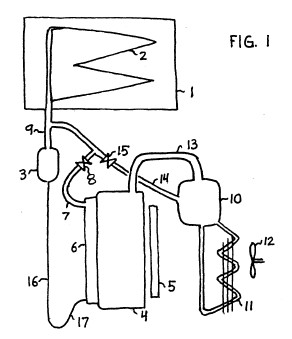
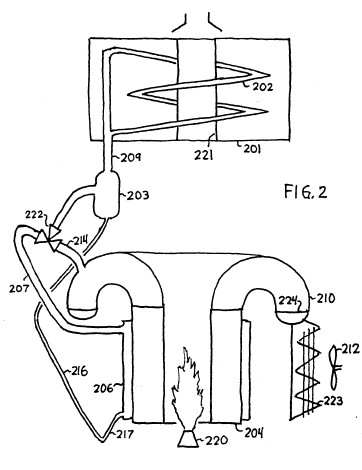
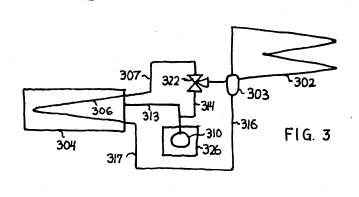
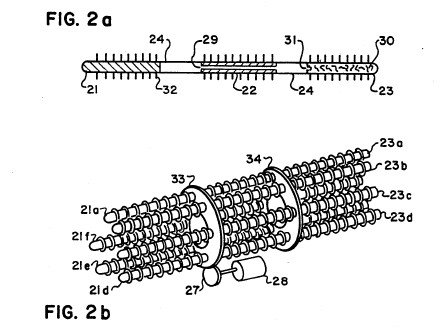
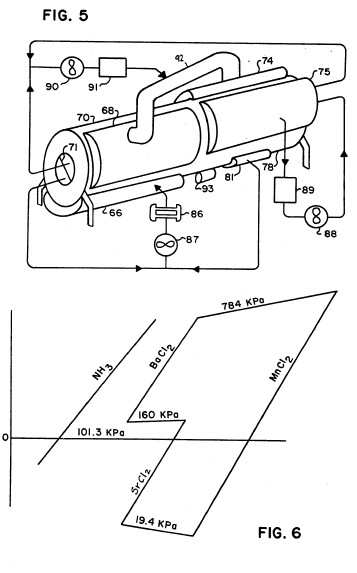
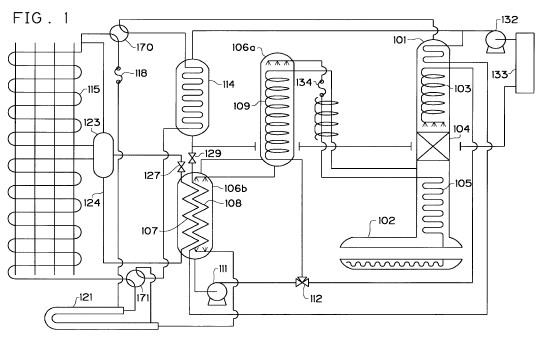
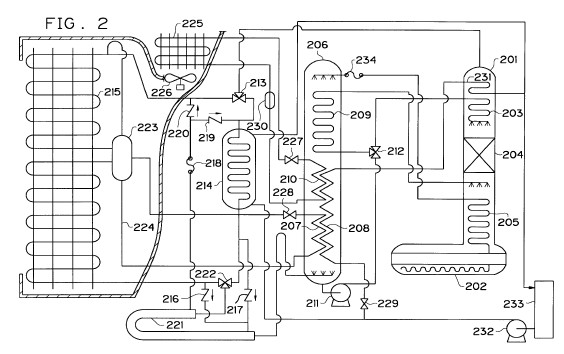
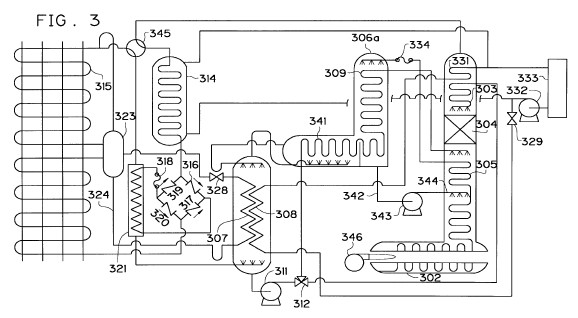
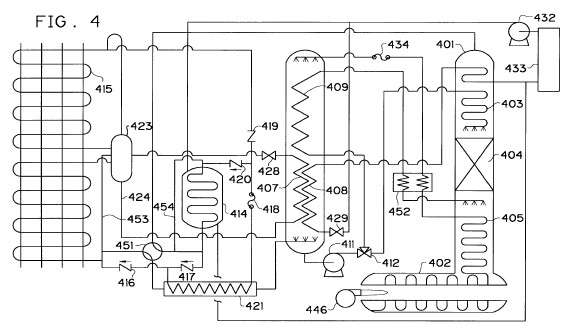
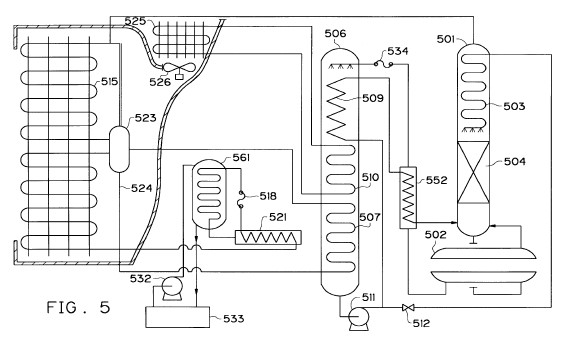
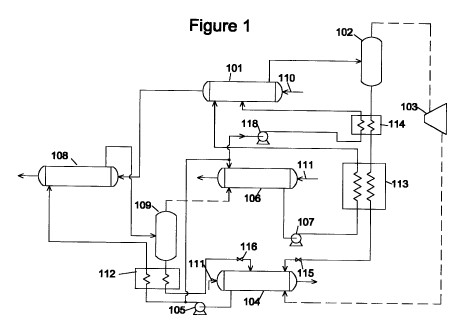
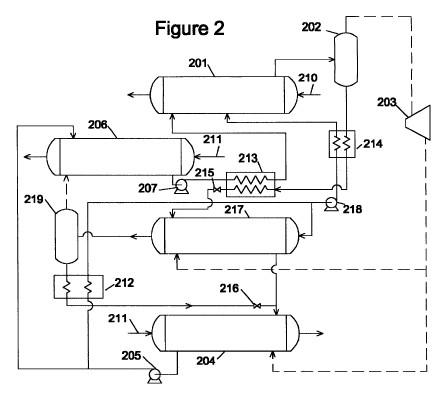
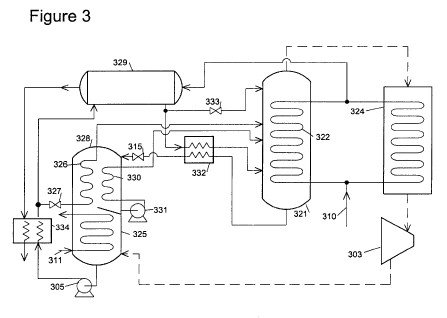
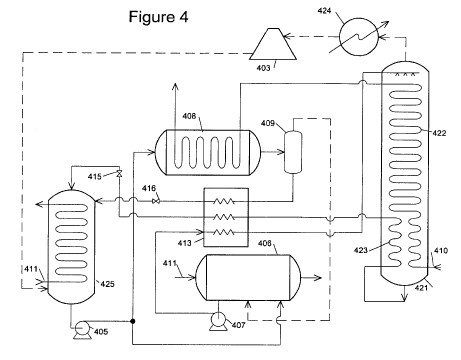
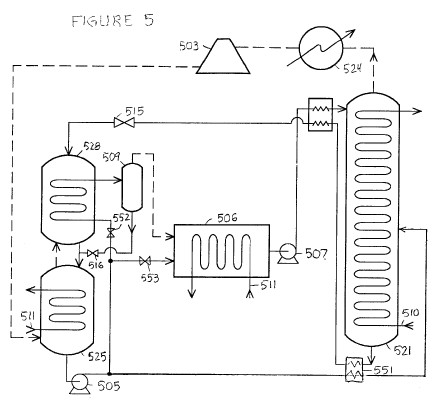
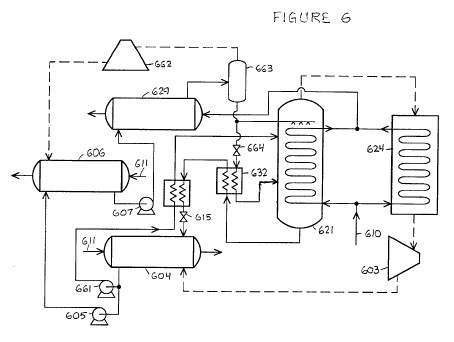
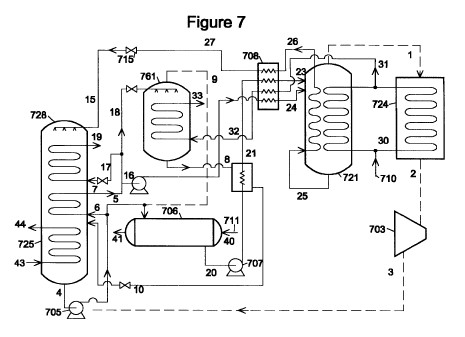
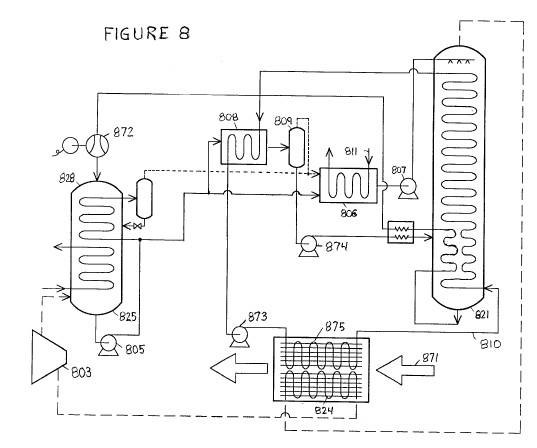
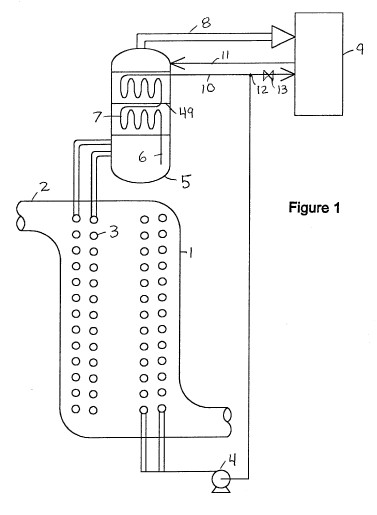
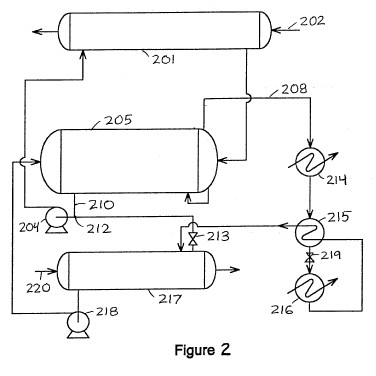
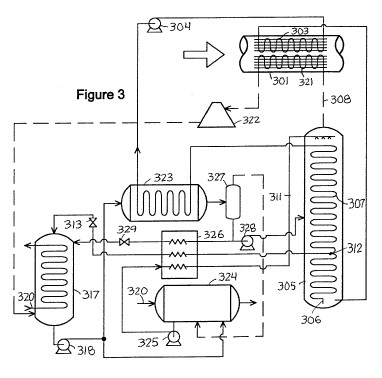
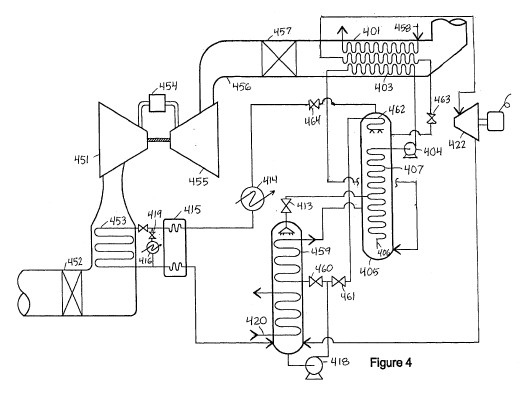
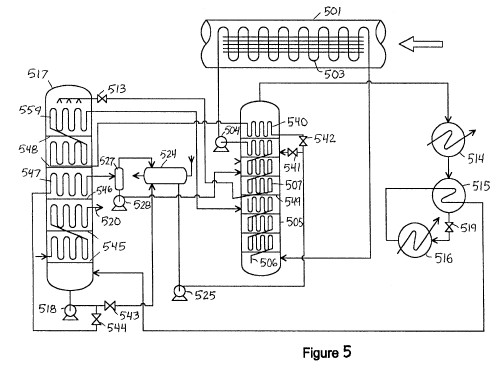
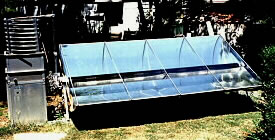
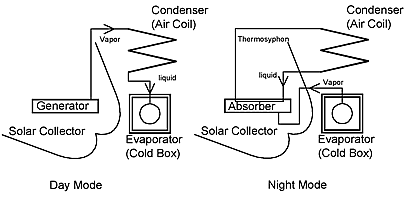
The ISAAC Solar Icemaker is a solar-thermal powered ammonia-water absorption refrigeration system that uses a parabolic trough collector to generate high-pressure ammonia vapor during the day and a thermosyphon to cool the generator at night, producing ice without moving parts, fuel, or electricity.
Principles
- Solar thermal heating
- Ammonia-water absorption refrigeration
- Thermosyphon heat removal
- Parabolic trough solar collector
Scientific Domains
Materials
- Ammonia
- Water
- Steel
- Copper
Mechanisms of Action
- Absorption cycle
- Thermosyphon cooling
- Solar collector heating
Energy Sources
Applications
- Rural ice production
- Cold storage for food
- Domestic refrigeration
Claimed Performance
Approximately 5 kg of ice per square meter of collector per sunny day (~=6 blocks of ice per day, each 10 kg).
Experimental Evidence
Over forty systems have been built and twenty installed in seven countries; the ISAAC is on display at Sandia National Laboratory and is being commercialized by Solar Ice Co.
Replication Status
Multiple field installations (~=20) across seven countries demonstrate replication.
Limitations
- Depends on sufficient solar insolation
- Limited ice output per collector area
- Requires handling of ammonia and water