Goal
Provide a nutritional supplement that acts as a cellular biostimulator to treat cancer and a wide range of other diseases.
Problem
Cancer, cirrhosis, leukemia, multiple sclerosis, osteoporosis, Parkinson's, diabetes, chronic hepatitis, ulcers, anemia, bronchitis, asthma, epilepsy and other serious illnesses that lack effective, low-side-effect treatments.
Concept Summary
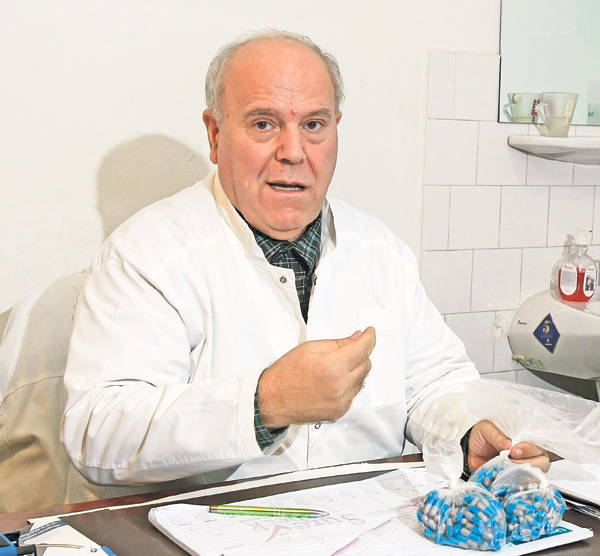
Celulact H is a mixture of C14-C18 monocarboxylic acids obtained by saponifying sheep tallow, separating the acids, and form them in gelatin capsules. The product is claimed to release hydrogen radicals that regenerate diseased cells, restore normal cellular structure, and stimulate the immune system.
Detailed Description
The patented preparation uses a 6-L stainless-steel reactor. Water is boiled, caustic soda is added, then animal fat (sheep tallow) is saponified. After 3 h, NaCl is added and heating stopped. The soap-glycerin mixture is washed with a citric-acid solution to pH 5.5, allowing C14-C18 monocarboxylic acids to separate. The acids are washed, dried under vacuum, and collected as a solid (melting point 70-73 deg C, boiling 124-134 deg C). The final product is a yellow-brown solid, soluble in alkaline media, ether, benzene, halogenated solvents, and absolute ethanol. It is encapsulated in gelatin capsules and taken orally as a dietary supplement. The inventor claims that the acids generate hydrogen radicals that 'cut' a mayonnaise-like cellular matrix in the nucleus, thereby restoring normal cell function and eliminating tumor tissue.
Principles
- Cellular biostimulation
- Hydrogen radical activation
- Monocarboxylic acid therapy
Scientific Domains
Materials
- Sheep tallow (animal fat)
- Caustic soda (NaOH)
- Sodium chloride (NaCl)
- Citric acid
- Water
- Gelatin (for capsules)
Mechanisms of Action
- Release of hydrogen radicals that activate cellular repair pathways
- Restoration of normal nuclear matrix structure
- Regeneration of diseased cells
- Stimulation of immune system and blood formation
Applications
- Cancer therapy
- Immune system support
- Nutritional supplementation
Claimed Performance
Effective against a broad spectrum of cancers (lung, breast, liver, pancreas, bone, etc.) and other diseases; reported tumor shrinkage, remission, improved appetite, enhanced immune function, and overall revitalization of the body.
Experimental Evidence
Anecdotal patient reports (e.g., NMR analysis showing no carcinoma hint, ultrasound indicating tumor disappearance), and subjective improvement statements. No controlled clinical trials or peer-reviewed data are presented.
Limitations
- Lack of peer-reviewed clinical data
- Evidence limited to anecdotal case reports
- Potential variability in acid composition
- No disclosed dosing regimen
Red Flags
- Extraordinary claims of curing advanced cancers without rigorous evidence
- Reliance on anecdotal testimonials
- No published peer-reviewed studies or independent replication