Goal
Convert waste plastic (PE, PS, PP) into usable crude oil and gas, reducing landfill, incineration and CO_2 emissions.
Problem
Low recycling rates of plastic, environmental pollution from plastic waste, and the large fraction of oil used to produce plastics.
Concept Summary
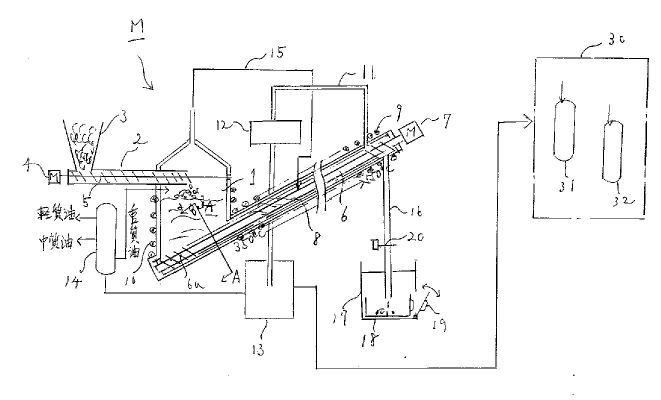
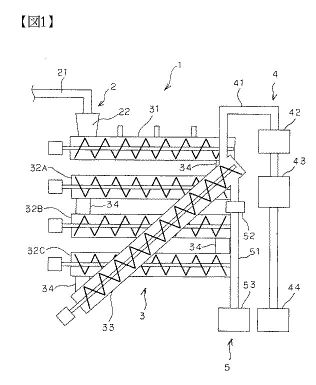
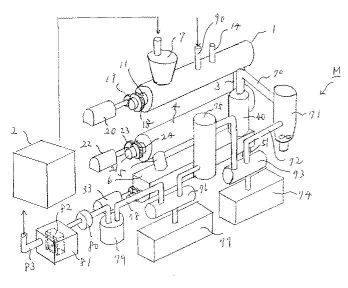
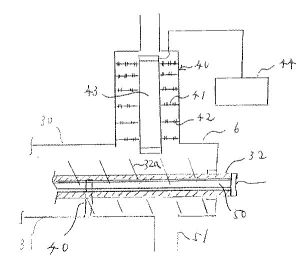
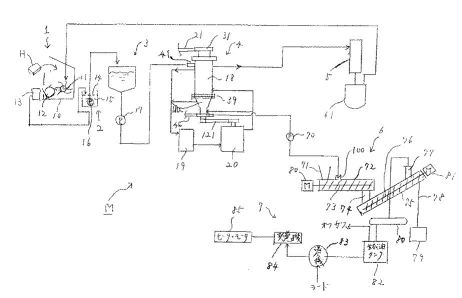
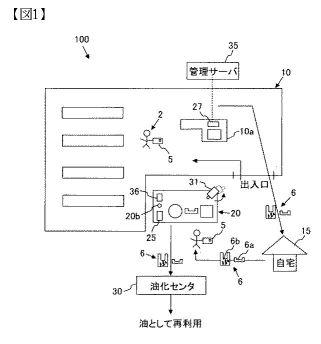
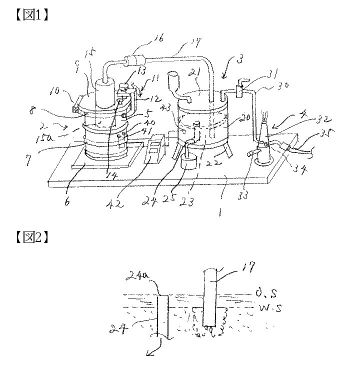
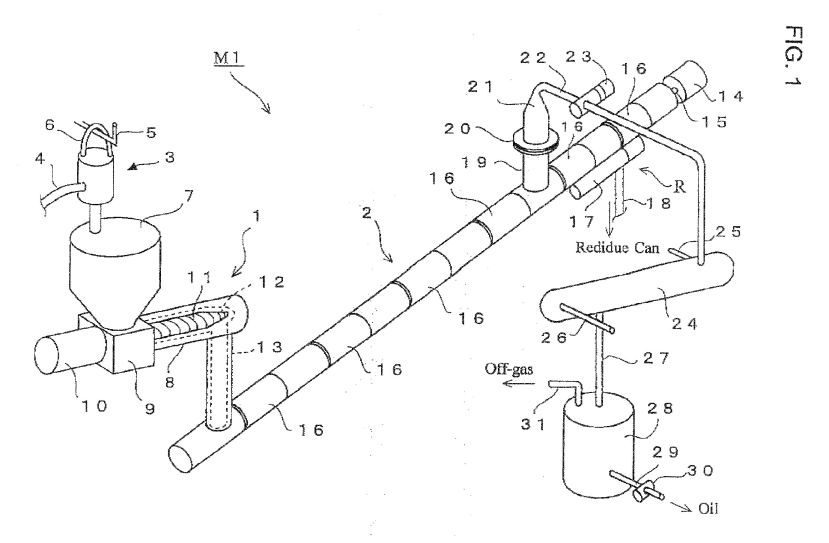
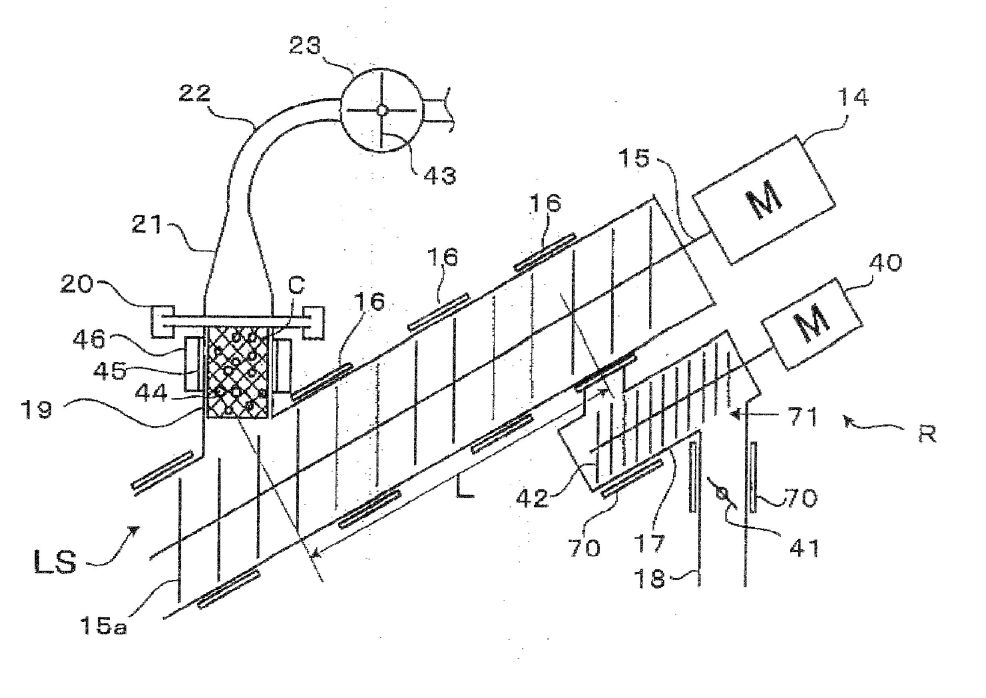
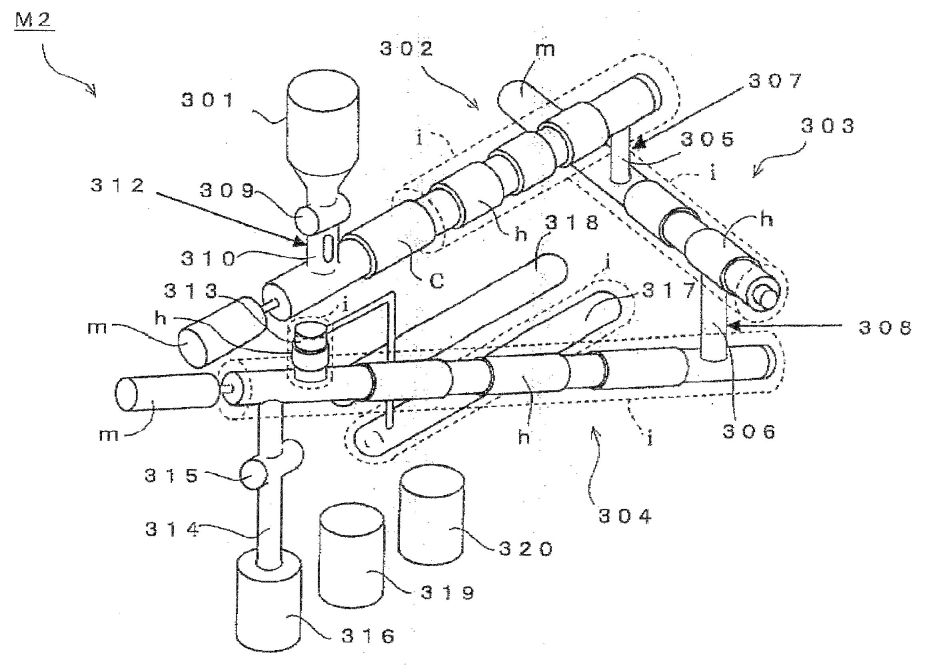
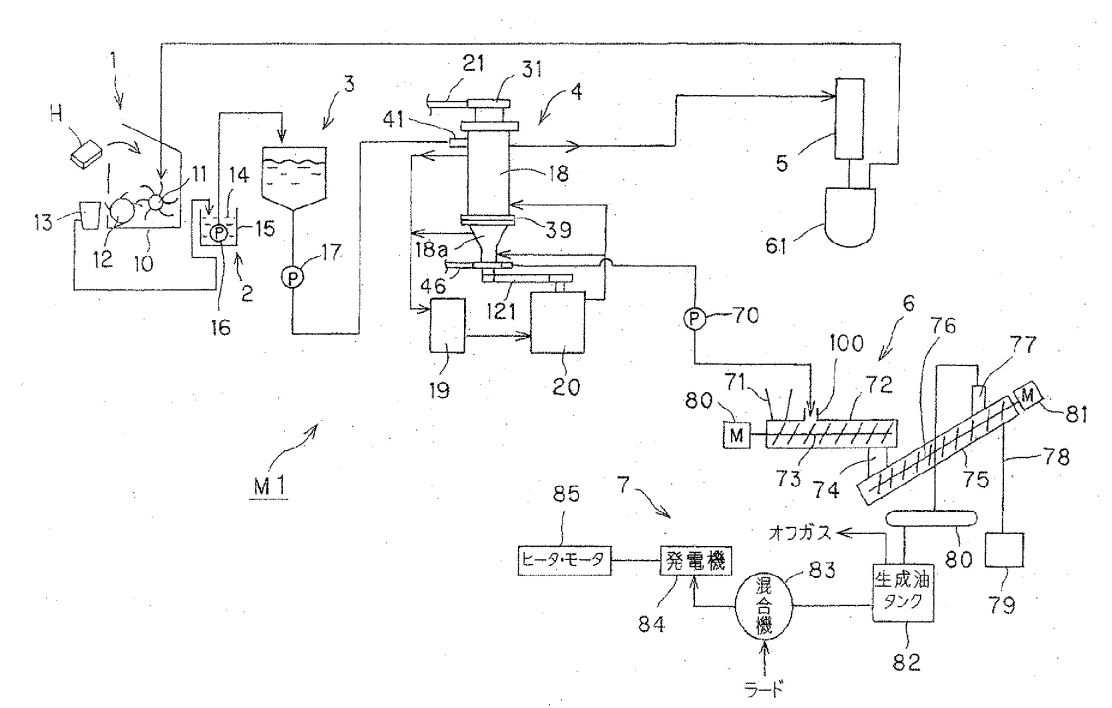
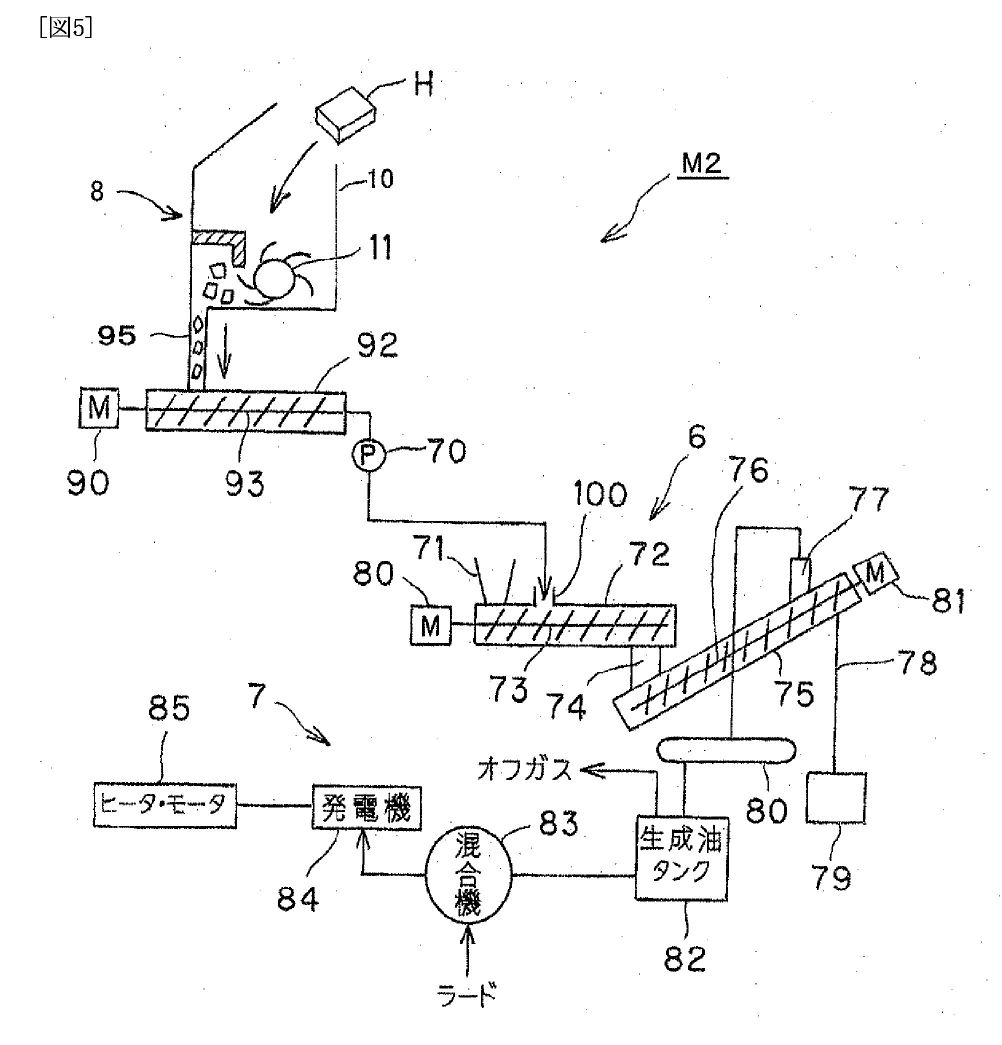
A small, electrically heated machine melts mixed plastics, then cracks the molten plastic in an inclined decomposing chamber with a lead-screw and catalytic zeolite. The resulting vapors are condensed into crude oil, while a portion of the gas can fuel a generator. The process uses about 1 kW per kilogram of plastic and yields roughly one litre of oil.
Detailed Description
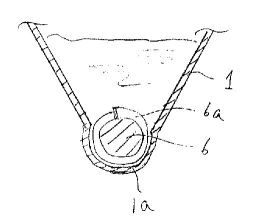
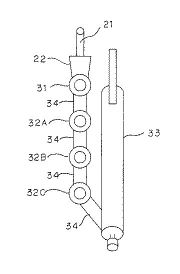
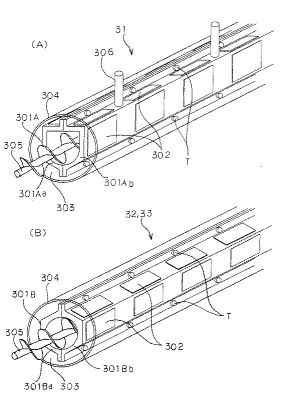
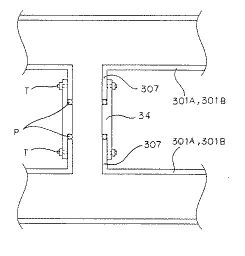
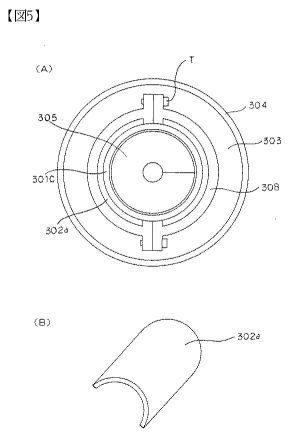
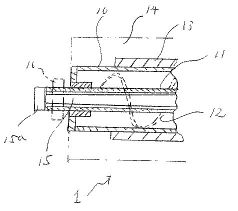
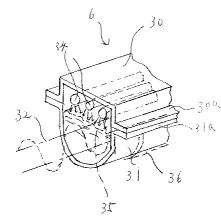
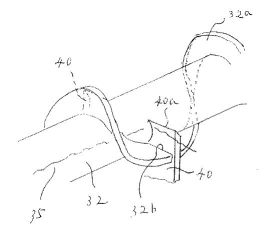
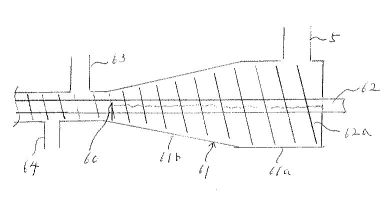
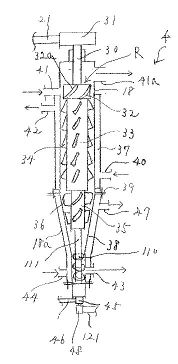
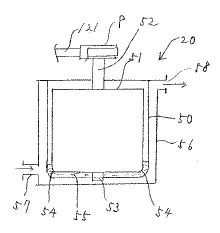
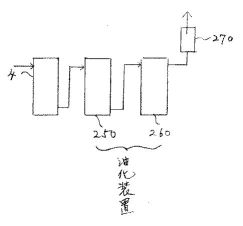
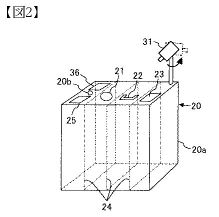
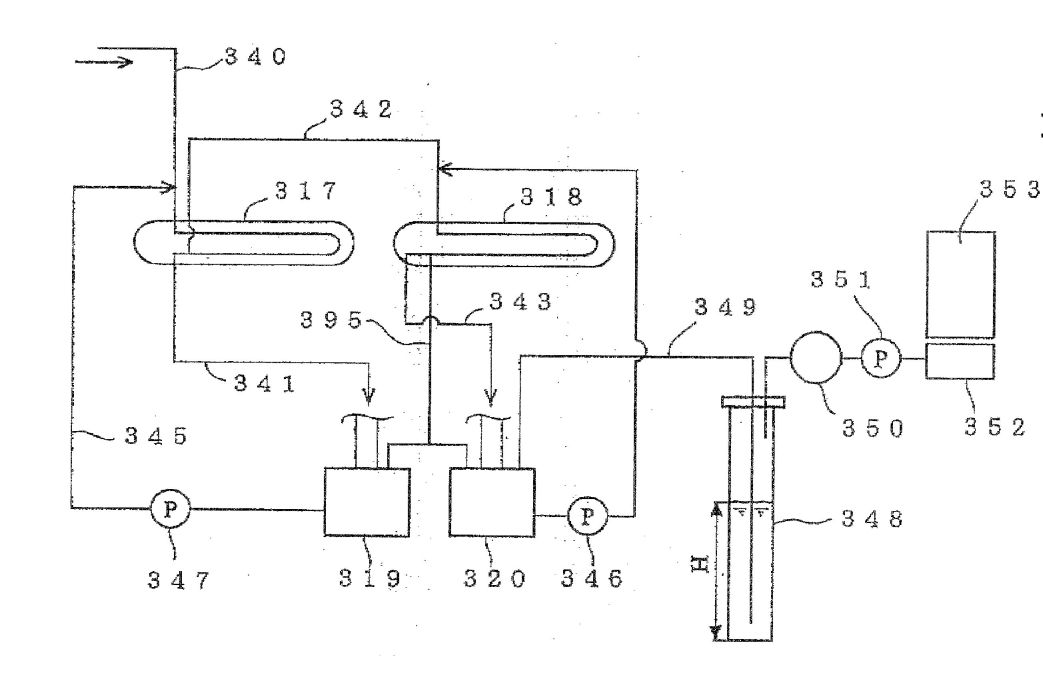
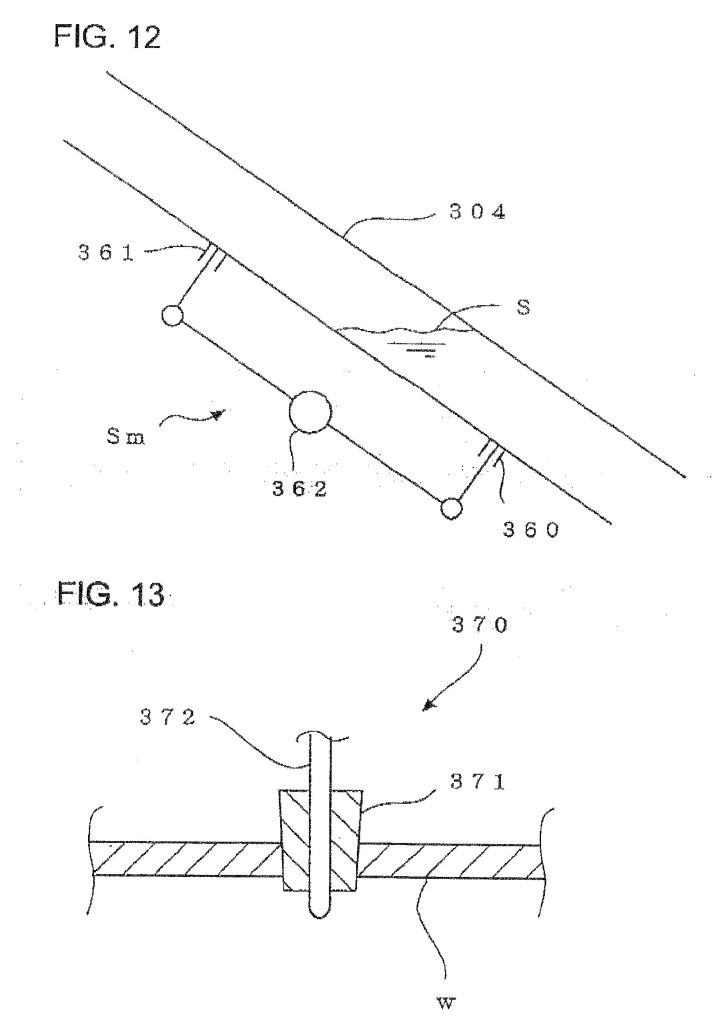
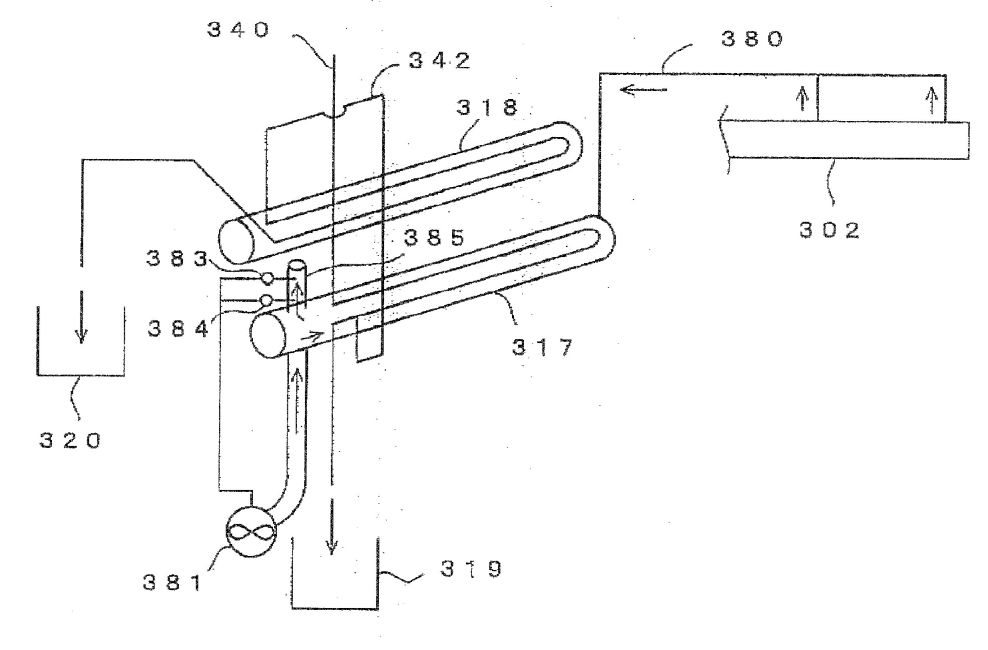
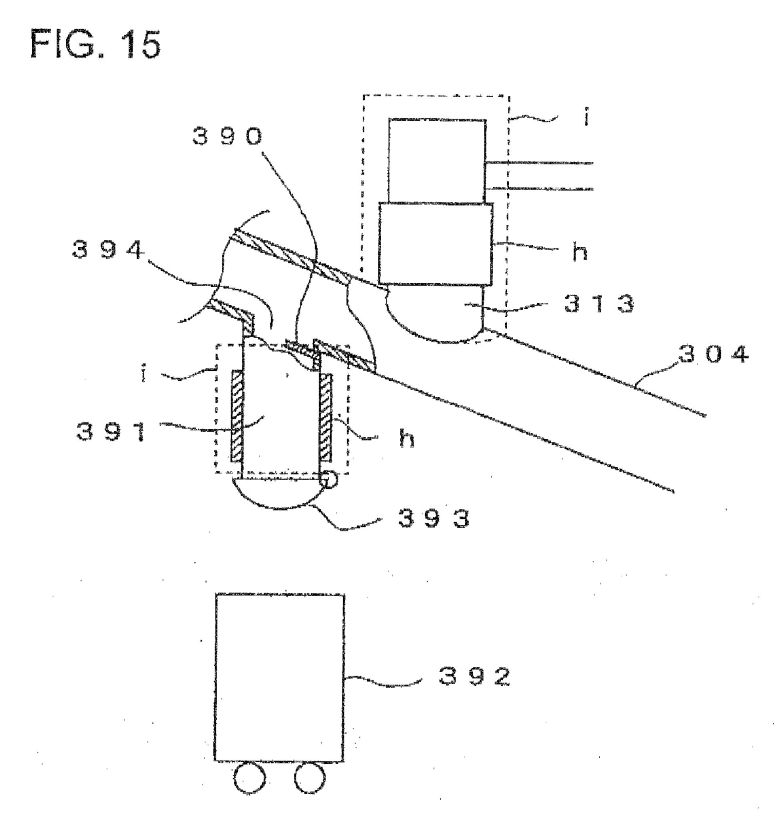
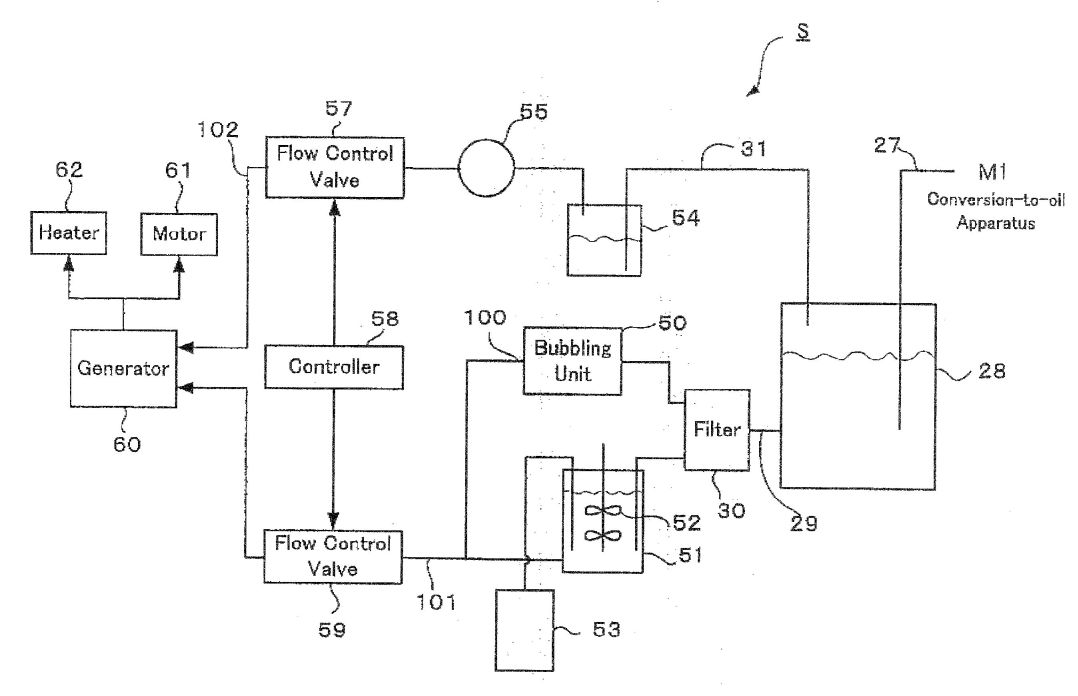
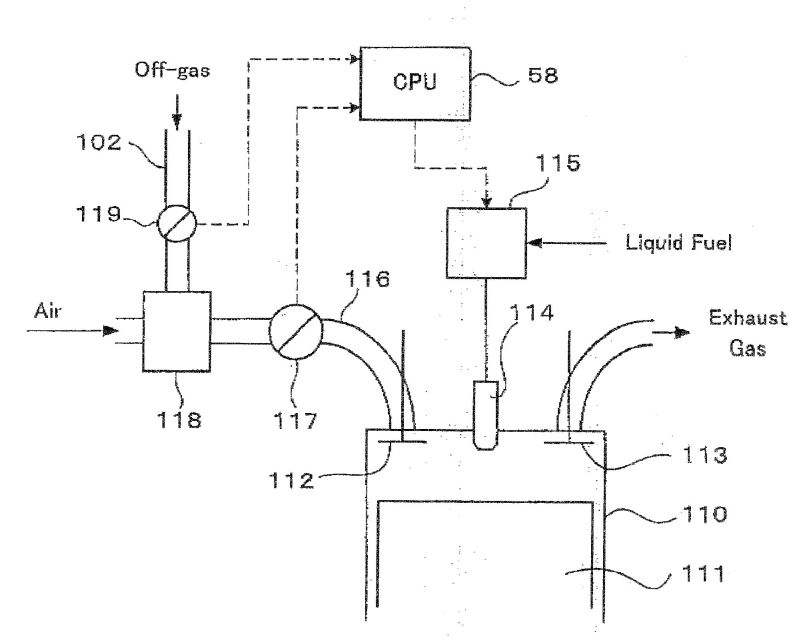
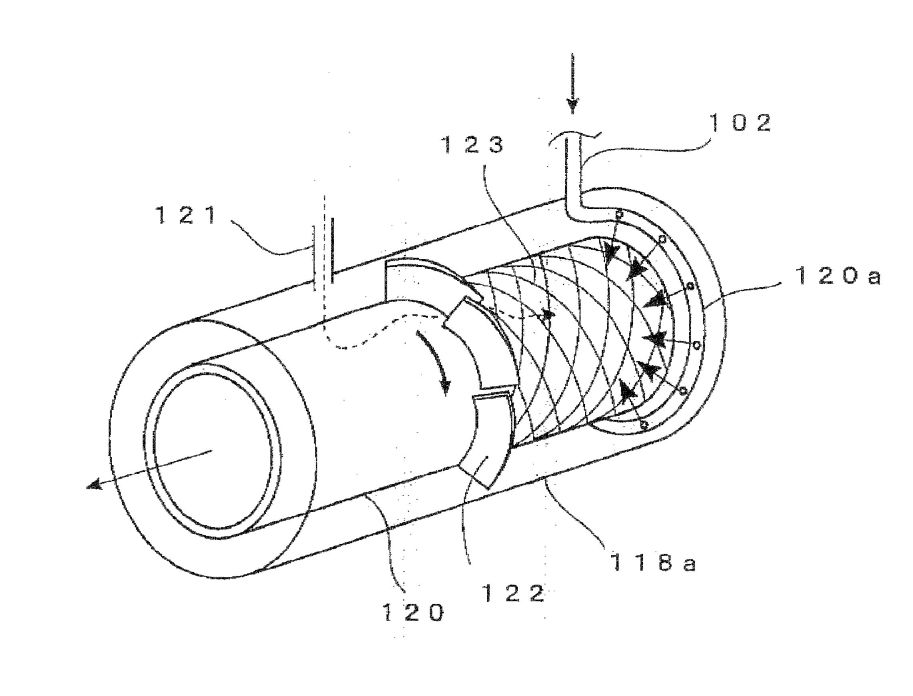
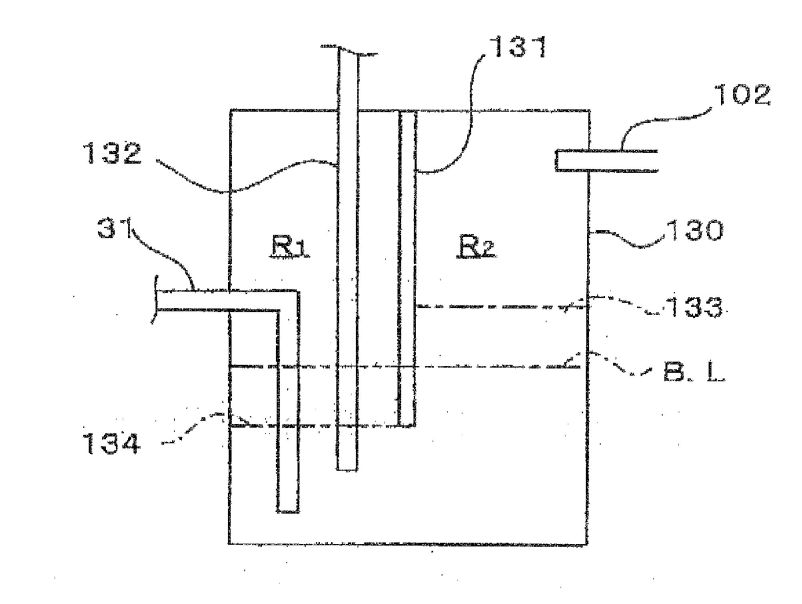
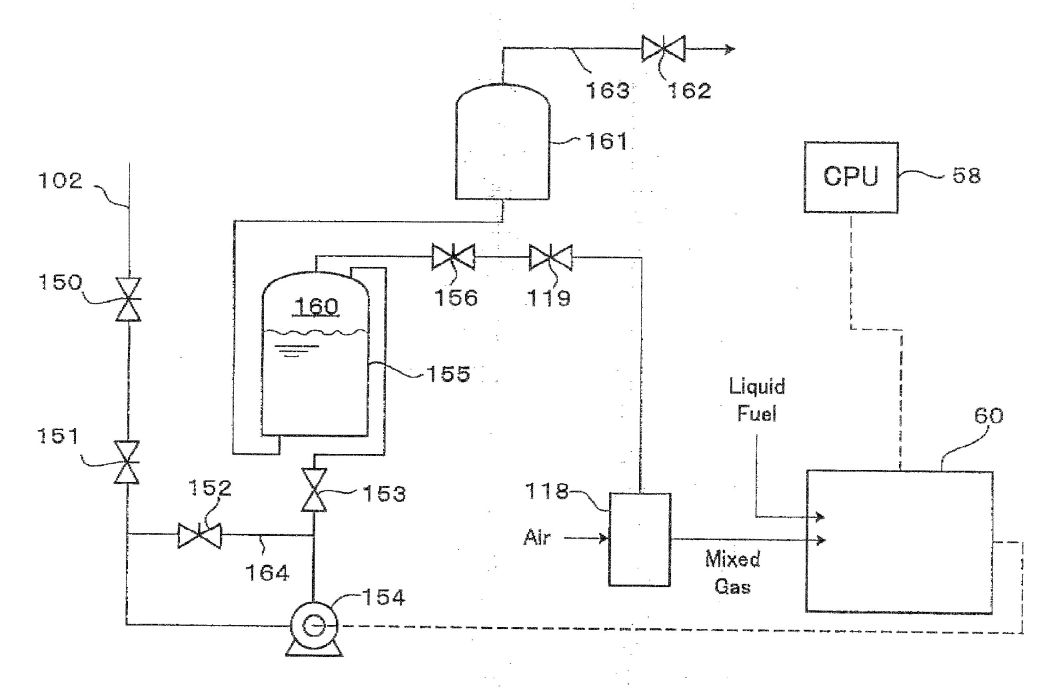
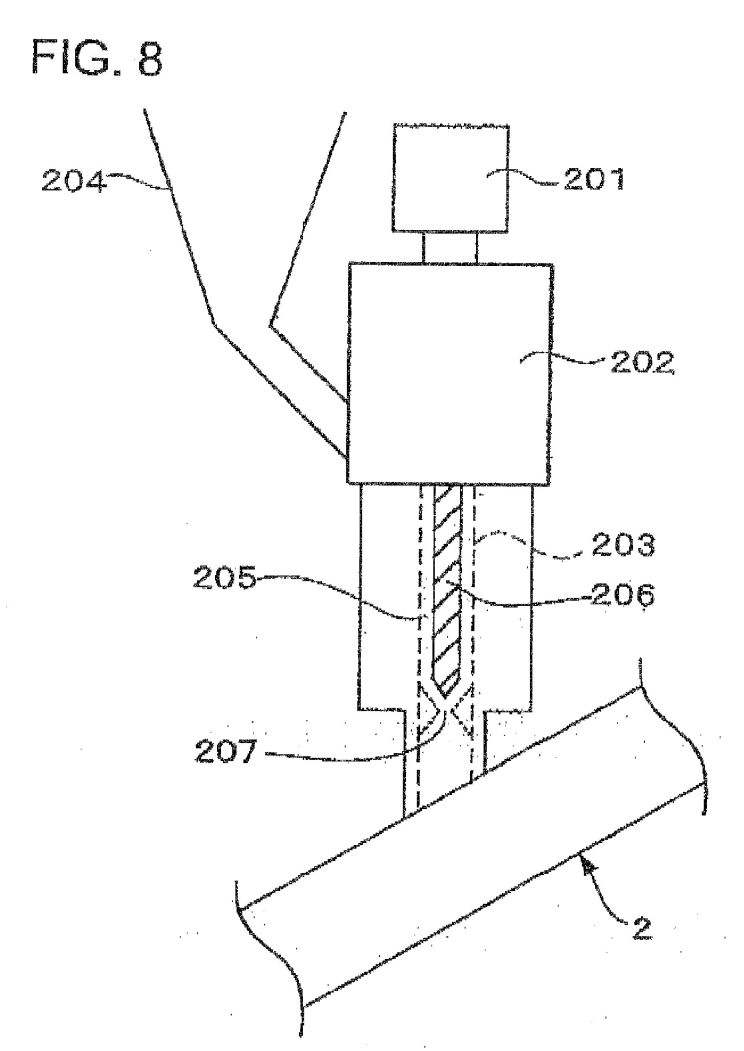
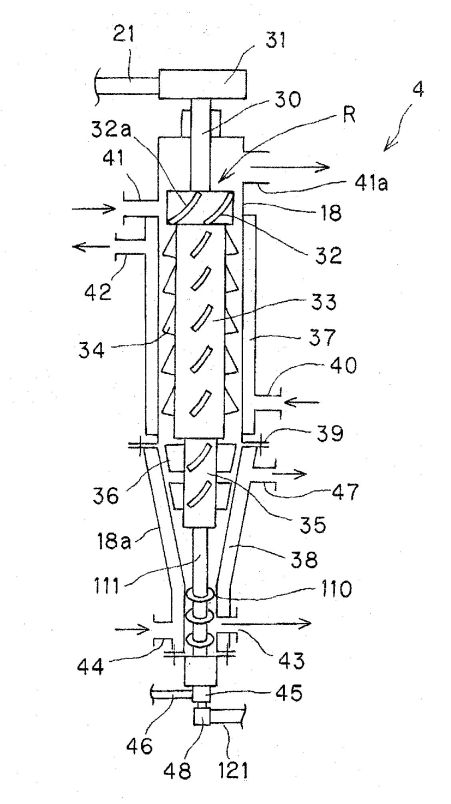
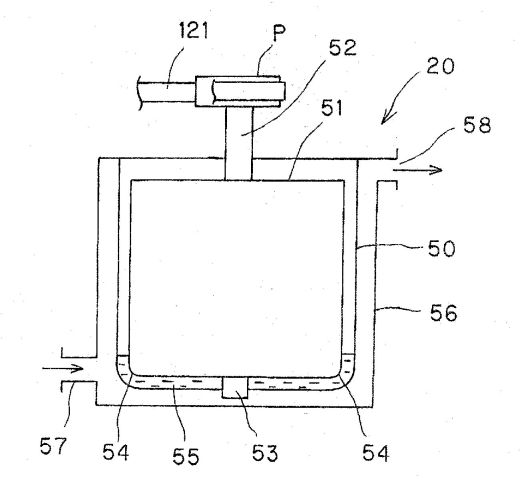
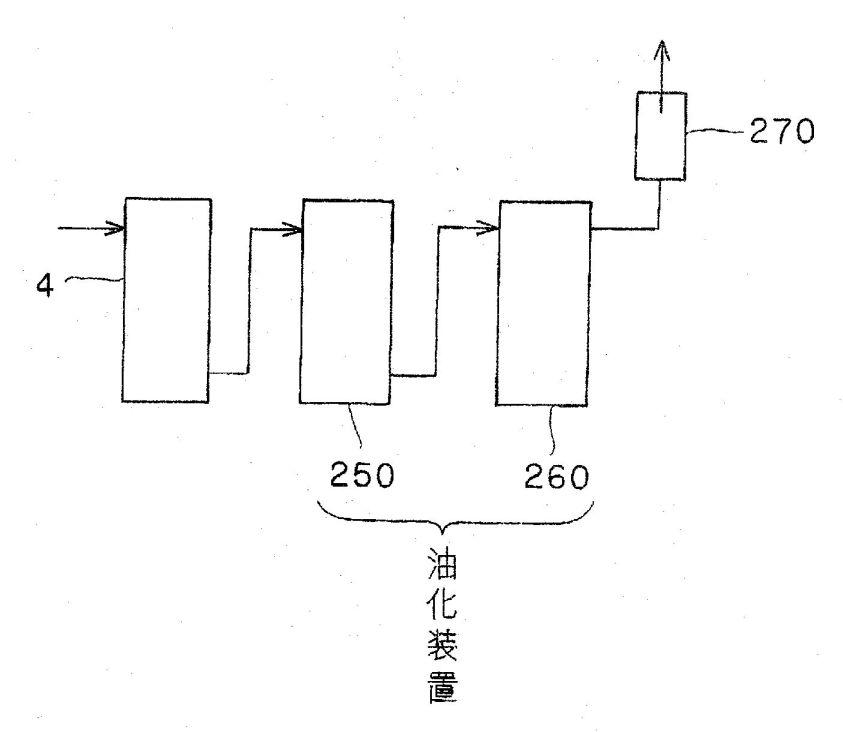
The apparatus consists of a hopper, a melting unit (heated electrically and optionally by friction from a rotating lead screw), and an upward-inclined cracking unit equipped with a lead screw, a catalyst tube (zeolite), and a residue take-off. The cracking unit prevents molten plastic gas from flowing back into the residue section via valves, suction or a rotary cylinder valve. The crude gas can be used directly for generators or stoves; after condensation it becomes oil suitable for vehicles. Some versions include a diesel-powered generator that runs on the produced oil or blended food oil, providing electricity for the heaters and motors.
Principles
- Thermal cracking (pyrolysis)
- Catalytic cracking using zeolite
- Frictional heating via rotating screw
- Condensation of hydrocarbon vapors
Scientific Domains
Materials
- Steel (machine frame)
- Lead screw (metal alloy)
- Zeolite catalyst (silicon oxide and alumina)
- Heaters (electric heating elements)
- Electrical motor
Mechanisms of Action
- Melting of plastic by electric heating
- Vaporization and cracking of molten plastic
- Catalyst-directed hydrocarbon chain breakdown
- Condensation of vapors into liquid oil
- Residue removal via screw and valves
Energy Sources
Applications
- Fuel for generators and stoves
- Vehicle fuel (after refinement)
- Educational demonstration of recycling
- Remote community energy supply
Claimed Performance
1 kg plastic -> ~1 L oil; electricity consumption ~=1 kW (~=$0.20 per kg).
Experimental Evidence
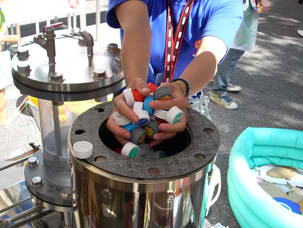
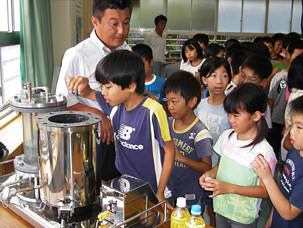
The company reports 60 machines operating at farms, fisheries and small factories in Japan and abroad; a portable model was demonstrated on the Marshall Islands for educational and fuel purposes.
Replication Status
Deployed in at least 60 locations (farms, fisheries, small factories) and used in educational projects on the Marshall Islands.
Limitations
- Cannot process PET (type 1) plastics
- Requires electricity for heating
- Small-scale output (~=1 L oil per kg plastic)
- Residue handling needed