Goal
Provide uninterrupted, cost-free electricity by operating without any external energy input.
Problem
Energy crisis and reliance on diesel/petrol for power generation; need for continuous, low-cost electricity.
Concept Summary
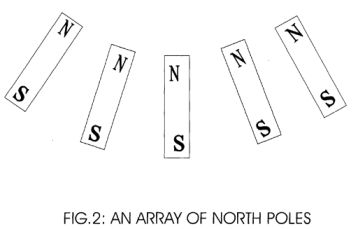
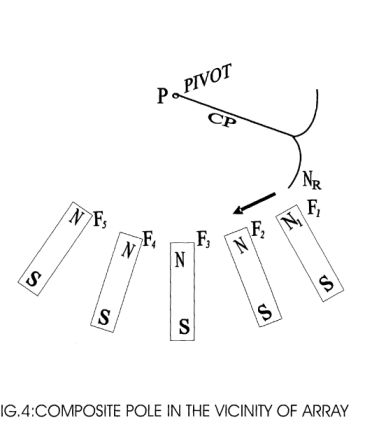
A magnet motor that uses a composite permanent-magnet pole placed near an array of like poles. The interaction produces a torque that drives rotation, while a feedback current releases backlash stators, allowing the machine to run without external power. The design claims to convert magnetic pole interaction directly into mechanical energy and generate electricity with over-unity efficiency.
Detailed Description
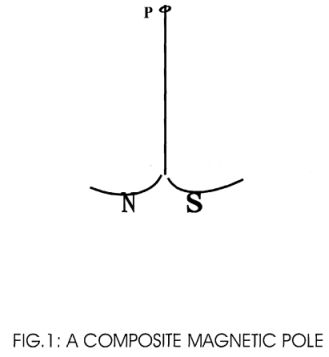
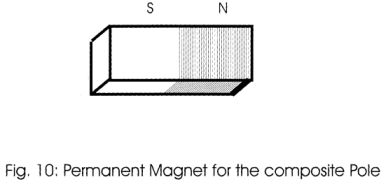
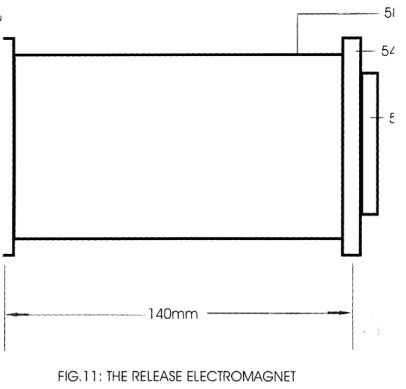
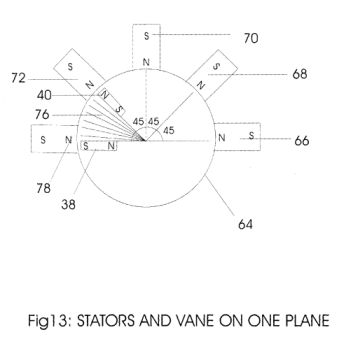
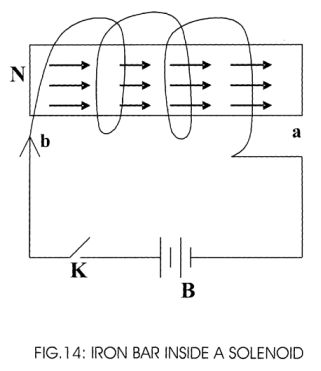
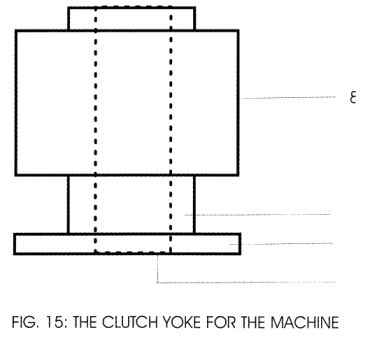
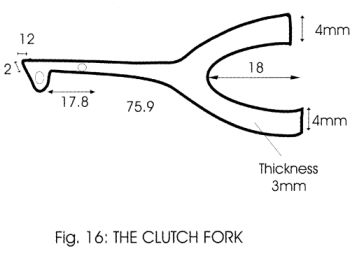
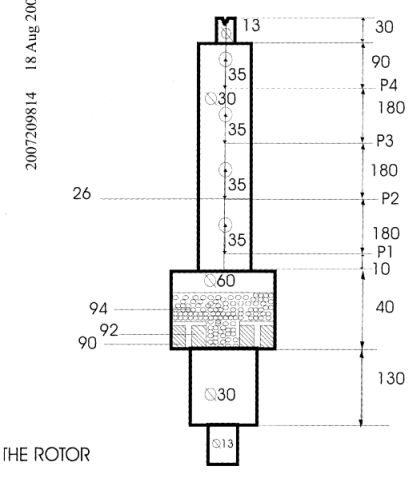
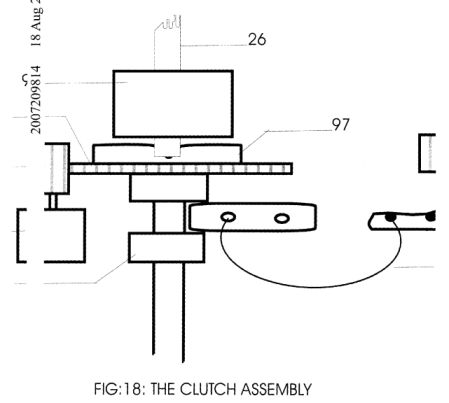
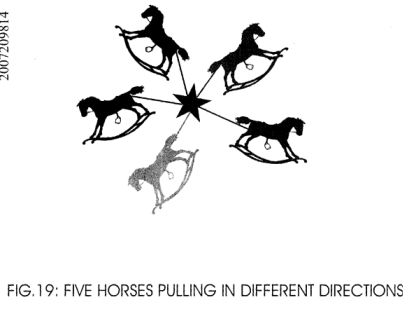
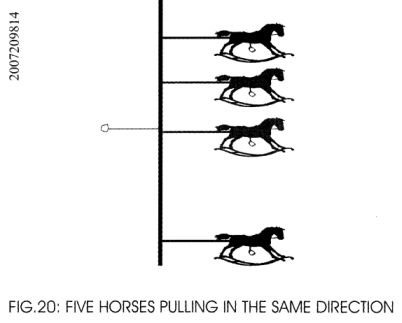
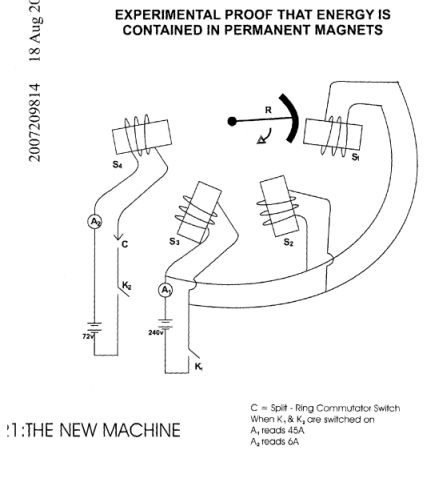
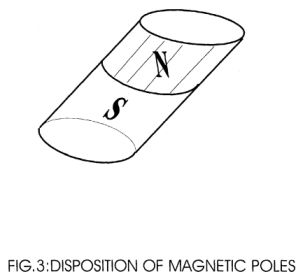
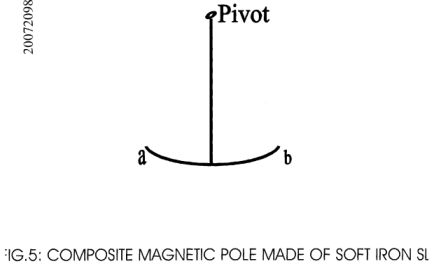
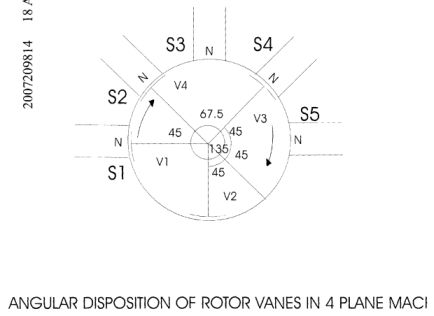
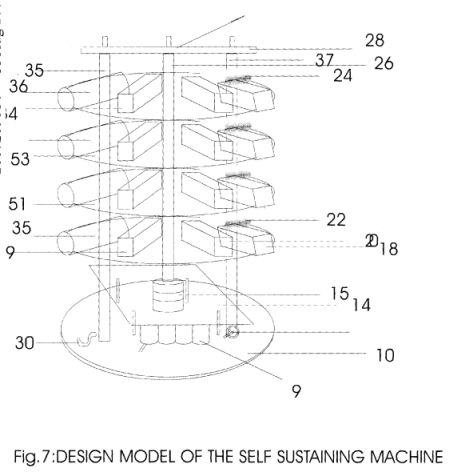
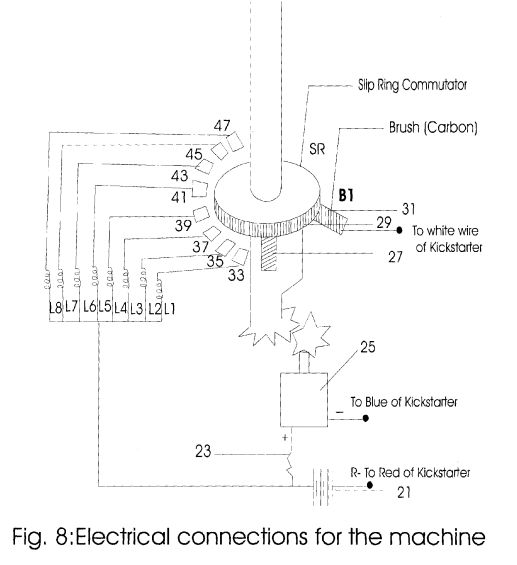
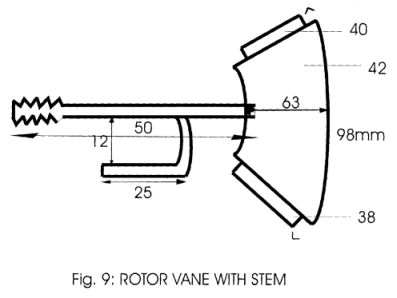
The invention consists of a composite magnetic pole (crescent-shaped arrangement of two permanent magnets mounted on a non-magnetic brass or copper plate) positioned near an array of like-oriented permanent magnets. The rotor includes permanent-magnet stators, release electromagnets, a clutch assembly, ball bearings, and a slip-ring commutator with carbon brushes. An ignition key starts the machine, after which feedback generators produce a current that disengages the backlash stators, enabling continuous rotation without external energy. The design incorporates a 'horse orientation theory' and the inventor's two laws of emagnetodynamics, which dictate the direction of rotation based on pole arrangement.
Principles
- Magnet motor based on composite magnetic pole interaction
- First and second laws of emagnetodynamics
- Feedback current for backlash release
- Horse orientation theory of magnetism
Scientific Domains
Materials
- Permanent magnets (Eclipse magnet, 60x15x5 mm)
- Soft iron core
- Brass plate
- Copper plate
- Non-magnetic plate (e.g., perspex acrylic)
- Steel ball bearings
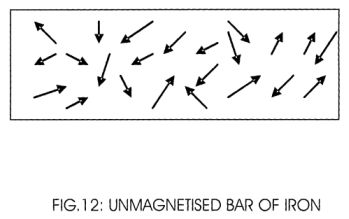
- Iron bar
Mechanisms of Action
- Magnetic torque from a suspended composite pole near an array of like poles
- Self-generated feedback electromagnetic current
- Release electromagnets disengaging stator backlash
- Direct conversion of magnetic pole interaction to mechanical rotation
Applications
- Electric power generation for grids
- Remote or off-grid electricity supply
- Low-cost continuous power for industrial or residential use
Claimed Performance
Capable of generating megawatts of electricity to power a nation and achieving efficiency over unity.
Experimental Evidence
Demonstrated at an investor dinner in Abuja; figures show the machine's construction and claim an efficiency greater than 100 % (over unity). No quantitative performance data were provided.
Limitations
- No independent, peer-reviewed verification of over-unity claim
- Performance data are anecdotal and lack quantitative measurement
- Precise magnetic alignment may be difficult to achieve and maintain
Red Flags
- Over-unity efficiency claim
- Absence of published experimental data or third-party testing
- Patents filed in many countries without demonstrated commercial deployment