Goal
Provide continuous electrical power for vehicles and homes without the need for external recharging, by generating more electricity than the system consumes.
Problem
Dependence on gasoline, oil, and periodic battery recharging for electric vehicles; limited range of conventional electric cars.
Concept Summary
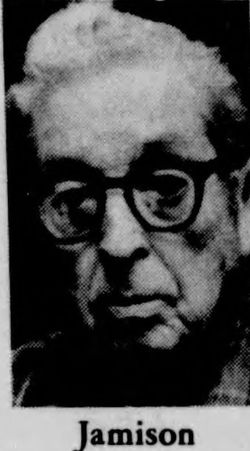
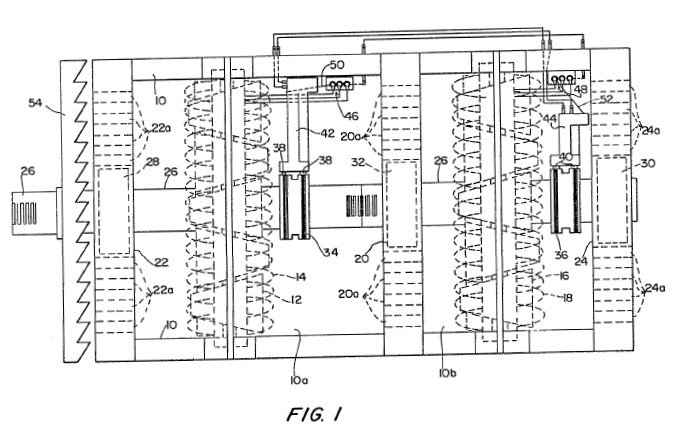
The Jamison Energizer is a double-wound rotor-stator motor that claims to produce excess electrical energy through capacitive coupling of bifilar windings. The generated electricity is stored in batteries, allowing a vehicle to operate indefinitely without external refueling or recharging.
Detailed Description
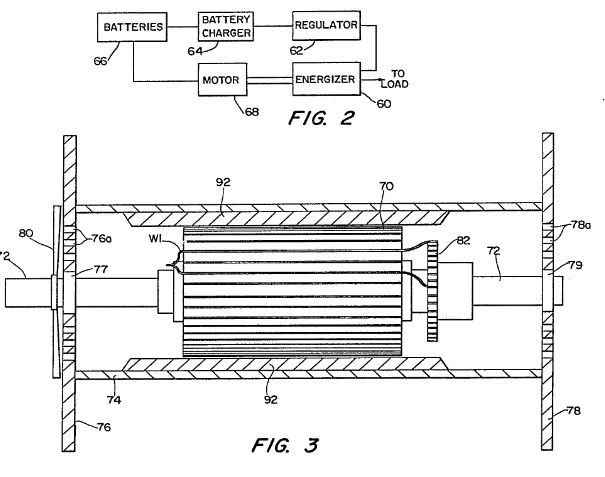
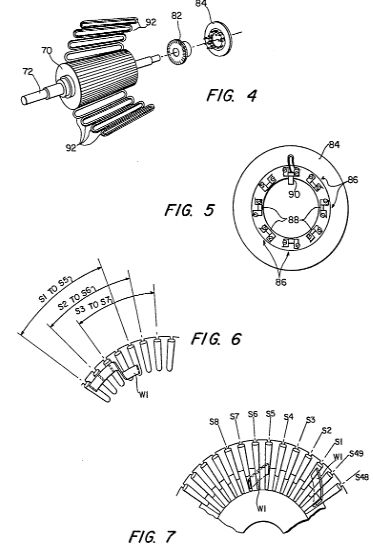
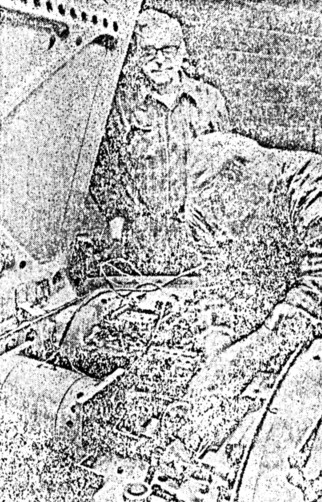
The invention comprises a housing containing two compartments, each with a double-wound rotor nested inside a double-wound stator. Slip rings and brushes collect current from the rotor windings, while a bridge circuit transfers the energy to a battery and to an auxiliary motor that drives the rotors. The motor-driven energizer is said to generate more electrical power than it consumes, eliminating the need for battery recharging. A prototype was installed in a 1977 Ford Courier pickup, and a demonstration run was performed in the inventor's workshop.
Principles
- Electromagnetic induction
- Bifilar winding with capacitive coupling
- Self-excited motor operation
- Energy over-unity claim
Scientific Domains
Materials
- Copper wire (windings)
- Metal housing (cylinder)
- Slip rings
- Brushes
- Battery cells
- Cooling fan (metal)
Mechanisms of Action
- Double-wound rotor and stator create internal capacitance
- Current flows through inter-wire capacitance, reducing armature reaction
- Slip rings and brushes extract electrical energy from the rotating windings
- Extracted energy powers a motor that drives the rotors, creating a positive feedback loop
Energy Sources
Applications
- Long-range electric automobiles
- Home power generation plant
Claimed Performance
Produces more electricity than it uses; demonstrated in a pickup truck prototype; claimed to run 200,000 miles without recharging; installation cost about $6,000.
Experimental Evidence
A demonstration was performed where an associate drove the prototype pickup back and forth across the shop, and the inventor reported that the system was "working".
Limitations
- No disclosed physical mechanism explaining excess energy
- Control switch (accelerator) problems reported
- No independent testing or peer-reviewed data
- Potential legal issues (stock fraud allegations)
Red Flags
- Claims that defy established laws of physics
- Lack of quantitative performance data
- Historical stock-fraud allegations against the inventor
- No third-party verification or replication