Goal
Convert atmospheric/electric field energy into mechanical rotational motion.
Problem
Provide a lightweight, high-speed motor that does not rely on conventional electromagnetic power sources.
Concept Summary
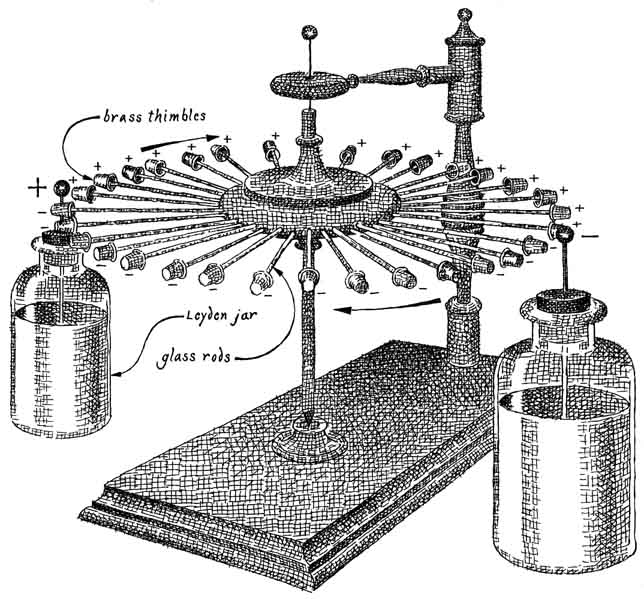
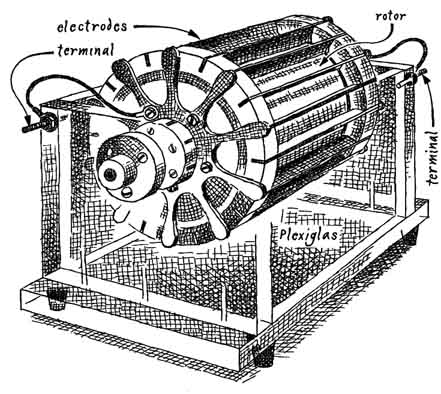
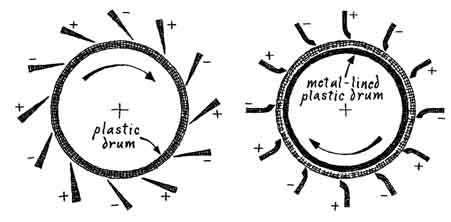
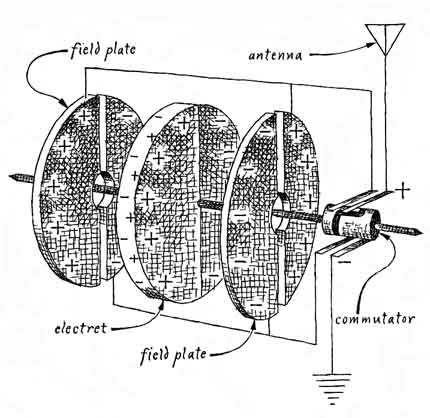
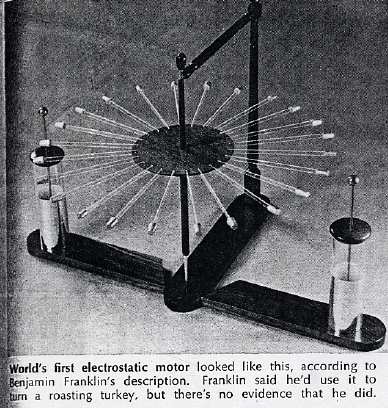
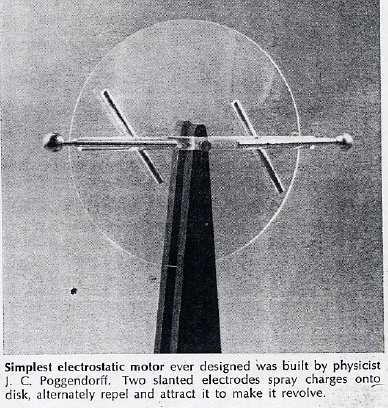
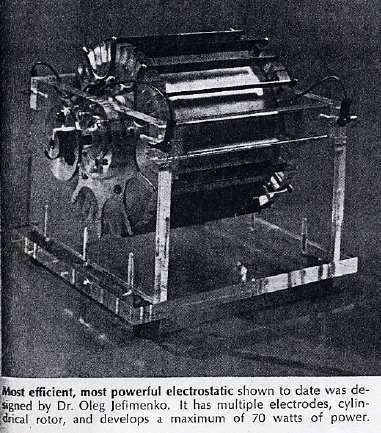
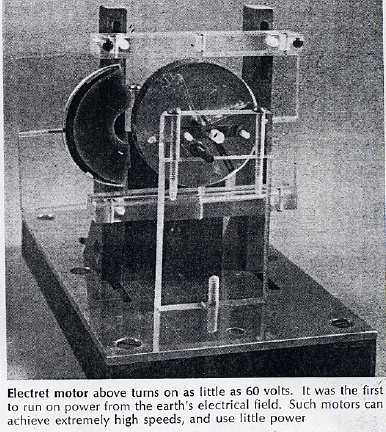
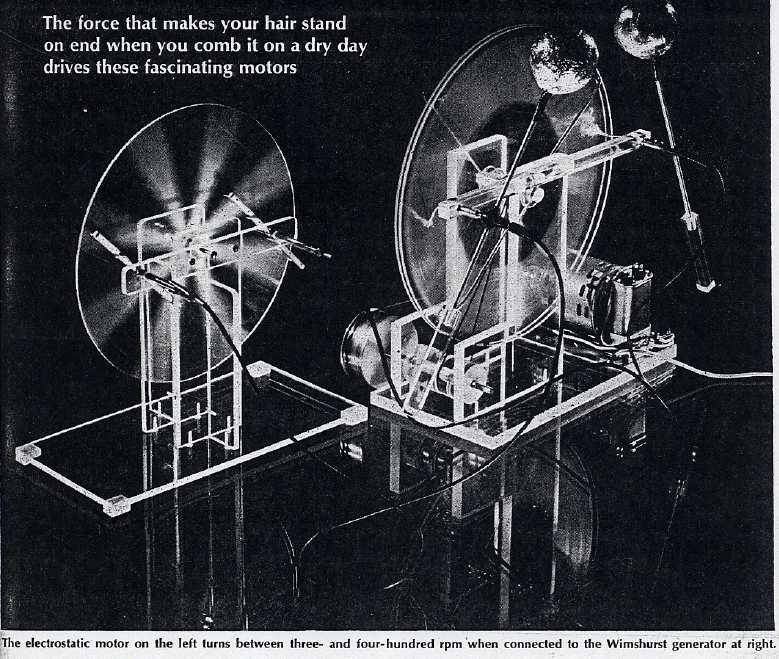
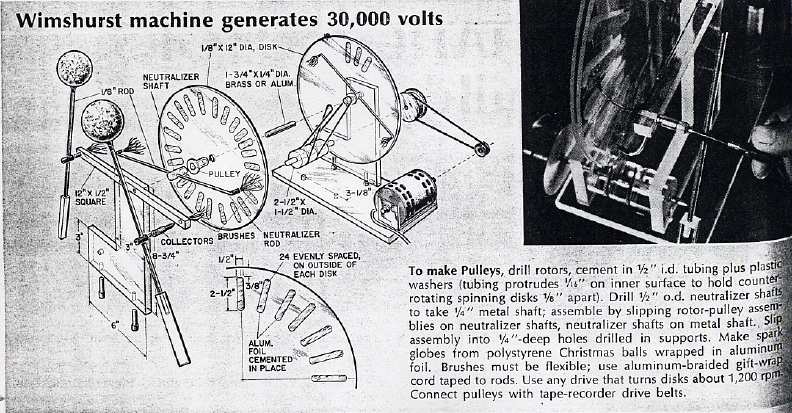
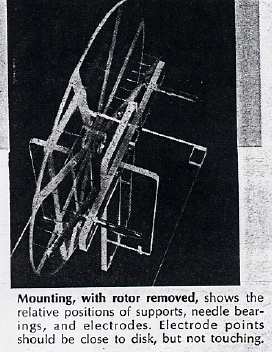
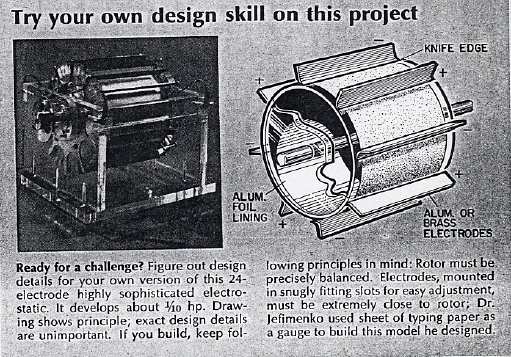
A plastic rotor equipped with sharp-eded electrodes creates a corona discharge that ionizes surrounding air. Charged particles transfer charge to the rotor surface, producing electrostatic attraction and repulsion forces that generate torque. The motor can be powered by a high-voltage earth-field antenna, a Van de Graaff generator, or other high-voltage sources, effectively harvesting energy from the Earth's ambient electric field.
Principles
- Electrostatic attraction and repulsion
- Corona discharge ionization
- Earth's ambient electric field harvesting
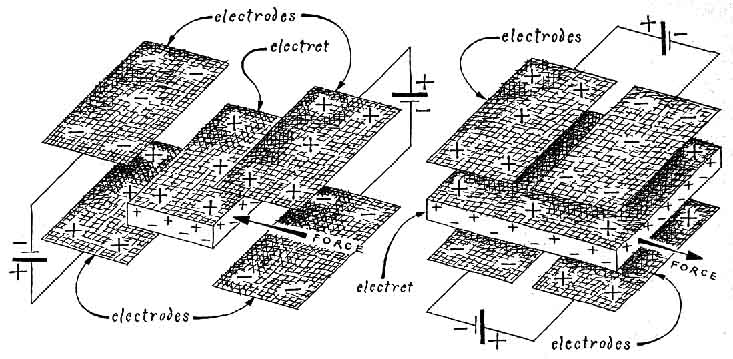
- Electret permanent charge
Scientific Domains
Materials
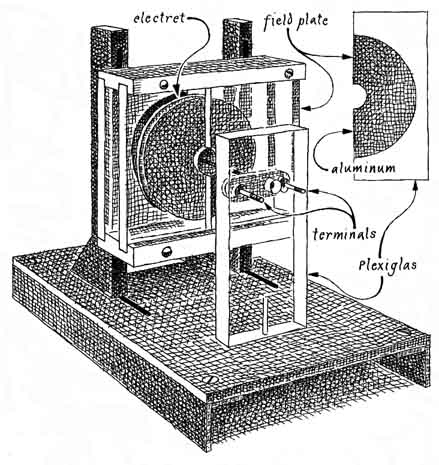
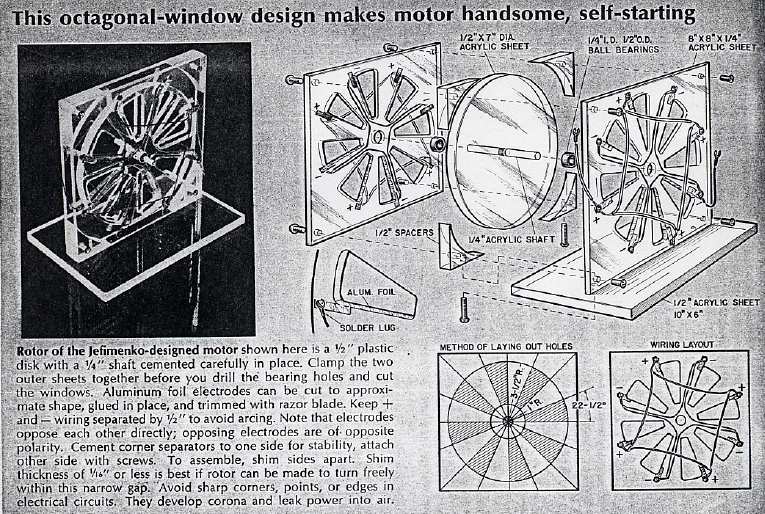
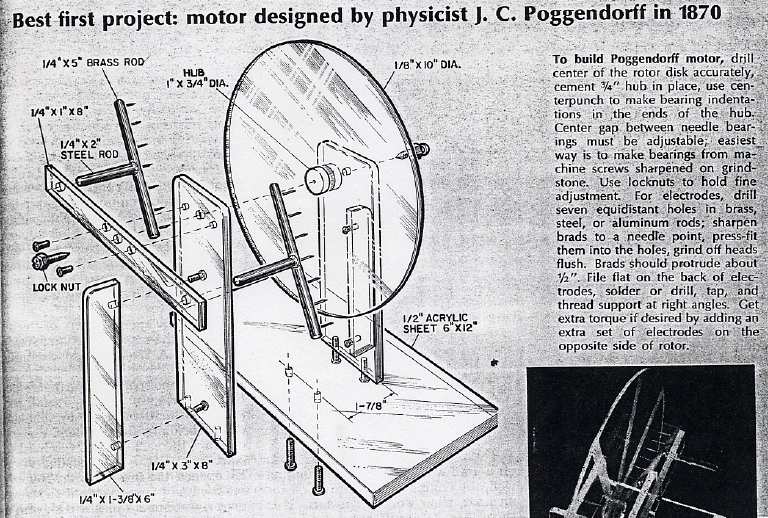
- Acrylic (plastic) sheet
- Aluminum foil electrodes
- Sharp-pointed wire (needle)
- Glass thimbles (leyden jar)
- Metal screws and rods
Mechanisms of Action
- Ionization of air molecules by sharp electrodes
- Charge transfer from ionized air to plastic rotor
- Electrostatic torque generated by alternating attraction/repulsion
Energy Sources
Applications
- Lightweight aerospace propulsion
- Laboratory gyroscopes
- Spacecraft attitude control
Claimed Performance
Can deliver roughly 1 hp per 3 lb of weight; demonstrated rotation at ~200 rpm with power consumption of millionths of a watt; earth-field antenna can develop up to 20 kV.
Experimental Evidence
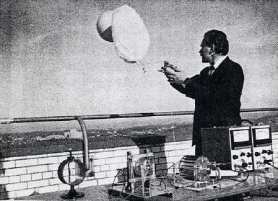
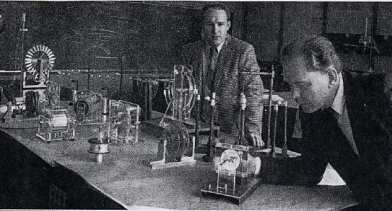
Jefimenko and Walker operated a corona motor in 1970 using a 24-ft earth-field antenna; Popular Science later reproduced a motor powered by a 30 kV Wimhurst high-voltage source, achieving steady rotation.
Replication Status
Successful builds and demonstrations reported in the original article and subsequent Popular Science instructions; no independent third-party replication documented.
Limitations
- Very low power output (millionths of a watt)
- Requires high-voltage source and precise alignment
- Corona electrodes degrade over time
Red Flags
- Claims of harvesting significant energy from atmospheric electricity lack quantitative data
- No peer-reviewed studies or independent replication provided