Goal
Regulate plant gene expression and inhibit gray mold pathogen using specific sound frequencies
Problem
Need for non-chemical, environmentally friendly methods to control plant diseases and modulate growth
Concept Summary
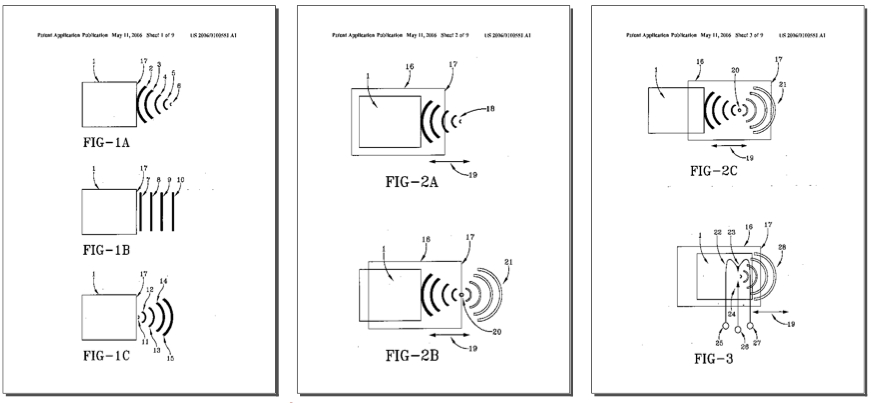
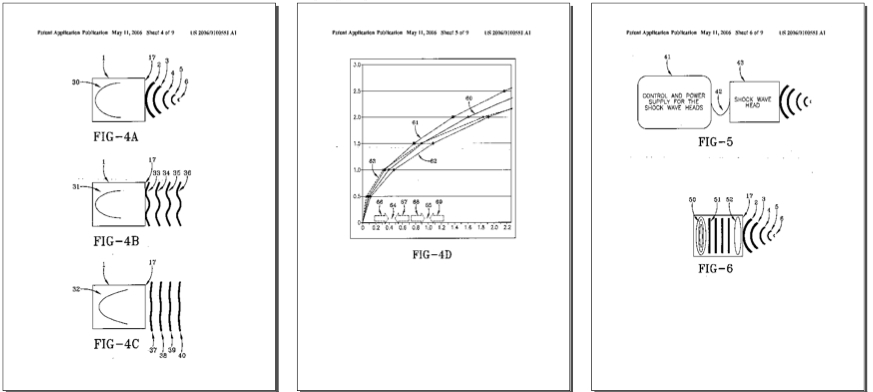
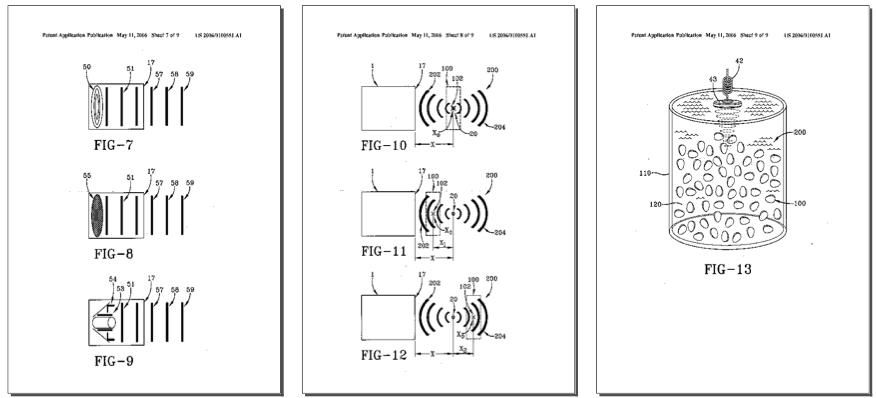
The invention uses a sound generator to emit single-frequency acoustic waves (250-500 Hz) to plants. In transgenic rice, the ald promoter responds to specific frequencies, allowing gene regulation without light. The same acoustic treatment suppresses growth and sporulation of Botrytis cinerea (gray mold) on various crops, achieving up to 85 % disease reduction.
Principles
- Frequency-specific acoustic stimulation
- Sound-induced gene expression modulation
- Acoustic disruption of fungal hyphal growth
Scientific Domains
Materials
- Agar
- LB medium
- NaCl
- Yeast extract
- Distilled water
Mechanisms of Action
- Sound waves alter promoter activity (ald promoter) leading to up- or down-regulation of target genes
- Acoustic energy interferes with fungal cell division and spore formation
Energy Sources
Applications
- Agricultural disease control
- Plant growth enhancement
- Drought tolerance induction
Claimed Performance
Preventive effect of 44 % to 85 % reduction in gray mold disease; up-regulation of ald promoter at 250 Hz, down-regulation at 50 Hz; 0.8 kHz sound increased relative water content and quantum yield
Experimental Evidence
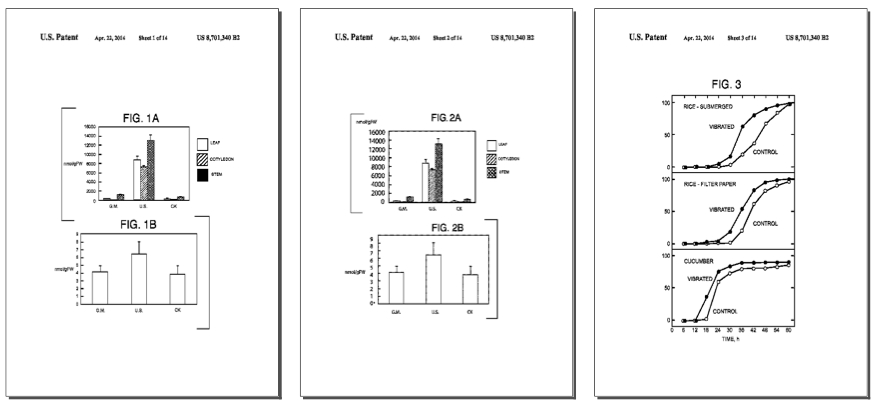
Photographs of colony growth, Table 1 showing 44-85 % disease reduction, mRNA expression analyses showing frequency-specific regulation, figures of fungal hyphae inhibition after 2-5 h sound treatment
Replication Status
No independent replication reported
Limitations
- Effectiveness varies with frequency and plant species
- Requires controlled acoustic environment (noise-free growth chamber)
- Lack of large-scale field trials
Red Flags
- Claims of disease reduction are based on limited laboratory data
- No peer-reviewed independent replication