Goal
Generate mechanical power using only the energy stored in permanent magnets, without external electricity or fuel.
Problem
Global energy shortage and the need for alternative power sources; desire for a motor that does not require external energy input.
Concept Summary
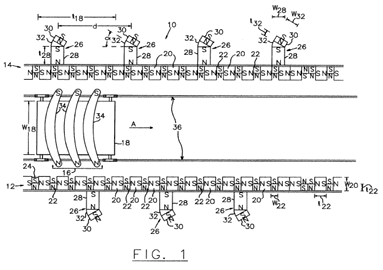
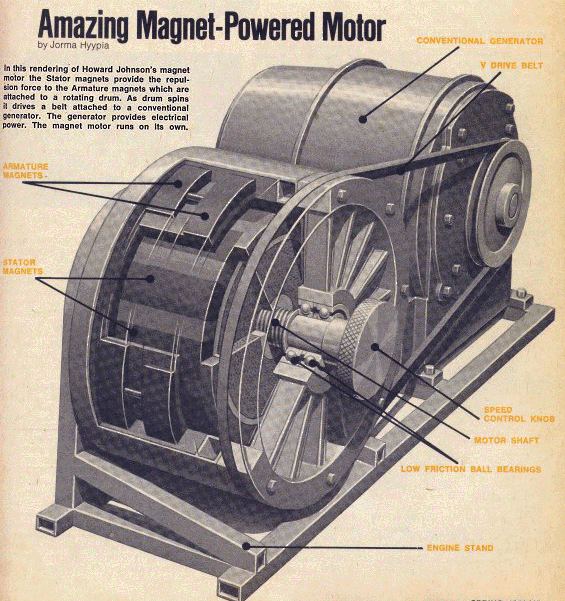
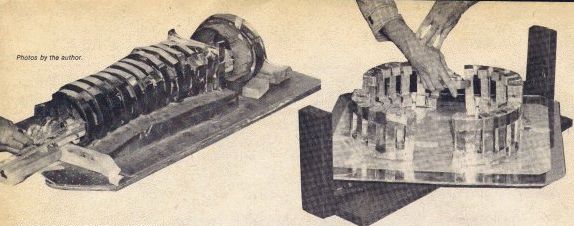
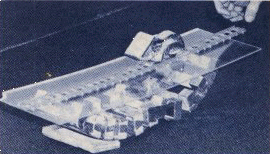
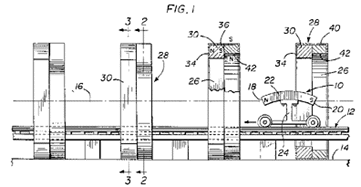
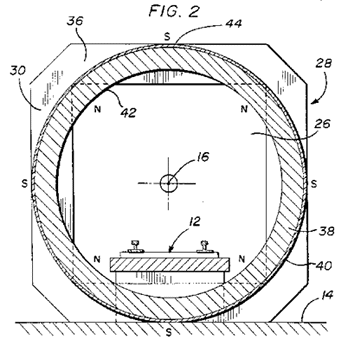
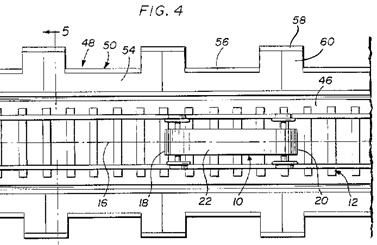
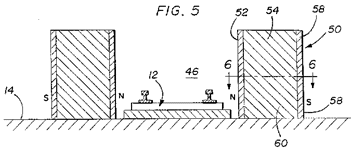
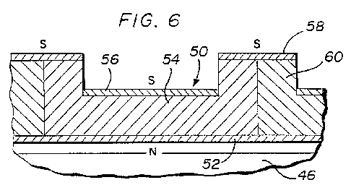
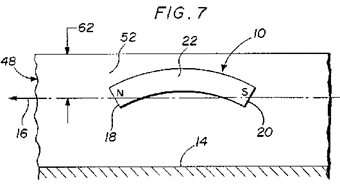
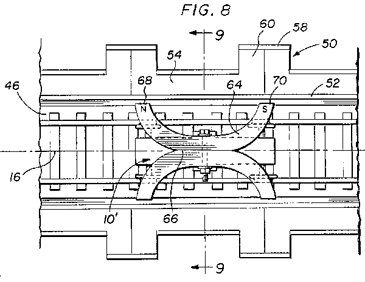
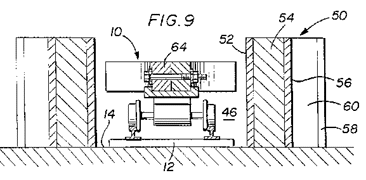
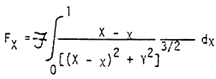
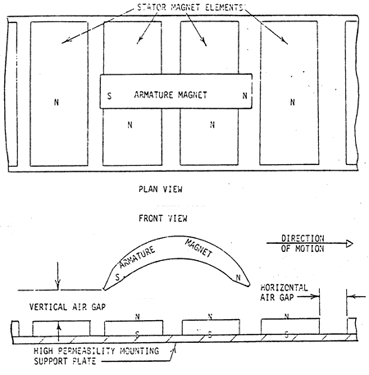
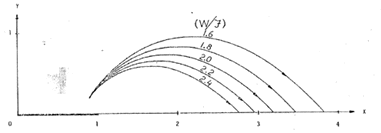
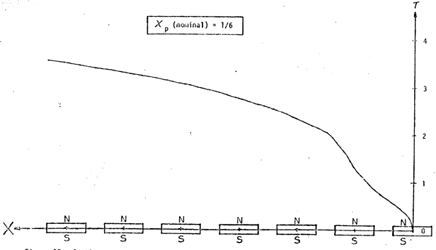
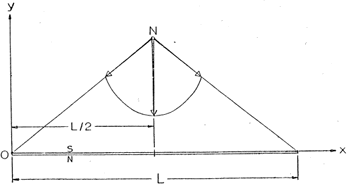
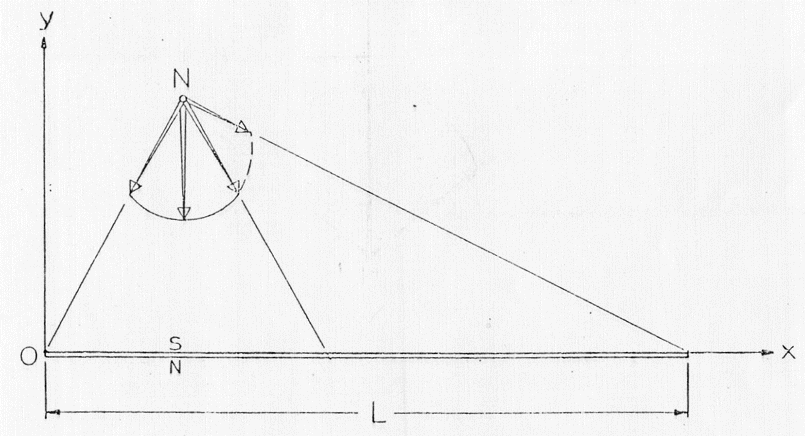
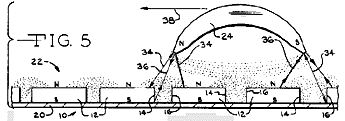
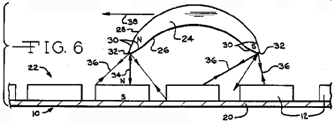
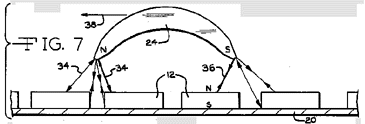
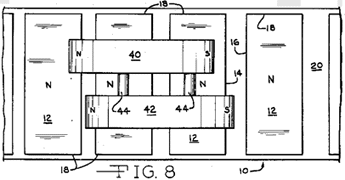
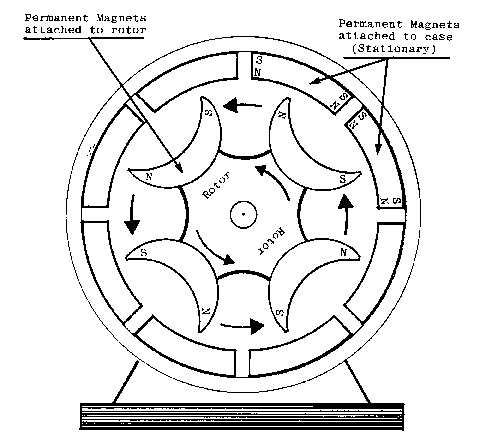
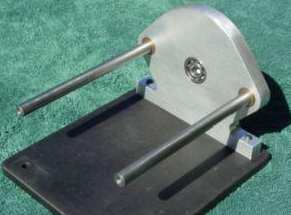
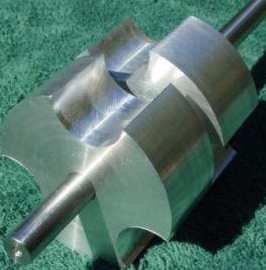
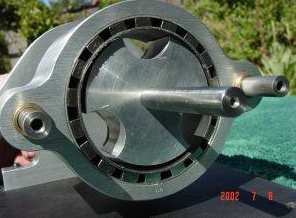
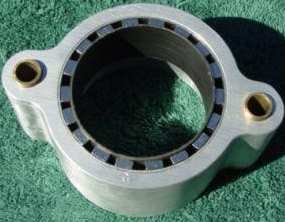
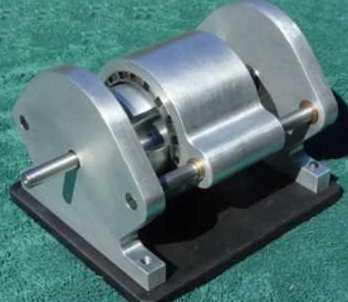
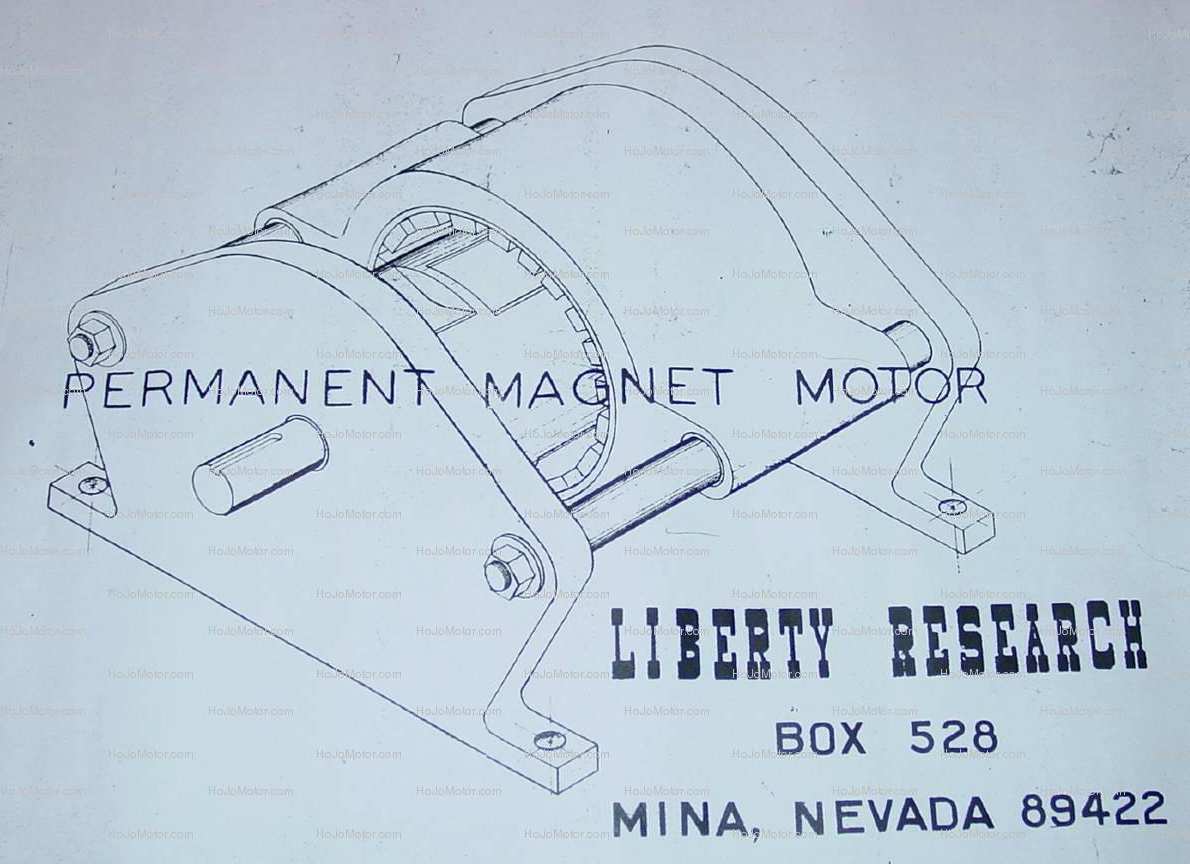
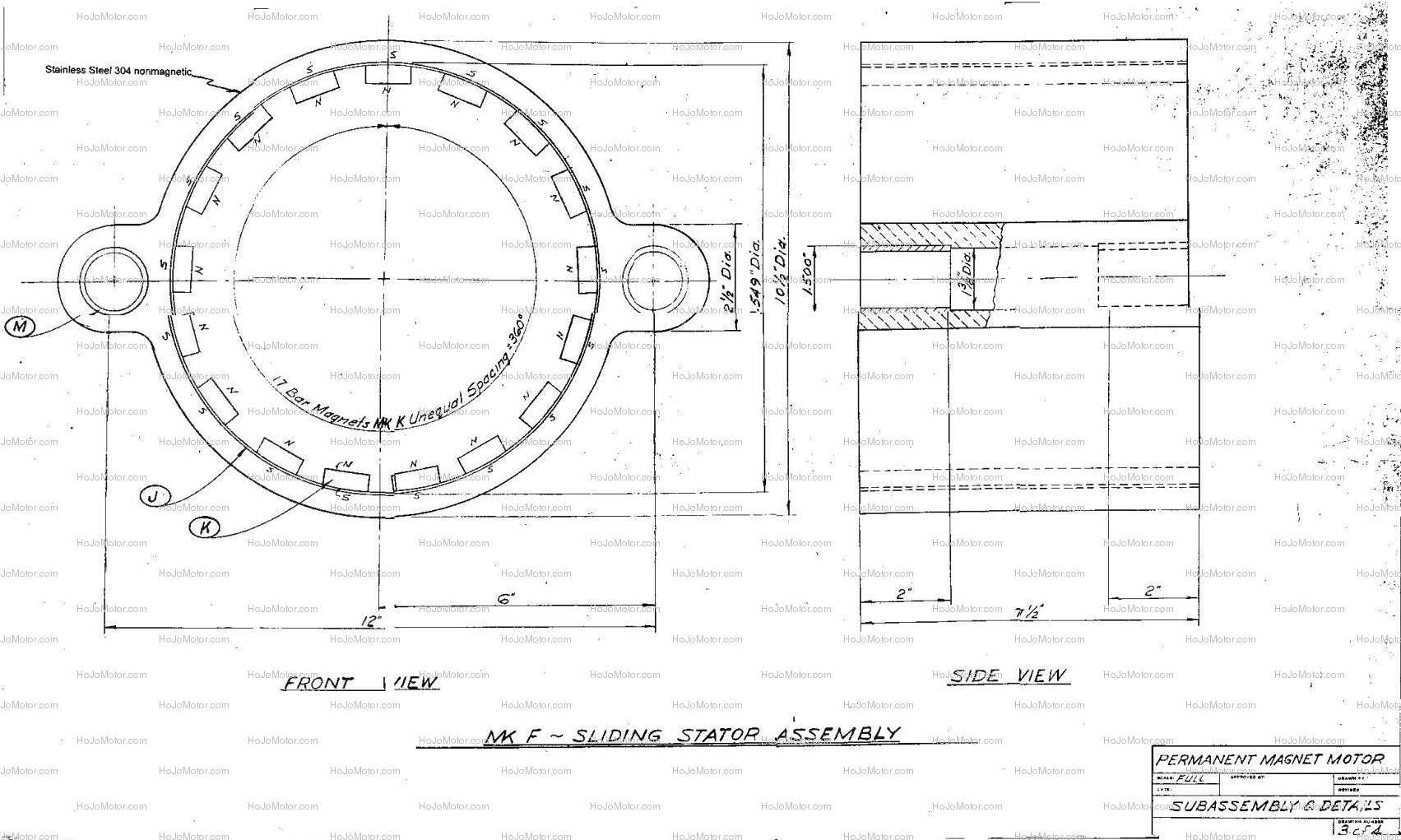
The invention uses a set of stationary permanent magnets (stator) and a moving curved armature magnet. By carefully dimensioning the armature and arranging the stator magnets, asymmetric attraction and repulsion forces produce a net torque that drives linear or rotary motion. The device is assembled from inexpensive parts (sticky tape, aluminum foil, plastic) and demonstrations have shown a model vehicle accelerating along a track and a rotary assembly spinning continuously while a focusing magnet is held in the field.
Detailed Description
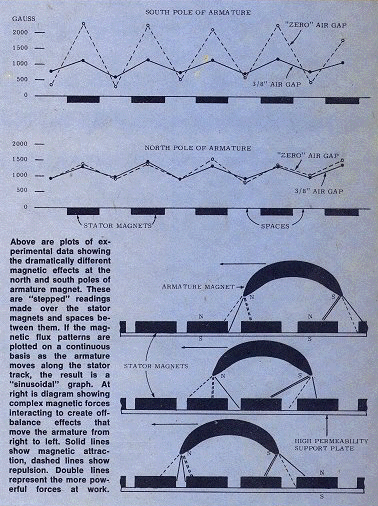
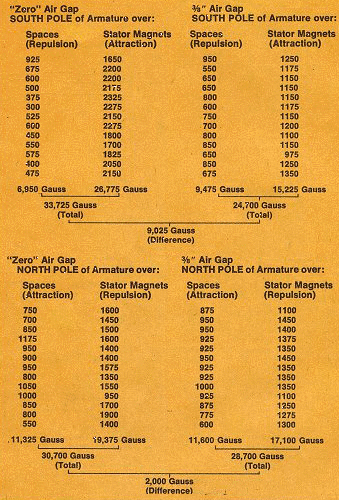
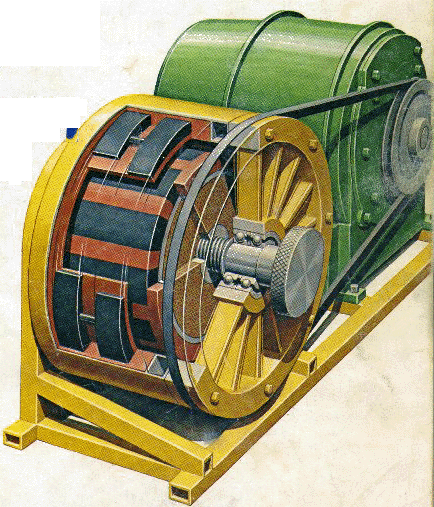
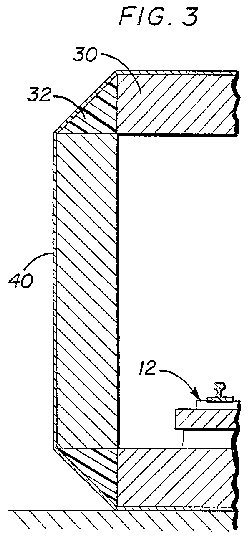
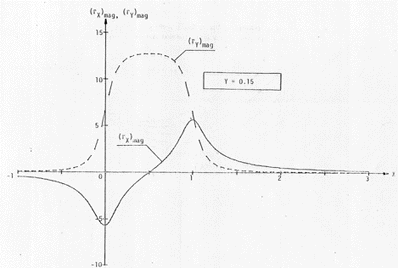
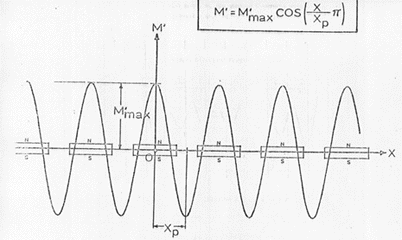
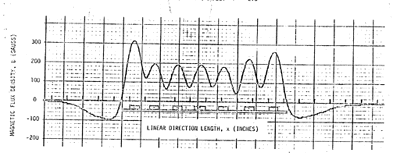
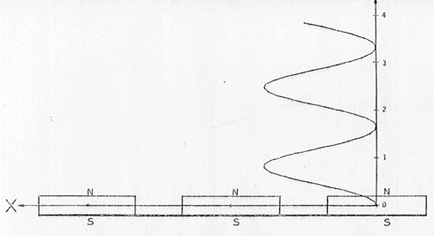
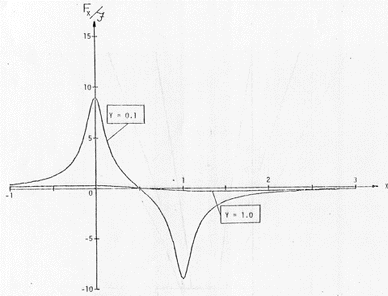
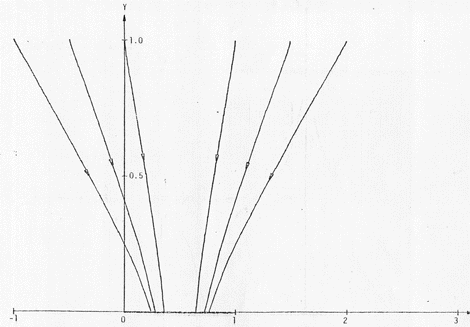
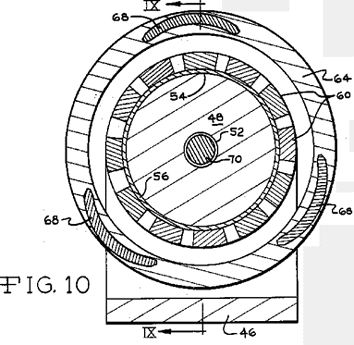
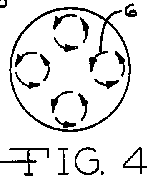
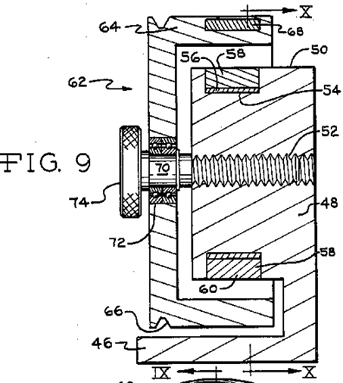
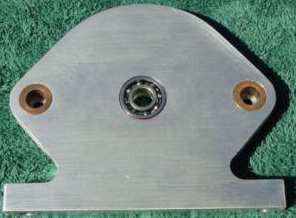
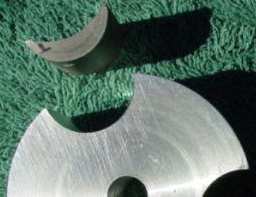
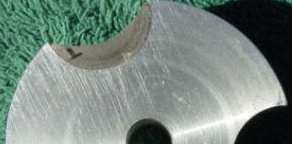
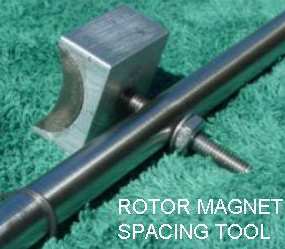
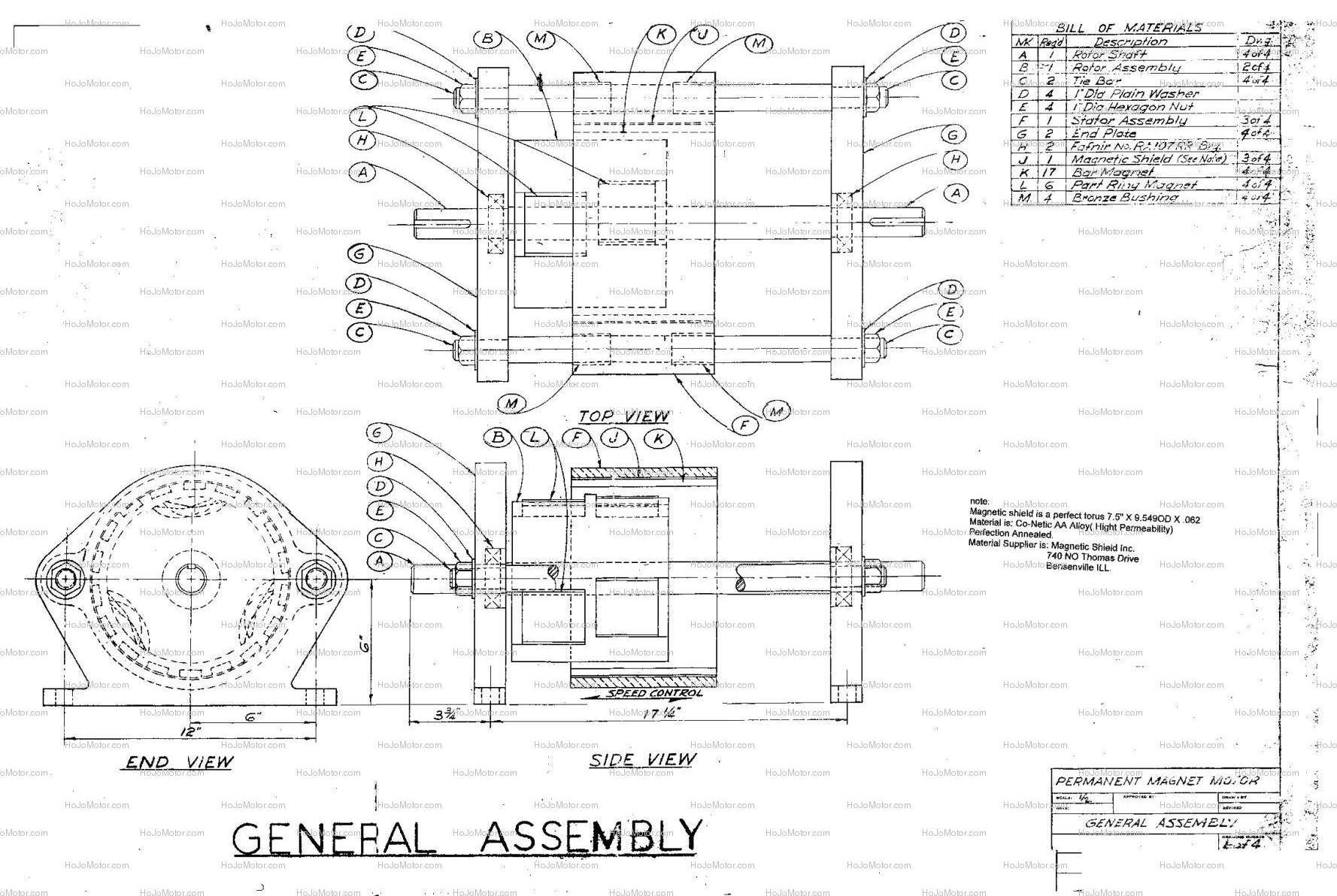
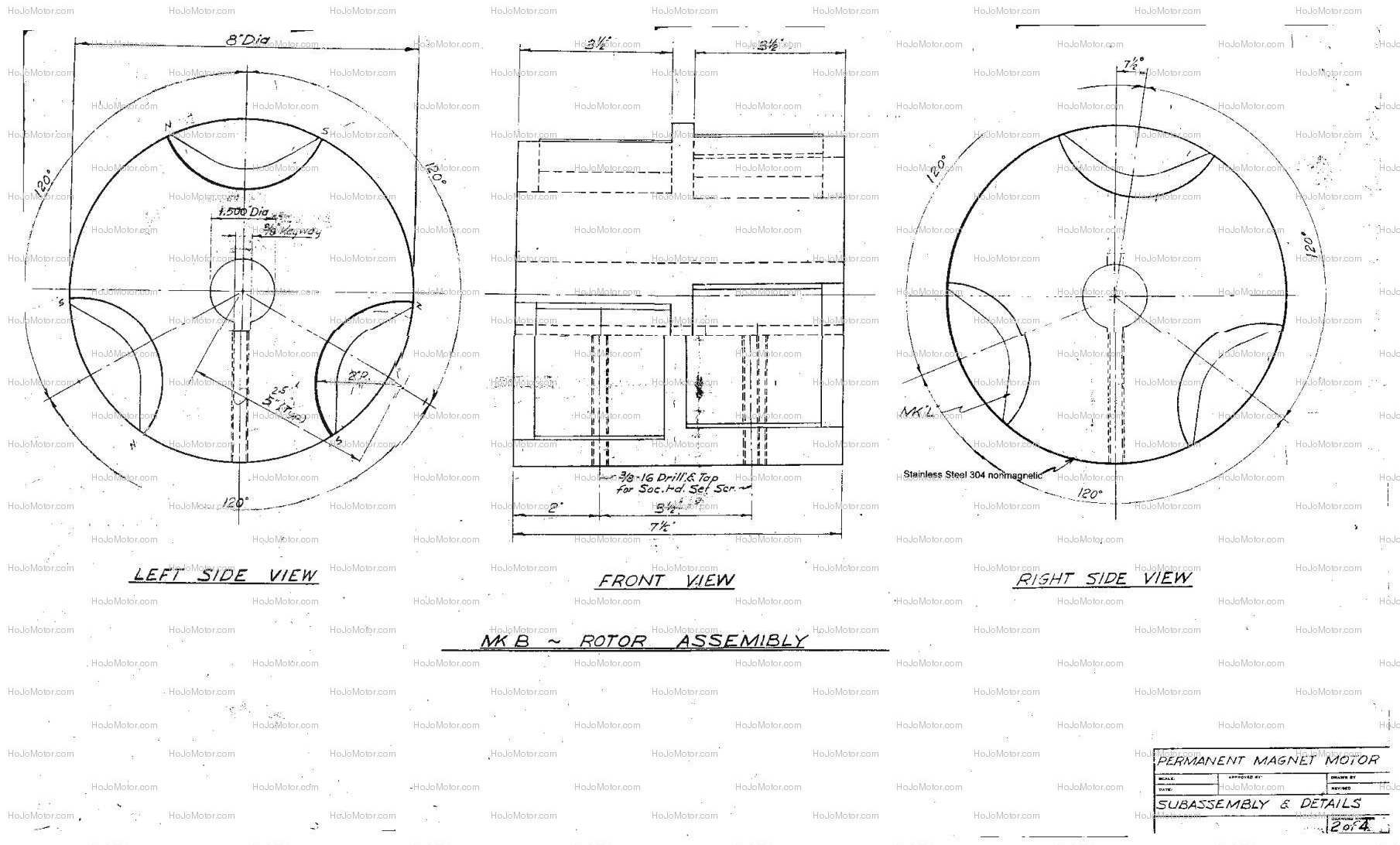
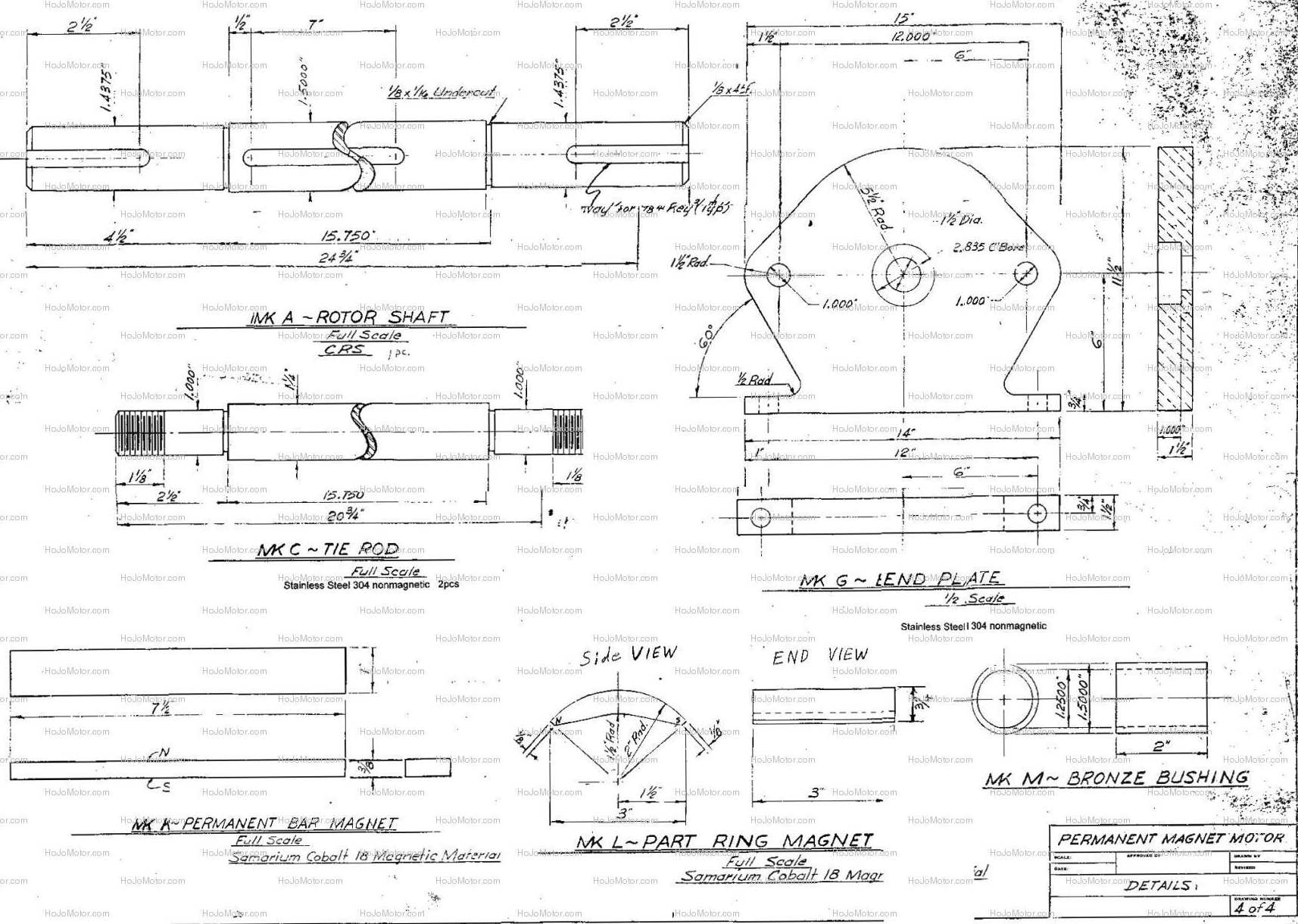
The motor consists of a series of permanent magnets mounted on a high-permeability support plate. The armature magnet is curved (arcuate) with sharp leading and trailing edges and is slightly longer than two adjacent stator magnets plus the intervening gap (~3-1/8 inches). When the armature's north pole passes over a stator north pole it is repelled, and when it passes over a gap it is attracted. The opposite polarity applies to the south pole. By ensuring that the stronger repulsive or attractive forces dominate on one side, a net lateral force is created that moves the armature forward. The same principle applied in a circular arrangement yields continuous rotation. The prototypes were built with sticky tape, aluminum foil to hold the magnets, and plastic sheets for support. Demonstrations showed a model car zip across a track and a rotary assembly spin at a respectable speed as long as the focusing magnet remained in the field. The inventor claims a 5 kW generator based on this principle is under construction.
Principles
- Permanent magnet interaction
- Magnetic repulsion and attraction
- Asymmetric force distribution for net torque
- Curved (arcuate) armature geometry
Scientific Domains
Materials
- Samarium-cobalt permanent magnets
- Ferrite permanent magnets
- Rubber-based magnet material
- Aluminum foil
- Plastic sheet
- Sticky tape
Mechanisms of Action
- Magnetic forces between moving armature and stationary stator magnets
- Differential attraction/repulsion due to magnet geometry
- Continuous torque generated by sequential repulsion/attraction cycles
Energy Sources
Applications
- Alternative power generation
- Vehicle propulsion
- Industrial motor drives
Claimed Performance
Linear model vehicle accelerated across a track without any push; rotary motor spun at a respectable speed as long as the focusing magnet remained in the field; a 5 kW electric generator is under development.
Experimental Evidence
The author of the article personally replicated the demonstrations: a model car zipped from one end of a magnet-track to the other, and a circular magnet assembly began rotating and maintained speed while a focusing magnet was held in place. The tunnel-type device also worked during the visit.
Replication Status
Demonstrated by the article's author; no independent peer-reviewed replication reported.
Limitations
- High cost of high-performance permanent magnets
- No clear theoretical explanation of energy source
- Lack of independent verification
- Potential conflict with conservation of energy laws
Red Flags
- Claims of "free lunch" or free energy
- Absence of quantitative performance data
- Potential violation of established physics principles
- Reliance on anecdotal demonstrations