Goal
Convert heat energy to electricity with high efficiency using a solid-state engine.
Problem
Low conversion efficiency of existing solar PV and thermal engines and the need for low-cost, high-efficiency solar power.
Concept Summary
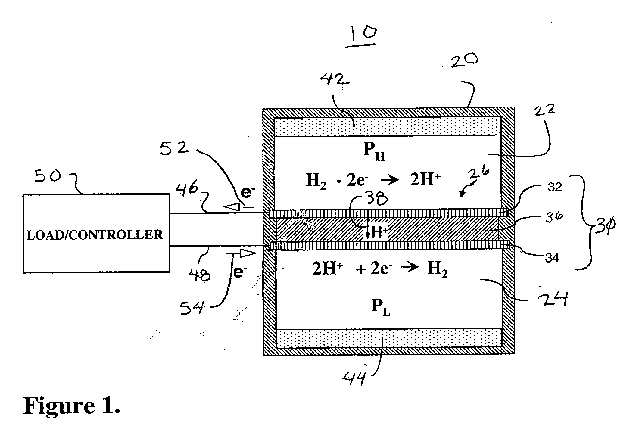
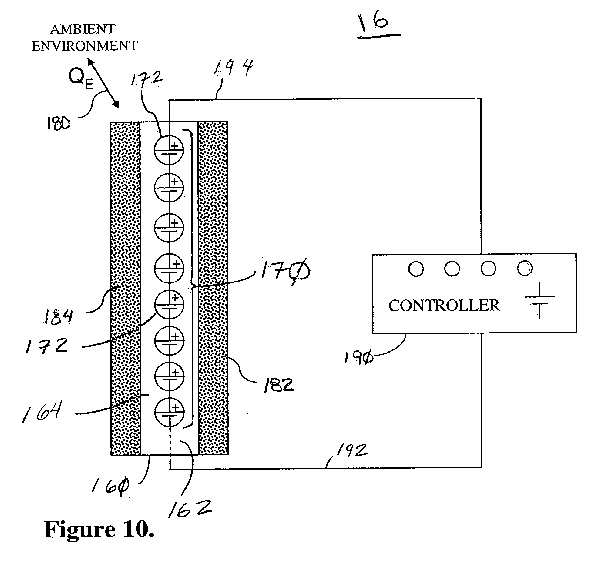
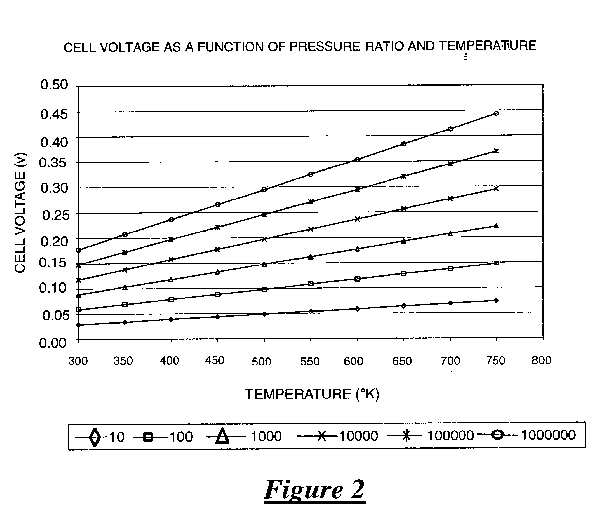
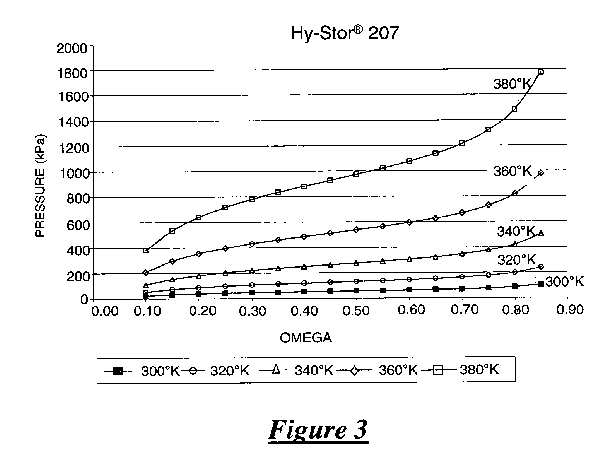
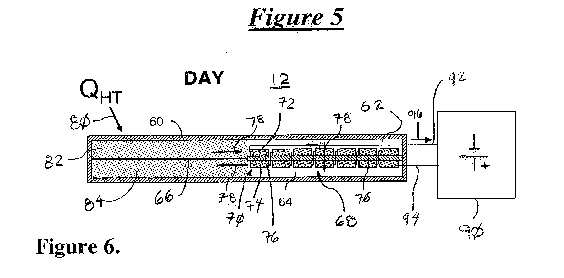
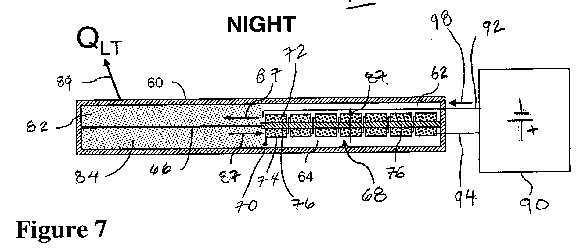
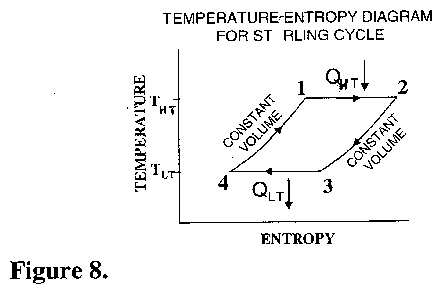
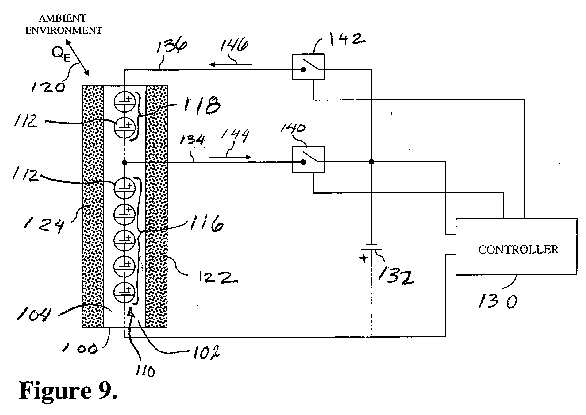
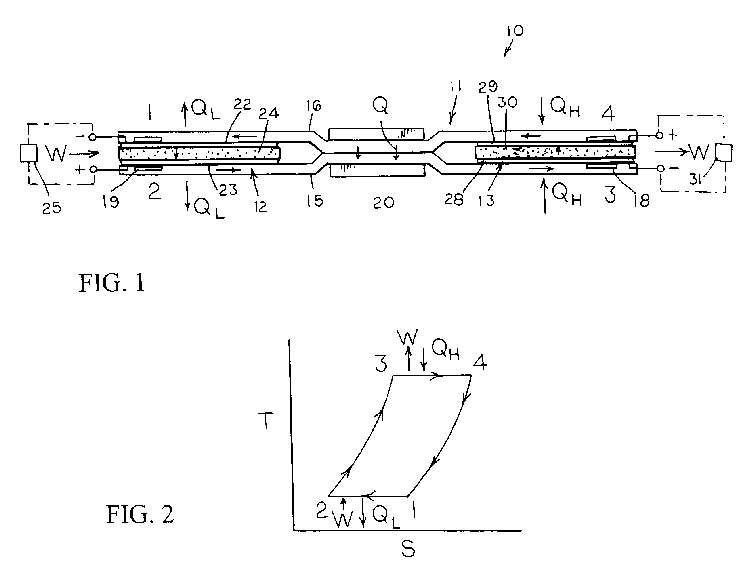
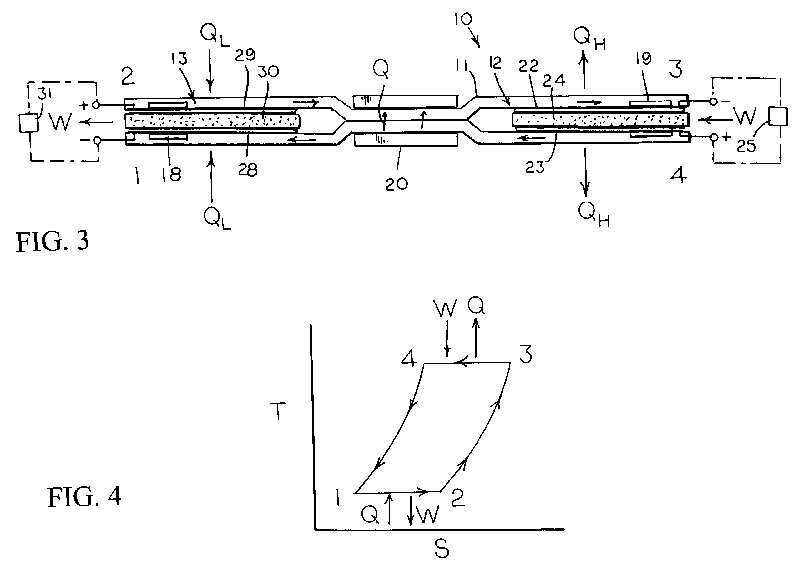
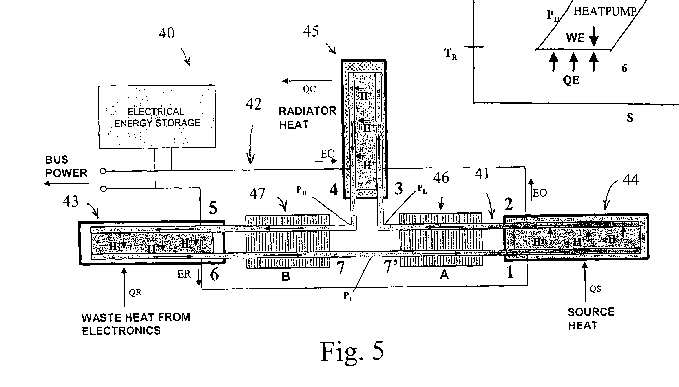
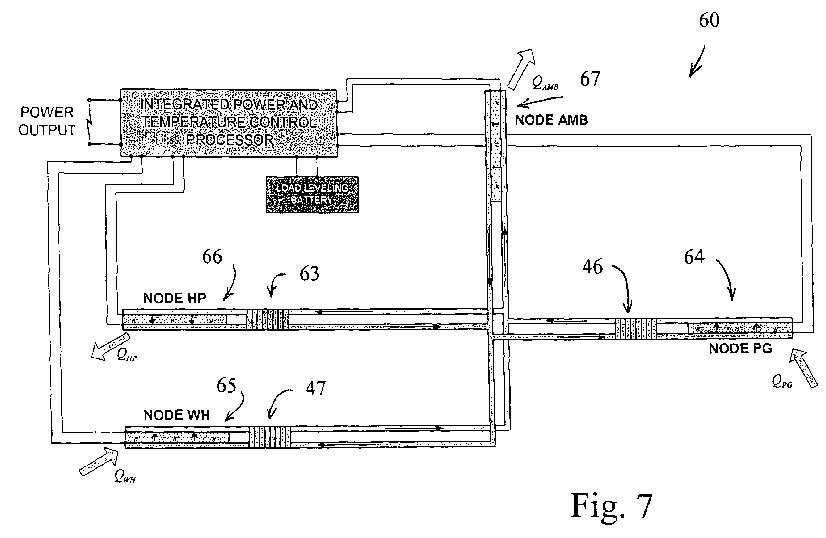
The JTEC is an all solid-state heat engine that operates on the Ericsson cycle. It uses the electro-chemical potential of hydrogen pressure across a proton-conductive membrane (PCM) in a membrane-electrode assembly (MEA). Hydrogen is oxidized on the high-pressure side, protons pass through the membrane, and electrons flow through an external load to generate electricity. A regenerative counter-flow heat exchanger maintains near-constant temperature expansion and compression, approximating the Ericsson cycle. The system requires only heat (solar, waste heat, combustion) and no moving parts.
Principles
- Electro-chemical potential of hydrogen
- Ericsson thermodynamic cycle
- Proton conduction through a membrane
- Regenerative counter-flow heat exchange
Scientific Domains
Materials
- Proton-conductive ceramic membrane
- Electrode materials (similar to fuel-cell electrodes)
- Hydrogen gas
Mechanisms of Action
- Hydrogen oxidation at high pressure creates protons and electrons
- Protons migrate through a proton-conductive membrane
- Electrons travel through an external circuit delivering power
- Regenerative heat exchanger transfers heat between high- and low-temperature MEA stacks
Energy Sources
Applications
- Solar power generation
- Waste-heat recovery for industrial processes
- HVAC heat pumps
- Power for cell-tower communications
- Spacecraft power systems
Claimed Performance
Efficiency > 60 % at 600 deg C, up to 80 % in the long term; potential to generate several megawatts of power.
Experimental Evidence
Prototype development is planned (low-temperature prototype at ~200 deg C); no published quantitative performance data are provided.
Limitations
- Requires high-temperature heat source
- Durability of proton-conductive membrane at > 600 deg C
- Scalability and cost of novel ceramic membranes not yet demonstrated
- No moving parts but material and sealing challenges
Red Flags
- Efficiency claims (> 60 %) are not supported by published experimental data
- Potential over-optimistic performance projections
- Reliance on novel membrane materials that are still under research