Goal
To alter the energy content and physical-chemical properties of dipolar substances by exposing them to electromagnetic fields at frequencies that match their characteristic (anomalous-dispersion) periods.
Problem
Inability to permanently modify dielectric, optical, and chemical behavior of dipolar materials without catalysts or high temperatures; desire for food preservation, seed germination acceleration, polymer curing, and medical diagnostics.
Concept Summary
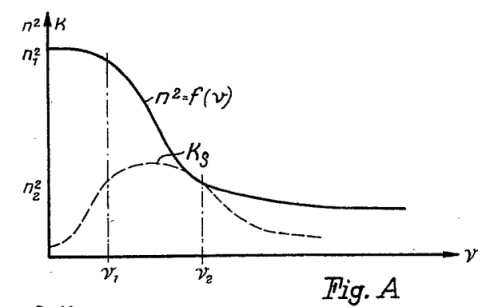
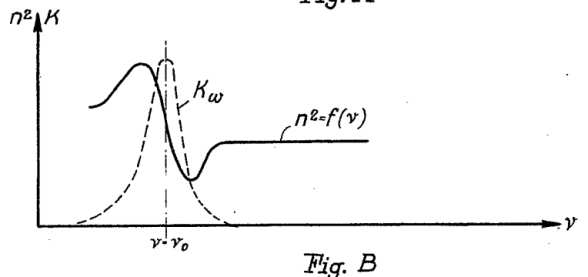
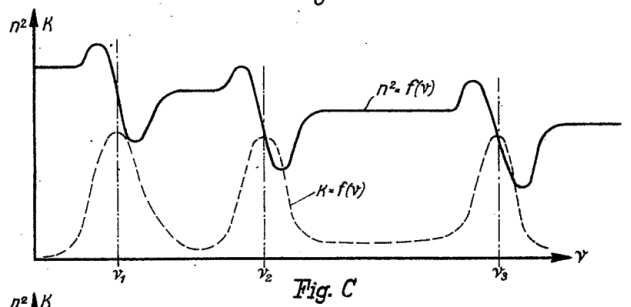
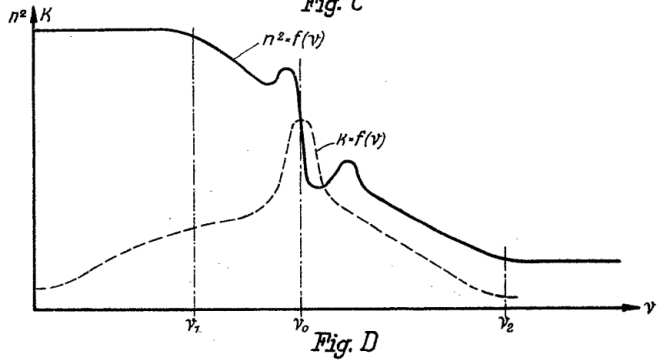
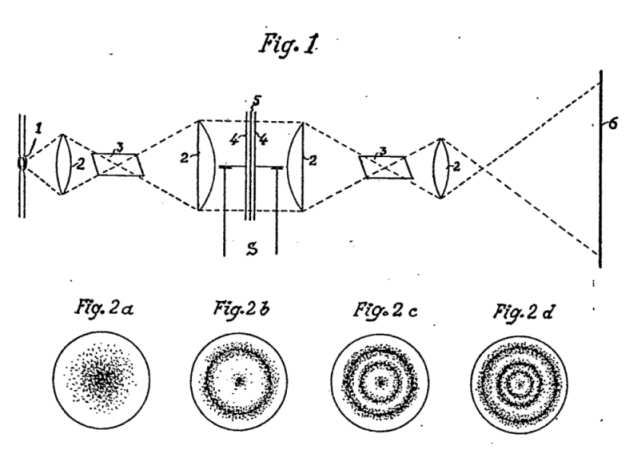
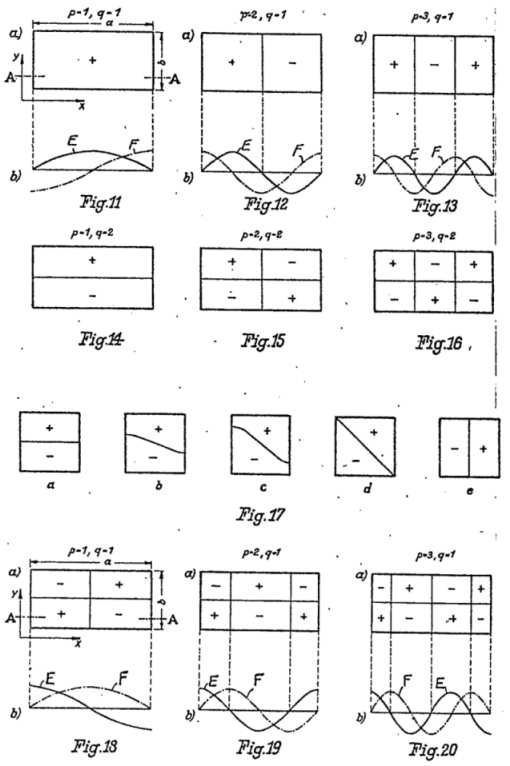
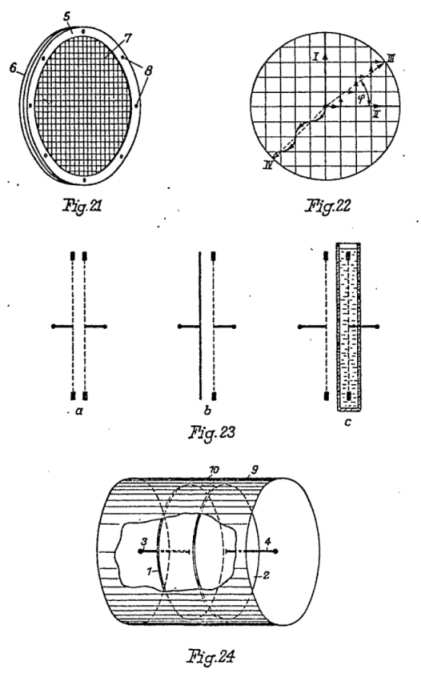
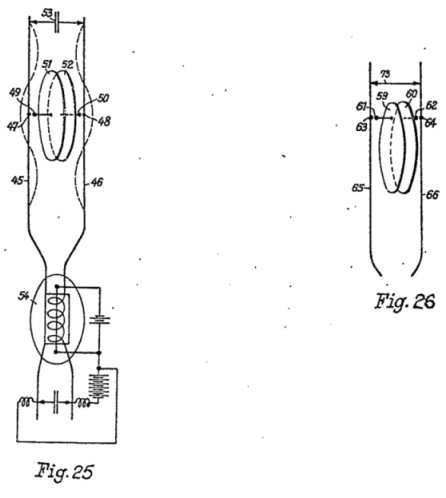
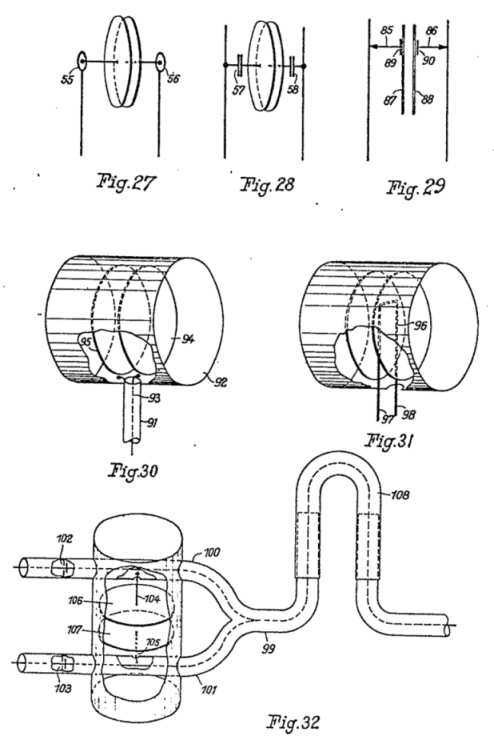
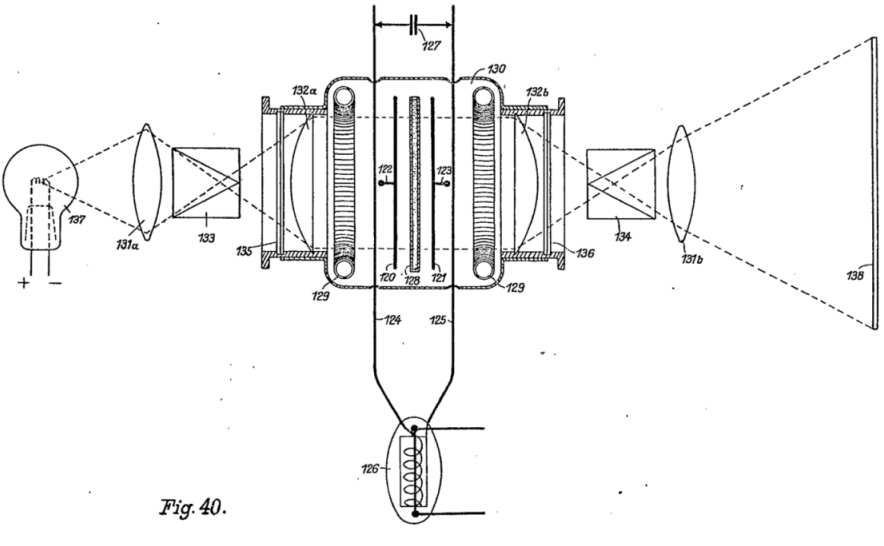
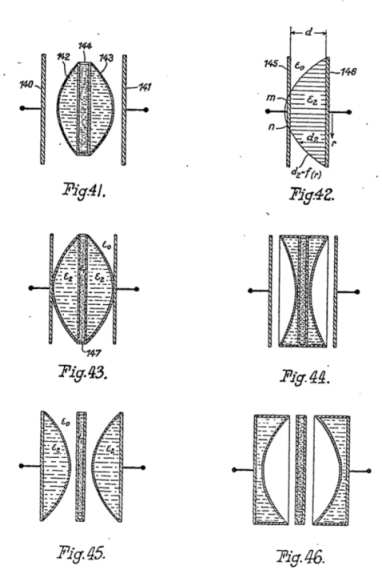
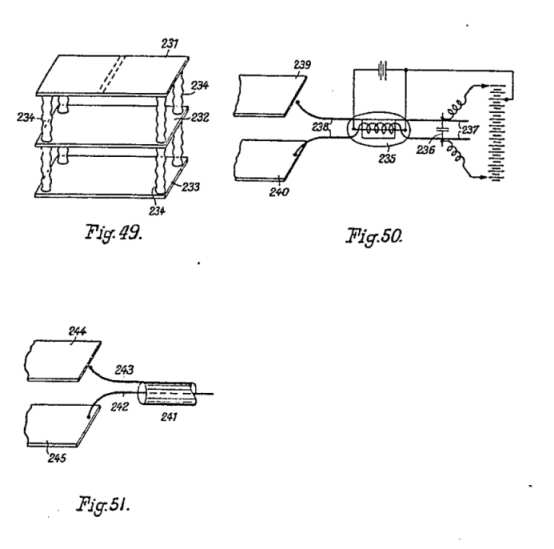
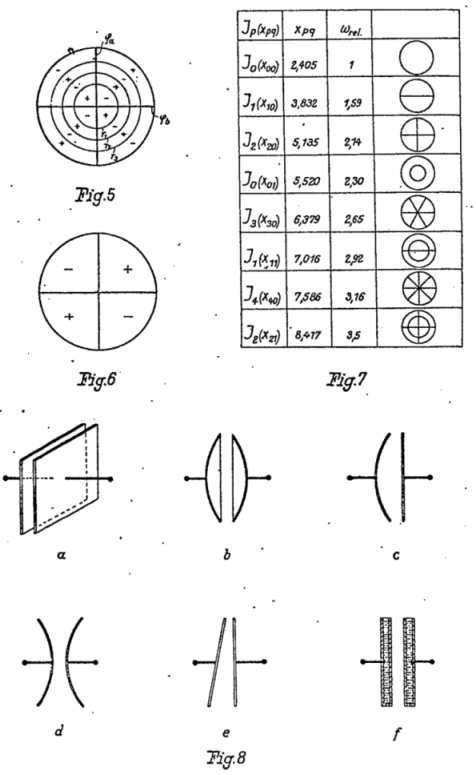
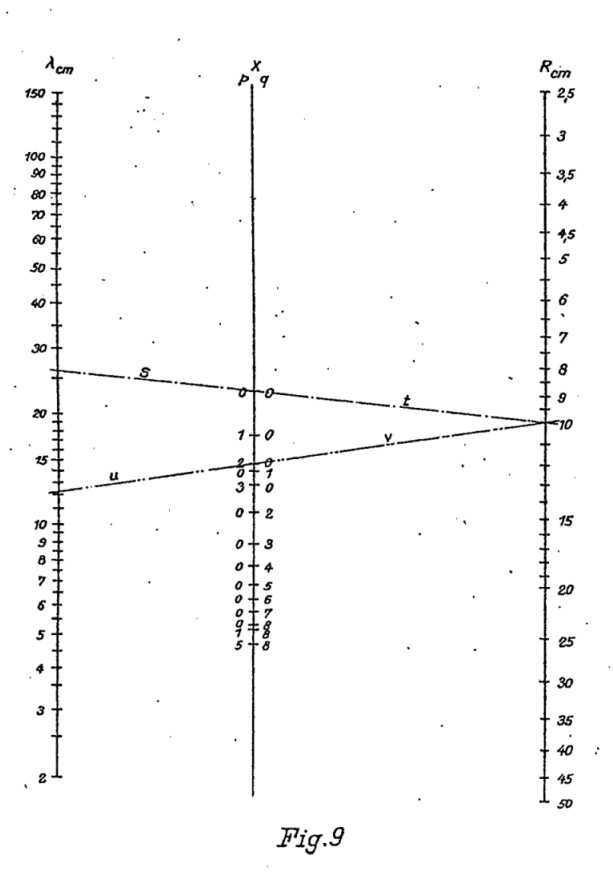
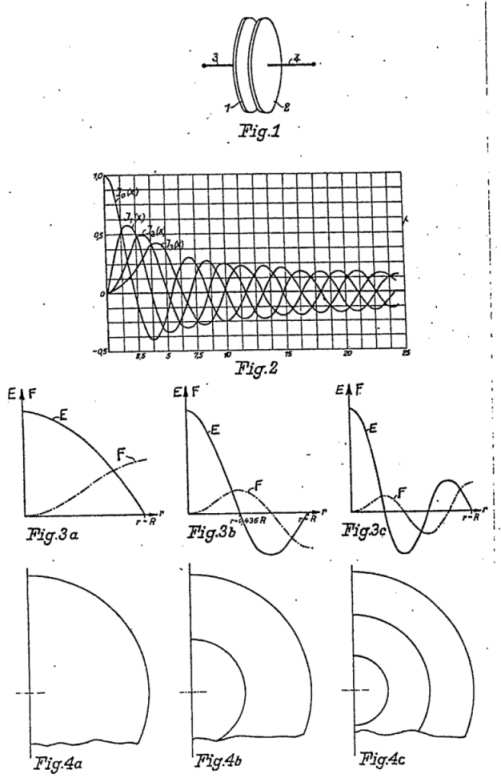
The invention exploits resonant absorption of a concentrated electromagnetic field (wavelengths 3 mm - 6 m) that matches the natural dipolar relaxation, oscillation, or term-difference frequencies of a substance. By tuning the field (standing waves between conductors, reflectors, or plate resonators) and optionally adding a static field, the energy content of the material is altered, leading to permanent changes such as stabilization of emulsions, accelerated crystallization, germination, polymerization, and creation of electrets.
Principles
- Resonant absorption
- Anomalous dispersion
- Dipolar polarization
- Electromagnetic field concentration
Scientific Domains
Materials
- Dipolar substances
- Colloidal dispersions
- Agar-agar gel
- Milk
- Apple juice
- Bee wax
- Euphorbium powder
- Resin
- Wax
- Turpentine
- Acetylene
- Steam
- Ozone
- Isoprene
- Rubber
- Styrol
- Bakelite
Mechanisms of Action
- Energy absorption at characteristic dipolar frequencies
- Orientation of molecular dipoles
- Modification of dielectric constant and optical properties
- Induced chemical reactivity
Energy Sources
Applications
- Food preservation
- Agricultural seed treatment
- Medical diagnostics and therapy
- Chemical manufacturing (catalyst-free reactions)
- Material processing (polymer curing, electret production)
Claimed Performance
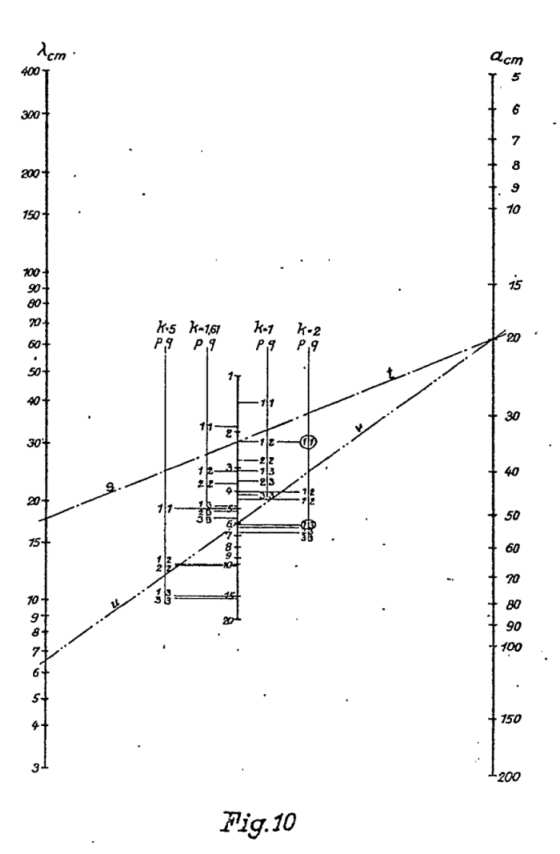
Bean seeds treated for 30 s at 35 deg C with 28 cm & 87 cm wavelengths germinate twice as fast; veal exposed for 3 min to four-frequency field remains fresh for two weeks; conversion of acetylene, steam and ozone to acetic acid and acetaldehyde without catalyst; polymerization of isoprene and vulcanization of rubber are accelerated.
Experimental Evidence
The patent lists numerous examples (food preservation, seed germination, chemical synthesis, electret creation) but provides no quantitative data, independent replication, or peer-reviewed studies.
Limitations
- Precise frequency matching required
- No independent verification of claims
- Potential heating or dielectric loss effects
Red Flags
- Extraordinary claims without peer-reviewed evidence
- Potential for commercial fraud or unsubstantiated hype