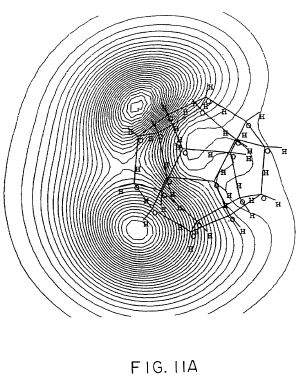
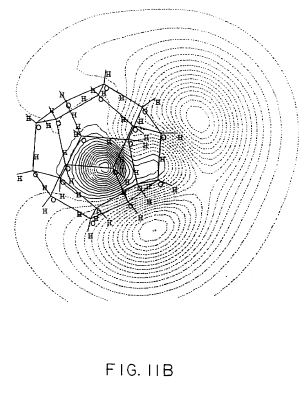
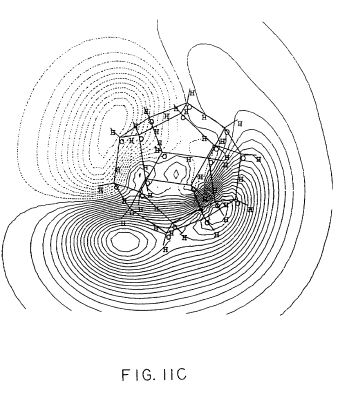
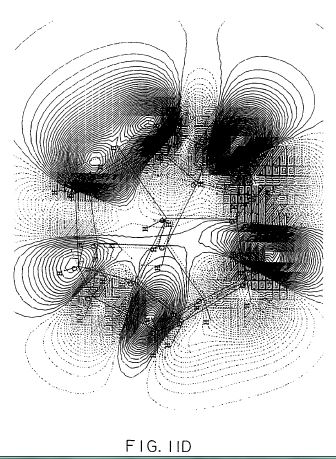
Goal
Provide a stable fuel emulsion that reduces NOx and soot emissions while maintaining diesel engine efficiency.
Problem
High NOx and particulate emissions from diesel engines and lack of a stable, inexpensive water-fuel mixture for widespread use.
Concept Summary
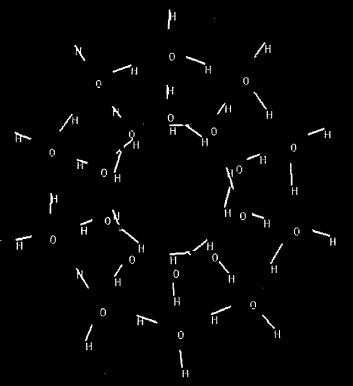
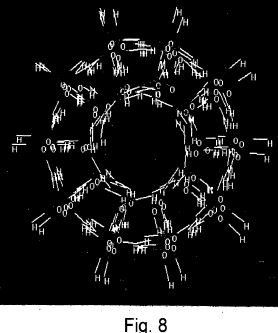
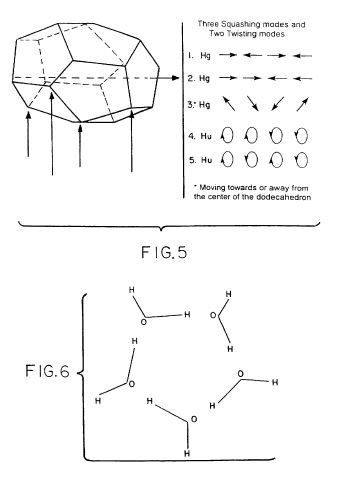
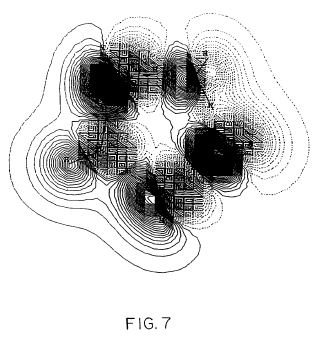
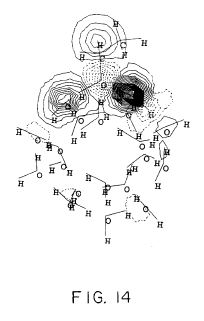
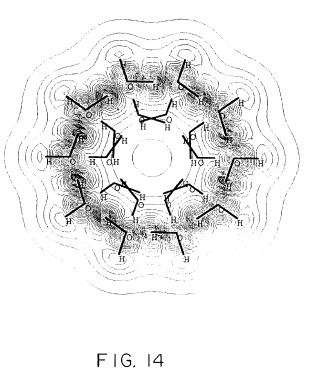
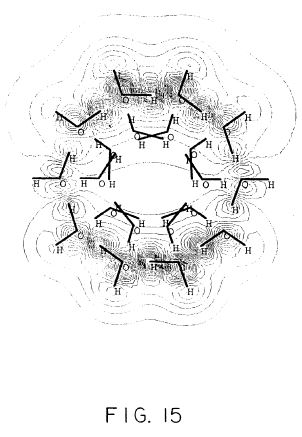
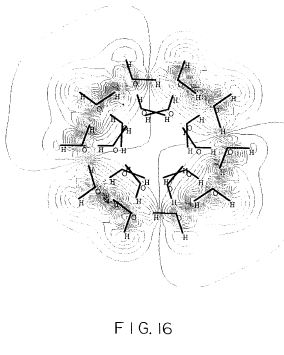
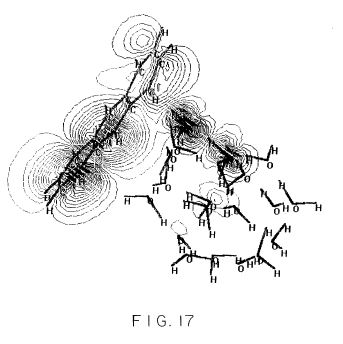
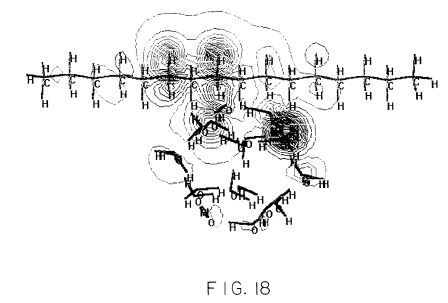
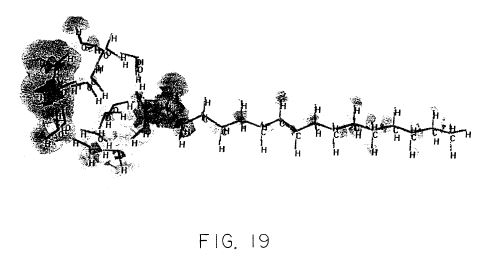
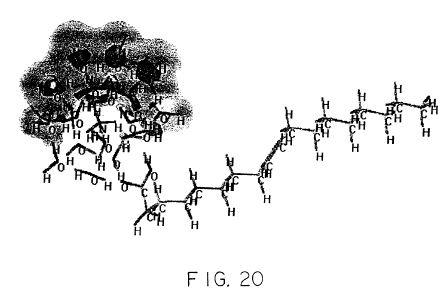
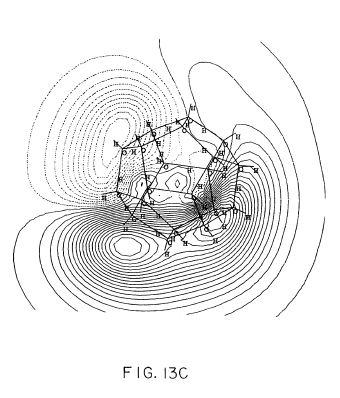
A diesel-water emulsion stabilized by detergent-like surfactants that form nanoclusters of 20-molecule water structures with delocalized ppi orbitals. These clusters exhibit high oxygen reactivity, enhanced by vibrational (Jahn-Teller) effects, leading to more complete combustion and lower NOx emissions.
Detailed Description
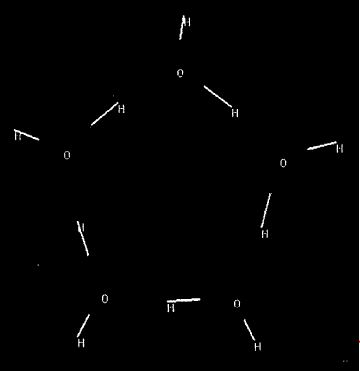
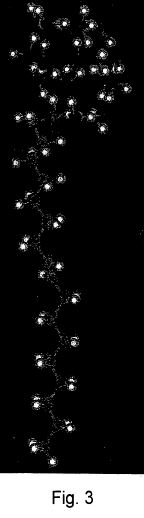
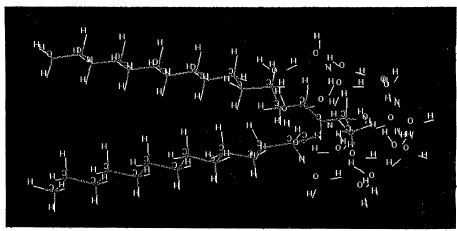
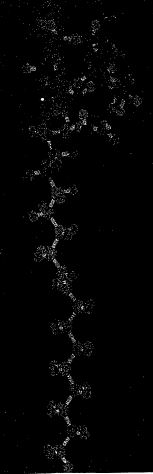
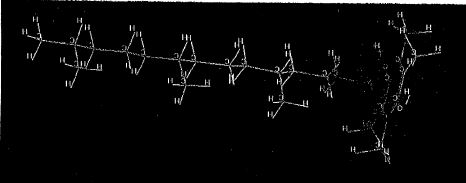
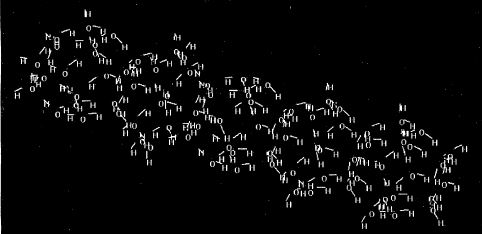
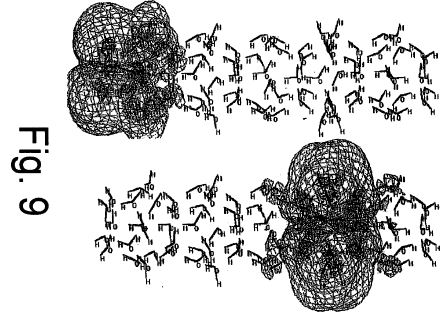
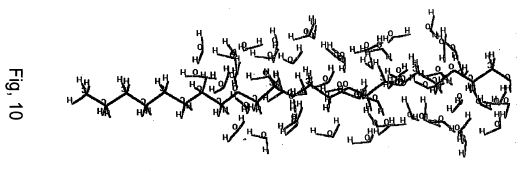
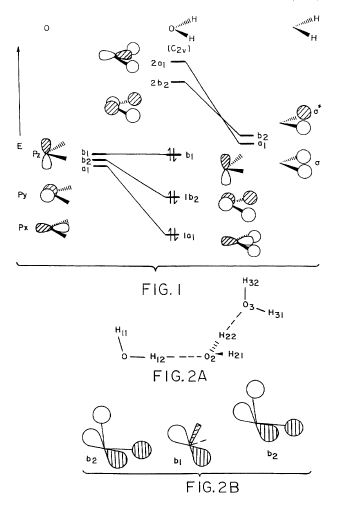
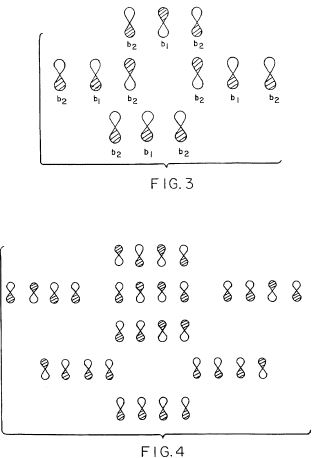
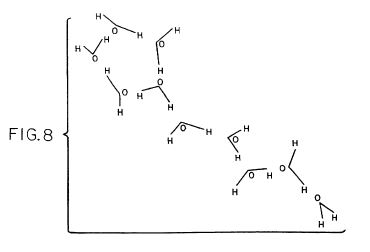
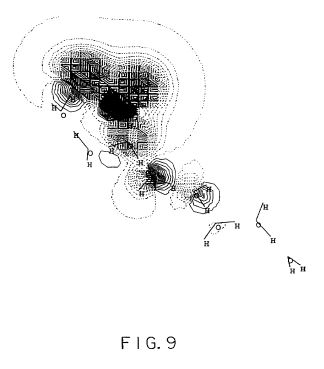
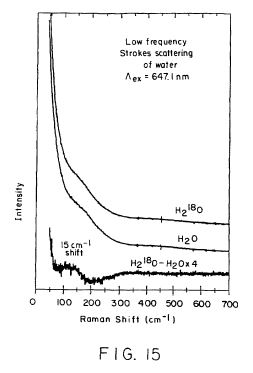
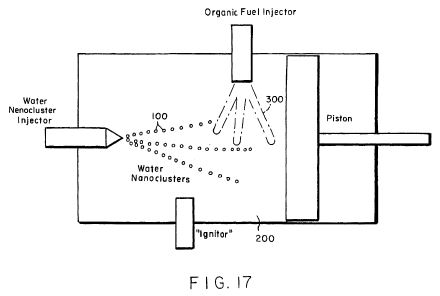
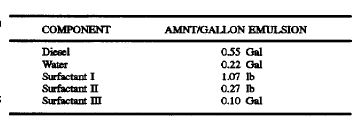
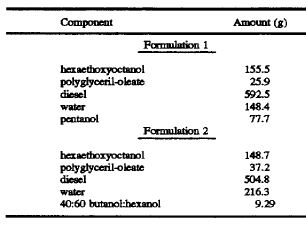
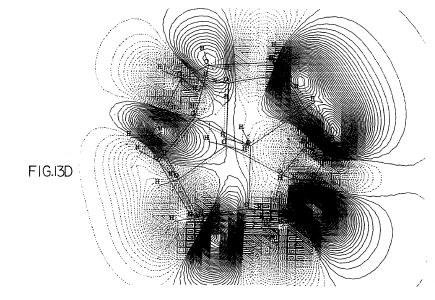
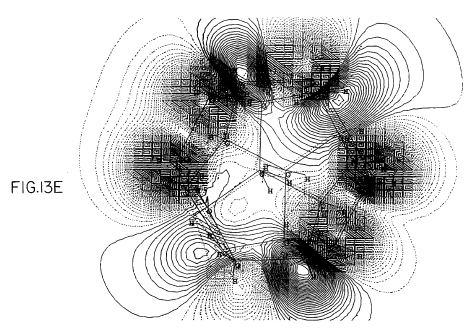
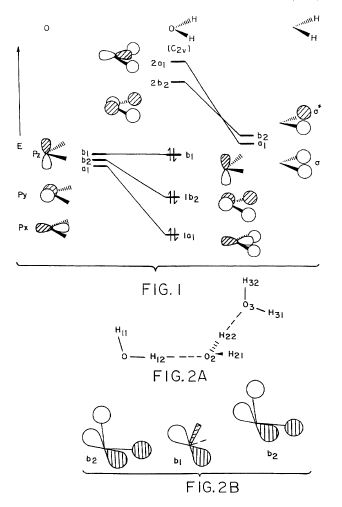
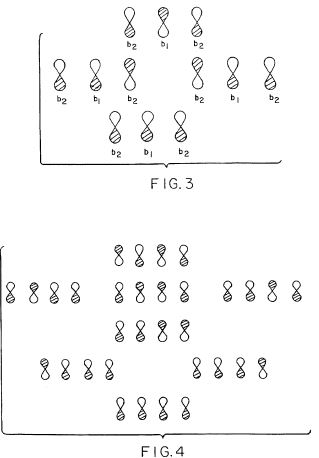
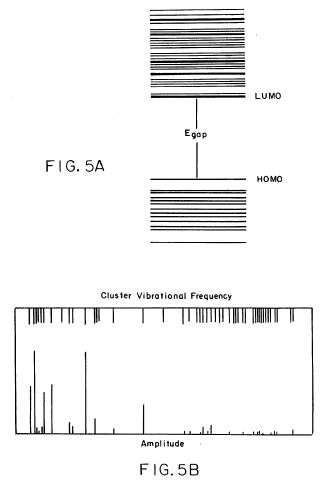
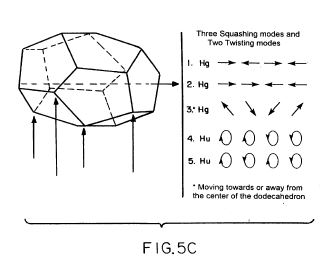
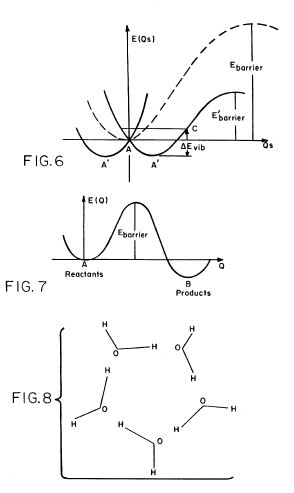
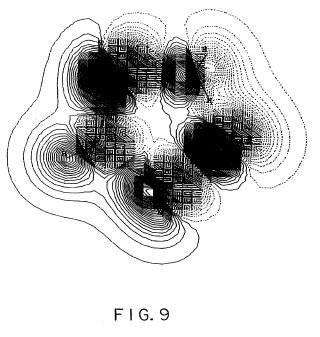
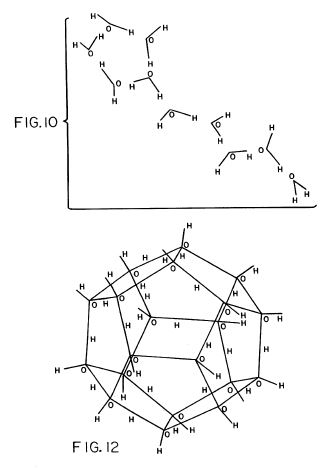
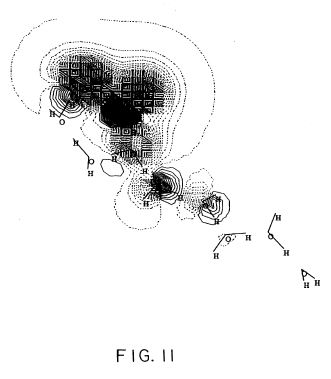
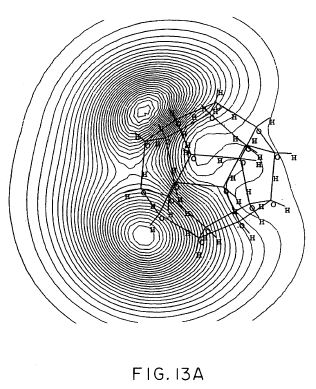
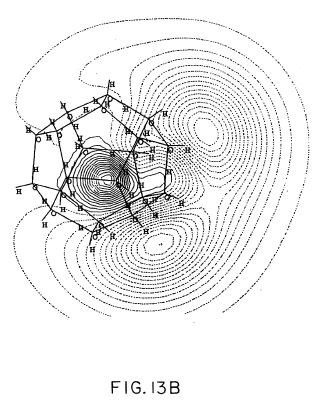
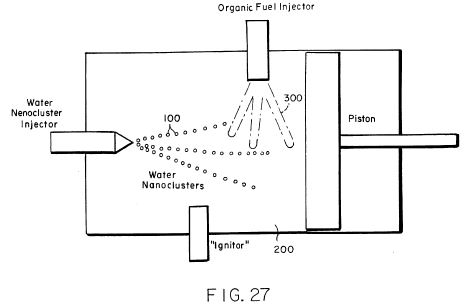
The invention combines diesel fuel with tap water and a specific class of oxygen-rich surfactants that chemically bond water molecules to the fuel, forming stable nanoclusters (~=20 molecules) with pentagonal-dodecahedral symmetry. The clusters possess degenerate, delocalized ppi orbitals that protrude from the surface, making the oxygens highly reactive. Vibrational modes, induced either by external electromagnetic/acoustic fields or intrinsic dynamical Jahn-Teller effects, lower reaction barriers and promote oxidative addition during combustion. The resulting fuel emulsion is stable for over a year, maintains engine power, and experimentally shows reduced NOx emissions, altered CO output, and characteristic Raman spectra.
Principles
- Quantum chemistry of water clusters
- Surfactant-mediated stabilization
- Delocalized ppi orbital reactivity
- Jahn-Teller induced vibrational activation
Scientific Domains
Materials
- Water
- Diesel fuel
- Oxygen-rich surfactants (detergent-like compounds)
Mechanisms of Action
- Reactive oxygen atoms in water clusters catalyze oxidation of fuel hydrocarbons
- Enhanced vibrational modes lower activation energy for combustion reactions
- Surfactant electrons donate to delocalized orbitals, stabilizing the emulsion
Energy Sources
Applications
- Diesel engine fuel for buses and cars
- Portable diesel generators
- Marine diesel propulsion
Claimed Performance
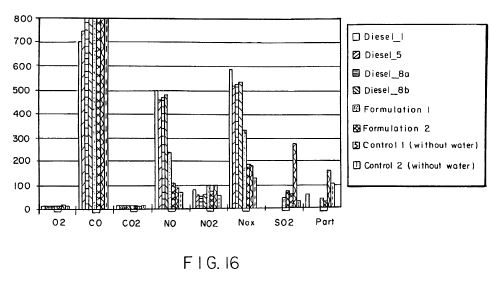
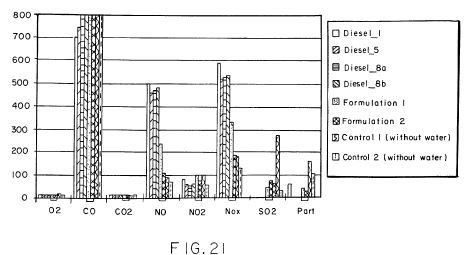
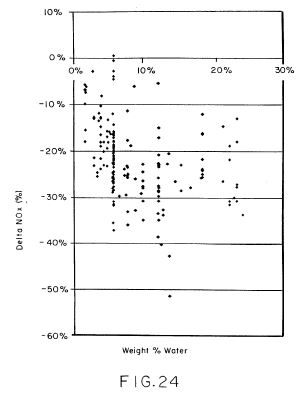
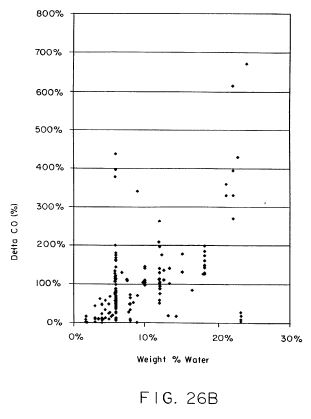
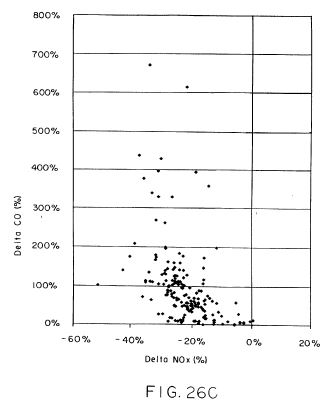
Stable emulsion for >1 year; maintains diesel engine efficiency; reduces NOx emissions (figures show decreasing NOx with increasing water content); alters CO emissions.
Experimental Evidence
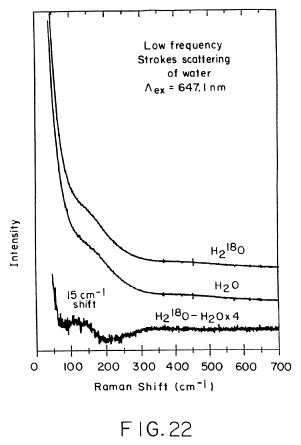
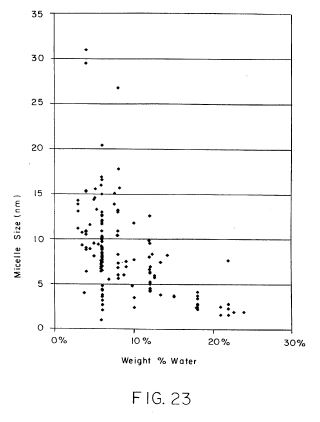
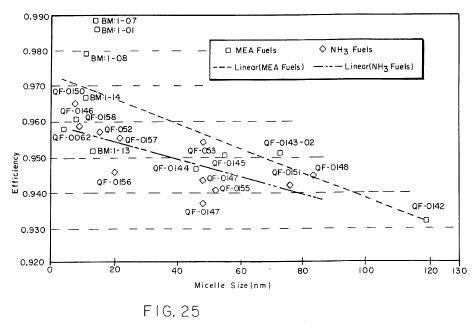
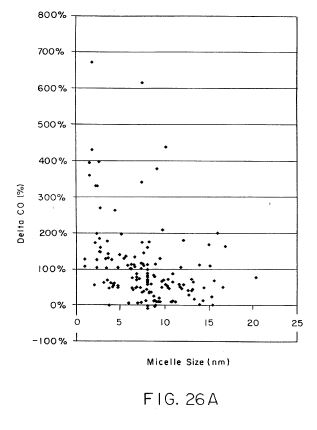
Figures 21-27 present emission data, Raman spectra, and correlations between micelle size, water weight percent, NOx reduction, and combustion efficiency.
Replication Status
Licensed to Quantum Energy Technologies (QET) for manufacturing and marketing; no independent commercial scaling reported.
Limitations
- Long-term engine wear not fully studied
- Cost and availability of suitable surfactants
- Performance may vary with engine type and operating conditions
Red Flags
- Claims rely heavily on proprietary quantum-chemical explanations without peer-reviewed validation
- No independent third-party replication reported