Goal
Generate hydrogen on-site with very little electrical energy input by combining electrolysis and ultrasonic cavitation.
Problem
High energy cost and infrastructure requirements (storage, transport) of conventional hydrogen production.
Concept Summary
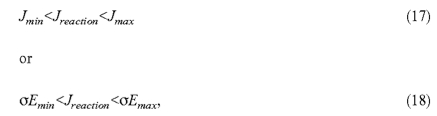
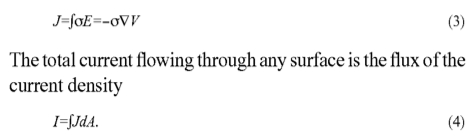
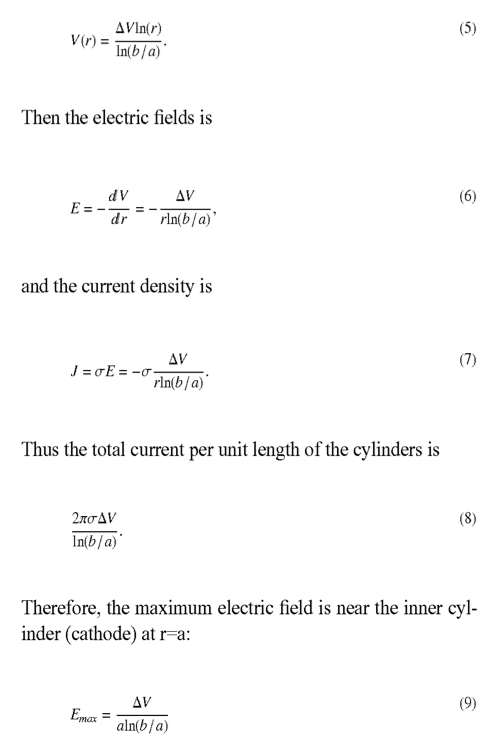
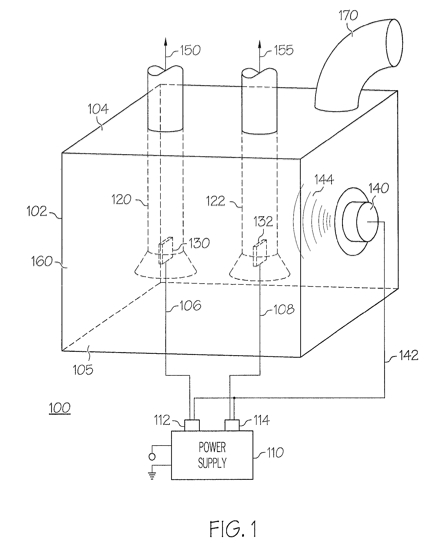
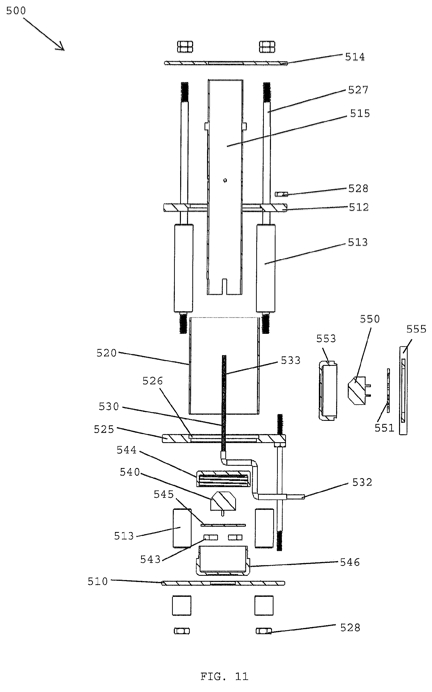
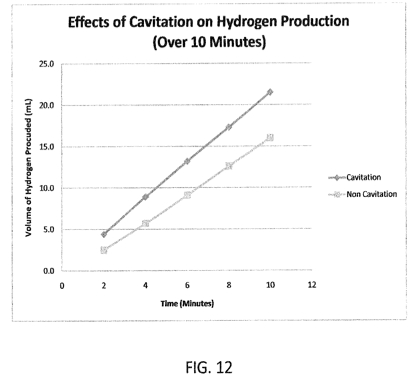
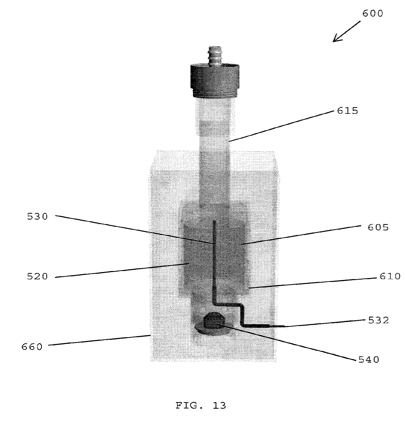
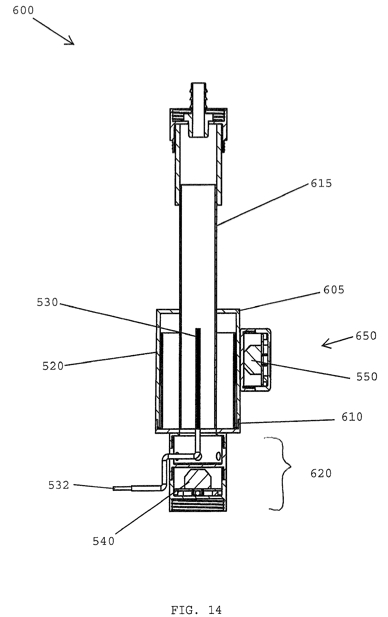
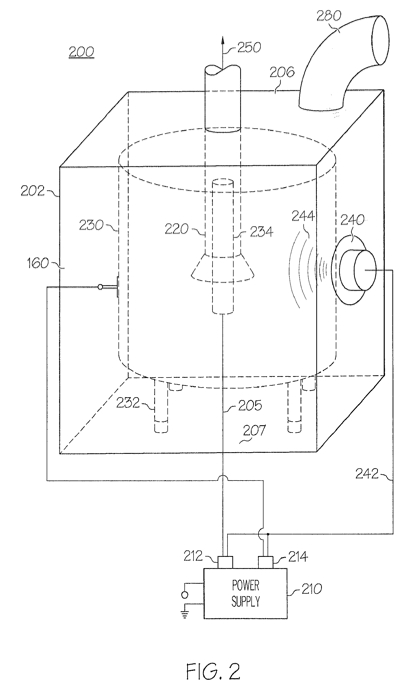
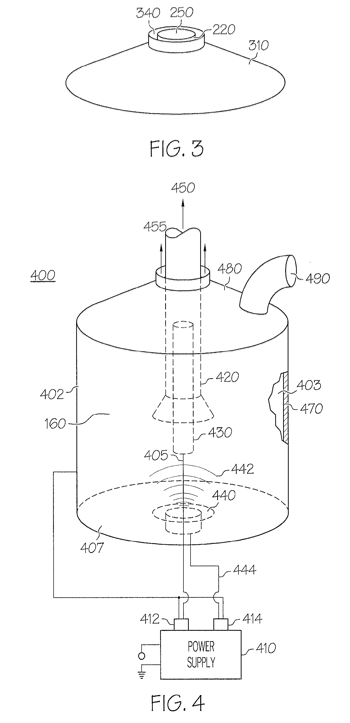
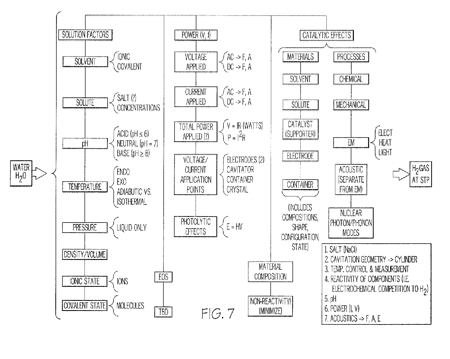
The invention uses an aqueous electrolyte containing dissolved noble gases, iodide/iodate salts and organic acids. Electrical current is applied between a cylindrical cathode and a hollow anode while ultrasonic transducers (~=38 kHz and ~=76 kHz) create cavitation in the solution. Cavitation lowers the bond-breaking energy of water, allowing hydrogen to be produced with reduced electrical input. The system includes a gas-liquid separation device to capture the hydrogen.
Detailed Description
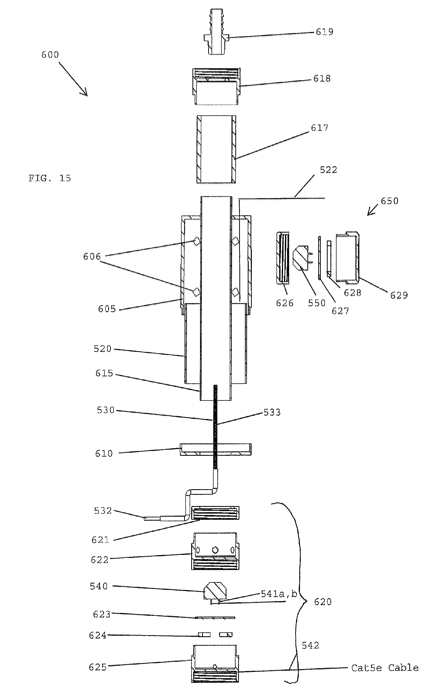
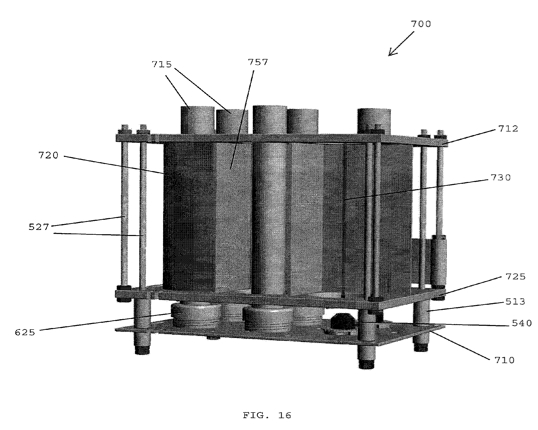
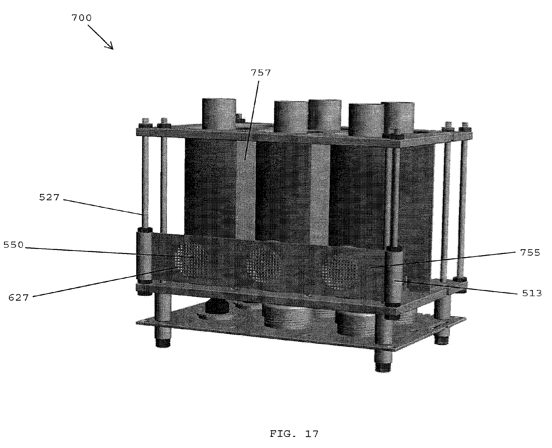
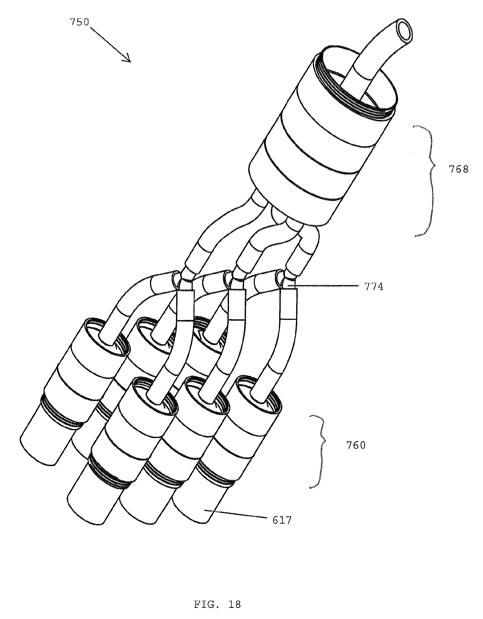
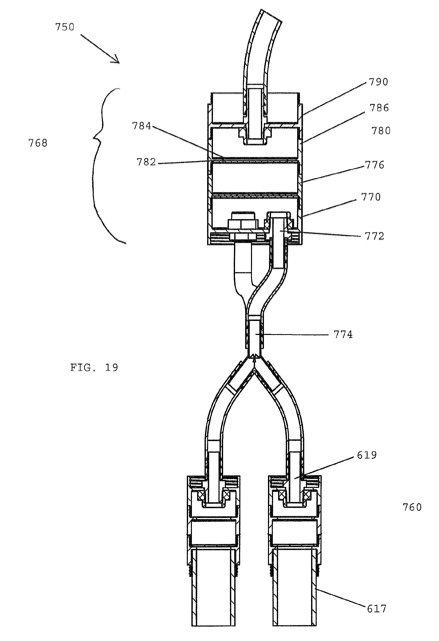
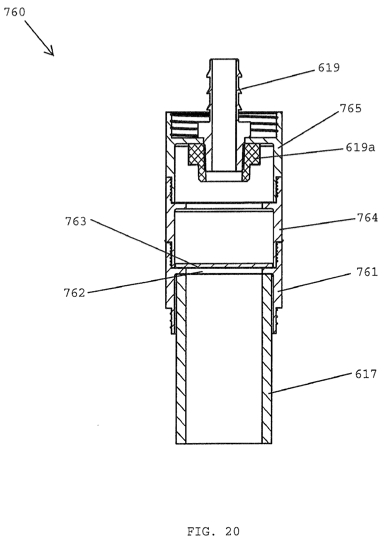
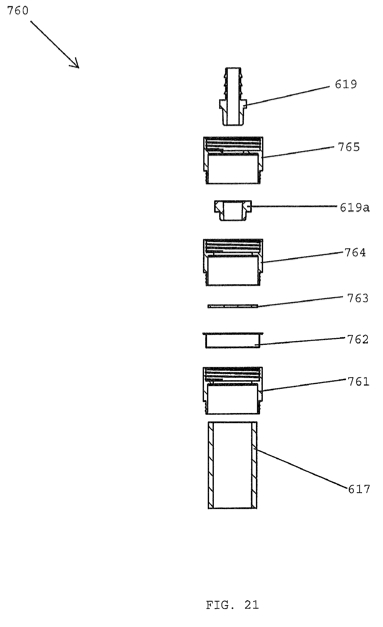
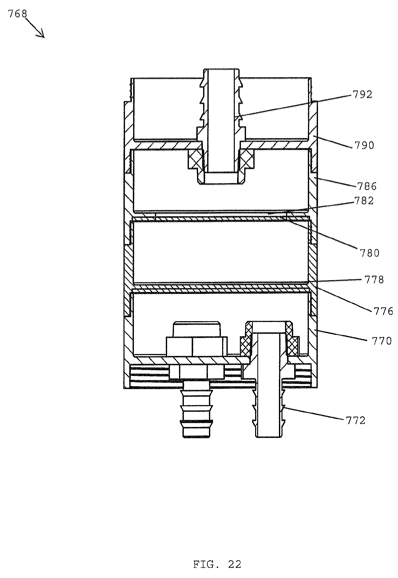
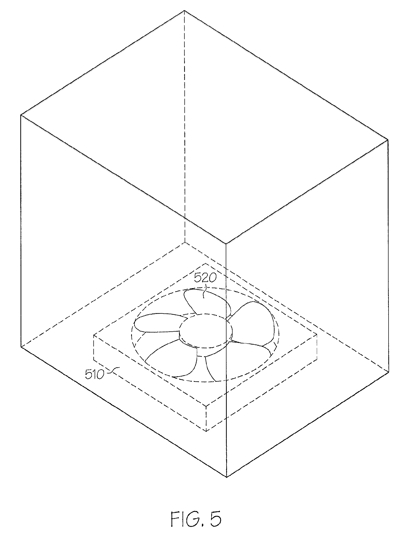
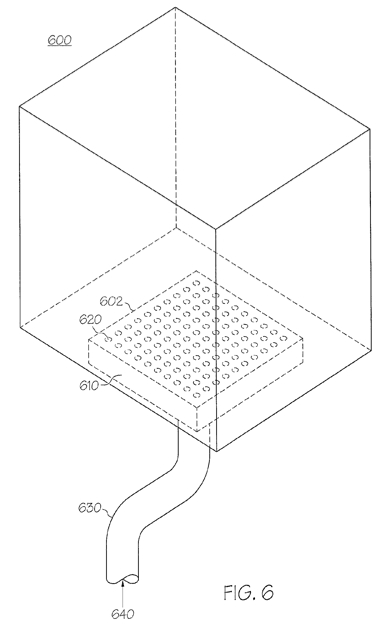
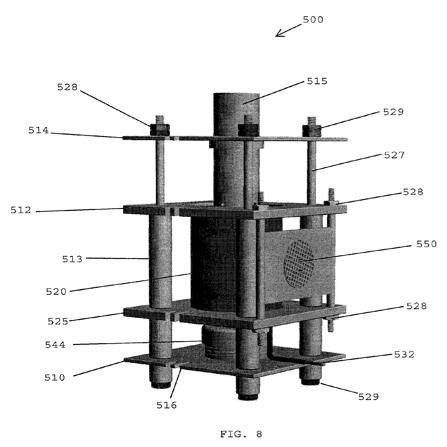
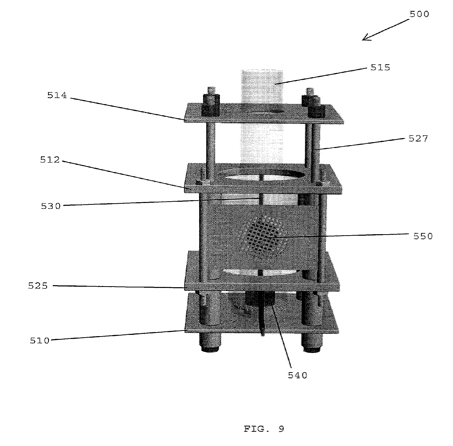
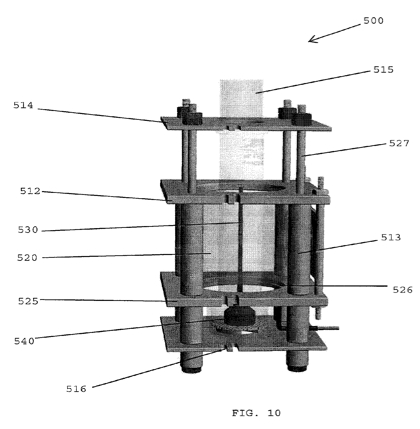
A container holds an aqueous electrolyte solution. A cylindrical cathode sits on the axis of a hollow cylindrical anode. One or two ultrasonic transducers are mounted per cathode/anode pair; the first transducer transmits along the cathode axis (~=38 kHz) and a second transducer transmits orthogonal to it (~=76 kHz). A power supply drives both the electrodes and the transducers, while a waveform generator imposes a sine-wave modulation on the transducer power. The cavitation generated by the ultrasound creates micro-bubbles that collapse, locally raising temperature and pressure and weakening the H-O bonds in water. This reduces the electrical energy required for electrolysis. The electrolyte may be recirculated with pumps, and a gas-liquid separator (tube, membrane filter, hollow-fiber module, or expansion tank) collects the hydrogen gas. The electrolyte can contain dissolved noble gases, iodide or iodate salts, and organic acids to further enhance catalytic activity.
Principles
- sonochemistry
- cavitation
- electrolysis
- catalytic enhancement
- acoustic field induced bond weakening
Scientific Domains
Materials
- water
- dissolved noble gas
- iodide salt
- iodate salt
- organic acids
- NaCl
- NaI
- citric acid
- zinc oxide
Mechanisms of Action
- ultrasonic cavitation
- electrochemical reduction
- catalytic enhancement by dissolved gases and salts
- acoustic field induced bond weakening
Energy Sources
Applications
- on-site hydrogen generation
- clean energy supply
- fuel-cell power
- distributed energy systems
Claimed Performance
Hydrogen is produced with a small initial electrical input; the reaction is claimed to sustain itself and generate surplus hydrogen.
Limitations
- No quantitative performance data disclosed
- Exact consumable composition not revealed
- Requires high-frequency ultrasound and high-voltage power supply
- Hydrogen safety considerations
Red Flags
- Claims of self-sustaining hydrogen generation with minimal energy input
- Lack of peer-reviewed or independently verified data
- Potential over-unity implication without supporting measurements