Goal
Inactivate HIV virus in blood by applying low-voltage electric fields
Problem
HIV/AIDS infection
Concept Summary
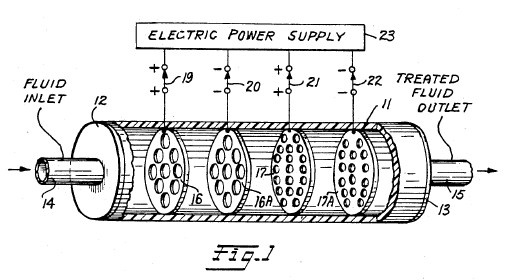
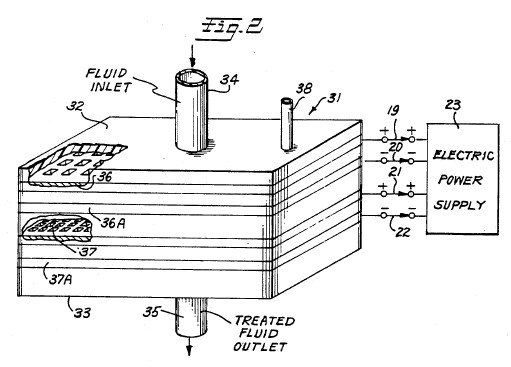
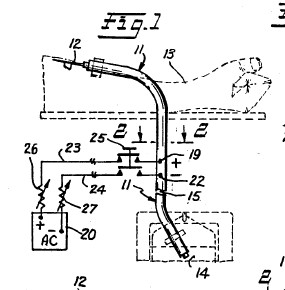
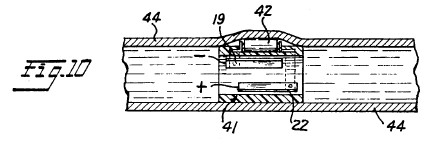
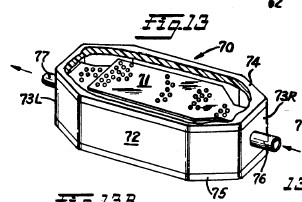
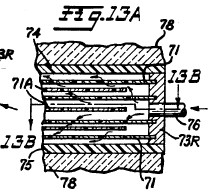
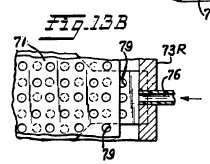
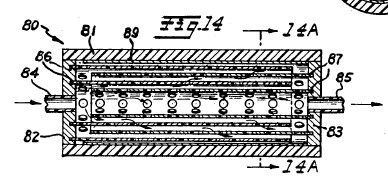
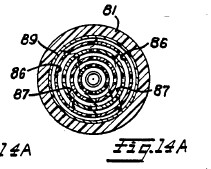
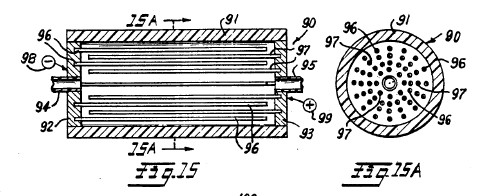
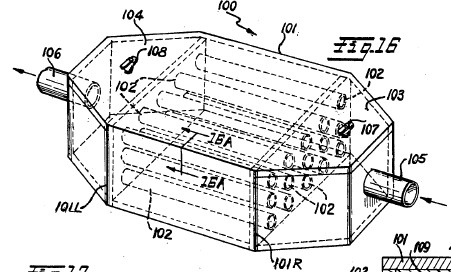
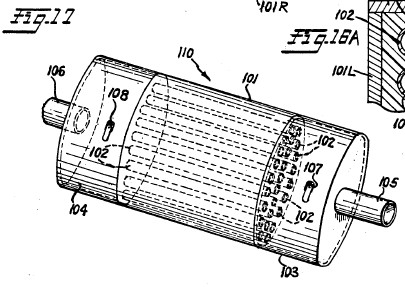
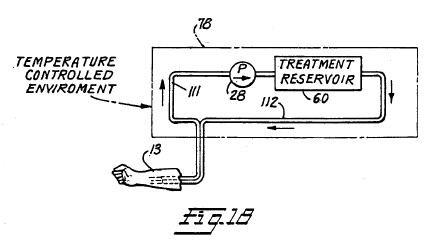
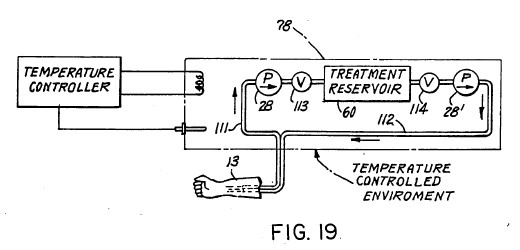
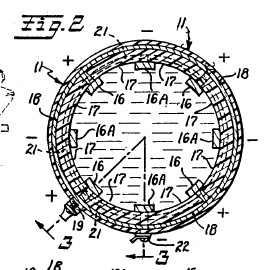
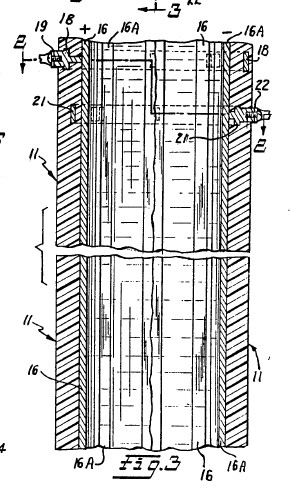
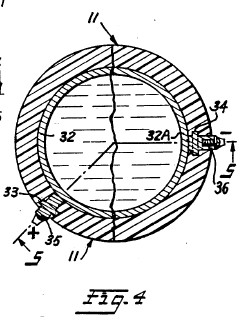
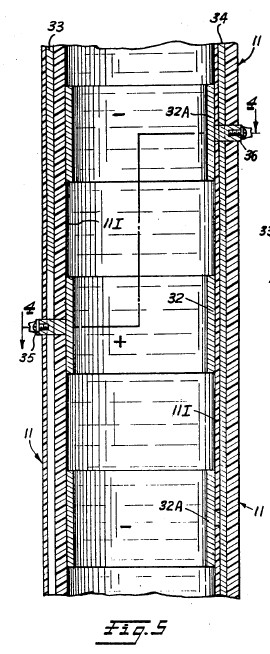
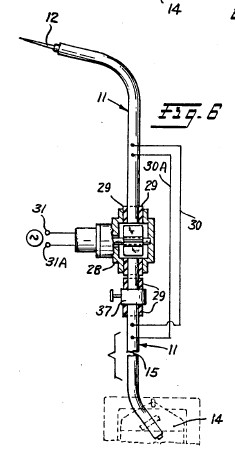
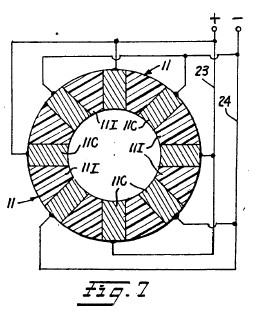
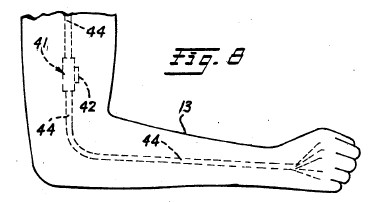
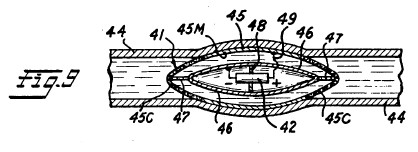
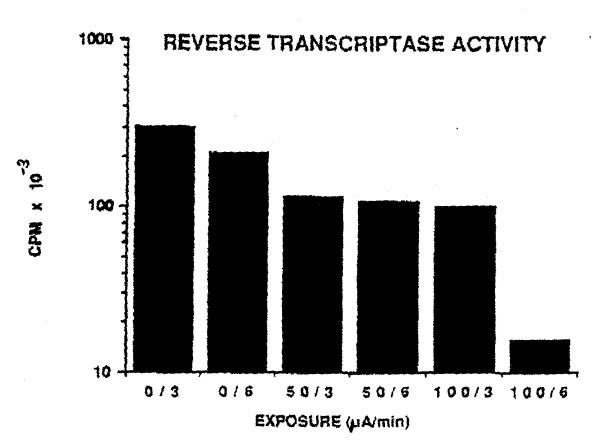
Applying a low-voltage, low-current electrical potential (50-100 uA) to blood-either in a test tube, via an implantable electrode pair, or externally with a bi-phasic square-wave AC-disrupts the viral protein coating and prevents reverse-transcriptase activity, thereby rendering the virus non-infectious while leaving normal blood cells unharmed. The system may also include mechanical filtration of particles >0.2 um.
Principles
- Low-voltage direct current
- Low-current density (50-100 uA)
- Bi-phasic square-wave AC (~=3.9 Hz)
- Electric field forces (microwatt/milliwatt region)
- Mechanical filtration (>0.2 um)
- Resonant frequency disruption
Scientific Domains
Materials
- Platinum electrodes
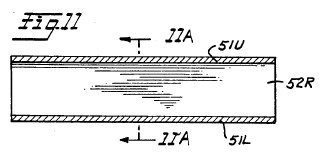
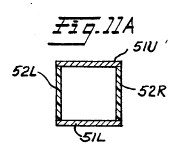
- Glass tube (test tube)
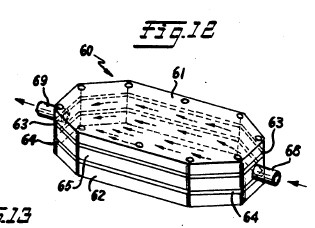
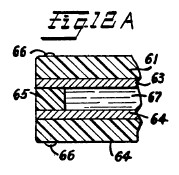
- Plastic housing for filter system
Mechanisms of Action
- Disruption of viral outer protein coating
- Inhibition of reverse transcriptase production
- Electrostatic attenuation of virus particles
- Mechanical removal of larger particles
Energy Sources
Applications
- Therapeutic treatment of AIDS
- Sterilization of blood and other body fluids
Claimed Performance
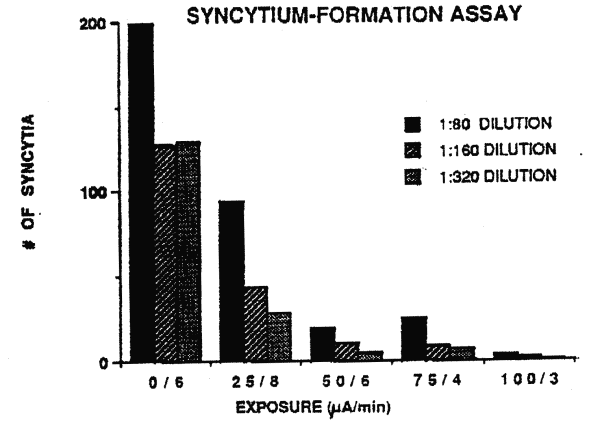
Practically all HIV viral particles were adversely affected while normal blood cells remained unharmed; a current of 50-100 uA produced the most effective results in vitro.
Experimental Evidence
Laboratory tests in 1990 showed inactivation of HIV-1 in a test tube when a 50-100 uA DC current was applied; the inventors filed a patent (US 5,139,684) describing the method. No peer-reviewed clinical data were presented.
Replication Status
Patent granted; no independent replication or clinical trials reported in the article.
Limitations
- Requires precise current control (50-100 uA)
- Implantable electrodes cause scarring and calcification
- Lack of clinical trial data
- Potential electrolysis with DC currents
Red Flags
- Claims are based on anecdotal and unpublished laboratory data
- No peer-reviewed studies or independent replication
- Suppression allegations suggest possible bias