Goal
Increase the thermodynamic efficiency of steam-driven power plants and reduce fuel consumption and emissions.
Problem
Conventional Rankine steam cycles convert only 35-40 % of heat into electricity, wasting large amounts of fuel and causing excess pollution.
Concept Summary
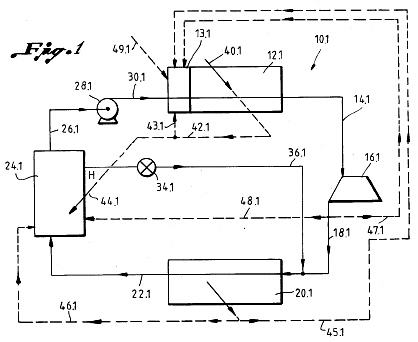
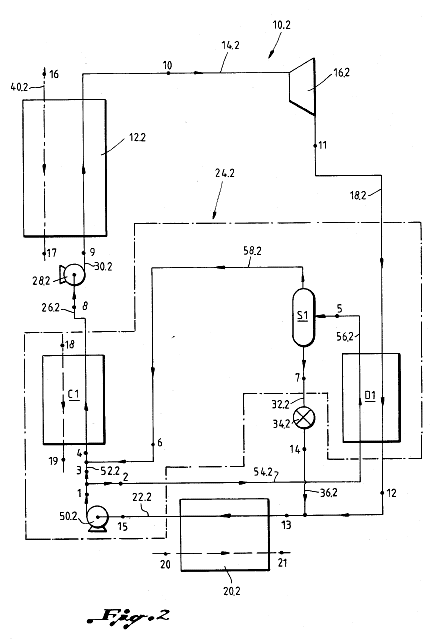
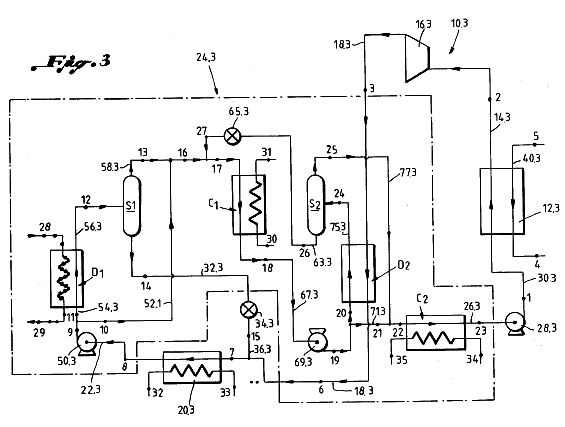
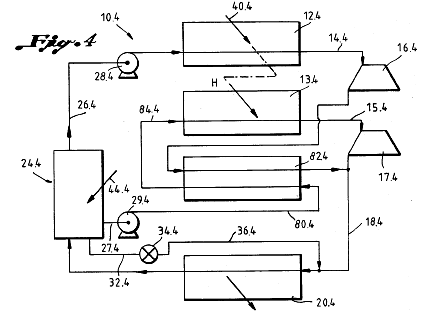
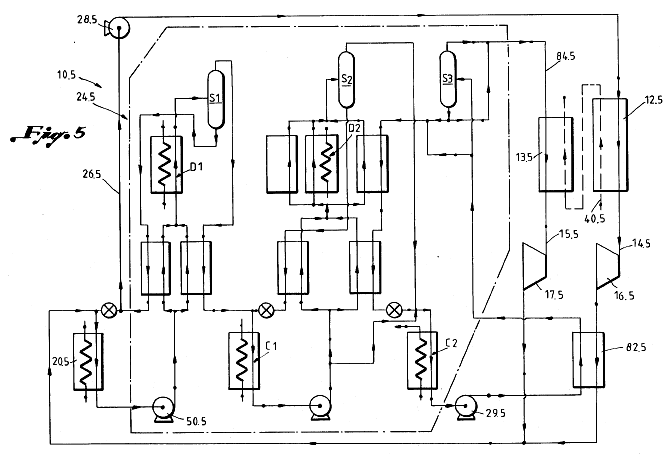
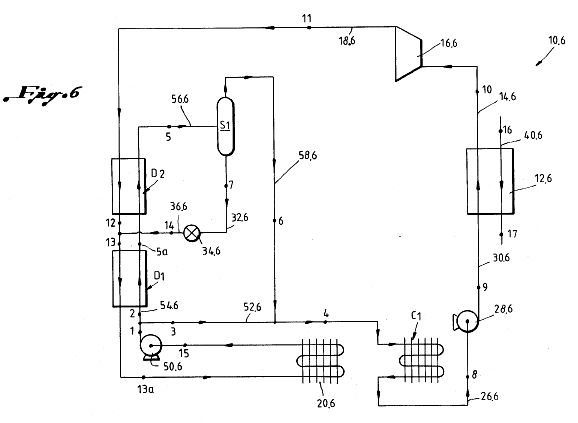
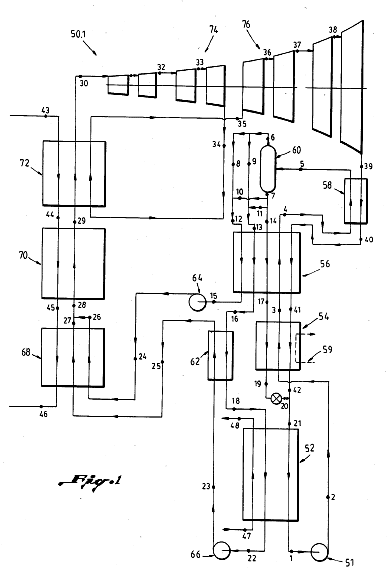
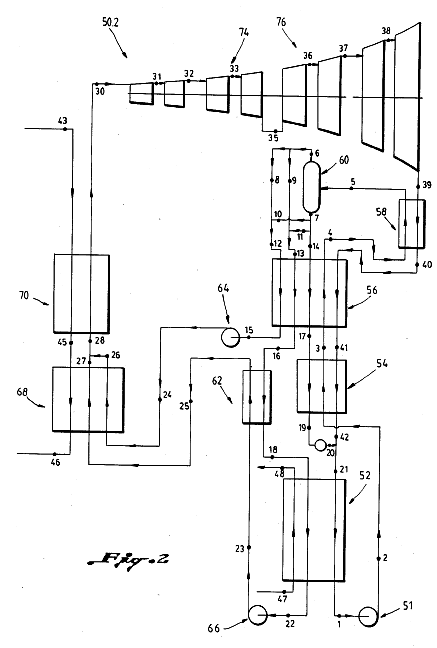
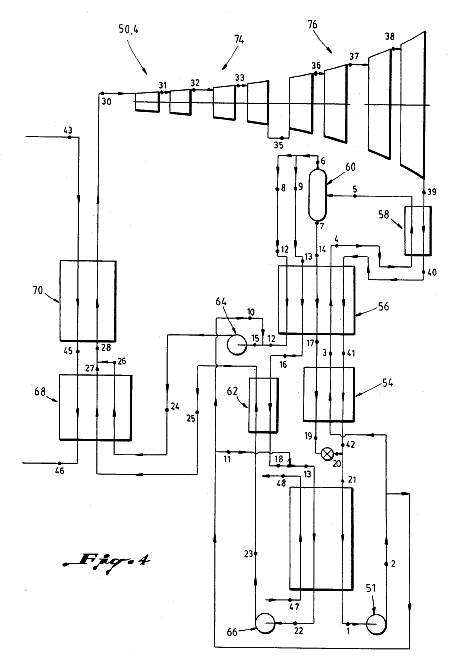
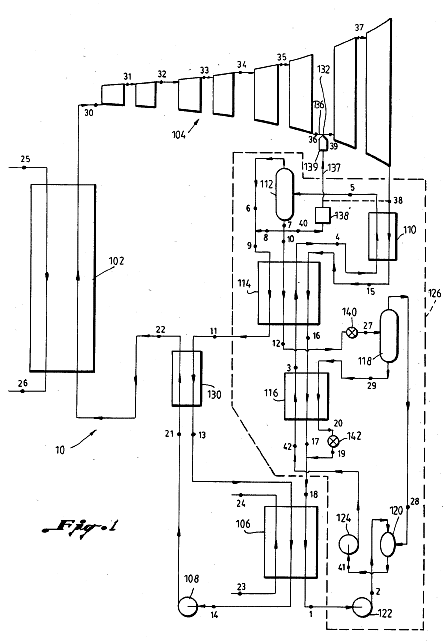
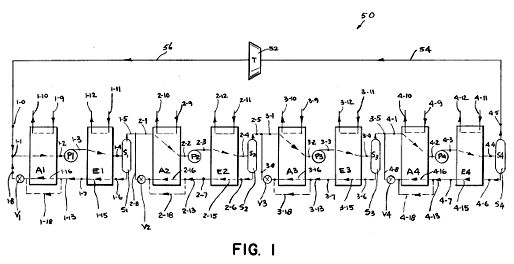
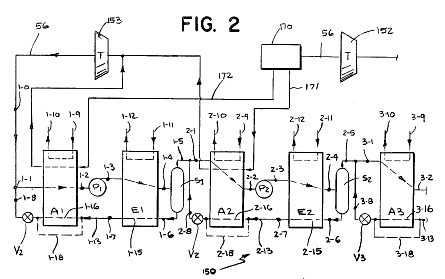
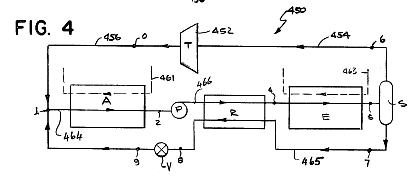
The Kalina Cycle uses a water-ammonia mixture as the working fluid. By exploiting the lower boiling point of ammonia and continuously extracting ammonia before condensation, the cycle achieves higher temperature differentials and reduces the size of the turbine needed. Multi-stage absorption, regeneration, and heat-exchange stages allow the working fluid to be repeatedly concentrated and expanded, delivering more mechanical work per unit of heat input.
Detailed Description
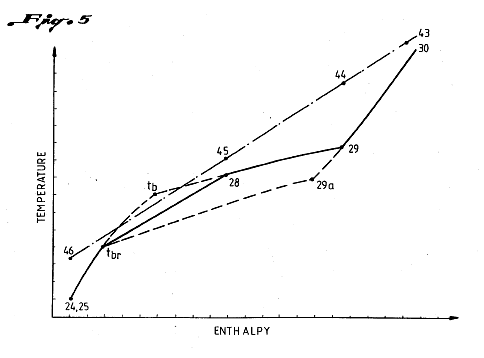
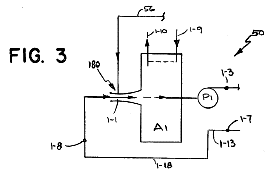
A high-pressure charged mixture of water and ammonia is expanded through a turbine, producing work. The spent low-pressure mixture is sent to an absorption stage where ammonia is dissolved in a solvent (water) while being cooled by a cold water source. The solvent-rich solution is then pressurised and heated, evaporating the ammonia which is fed to the next regeneration stage. The solvent balance is recycled to the absorption stage. By adjusting the concentration of ammonia in each stage, the condensation temperature can be kept just above the cooling water temperature, minimizing condenser size while maximizing heat recovery. The cycle can be integrated with geothermal, coal, waste-heat or solar thermal sources and can be combined with conventional combined-cycle plants to reach overall efficiencies above 60 %.
Principles
- Thermodynamics
- Heat exchange
- Absorption refrigeration
- Concentration gradient regeneration
- Combined-cycle integration
Scientific Domains
Materials
- water
- ammonia
Mechanisms of Action
- Use of ammonia-water mixture to lower boiling point
- Stage-wise absorption of ammonia into water
- Pressure increase and evaporation of ammonia for regeneration
- Heat recovery from low-temperature waste streams
Energy Sources
Applications
- electric power generation
- geothermal power plants
- coal-fired power plants
- waste-heat recovery
- combined-cycle power systems
Claimed Performance
Efficiency improvements of up to 40 % over a Rankine cycle; pilot plant efficiency of 55 % and projected combined-cycle efficiency above 62 %; geothermal plants may gain up to 50 % efficiency, coal-fired plants up to 20 % efficiency.
Experimental Evidence
In 1991 a 6 MW pilot plant at the DOE Engineering Center in Canoga Park, California, supplied power for more than 1,000 homes. The plant demonstrated the cycle's operation with geothermal, coal and waste-heat sources. Subsequent licensing agreements with GE, ABB, Ansaldo Energia and Ebara indicate successful technology transfer.
Replication Status
Technology licensed to major manufacturers (GE, ABB, Ansaldo Energia, Ebara). Pilot plant operational since 1992; commercial agreements in place for combined-cycle projects up to 150 MW.
Limitations
- Handling and corrosion issues associated with ammonia
- Large heat-exchange surface area required for low temperature differences
- Need for cooling water supply
- Complex multi-stage regeneration increases plant cost