Goal
Generate electricity directly from a paint coating applied to conductive surfaces, providing a low-cost, scalable photovoltaic solution.
Problem
High cost and rigidity of silicon-based solar panels; need for inexpensive, easily deployed solar energy generation on existing structures.
Concept Summary
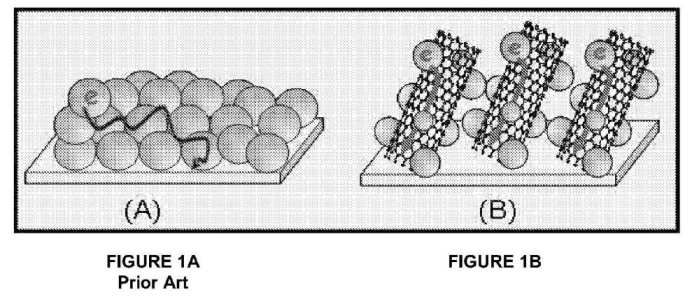
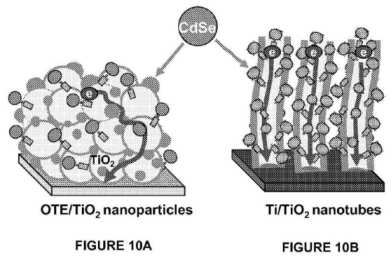
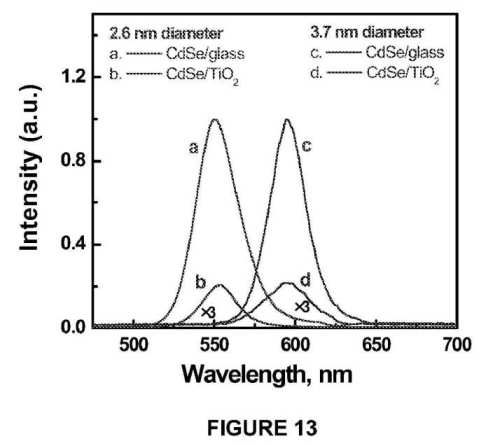
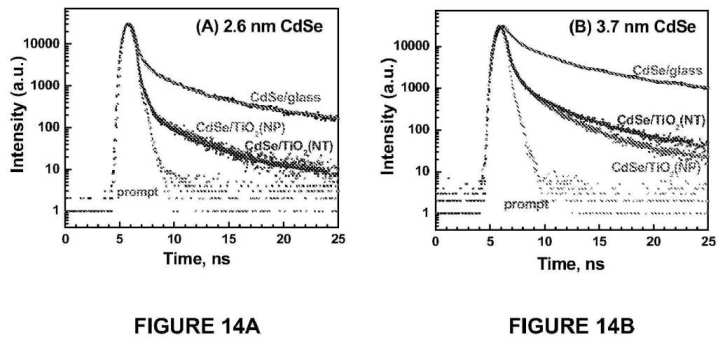
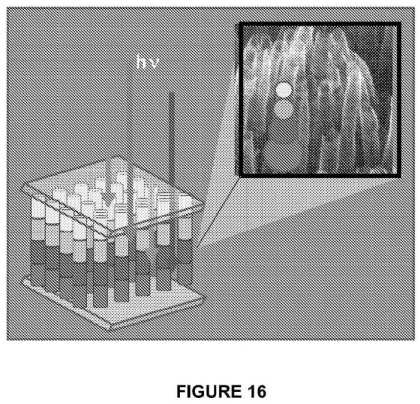
A binder-free paste containing semiconductor nanoparticles (CdS, CdSe) and TiO_2 is suspended in a water-alcohol mixture. When brushed onto a transparent conductive substrate and annealed, the layer forms a quantum-dot solar paint that converts sunlight into electricity.
Detailed Description
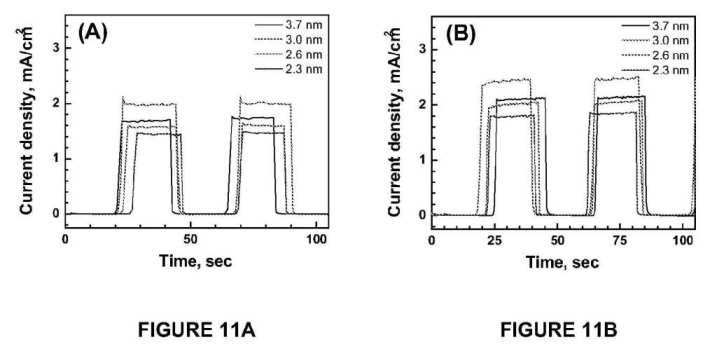
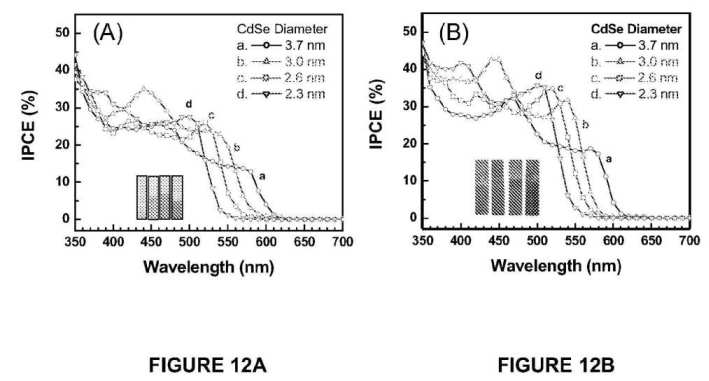
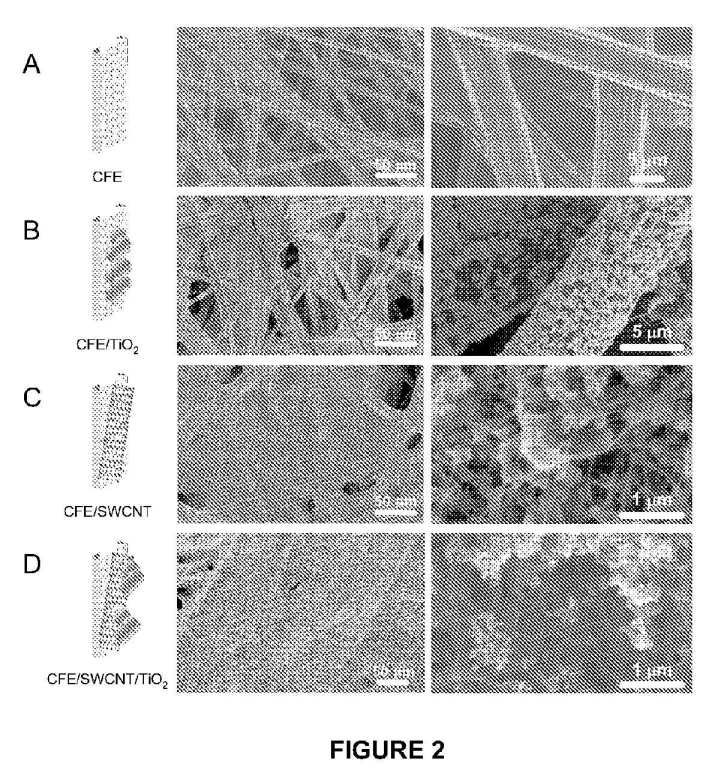
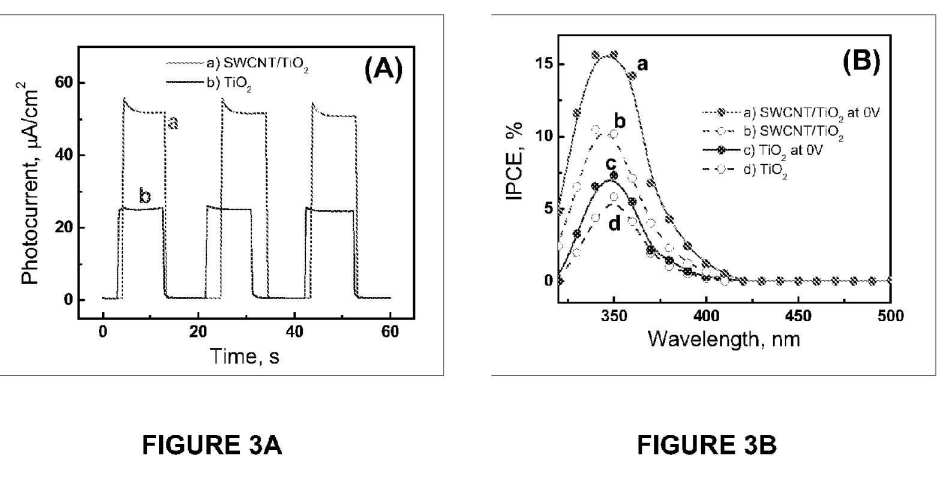
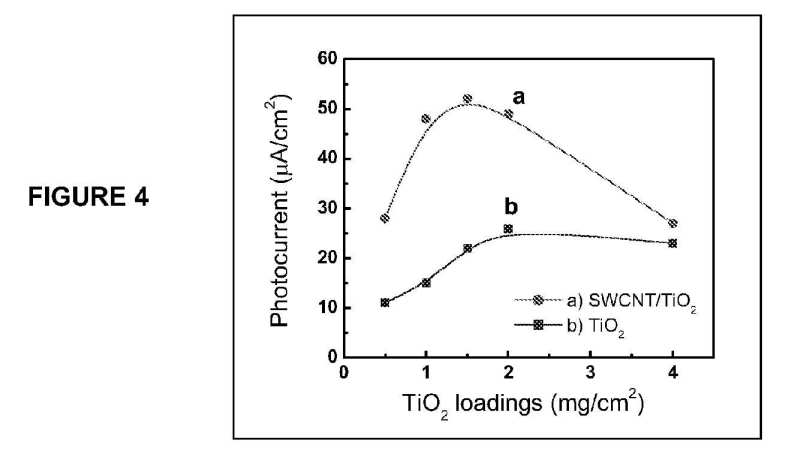
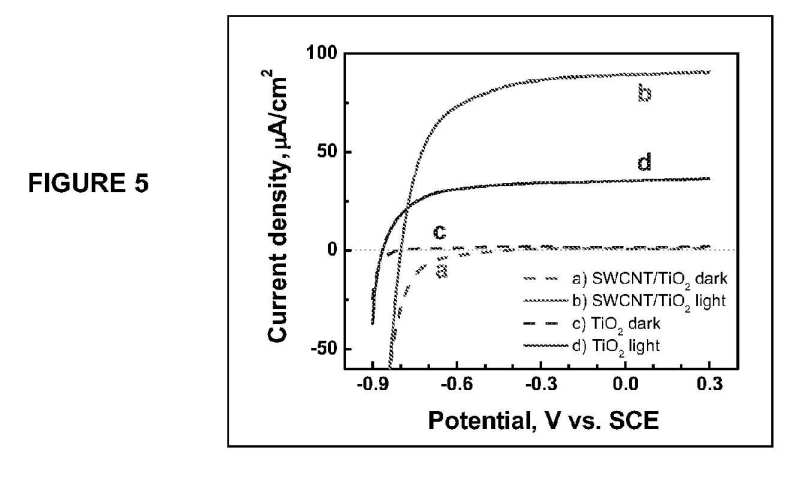
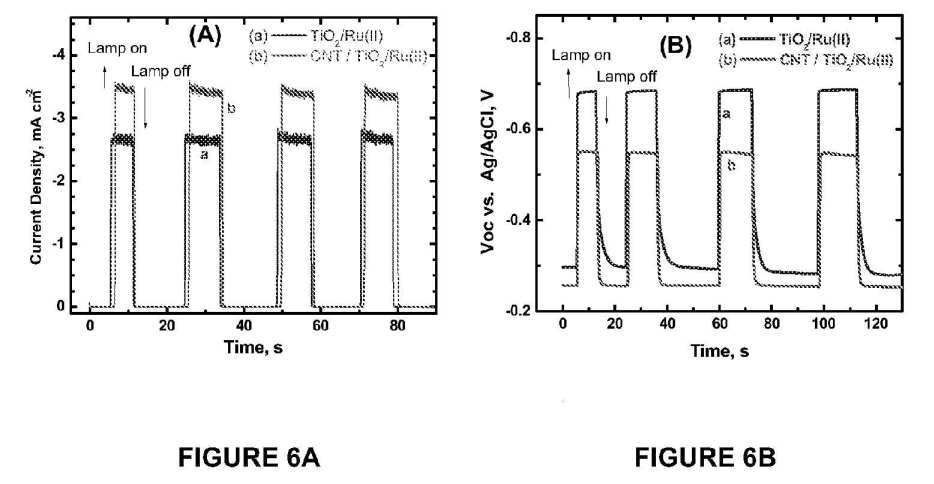
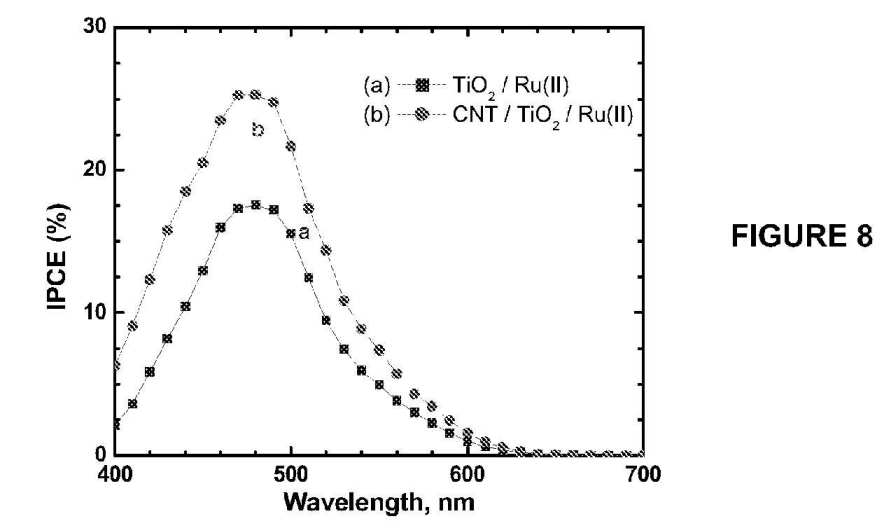
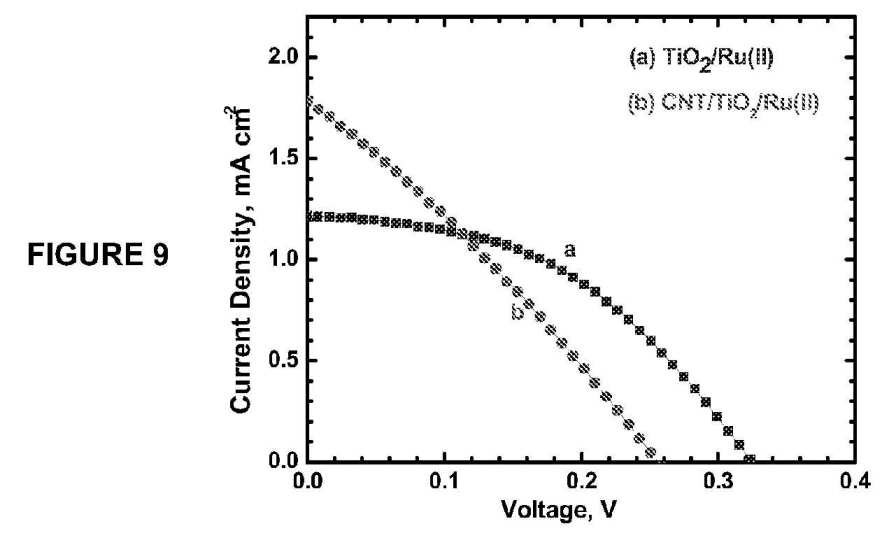
The paint consists of TiO_2 nanoparticles coated with either CdS or CdSe quantum dots, dispersed in a water-alcohol solvent to form a paste. The paste is applied to a conductive glass (e.g., FTO) and annealed at 473 K. In a photoelectrochemical cell with a Cu_2S counter electrode and a sulfide/polysulfide redox couple, the painted electrode produces an open-circuit voltage up to 600 mV, a short-circuit current of 3.1 mA cm^-^2, and a power-conversion efficiency exceeding 1 %. The approach is scalable, inexpensive, and compatible with existing coating techniques.
Principles
- Quantum-dot photovoltaic effect
- Band-gap engineering of semiconductor nanocrystals
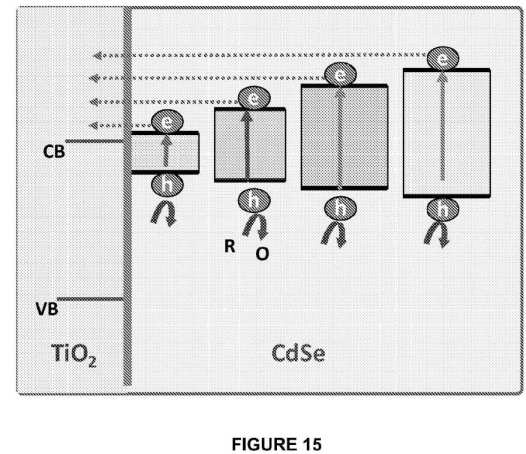
- Photo-induced charge separation and electron injection into TiO_2
- Redox-mediated regeneration of the sensitizer
Scientific Domains
Materials
- Cadmium sulfide (CdS) nanoparticles
- Cadmium selenide (CdSe) nanoparticles
- Titanium dioxide (TiO_2) nanoparticles
- Water-alcohol solvent mixture
- Conductive glass (FTO)
- Copper(I) sulfide (Cu_2S) counter electrode
- Sulfide/polysulfide redox couple
Mechanisms of Action
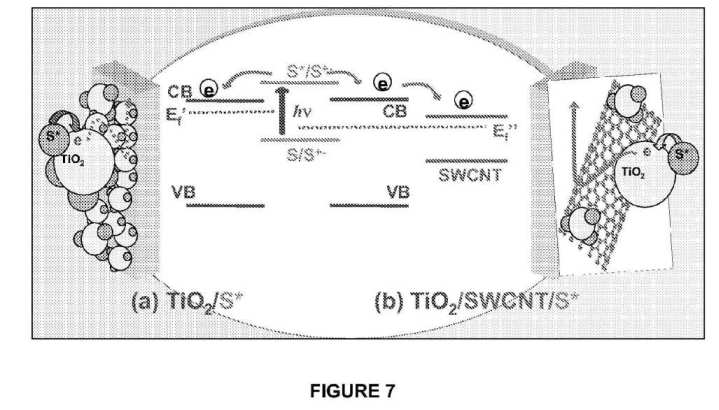
- Photon absorption by CdS/CdSe quantum dots
- Exciton generation and dissociation
- Electron injection from quantum dots into TiO_2 conduction band
- Transport of electrons through TiO_2 network to conductive substrate
- Regeneration of oxidized quantum dots by sulfide/polysulfide redox couple
Energy Sources
Applications
- Building-integrated photovoltaics
- Low-cost rooftop power generation
- Portable solar chargers
Claimed Performance
Power-conversion efficiency > 1 %; open-circuit voltage up to 600 mV; short-circuit current 3.1 mA cm^-^2.
Experimental Evidence
Measured photocurrent, photovoltage, and efficiency in a photoelectrochemical cell as reported in ACS Nano (2011).
Limitations
- Low conversion efficiency (~1 %)
- Stability and durability of the paint over time
- Use of toxic cadmium compounds
Red Flags
- Cadmium toxicity and environmental concerns