Goal
Generate electrical energy without net external input (over-unity) and provide a clean, self-sustaining power source.
Problem
Dependence on conventional energy sources and the need for ecologically pure power generation.
Concept Summary
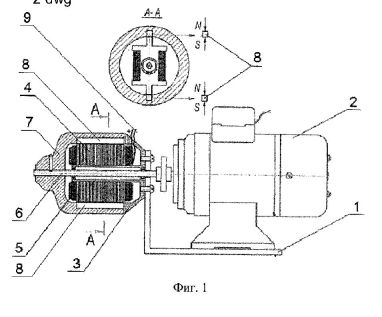
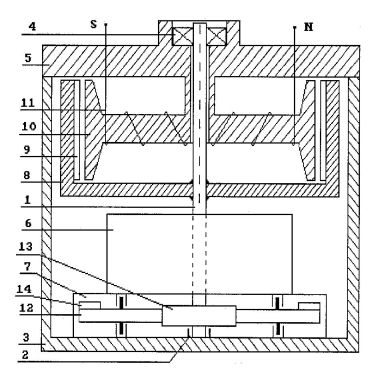
Kanarev describes a motor-generator in which the rotor functions as a motor and the stator as a generator. The device is fed either from the mains or from an accumulator (capacitor). Pulsed electrical energy produced by the stator is used to power a bulb, charge the accumulator, and drive an electrolyzer. The author claims that the energy output exceeds the input, citing short-term pulse-power gains of 5-10x.
Principles
- Inertial electromechanical pulse source
- Self-rotating rotor-generator architecture
- Pulse-power energy recovery
- Torsion-field interaction (holographic intelligence)
- Capacitor-based energy storage
Scientific Domains
Materials
- Metal rotor
- Capacitor (accumulator)
- Electrolyzer components
- Electrical wiring and contacts
Mechanisms of Action
- Rotor driven by its own generated pulses, acting as a motor
- Stator converts mechanical rotation into pulsed electrical output
- Energy recovery pulses inhibit rotor braking and sustain rotation
- Capacitor supplies initial start-up energy and stores excess output
Energy Sources
Applications
- Standalone power generation
- Electrolysis for hydrogen production
- Battery charging
- Potential vehicle propulsion
Claimed Performance
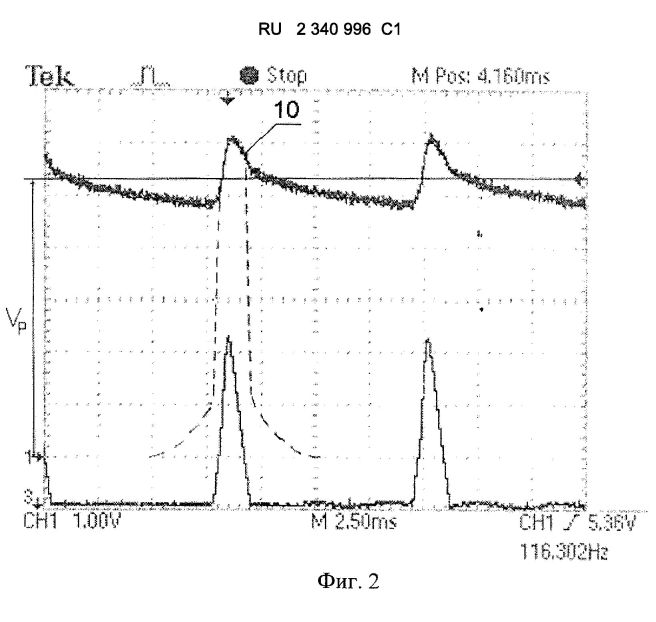
5-fold power increase at 2000 rpm; up to 10-fold excess at higher speeds; pulses of 120 A (first prototype) and up to 200 A (second prototype) with rotor speeds 3000-5000 rpm.
Experimental Evidence
Video demonstration; report of tests performed by a commission headed by an academician of the Russian Academy of Sciences; statements that the first motor-generator "makes energy more than consumes from a network."
Replication Status
Tests reported as passed by the commission, but no independent replication or peer-reviewed publication is mentioned.
Limitations
- Short continuous operation (<10 minutes) due to limited rotor inertia
- Reliance on a capacitor for start-up energy
- No long-term stability data
- Lack of independent verification
Red Flags
- Claims of over-unity without peer-reviewed data
- Reliance on anecdotal video and internal reports
- Absence of detailed quantitative measurements