Goal
Kill cancerous cells non-invasively and generate high-temperature flame from salt water for energy production.
Problem
Cancer treatment limitations and the need for alternative, renewable energy sources.
Concept Summary
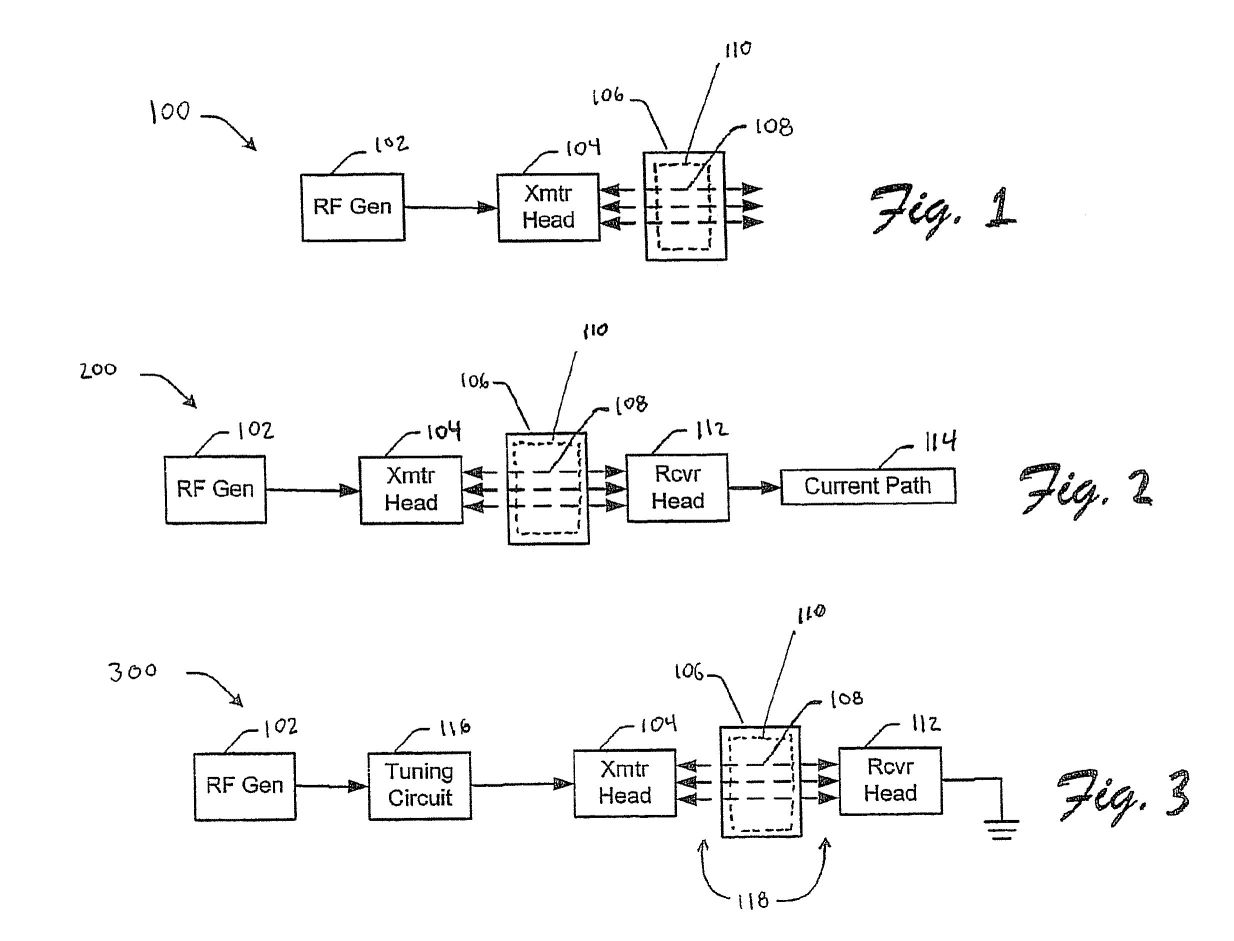
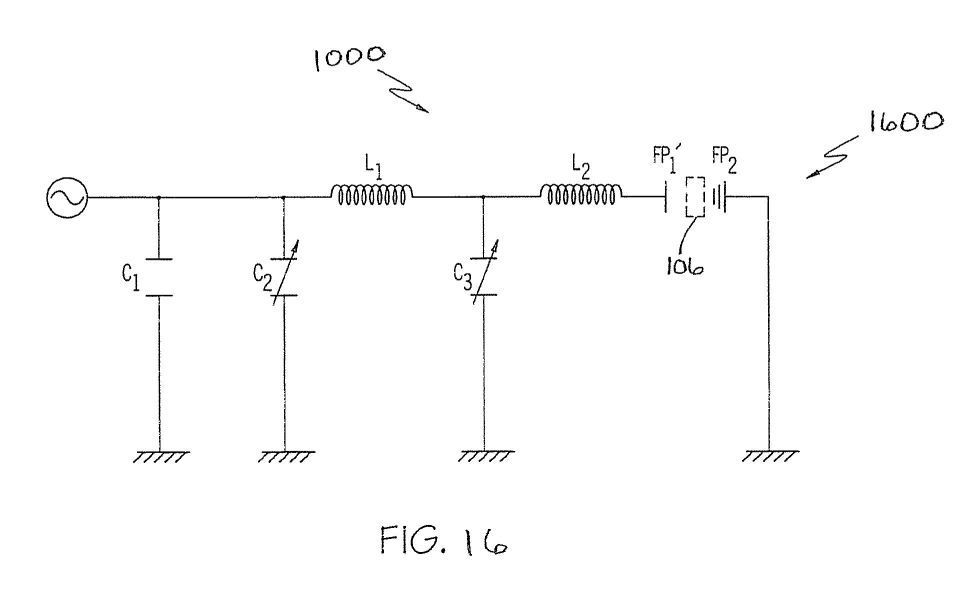
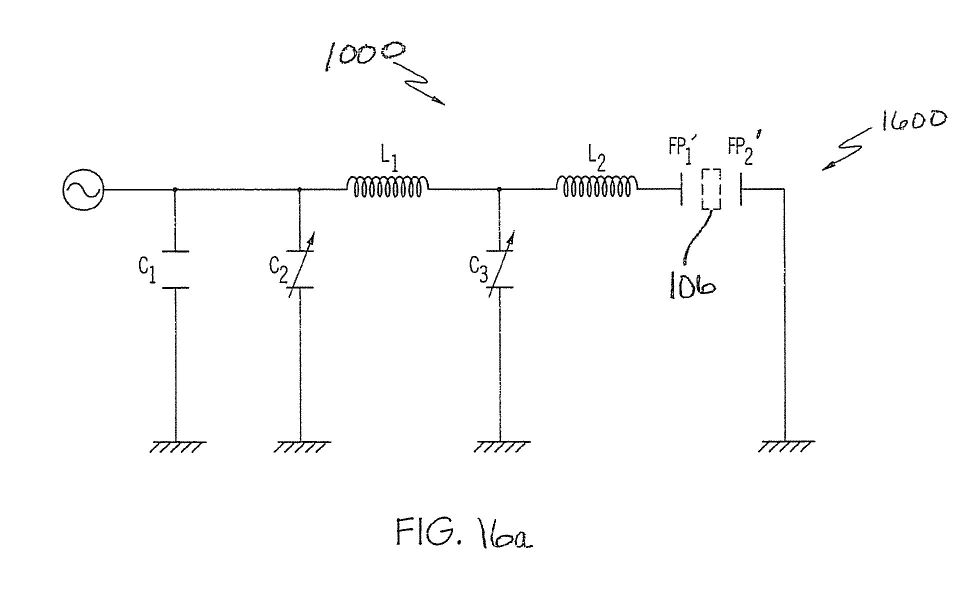
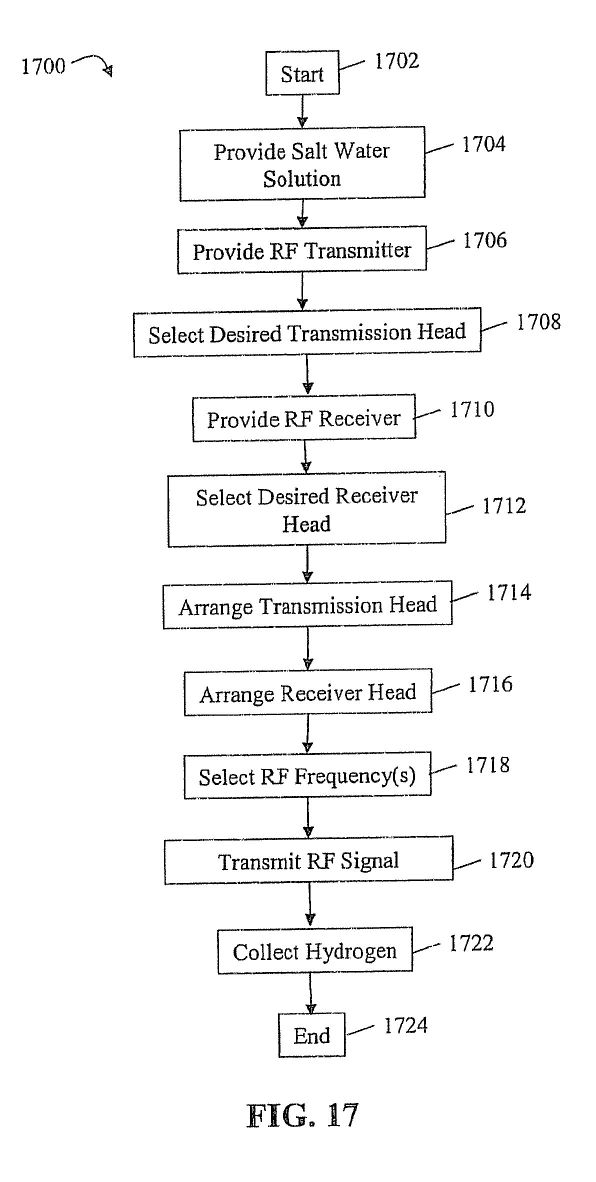
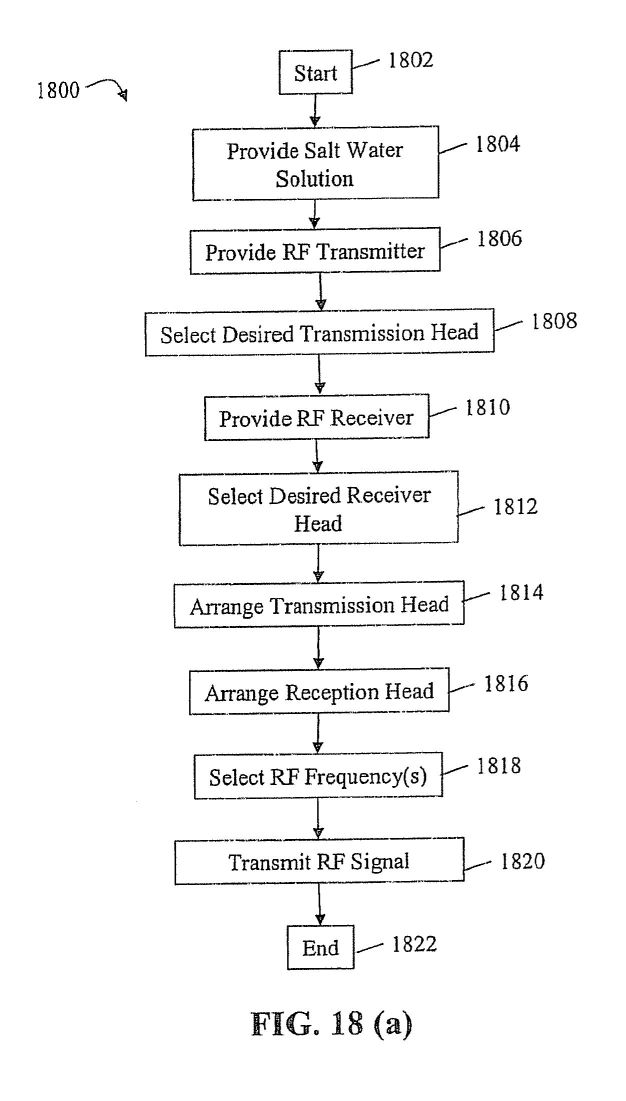
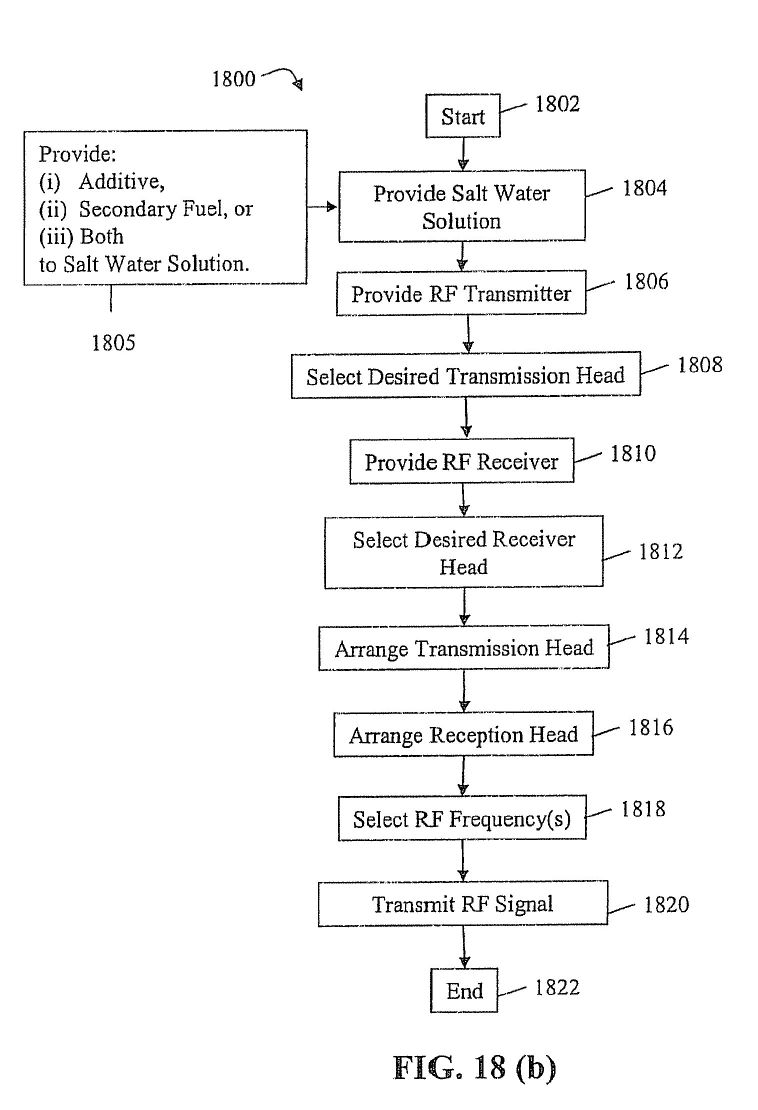
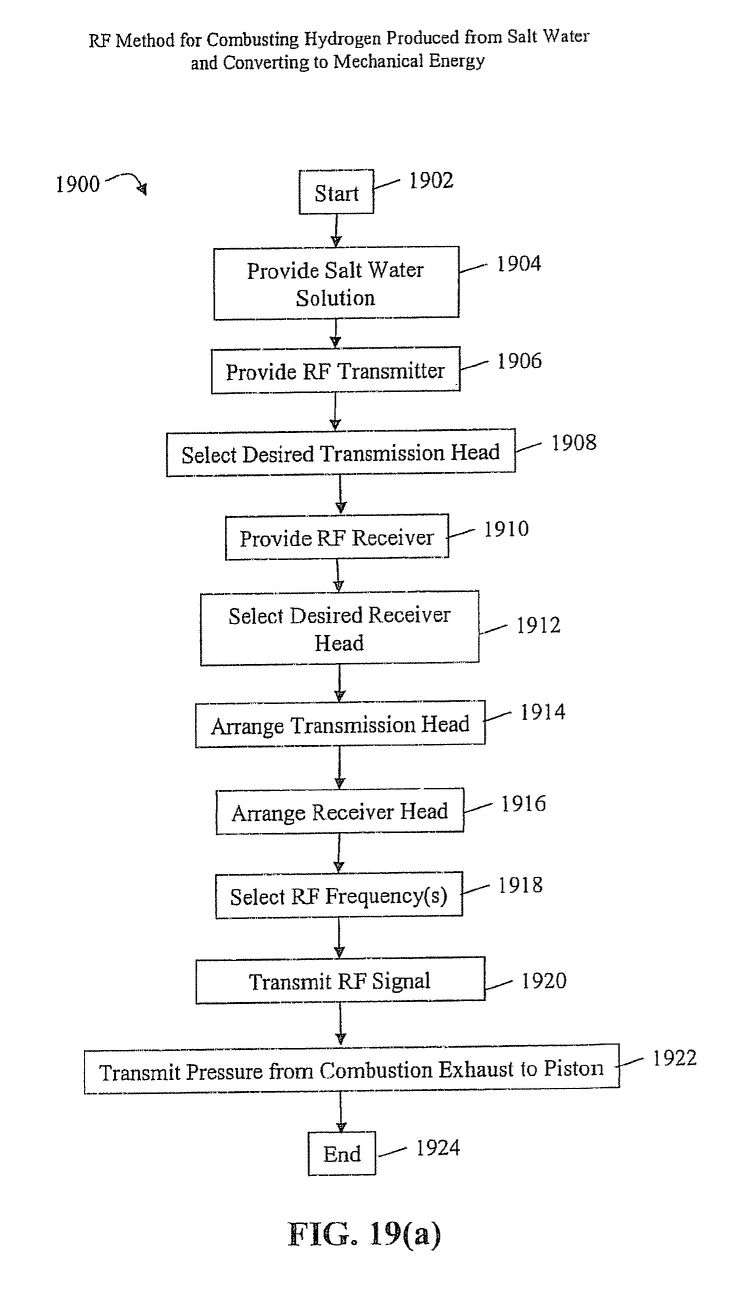
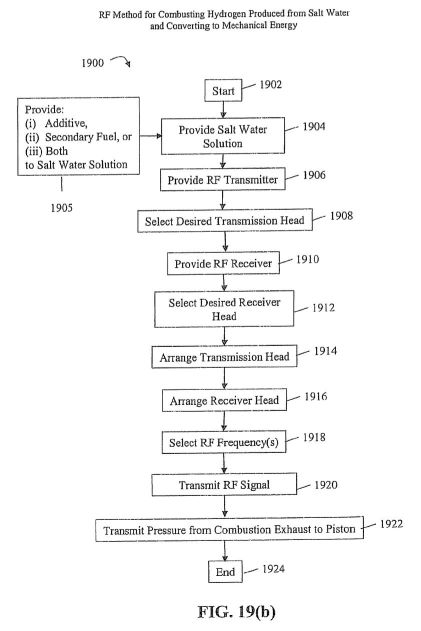
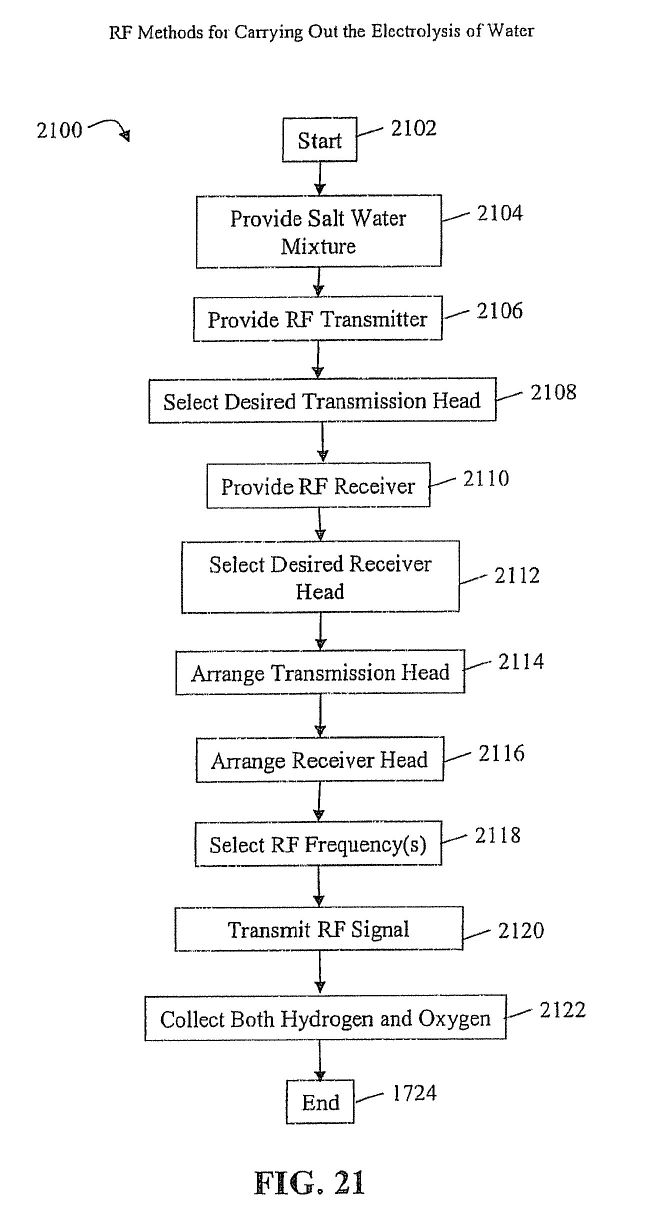
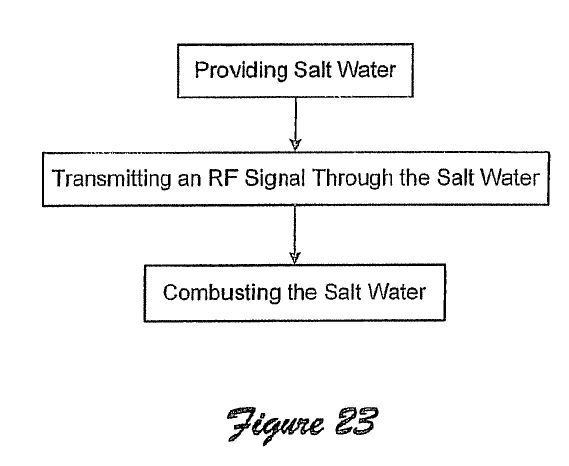
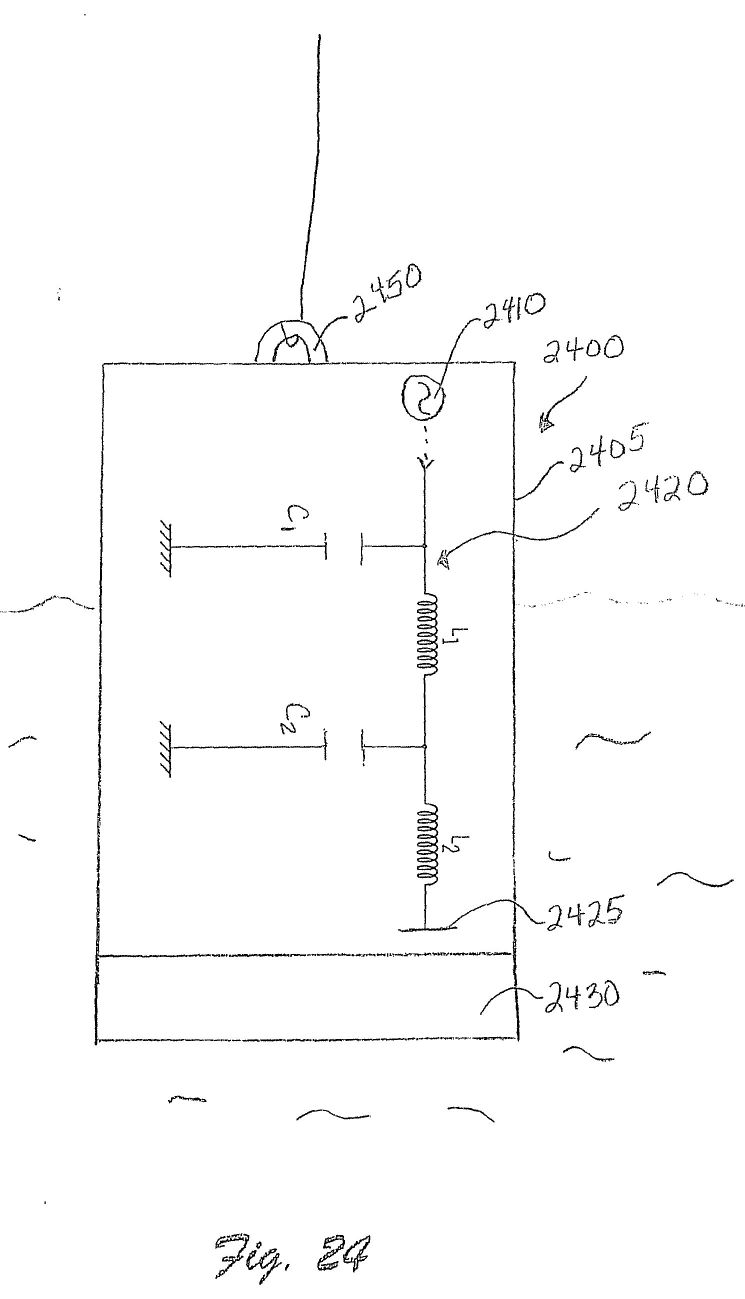
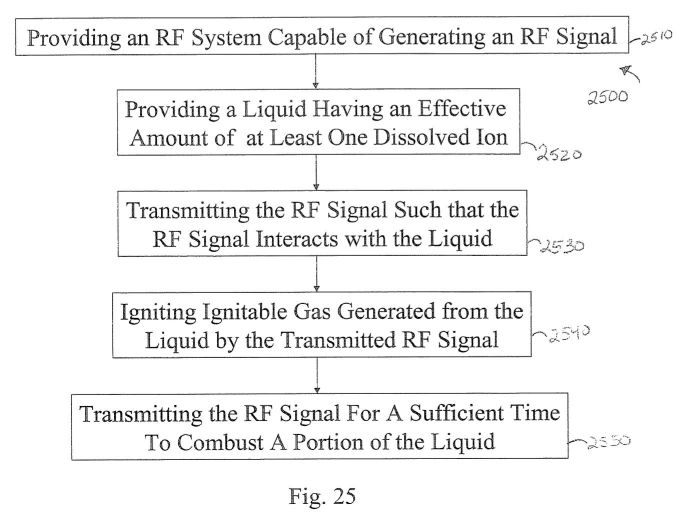
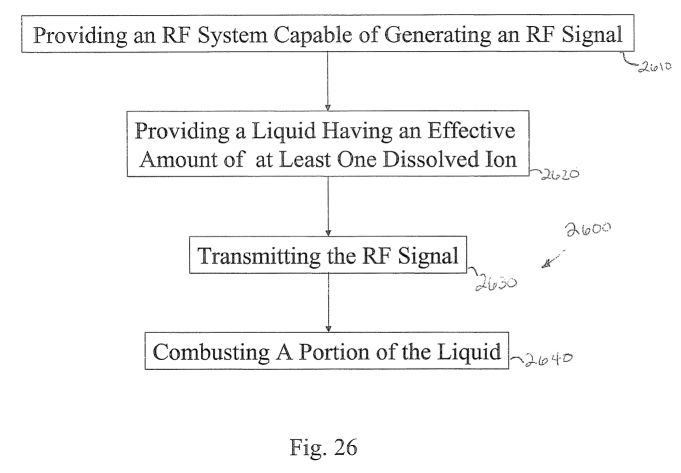
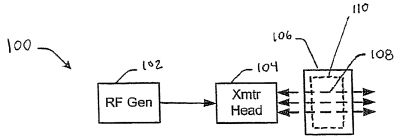
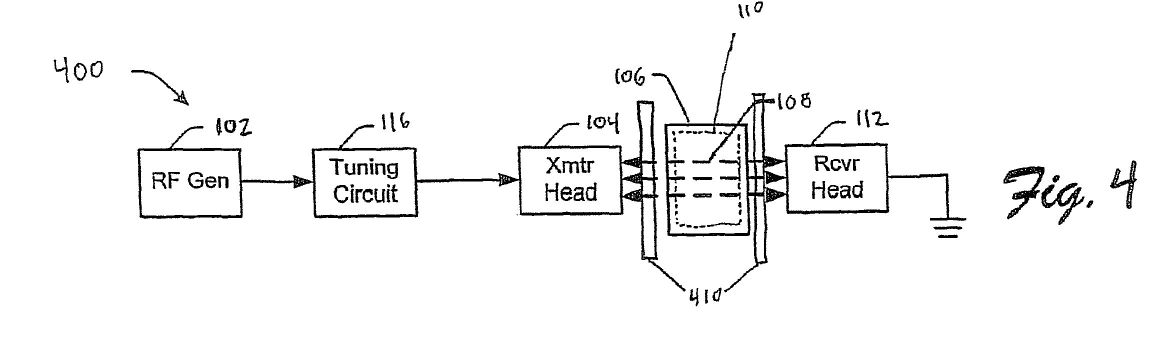
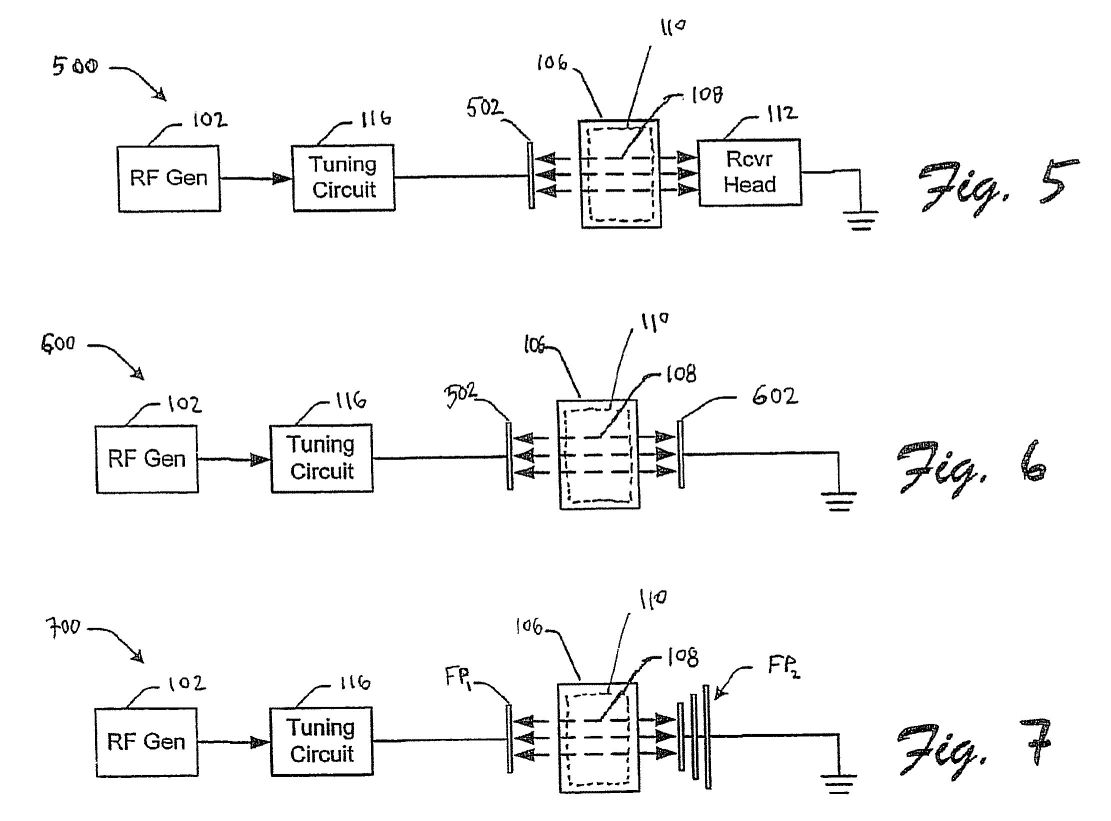
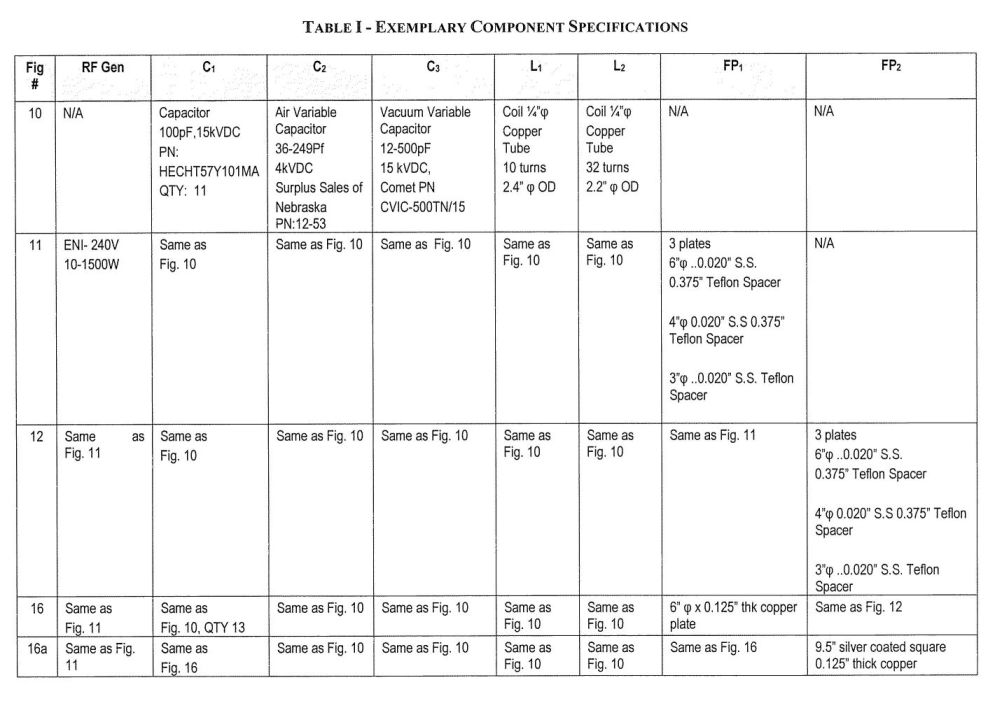
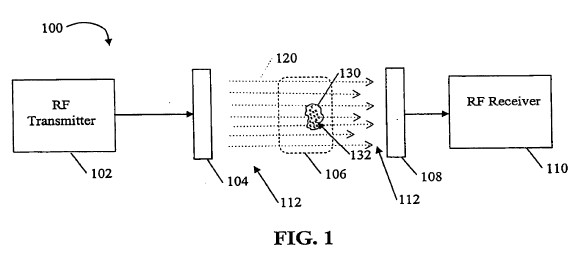
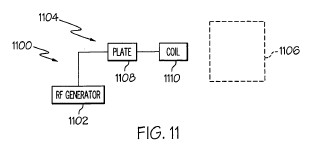
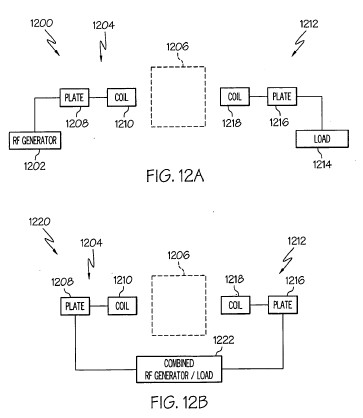
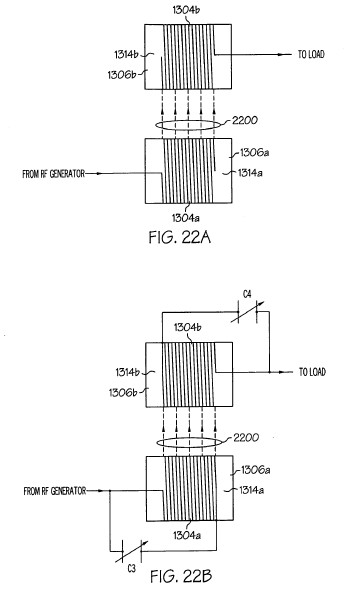
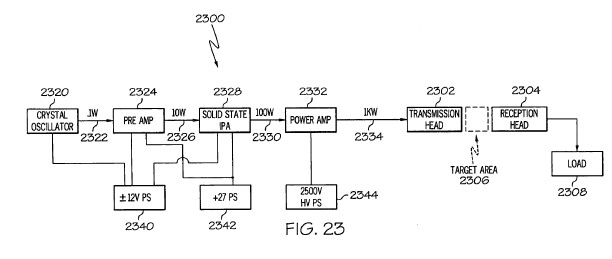
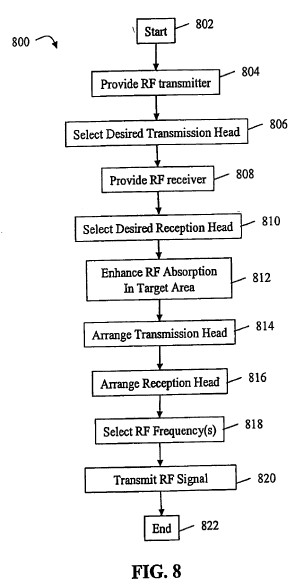
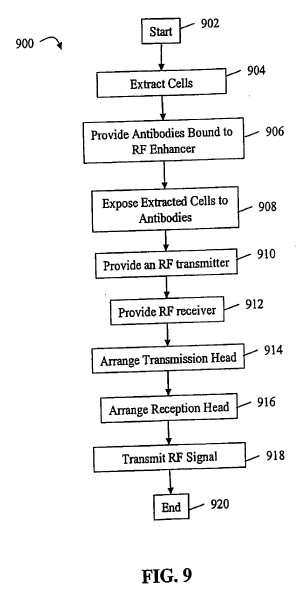
A radio-frequency (RF) generator produces electromagnetic waves that heat metal nanoparticles injected into cancer cells, causing selective cell death. The same RF energy also excites salt water, breaking down water molecules and igniting the resulting hydrogen-oxygen mixture, producing a flame that could be harnessed for power.
Principles
- Radio-frequency heating of conductive particles
- Nanoparticle-mediated hyperthermia
- RF-induced dissociation of water molecules in saline
- Thermal ignition of liberated hydrogen
Scientific Domains
Materials
- Gold nanoparticles
- Carbon nanoparticles
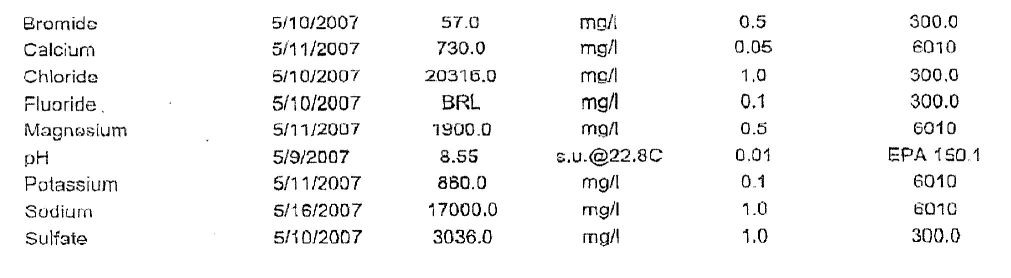
- Sodium chloride (salt)
- Water
Mechanisms of Action
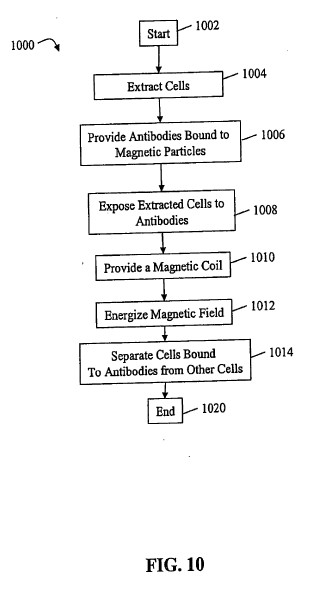
- RF waves cause metallic nanoparticles (gold or carbon) attached to cancer cells to heat rapidly, ablating the cells while sparing healthy tissue
- RF energy excites dissolved salts, increasing the temperature of water until hydrogen and oxygen bonds break, leading to spontaneous combustion
Energy Sources
Applications
- Selective cancer cell destruction
- Generation of high-temperature flame for power generation
- Potential fuel for internal combustion engines
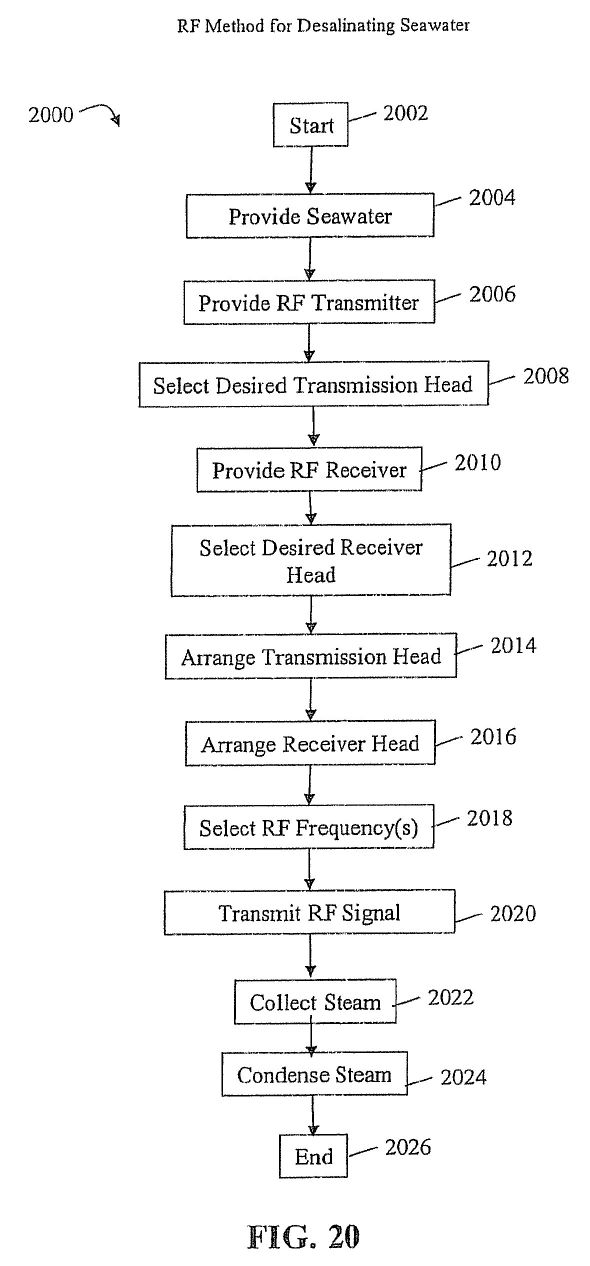
- Desalinization (investigated)
- Heat source for electricity generation
Claimed Performance
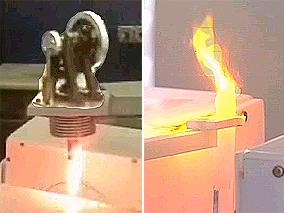
Flame temperature around 3,000 deg F; a small engine ran for two minutes on the flame; complete killing of pancreatic cells reported in laboratory conditions.
Experimental Evidence
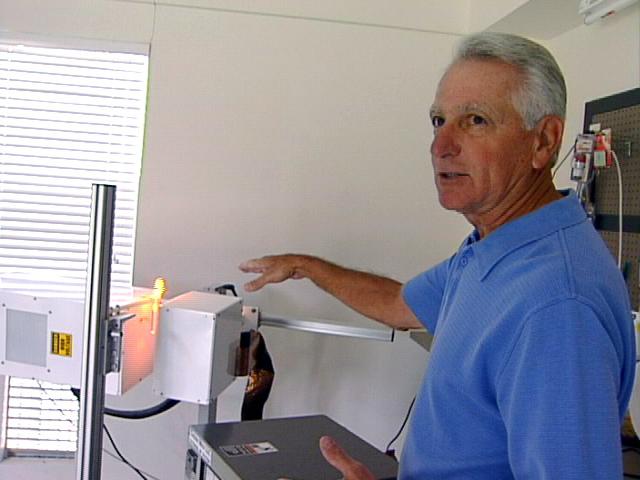
Paper towel ignited when placed with salt water in the RF machine; salt water burned producing a bright flame; a prototype engine operated for two minutes on the flame; M.D. Anderson researchers observed complete killing of pancreatic cells in lab tests.
Replication Status
Flame observed by several scientists; preliminary laboratory results at M.D. Anderson Cancer Center; no independent peer-reviewed replication reported.
Limitations
- Lack of peer-reviewed quantitative data
- Scalability of flame-based power not demonstrated
- Safety concerns with high-temperature flame
- Dependence on RF generator and nanoparticle injection
Red Flags
- Extraordinary claims (e.g., 3,000 deg F flame, curing cancer) without rigorous scientific validation
- No independent replication or peer-reviewed publications cited
- Potential hype surrounding "alternative fuel" from seawater