Goal
Achieve over-unity (COP > 1) by eliminating back-drag in a magnetic motor through rapid regauging of the magnetic scalar potential.
Problem
Low efficiency (COP < 1) of conventional magnetic motors and the need for higher power-to-weight ratios in electric propulsion.
Concept Summary
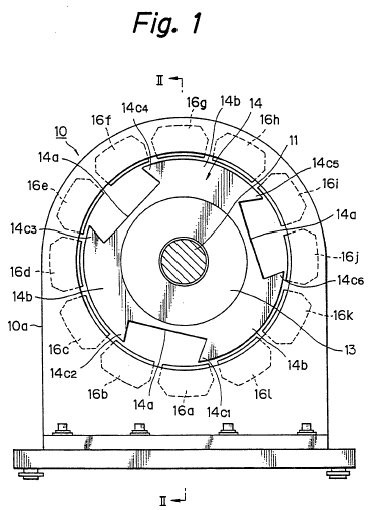
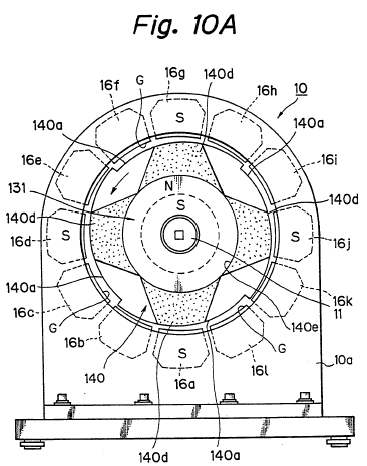
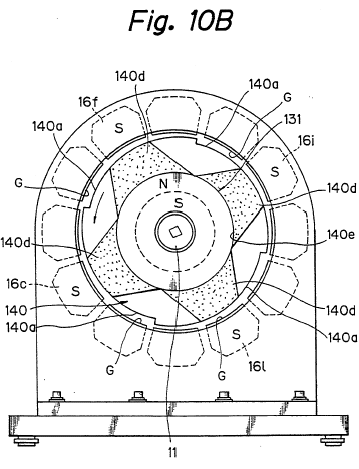
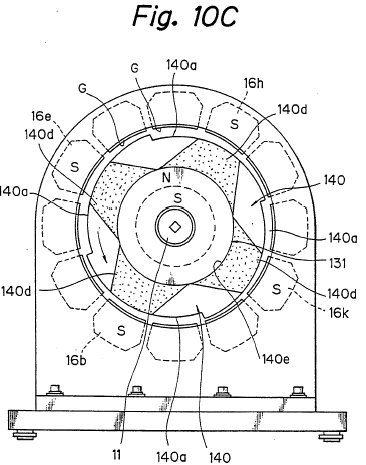
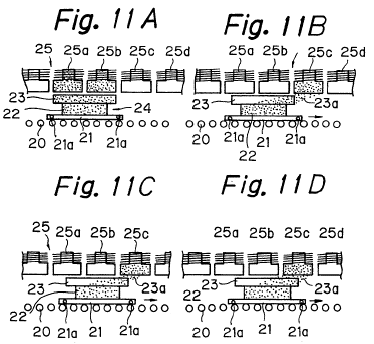
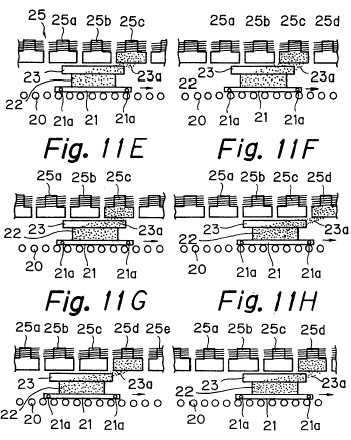
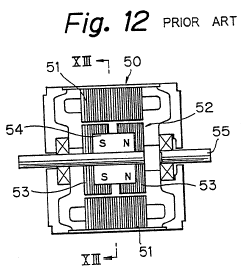
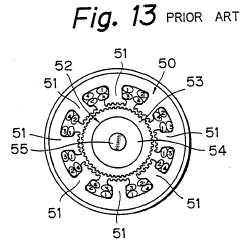
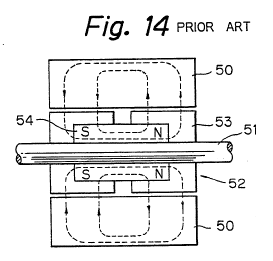
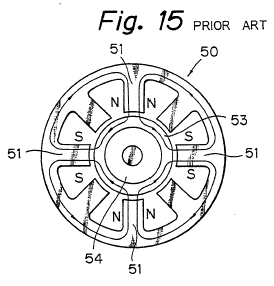
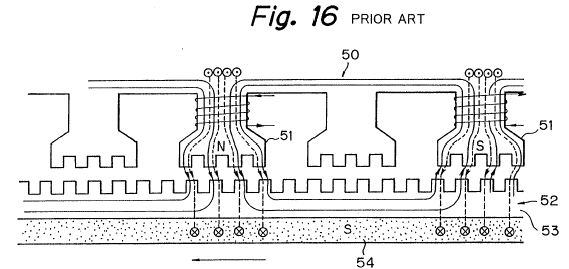
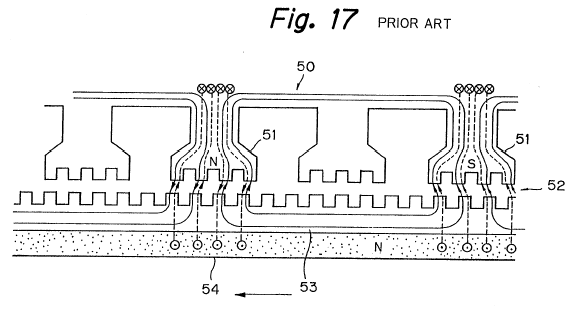
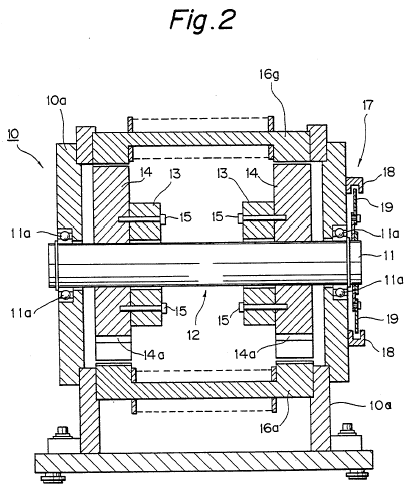
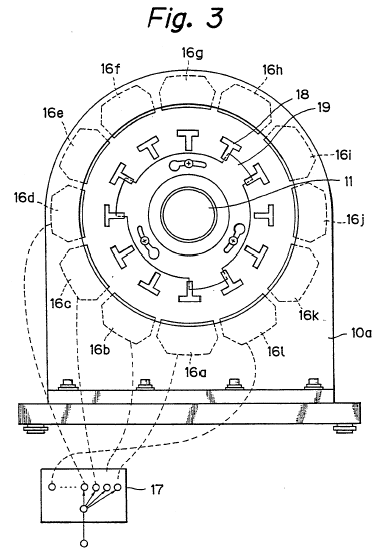
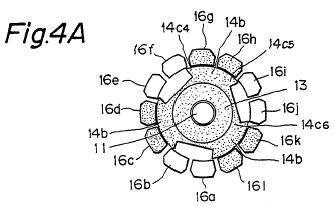
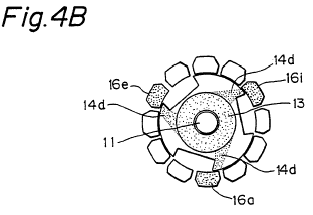
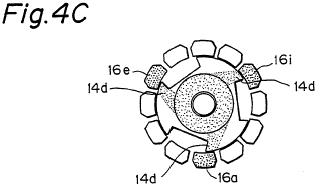
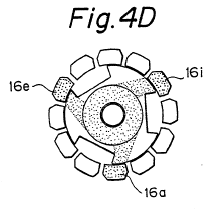
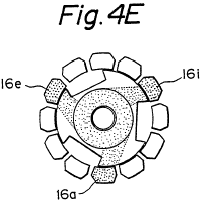
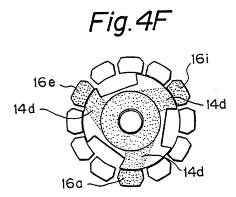
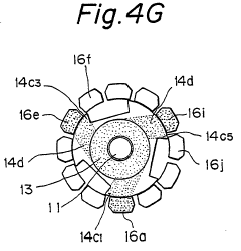
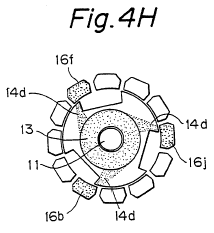
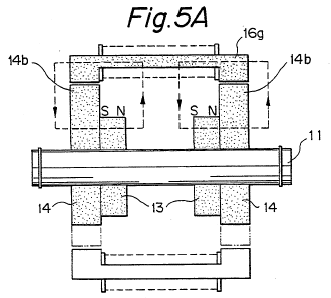
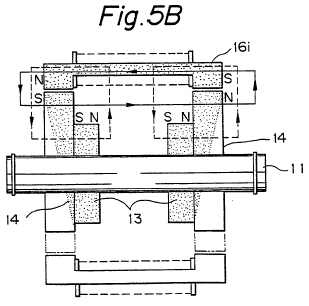
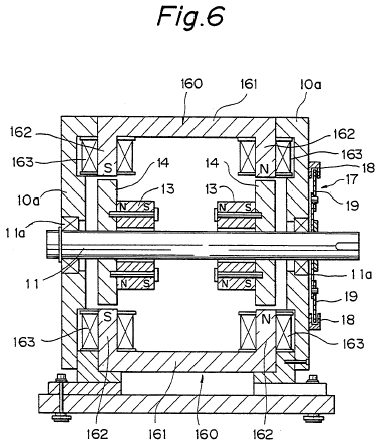
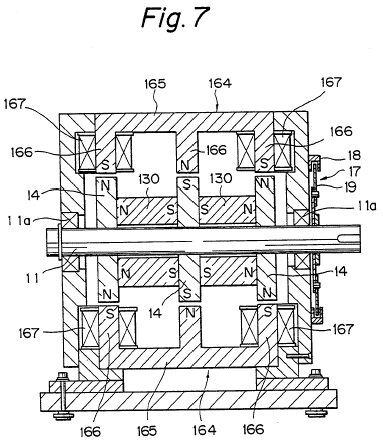
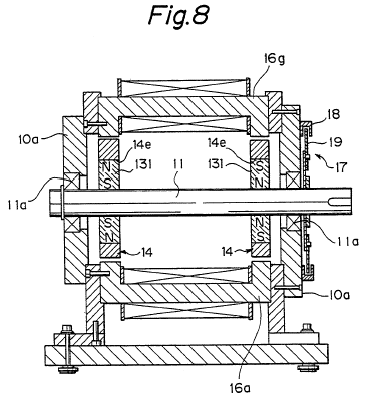
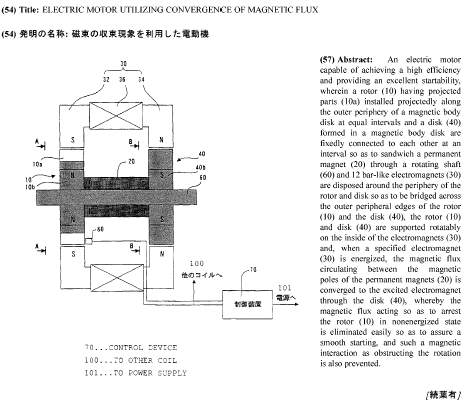
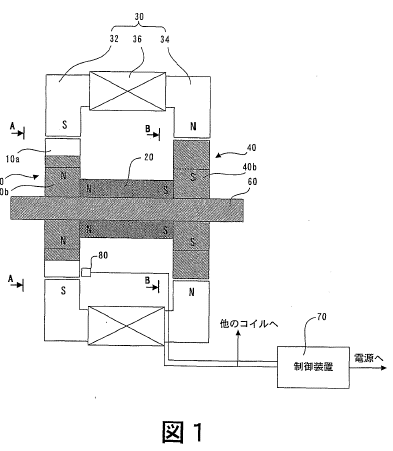
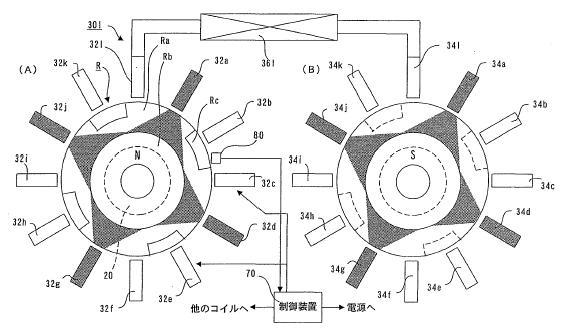
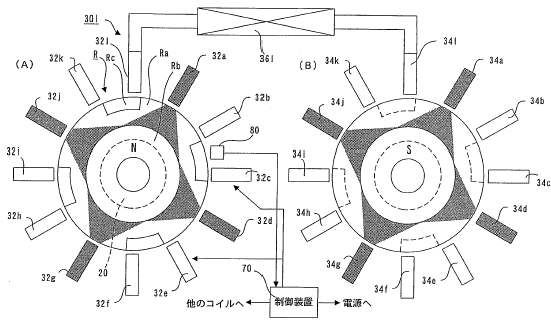
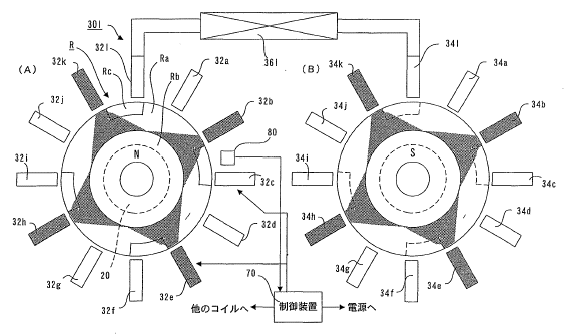
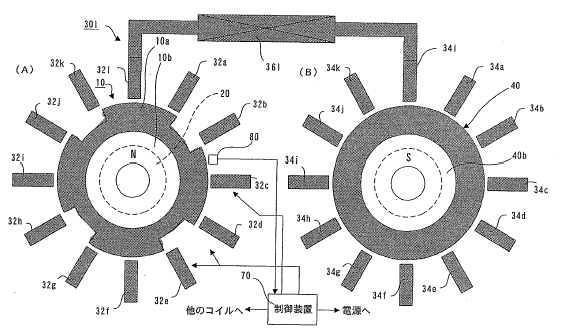
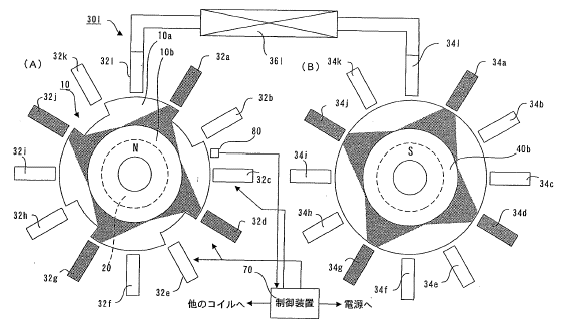
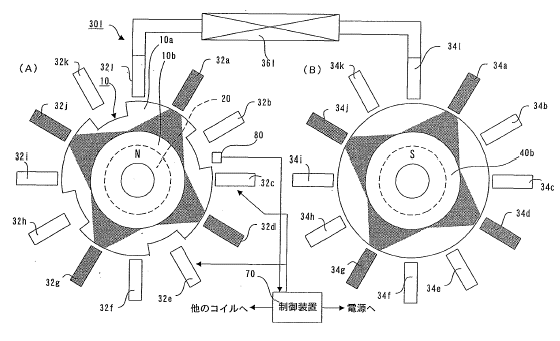
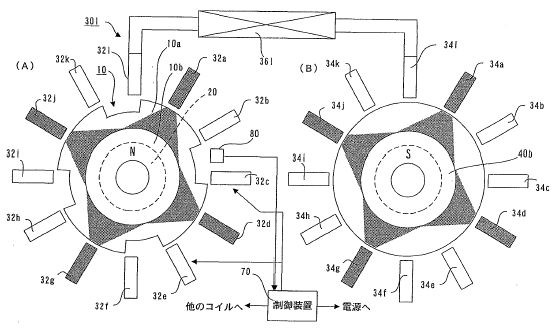
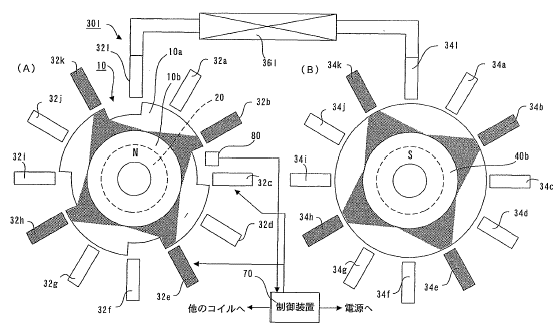
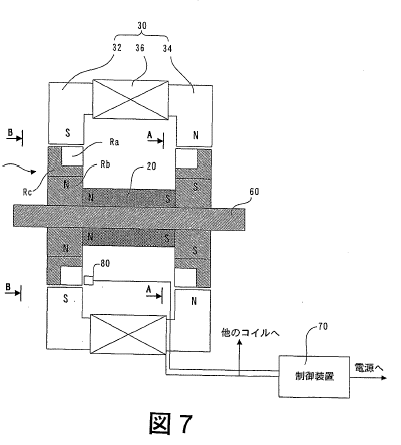
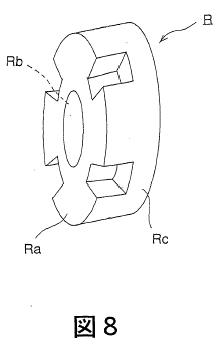
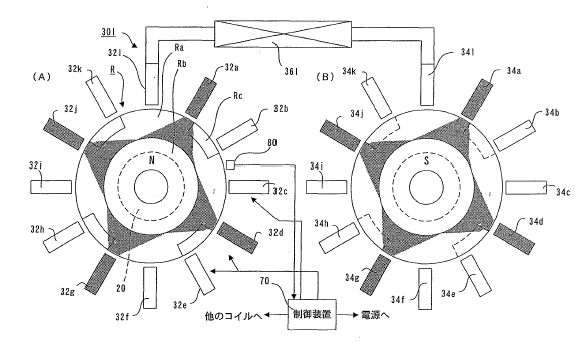
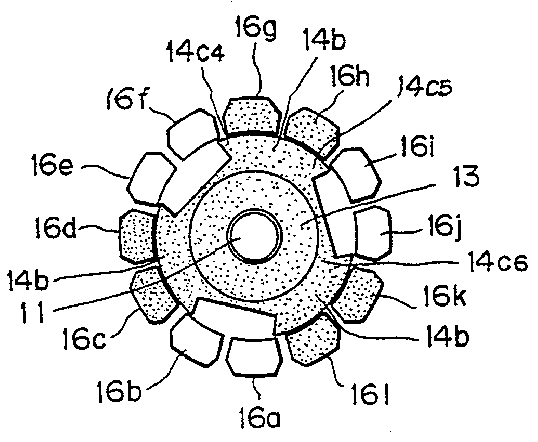
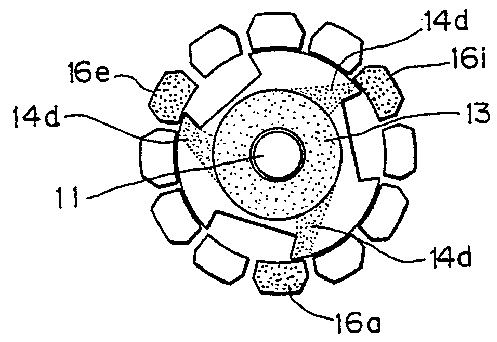
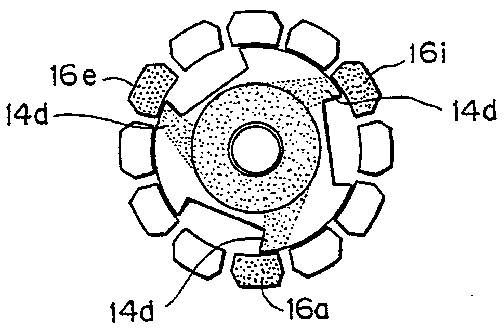
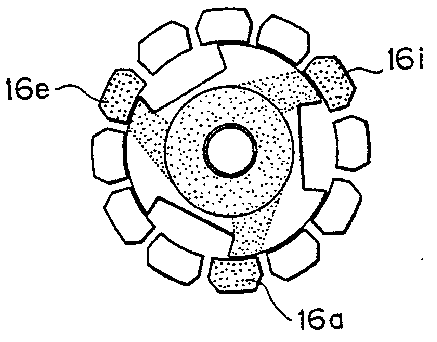
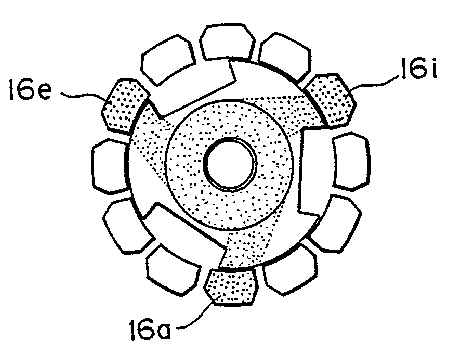
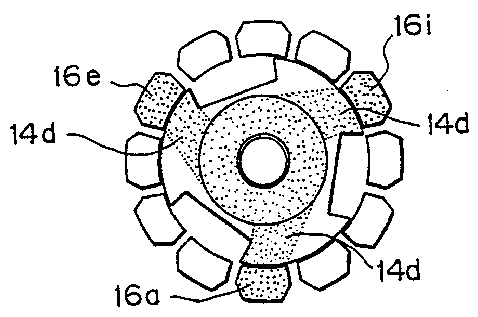
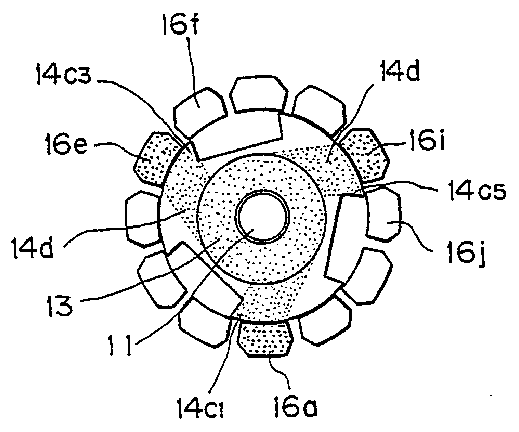
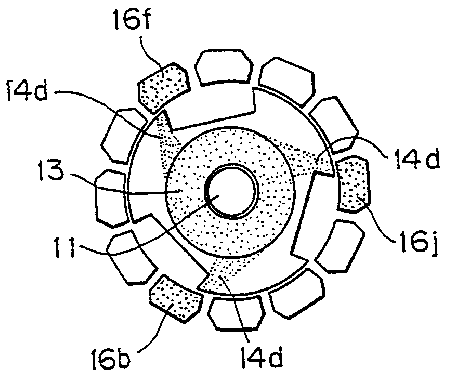
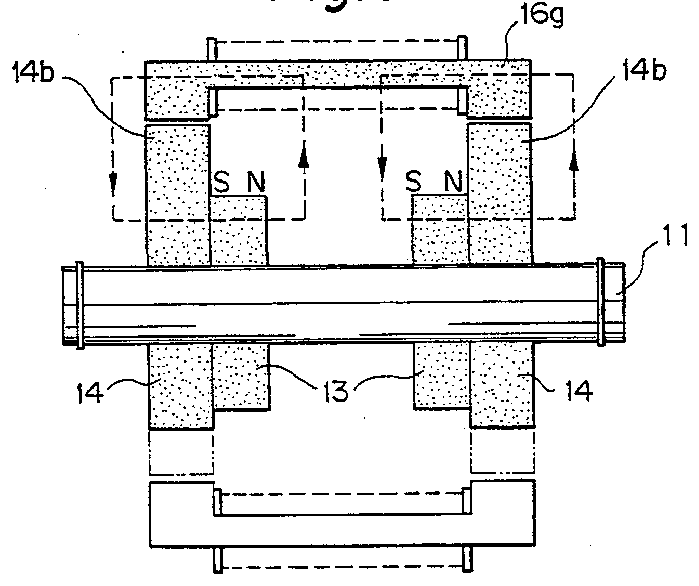
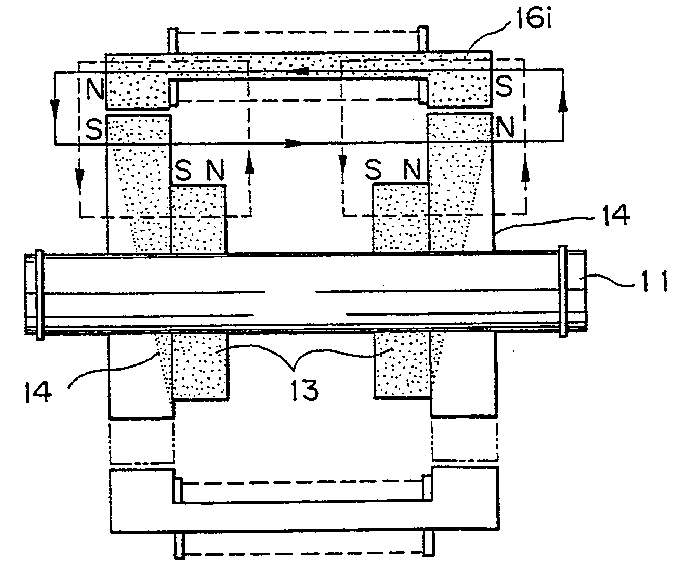
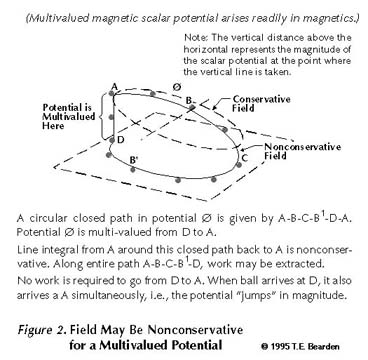
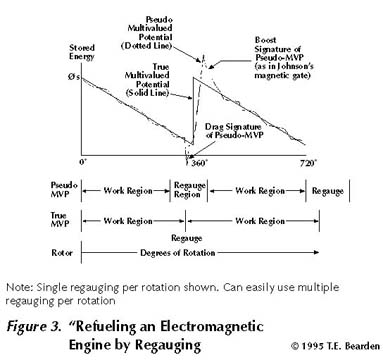
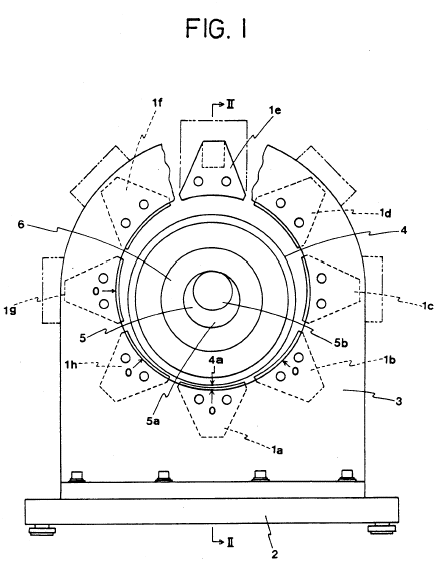
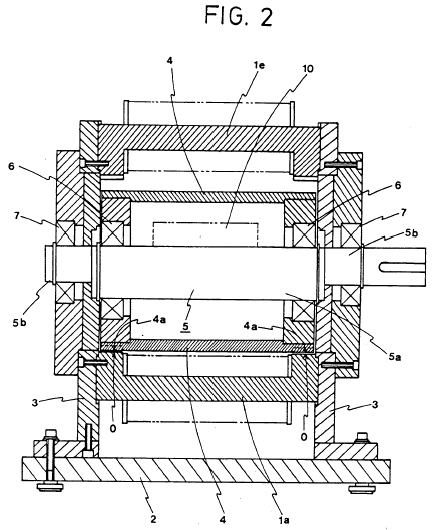
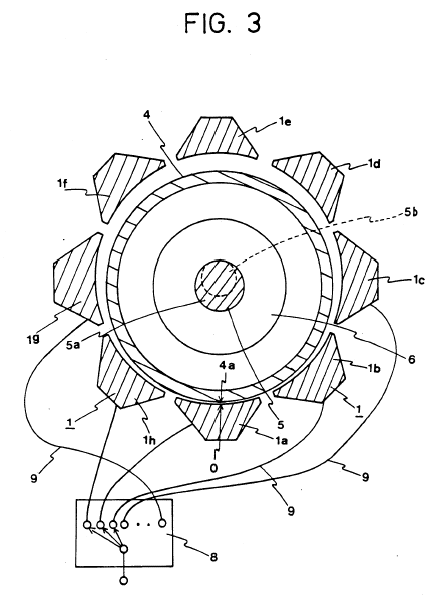
The Kawai engine uses a rotor with toothed polepieces and a set of stator electromagnets that are energized only when they contribute forward torque. By rapidly de-energizing the coils at the back-drag sector, the magnetic scalar potential is "regauged" (reset) to zero, eliminating the counter-clockwise drag. This creates a series of high-frequency, low-energy "jumps" in the magnetostatic potential that provide net positive work per rotation, allowing a coefficient of performance (COP) greater than unity.
Principles
- Regauging of magnetic scalar potential
- High-speed switching of stator electromagnets
- Elimination of back-drag via de-energization
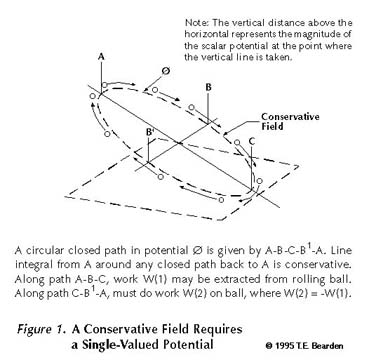
- Non-conservative electromagnetic field cycles
Scientific Domains
Materials
- Ferromagnetic steel polepiece
- Permanent ring magnet (rare-earth or ferrite)
- Copper windings for stator electromagnets
- Iron core for electromagnet coils
Mechanisms of Action
- Rapid energization/de-energization of stator coils synchronized with rotor position
- Creation of an accelerating tangential magnetic force when the coil is energized
- Resetting (regauging) the magnetic scalar potential to zero to cancel back-drag
- Use of a permanent ring magnet to provide the base magnetic flux
Energy Sources
Applications
- Electric vehicles
- Standalone power generation
Claimed Performance
COP 1.2 - 1.6; two Hitachi-tested Kawai-modified engines reported COP = 1.4 and COP = 1.6.
Experimental Evidence
Hitachi engineers rigorously tested two Kawai-modified Hitachi engines and measured COP values of 1.4 and 1.6 respectively.
Replication Status
Tested by Hitachi engineers; no independent third-party replication reported.
Limitations
- Requires precise high-speed switching circuitry
- Lack of independent, peer-reviewed validation
- Unclear source of the claimed external energy
Red Flags
- Over-unity claims conflict with conventional conservation of energy
- No publicly available, reproducible experimental data beyond proprietary Hitachi tests
- Potential for the technology to be classified as a scam if claims are not independently verified